
Dressing Tables
Dressing tables should support the personal-care routine used each day. Begin with how you sit, the objects reached for and the mirror arrangement you actually need. A useful surface gives those tasks a clear place without turning the bedroom into a crowded collection of furniture.
Read moreRead less
Then check sitting clearance, drawers where specified and the space occupied by the seat. Do not assume a mirror or stool comes with every table; read the selected item’s contents. This guide helps plan the complete area practically. Browse any listed pieces with the routine and measurements in mind, or explore wider bedroom furniture when deciding how the dressing area relates to the bed and other daily room functions.
Showing all 5 resultsSorted by recommended
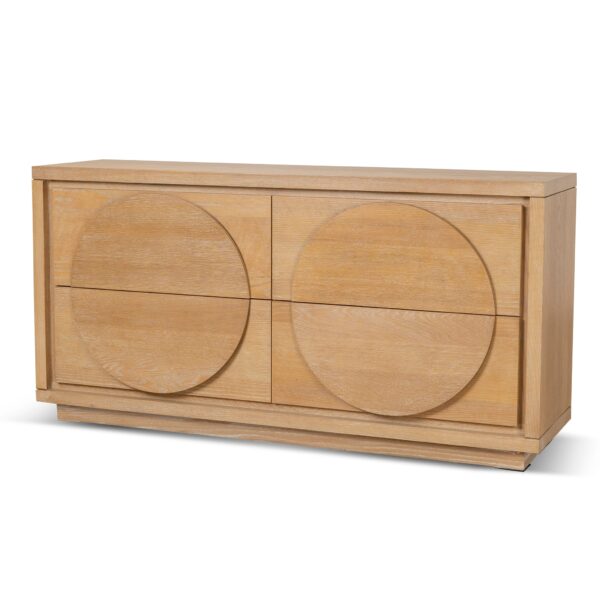

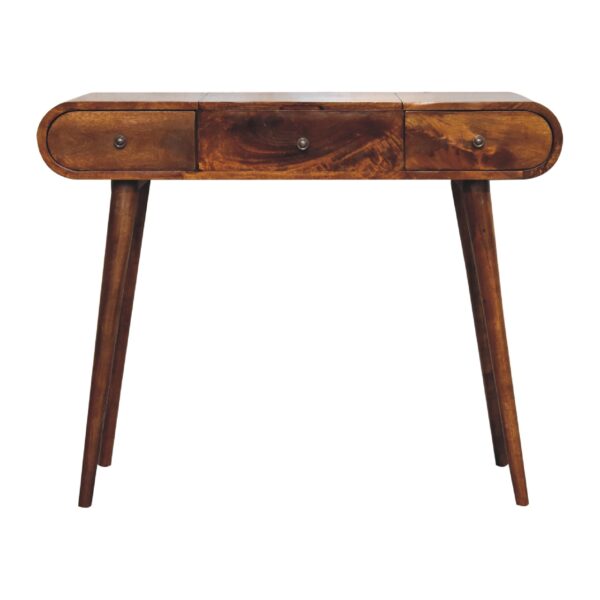

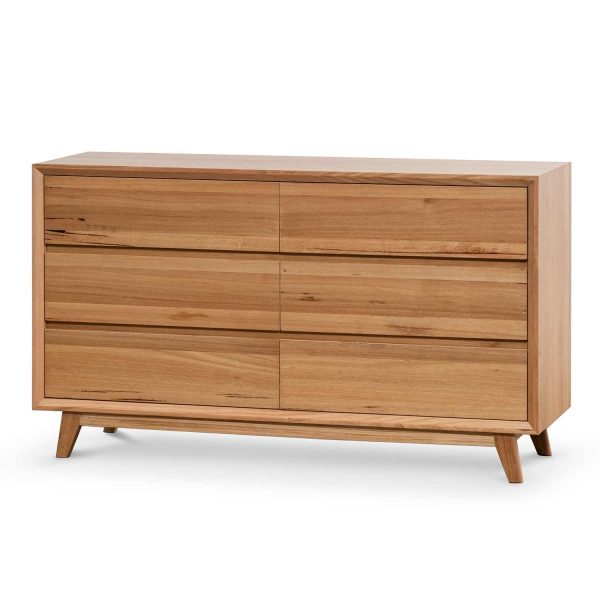
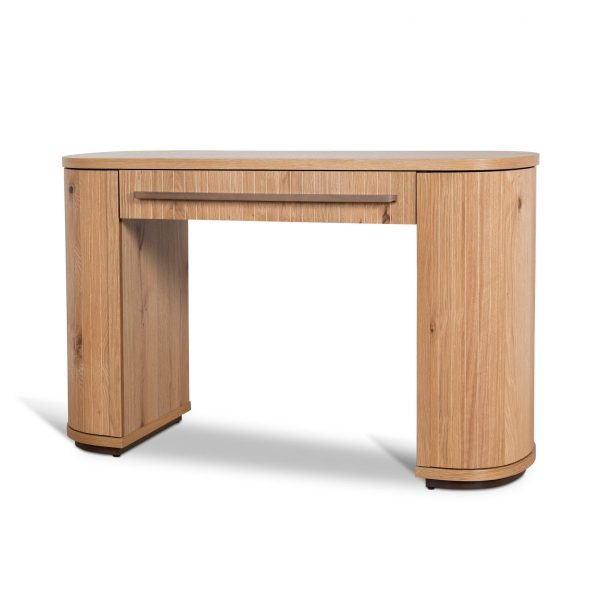
Choose a position you can approach comfortably
Mark table width and depth with the intended seat in use and pulled out. Include wardrobe doors, the bed and the usual route through the room. A dressing table can fit a wall while leaving an awkward sitting or walking position once the rest of the furniture is used.
Compare usable space below the surface and any supports, rails or drawers. Seat dimensions need to work with that actual underside, not the table’s overall height alone. The bedroom vanity guide can help refine the seated routine. Choose the complete approach before selecting a table mainly for how it looks beside the wall.
Give the top and mirror useful working positions
List containers, brushes and other regular objects, then place them within the usable top size. Leave a clear area for the task instead of filling every part with bottles or display pieces. Think about reach while seated, not just a tidy arrangement viewed standing up.
Read whether a mirror is included and how it is supported or mounted. Compare the mirror view from the actual sitting position and the room light at the location. Product name and styled image cannot establish those details.
Choose storage for the actual routine
Sort frequent items from occasional belongings and decide what remains visible. If concealment matters, compare dressing tables with drawers by real internal dimensions and opening access. More compartments do not automatically make a small top easier to use.
Read finish care for cosmetics, tools and other intended contact, including protection where instructed. Confirm actual included quantity, assembly and any fixing guidance. Check power or cable access only where the selected products and arrangement support it.