
Dressing Tables with Drawers
Dressing tables with drawers give personal-care belongings a home near the working surface. Begin with the objects to organise, including container height and longer tools, rather than choose from drawer count alone. A shallow organiser and a deeper compartment serve different needs.
Read moreRead less
Then check how storage sits around the user’s knees and opens beside the seat. A neat closed table can become awkward during the routine if those clearances were not measured. This guide helps choose drawers that support useful seated access. Browse any listed designs with actual contents and dimensions in mind, or review the wider dressing tables category when the overall location and personal-care setup need to be planned first.
Showing all 4 resultsSorted by latest
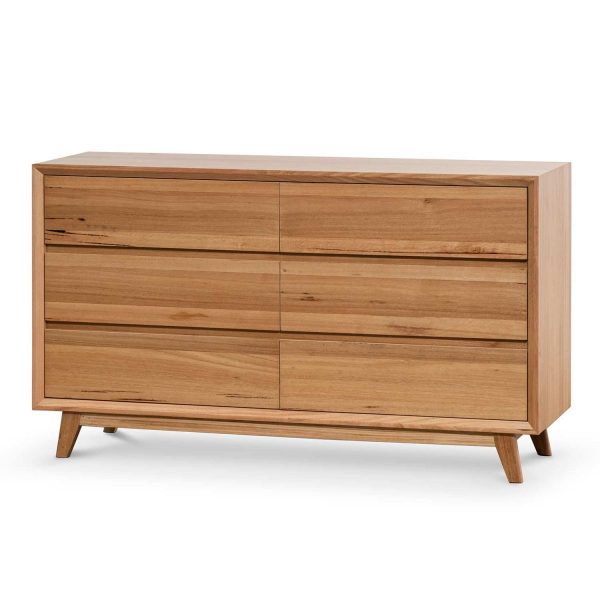
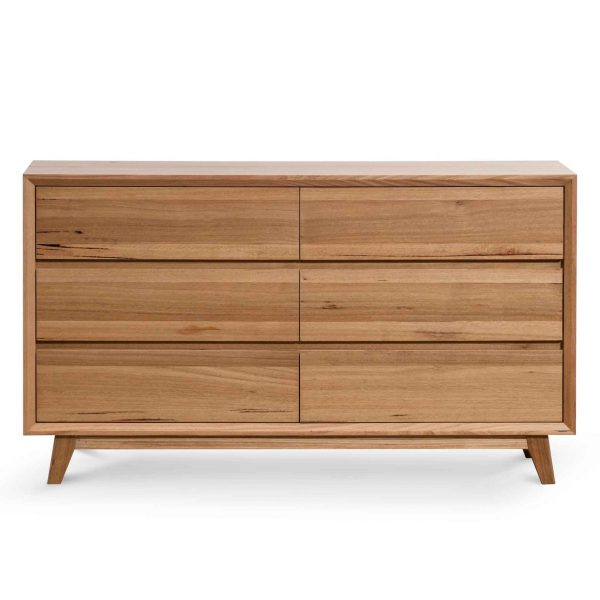
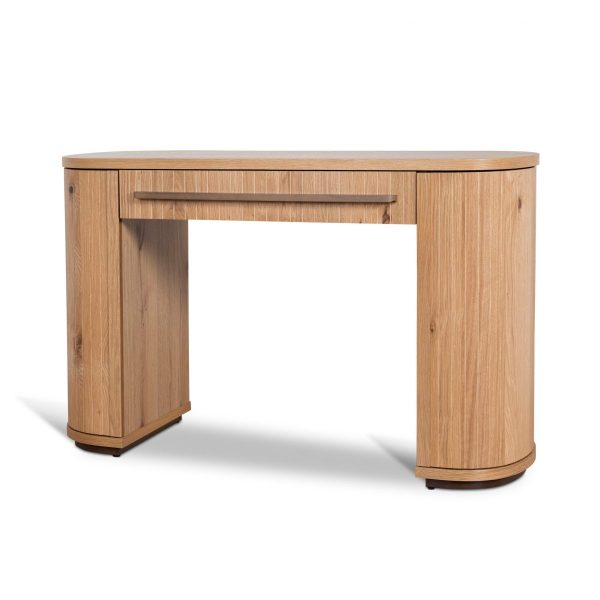
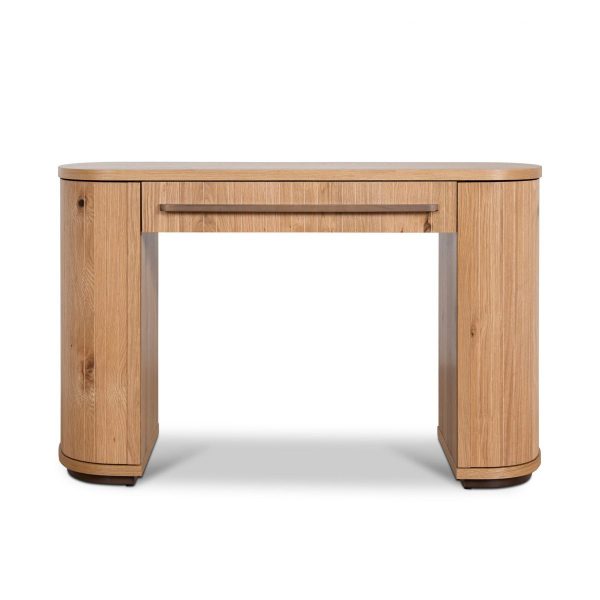


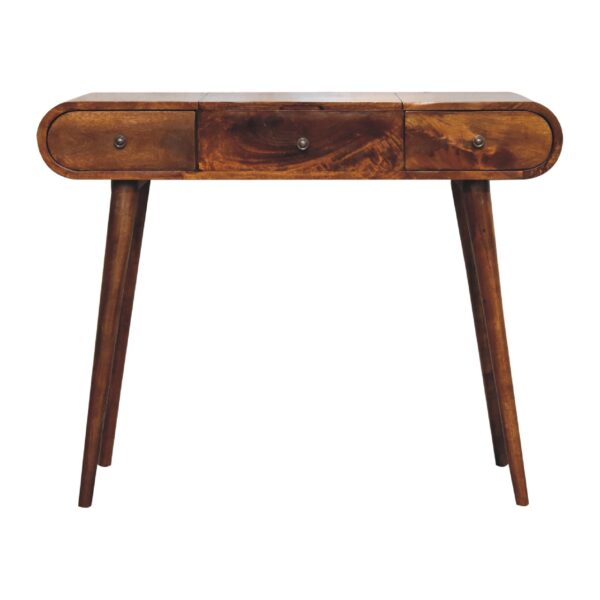
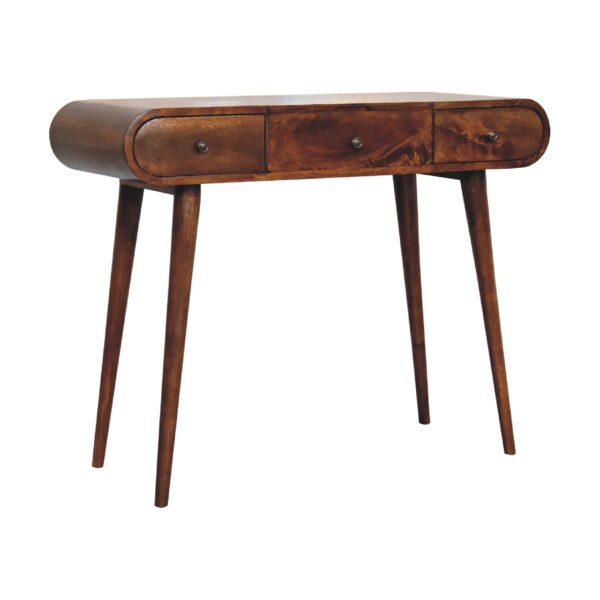
Make internal space fit the objects used regularly
Measure the largest intended container, tray or tool and compare stated interior dimensions. Outer furniture depth includes structure and does not establish drawer capacity. Dividers or organisers can change the useful space, so account for those where they are actually specified or separately chosen.
Group frequent items and occasional belongings before deciding how many compartments are needed. A drawer should simplify retrieval rather than hold everything without an order. Ask about missing internal measurements if a particular object must fit. The useful storage arrangement is built around real contents, not a row of handles or a broad front that looks generous in a photograph.
Check knee clearance and drawer travel together
Compare the intended seat with actual underside space, drawer body and supports. Storage near the seated area may occupy height or depth that the user needs, depending on the design. Table height alone cannot establish comfortable approach.
Mark drawers fully open and include where the user sits or stands to access them. A seat can obstruct opening even when it fits below the closed surface. The bedroom vanity guide helps assess the routine from the actual sitting position. Keep bedroom doors and routes in the plan too, so useful storage does not turn the personal-care area into furniture that must be rearranged whenever a drawer is used.
Keep the top clear enough for the routine
Reserve surface space for the mirror arrangement and the task itself, with regularly reached items conveniently placed. Drawers should reduce clutter rather than justify a decorative top filled with objects that make daily use awkward.
Read materials and care inside and outside the storage. Follow guidance for intended cosmetics, tools and other contact rather than assume interiors resist spills or accept every cleaner. Explore bedroom furniture while planning the wider room, then confirm included parts, assembly and fixing guidance for the table.