
Homewares
Homewares can bring a furnished room together when each piece has a clear place and purpose. A vase on a dining table, artwork above a console and a small object on a shelf make different demands on space. Begin with the position you want to finish, rather than buying several accessories and looking for somewhere to put them.
Read moreRead less
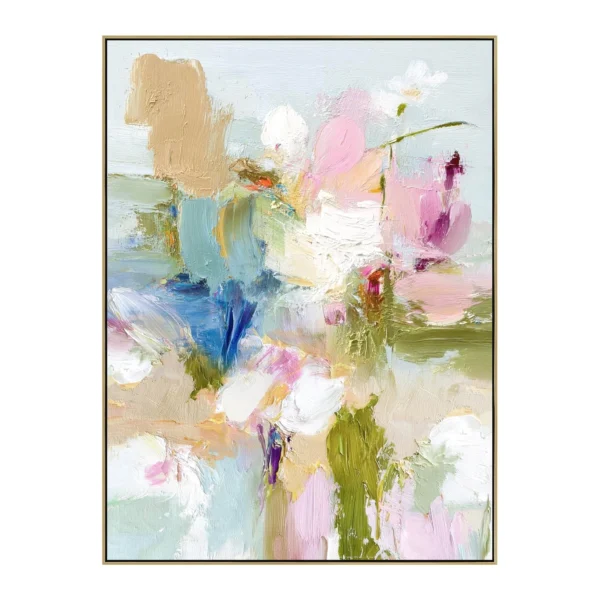
Think about what is missing: a focal point, a change in height, a quieter texture or an object you will use. Choose decorative homewares around the furniture and colours already present. Explore wall art for a bare wall, or vases and decorative pots when an existing surface needs a considered finishing piece.

Showing 1–24 of 255 resultsSorted by recommended
-
Week’s PickOriginal price was: $292.00.$242.00Current price is: $242.00.
-
Week’s PickOriginal price was: $269.00.$223.00Current price is: $223.00.
-
Week’s PickOriginal price was: $199.00.$165.00Current price is: $165.00.
-
Week’s PickOriginal price was: $136.00.$113.00Current price is: $113.00.
-
-
Week’s PickOriginal price was: $149.00.$124.00Current price is: $124.00.
-
On SaleOriginal price was: $113.00.$99.00Current price is: $99.00.
-
-
-
-
-
-
On SaleOriginal price was: $82.00.$72.00Current price is: $72.00.
-
-
-
-
On SaleOriginal price was: $305.00.$268.00Current price is: $268.00.
-
On SaleOriginal price was: $256.00.$225.00Current price is: $225.00.
-
-
-
On SaleOriginal price was: $223.00.$196.00Current price is: $196.00.
-
-
On SaleOriginal price was: $124.00.$109.00Current price is: $109.00.
-
On SaleOriginal price was: $124.00.$109.00Current price is: $109.00.

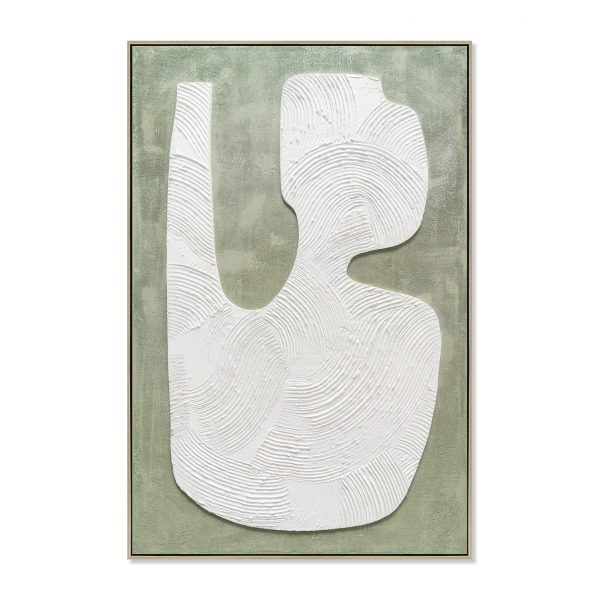
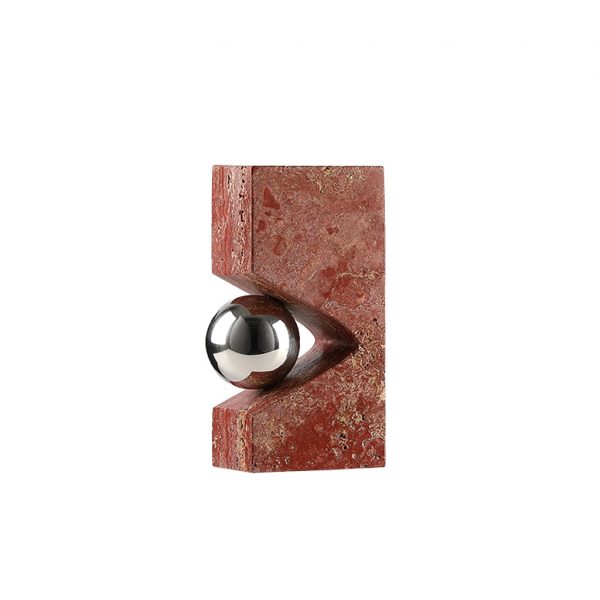

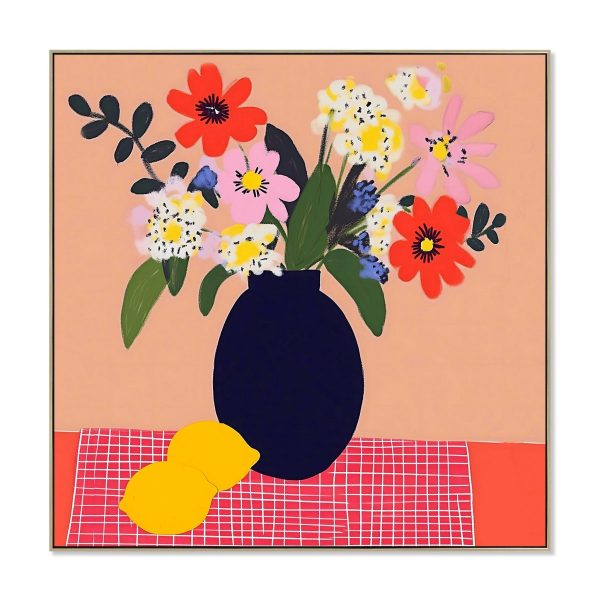
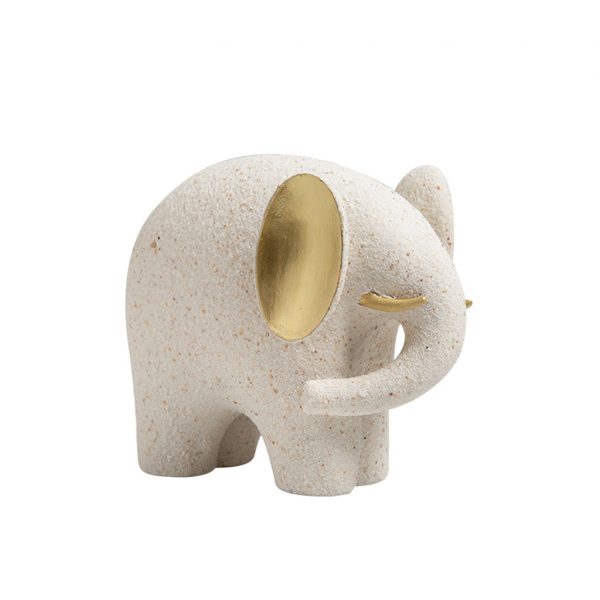

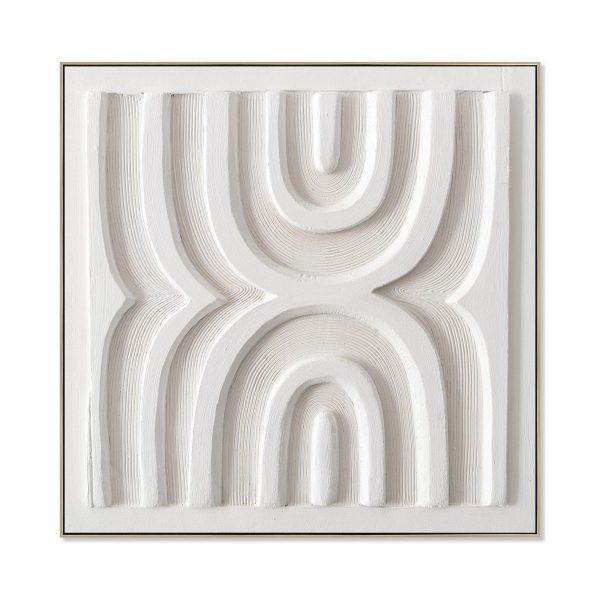

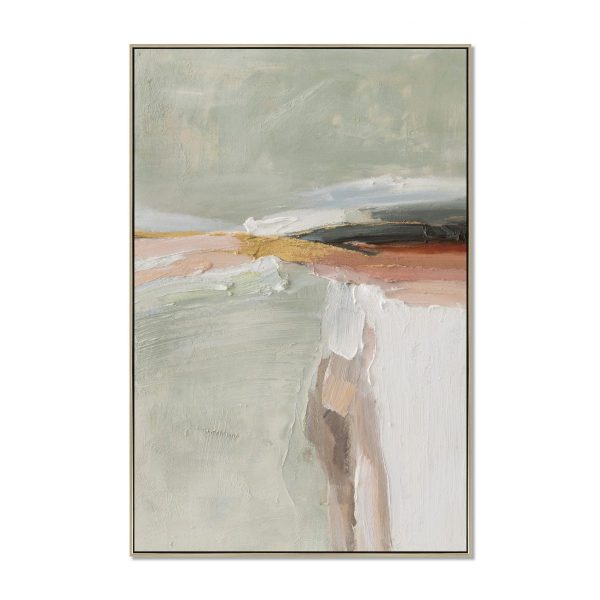
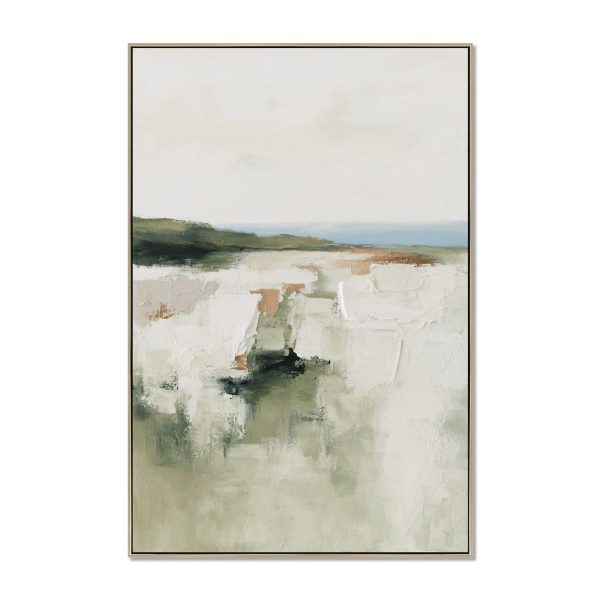
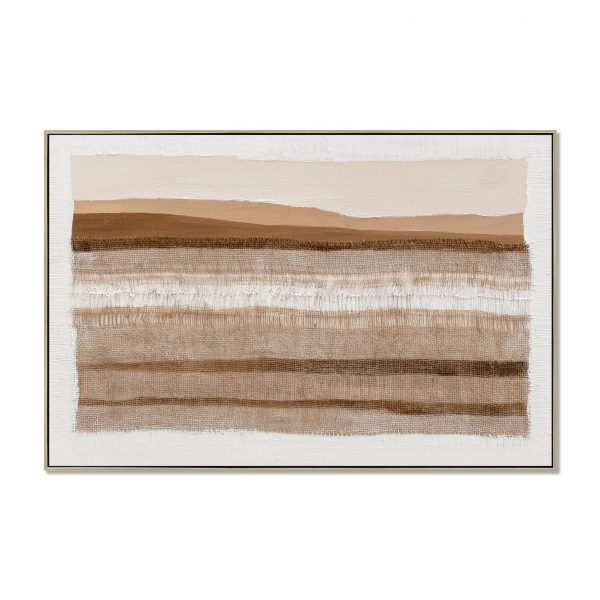


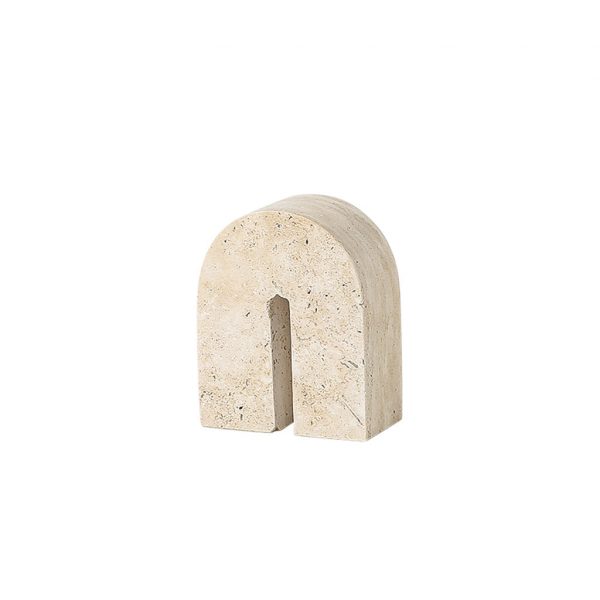
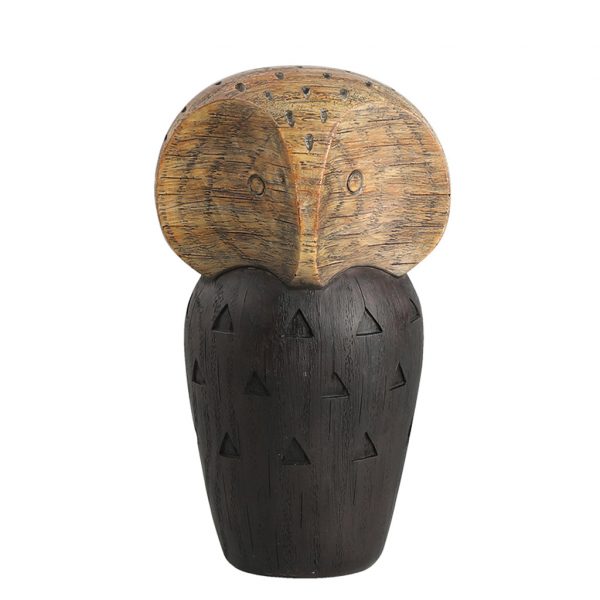
Choose the wall or surface before the object
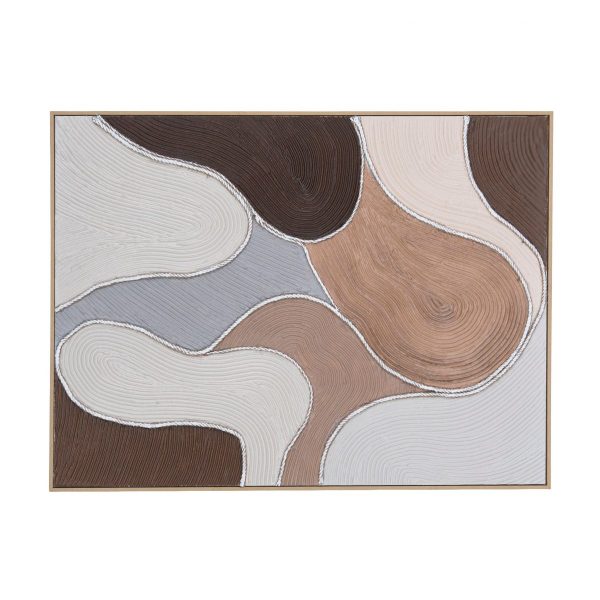
Measure the area where the piece will sit or hang, including its depth and the objects already there. A shelf needs an object that fits its usable space; a dining tabletop also needs room for meals. On a wall, compare the proposed piece with nearby furniture, switches and door movement.
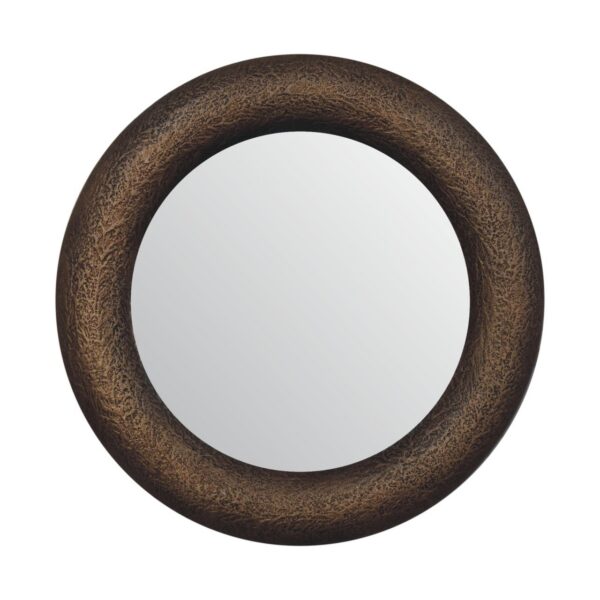
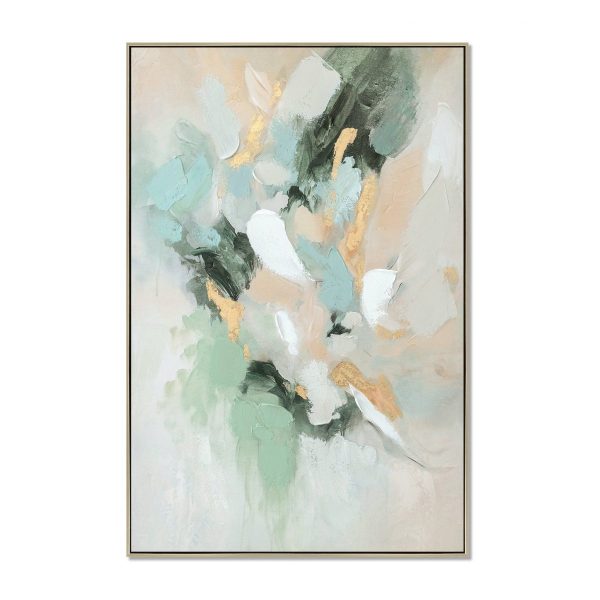
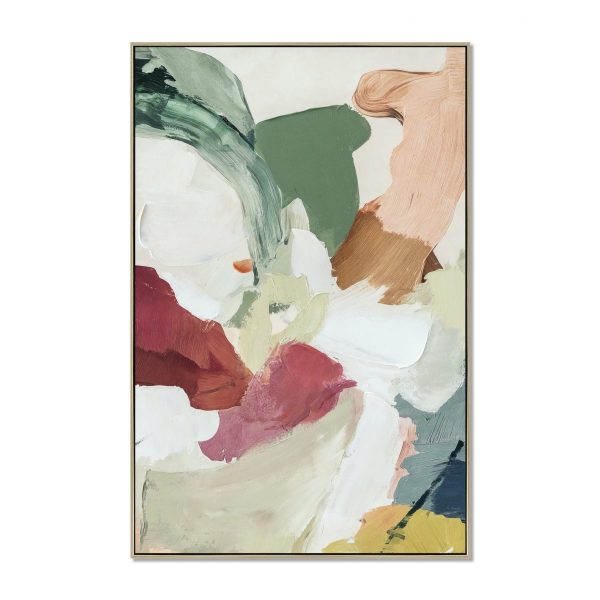
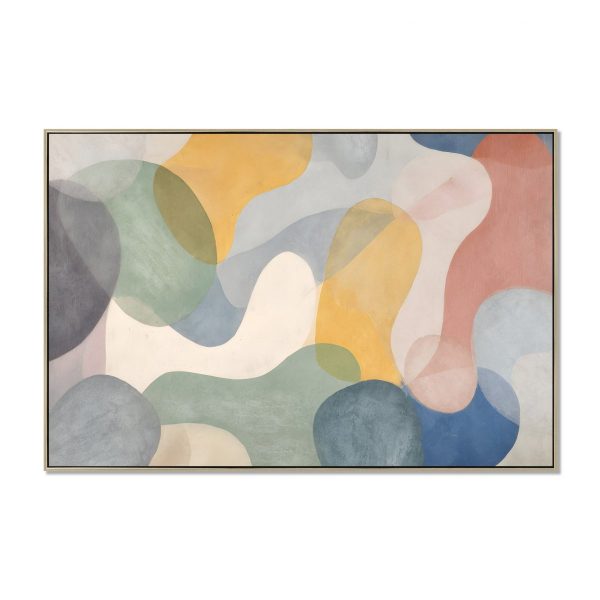
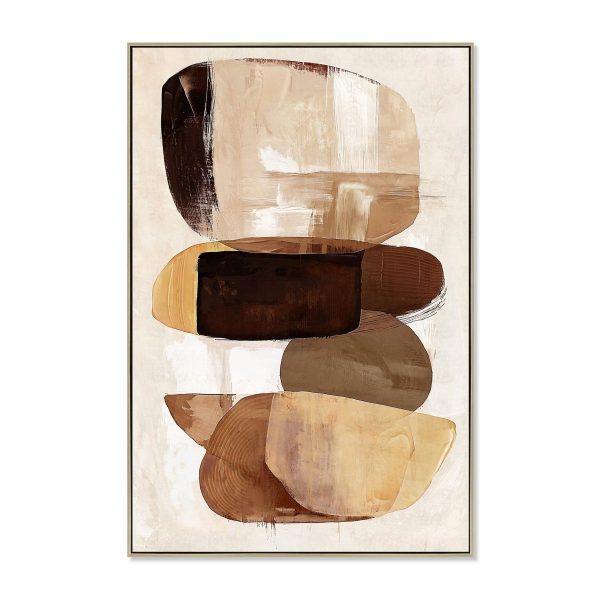
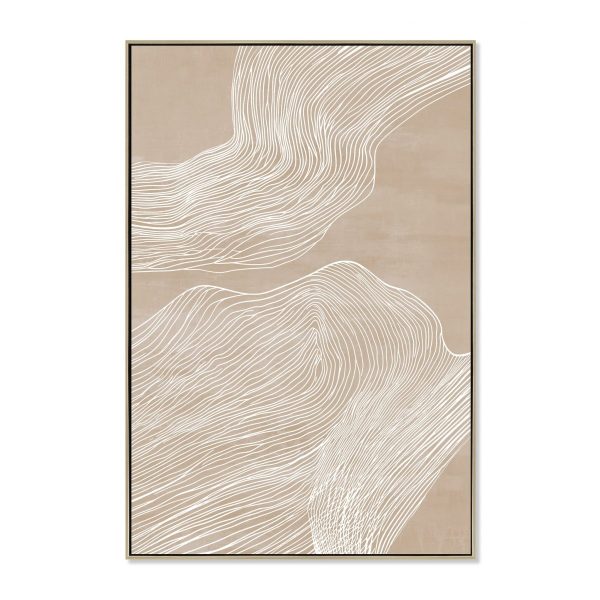
Use a paper outline to judge wall art or a mirror at the intended height. Check the actual frame dimensions and fixing information, then confirm suitability for that wall. Compare mirrors by the view they will reflect as well as their shape. A strong reflection or crowded surface can change how the room feels even when the object itself is attractive.
Give one piece a clear place to lead
Choose which object should draw the eye first. Its scale, colour or outline can lead, while smaller pieces support it. You do not need to fill every gap or follow a fixed number of accessories. Leave enough space to see the shape of each piece and to use the furniture beneath it.
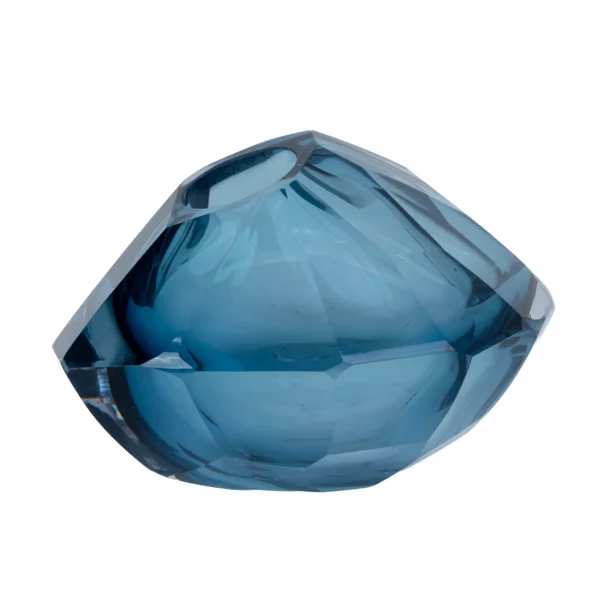
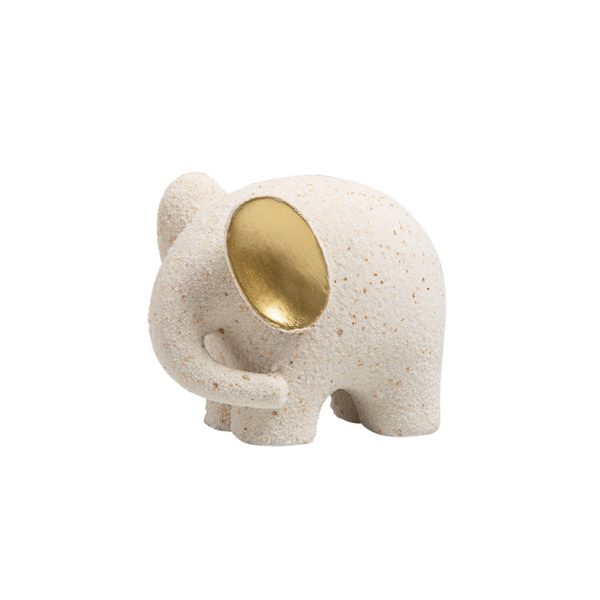
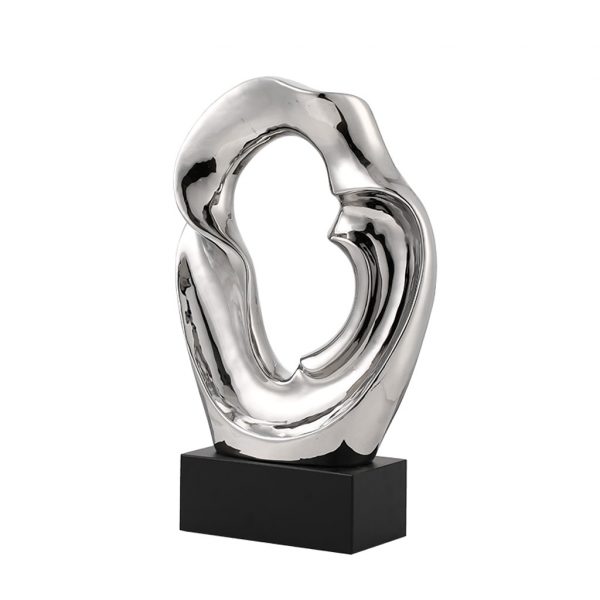
For a grouped display, compare heights and footprints together. A tall vase and a low bowl create a different arrangement from several equally sized objects. Relate one detail to the room, such as a frame colour or a timber tone, without making every finish identical. Use sculptures and decorative objects when a defined form is the missing focal point.
Check the use behind a decorative label
Decide whether the object is for display alone or will hold something. A vase intended for fresh stems needs stated water suitability; a bowl used for serving needs appropriate product information. The material name or a styled photograph does not establish either function. Check the particular item before planning those uses.
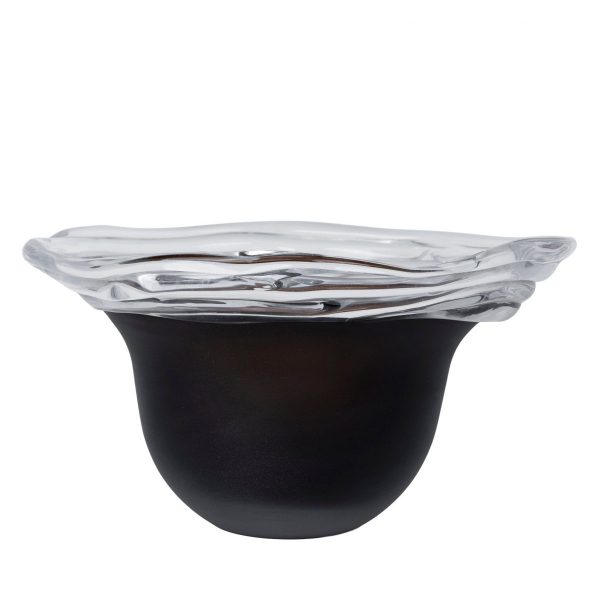
Compare openings, internal space and the underside where they affect daily handling. For a tray, its useful interior matters more than its outside dimensions when you are arranging objects inside it. Read the item’s cleaning guidance and protect surfaces in the way recommended for that piece. Browse decorative bowls and trays with the intended contents and position in mind, keeping display appeal and practical suitability together.
Frequently Asked Questions
Have the display position in mind? Browse the broader decorative accessories collection and compare each shortlisted object with that space.