
Decorative Bowls & Trays
Decorative bowls and trays can give small objects a clear place or provide a single focal shape on a table, shelf or console. Begin with the purpose: containing arrival items, grouping a few objects or appreciating the form on its own. A bowl and a shallow tray support those tasks differently.
Read moreRead less
Then compare usable size, base and material with the surface beneath. Decorative does not establish food-serving or water-holding use; read the actual item guidance for that. This guide helps keep the arrangement practical and considered. Browse any listed pieces with the intended contents in mind, or explore wider decorative accessories if another object better serves the display or daily organisation you want.
Showing 1–24 of 26 resultsSorted by recommended
-
Week’s PickOriginal price was: $136.00.$113.00Current price is: $113.00.
-
On SaleOriginal price was: $256.00.$225.00Current price is: $225.00.
-
On SaleOriginal price was: $223.00.$196.00Current price is: $196.00.
-
On SaleOriginal price was: $169.00.$149.00Current price is: $149.00.
-
On SaleOriginal price was: $229.00.$202.00Current price is: $202.00.
-
-
-
-
-
-
-
-
-
-
-
-
-
-
-
-
-
-
-

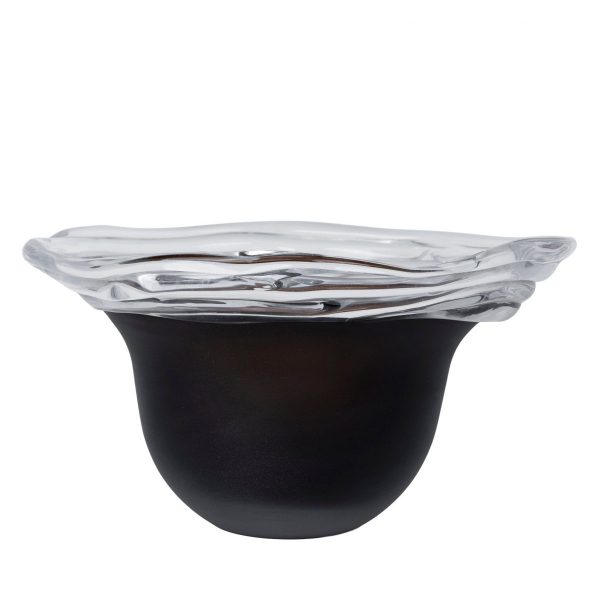


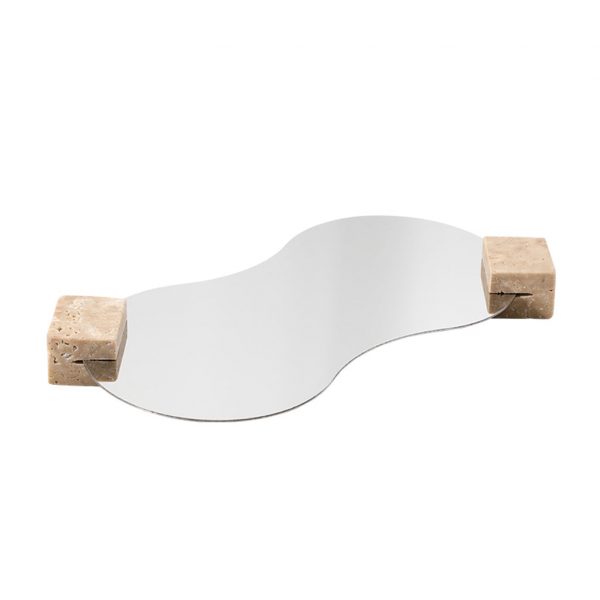
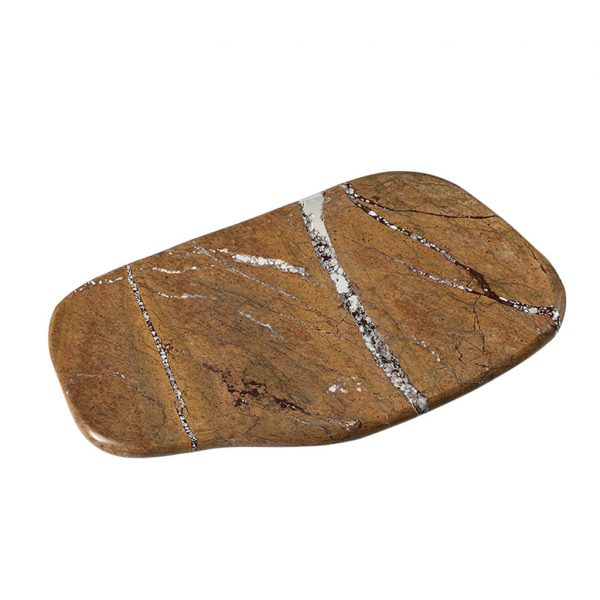
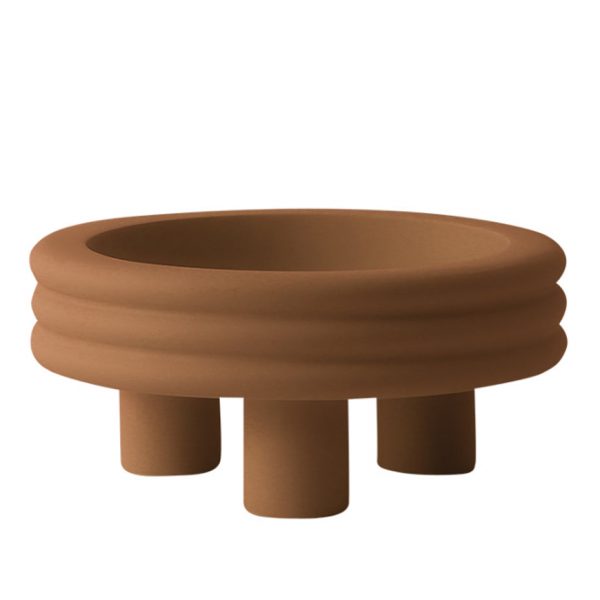
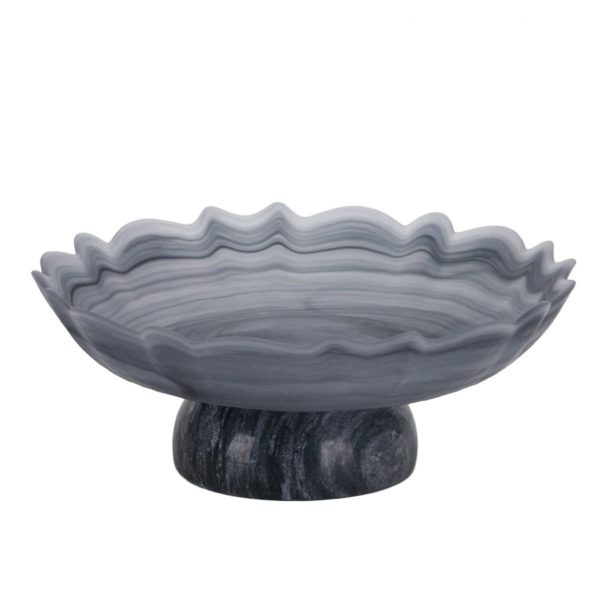


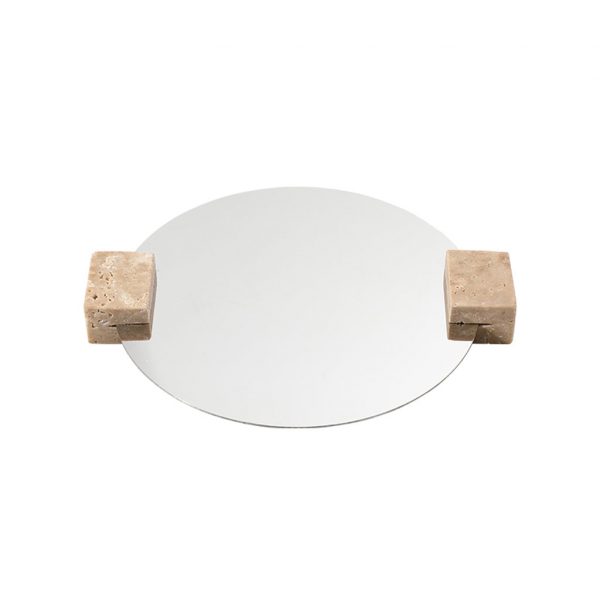
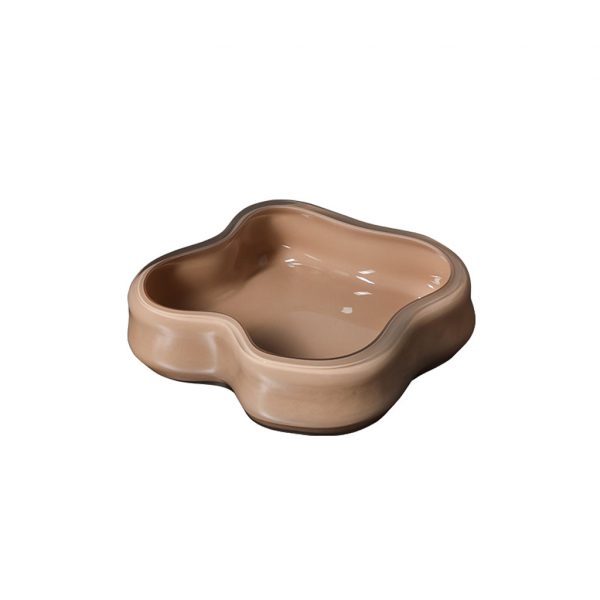
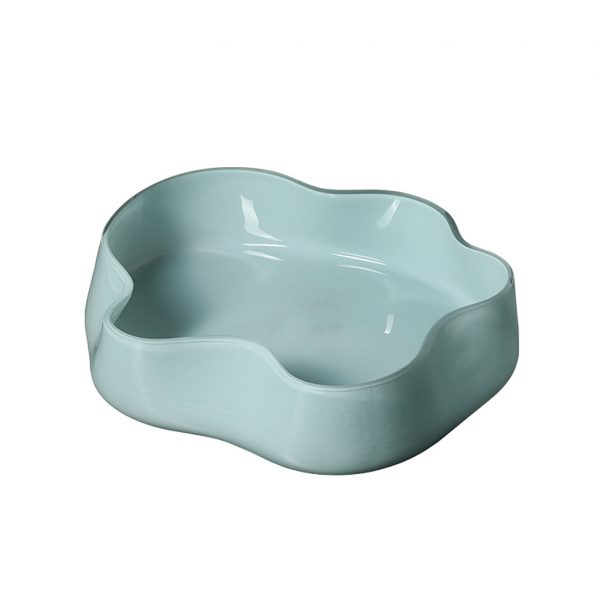
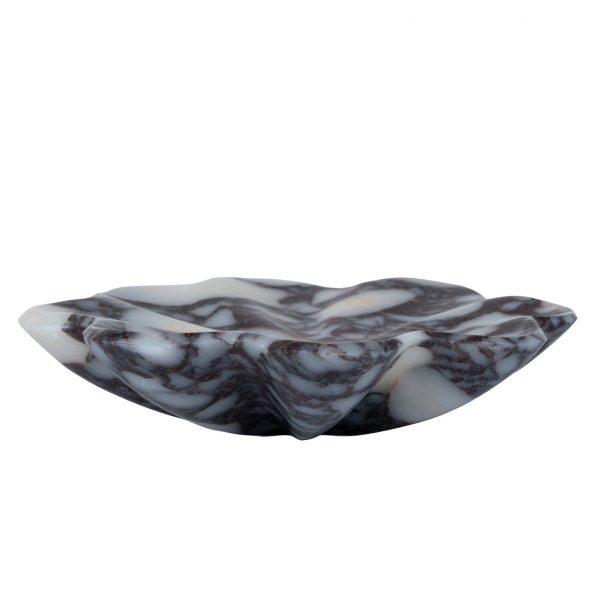
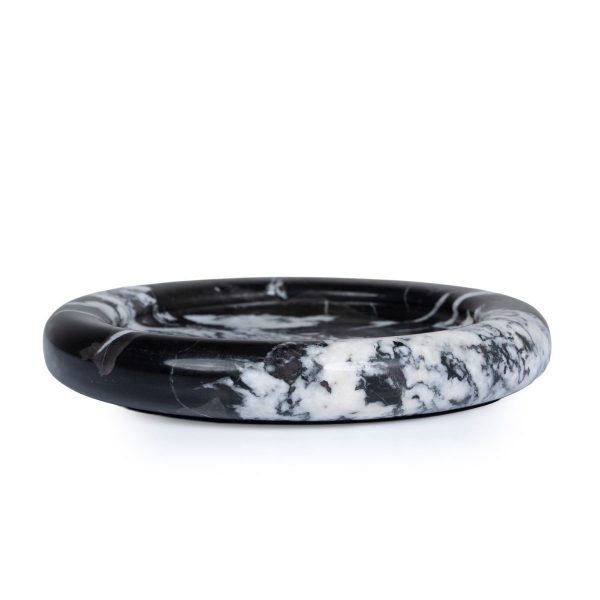
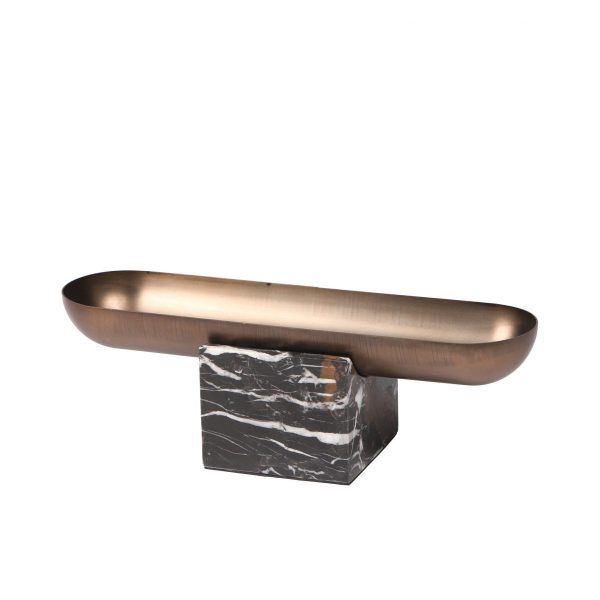


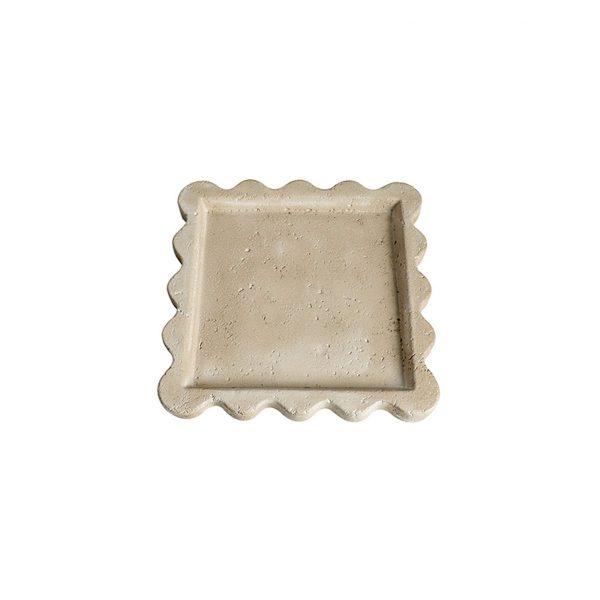
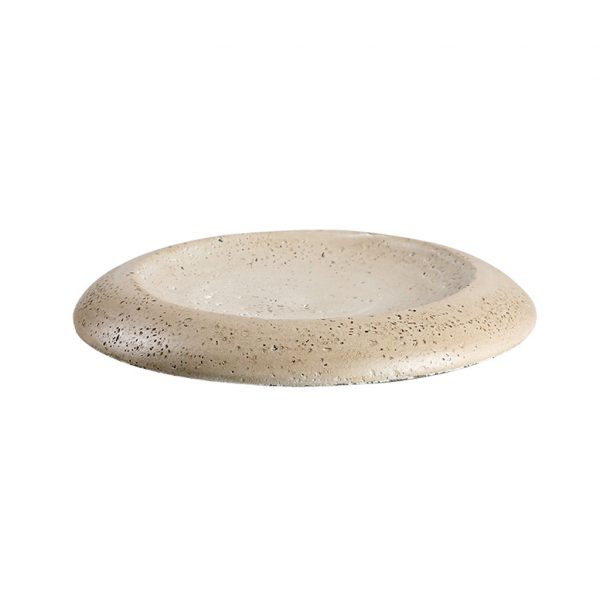
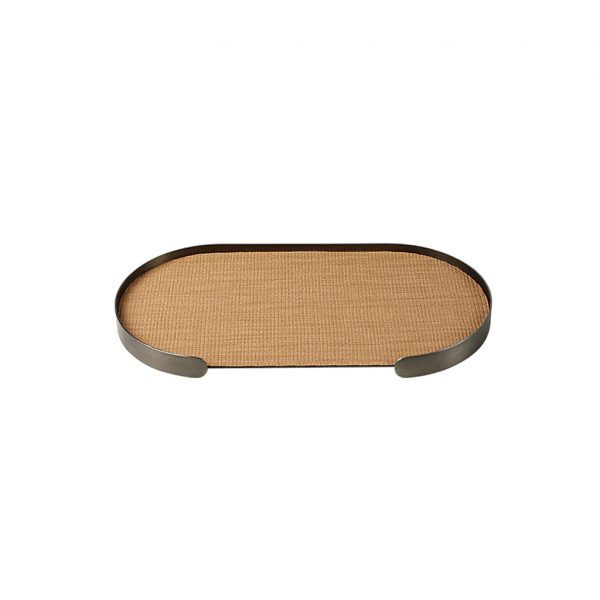
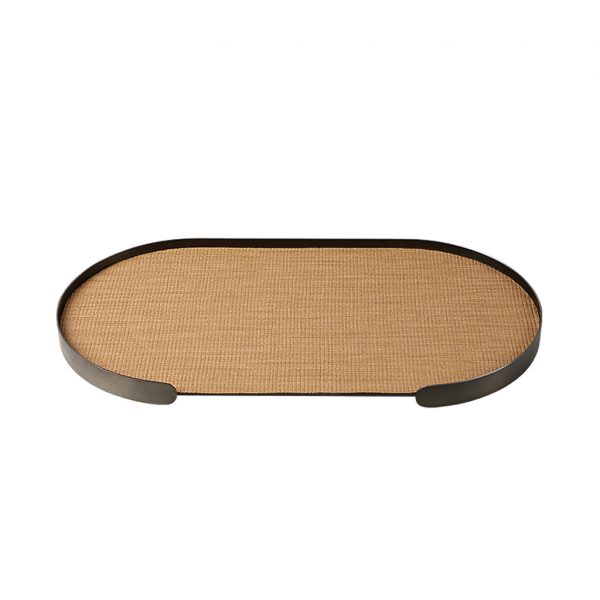
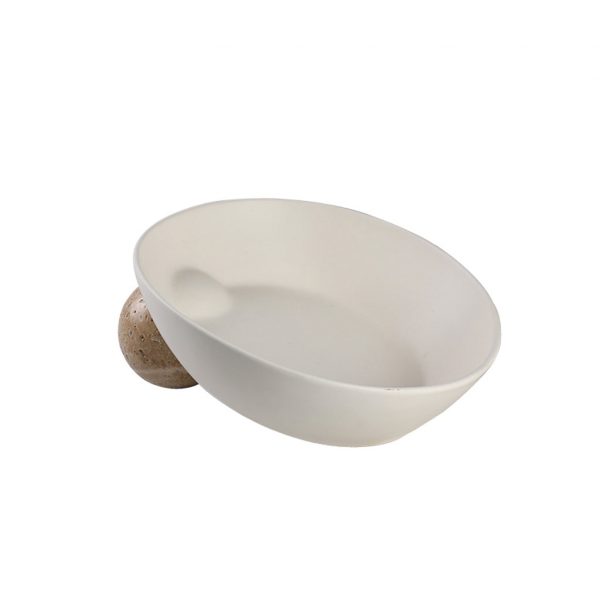
Choose bowl depth or tray space for the contents
List what belongs in the piece and how it will be retrieved. A deeper bowl can gather loose objects; a tray can leave an arrangement more visible and accessible. The actual rim, internal opening and base matter more than maximum outer width alone.
Test the contents within the stated usable shape where dimensions are available. A broad rim may reduce internal area, while a curved form can hold objects differently from a flat plane. Ask about missing measurements if a particular item must fit. The useful decorative piece should support the contents or stand deliberately empty, rather than be filled with unrelated belongings because another surface was available.
Give the object room on its supporting surface
Compare the bowl or tray with the console, dining table or shelf beneath it. Include its base and any protruding parts, leaving the daily surface usable around it. A focal object should not make a lamp switch difficult to reach or remove the clear landing place you need.
The console tables guide helps plan that broader surface. For material-led choices, explore ceramic decorative bowls or glass decorative bowls through their actual finish and form. Decide which piece leads the arrangement instead of adding several decorative objects with similar visual weight at the same point.
Read material and intended use before everyday handling
Confirm the actual composition, finish and any protection required beneath the base. A decorative label does not promise food contact, water tightness, dishwasher use or suitability beneath hot objects. Use the item only within its stated guidance.
Keep small-item organisation distinct from serving needs. If the intention is display, a carefully chosen empty form can be enough; if it is a catchall, make the contents easy to remove for care. Read handling and cleaning information for the real material.