
Glass Decorative Bowls
Glass decorative bowls can make contents or the surface beneath more visible, or give a different effect through tint and texture. Confirm the actual glass finish rather than treating every bowl as clear or transparent. The opening and base remain important whether the form holds suitable objects or stands alone.
Read moreRead less
Compare the bowl under the light at its intended position. Reflections may become part of the display, while a visible interior can make loose contents more prominent. This guide helps assess that relationship practically. Browse any listed pieces, or explore the wider decorative bowls and trays category if an opaque form or tray better serves your display and organisation purpose.
Showing the single result
-
On SaleOriginal price was: $256.00.$225.00Current price is: $225.00.
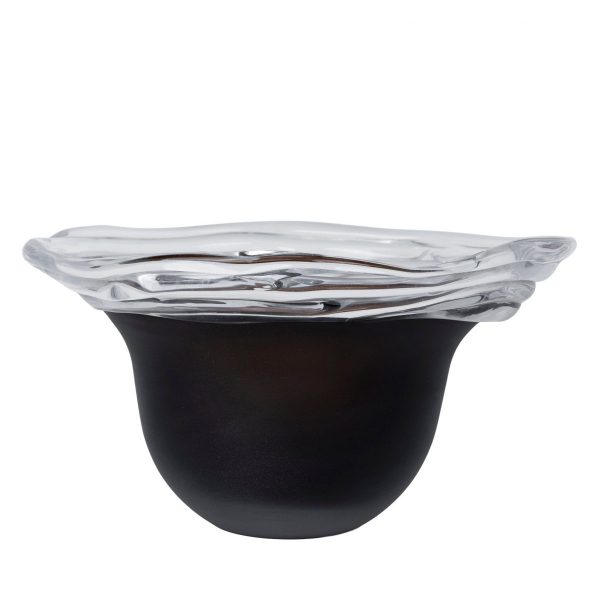

Choose transparency or tint for the actual arrangement
Read whether the glass is clear, coloured, textured or otherwise finished. Those descriptions affect what is seen through the bowl, but do not establish treatment, thickness or permitted use. Ask about material details central to the purchase rather than inferring them from one bright photograph.
Compare the interior with the objects you plan to place there. A transparent bowl reveals another view of contents, while tint can alter their visible colour. If concealment or a stronger solid form is preferred, review ceramic decorative bowls through their actual surfaces. Choose what the glass should reveal instead of assuming transparency always makes an arrangement calmer.
Use light without losing practical surface space
Look at reflections from the doorway and from the position where the bowl is reached. A lamp or window can make the glass more prominent, but the supporting surface still needs its own daily task. Check full outer dimensions and base rather than a close-up impression.
The console tables guide helps plan placement alongside a lamp or arrival items. Keep the opening easy to access if contents are used regularly, and avoid balancing the bowl near an edge to gain room. A clear-looking object occupies real top space even when furniture remains visible through it, so visual lightness should not replace footprint and reach checks.
Read glass use and care before handling contents
Confirm intended food contact, water or washing where those functions are needed. Decorative glass does not automatically establish serving suitability, heat tolerance or dishwasher use. Follow the item’s treatment and care guidance instead of applying one assumed method to every glass bowl.
Check the base and the furniture finish beneath it, with protection where instructed. Keep contents removable so the interior remains accessible for care. If the object itself is the focus, an empty bowl may show the glass more clearly than one filled with unrelated pieces. Explore decorative accessories for other accents if the practical opening or reflection does not serve the arrangement you want.