
Bookcases & Shelving
Bookcases and shelving should start with what you want to keep, not only with the empty wall. A collection of books needs different spacing and support from a few display objects, while mixed storage has to accommodate both. List the tall books, everyday items and pieces you want visible, then compare usable shelf dimensions. The outside height of a unit does not tell you how well its shelves serve those contents.
Read moreRead less
Use this collection to plan storage that belongs in the room as well as holding its contents. Consider the wall composition, access and the selected item’s installation instructions. Shelving units help focus on shelf arrangements; timber bookcases offer a material direction. Ask benssur about missing shelf or load details before selecting a unit.
Showing all 14 resultsSorted by recommended
-
-
On SaleOriginal price was: $912.00.$803.00Current price is: $803.00.
-
-
On SaleOriginal price was: $312.00.$296.00Current price is: $296.00.
-
On SaleOriginal price was: $2,199.00.$2,089.00Current price is: $2,089.00.
-
-
-
-
-
-
-
-
-
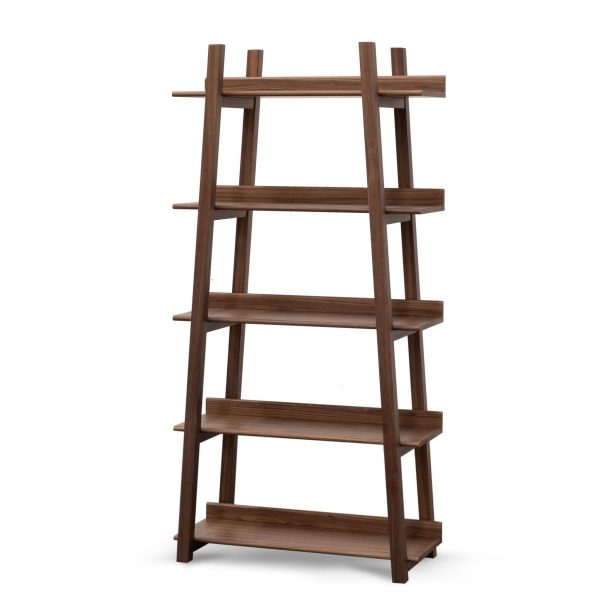


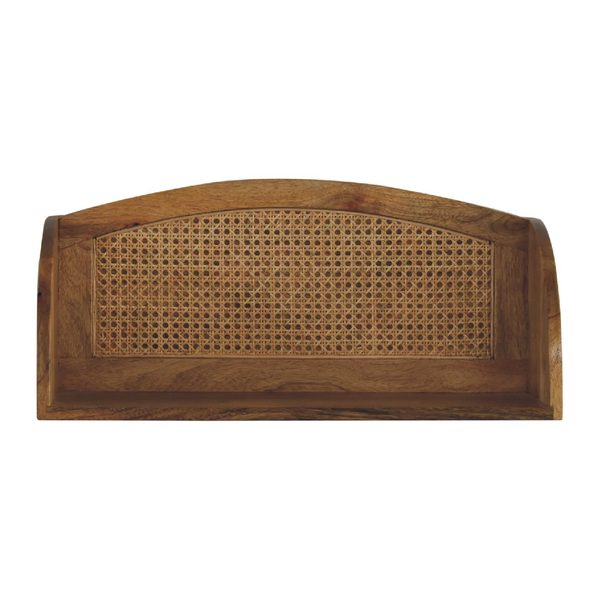
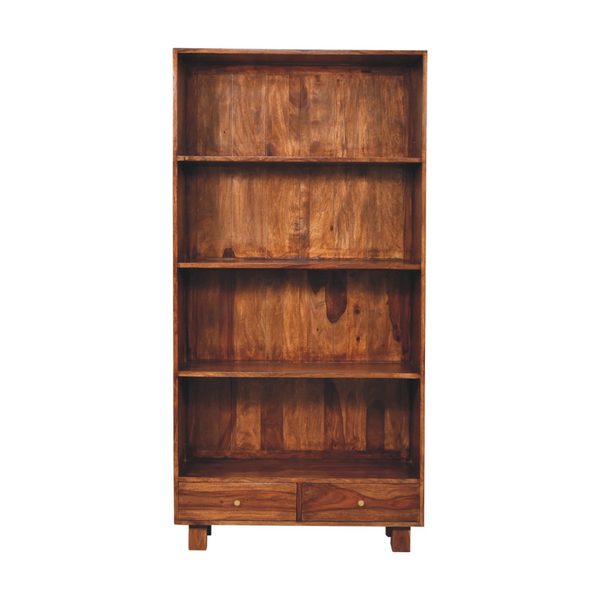
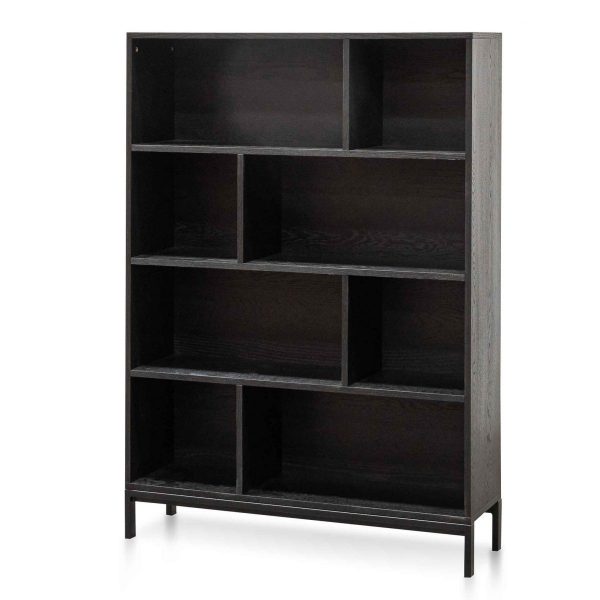
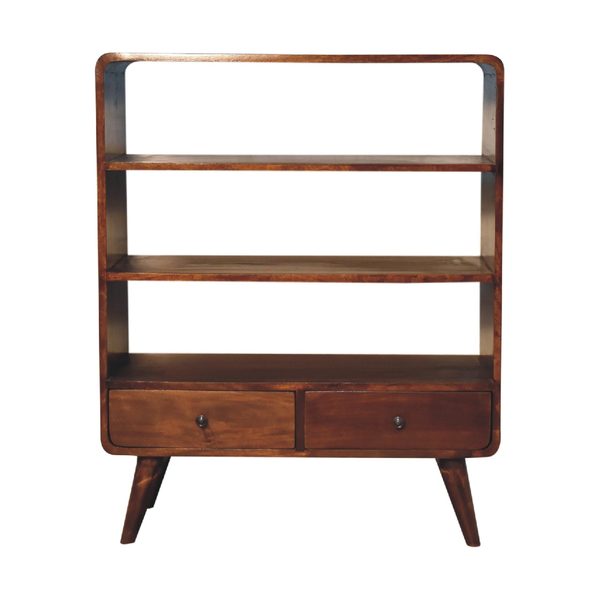
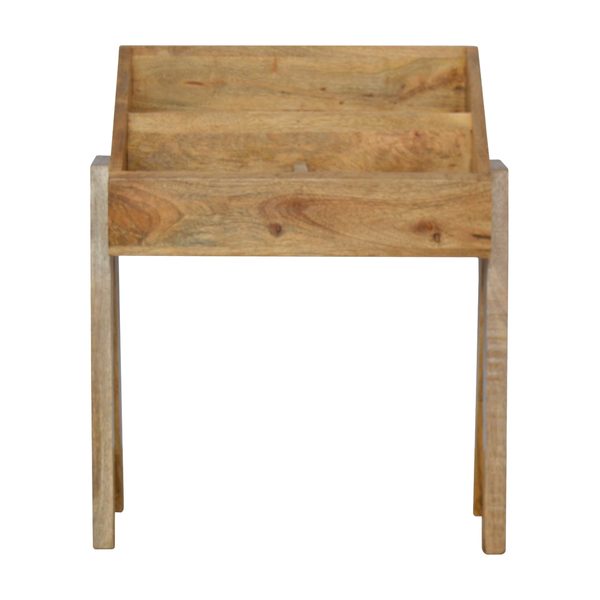
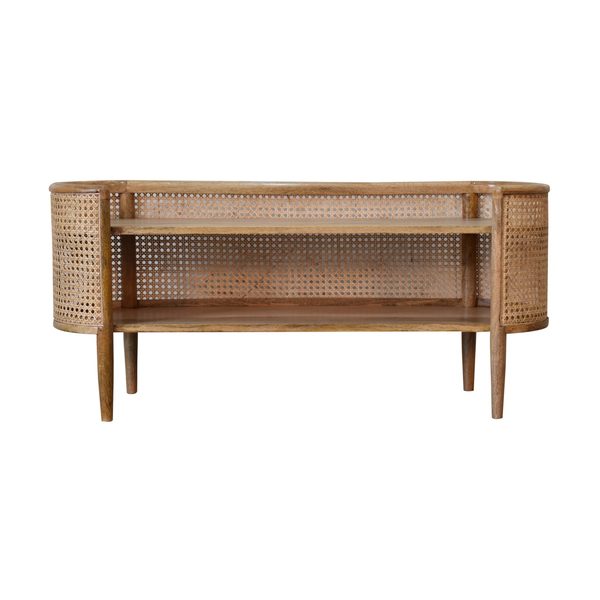

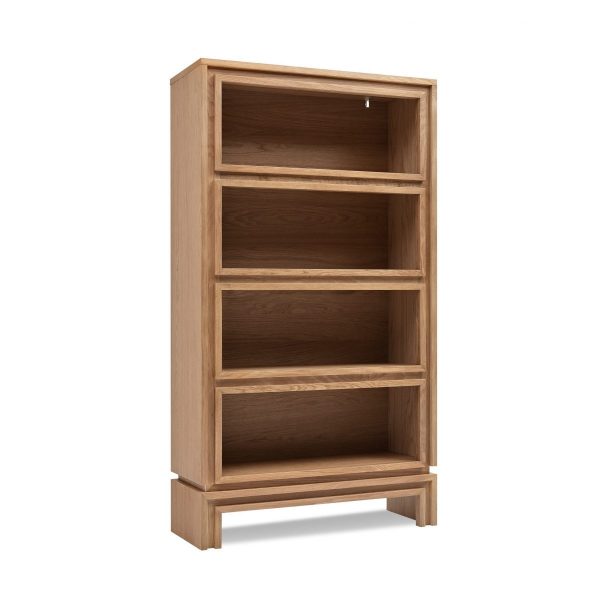
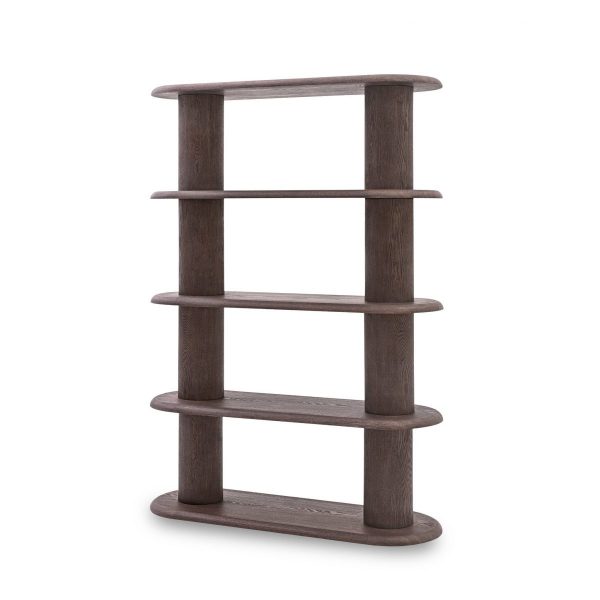

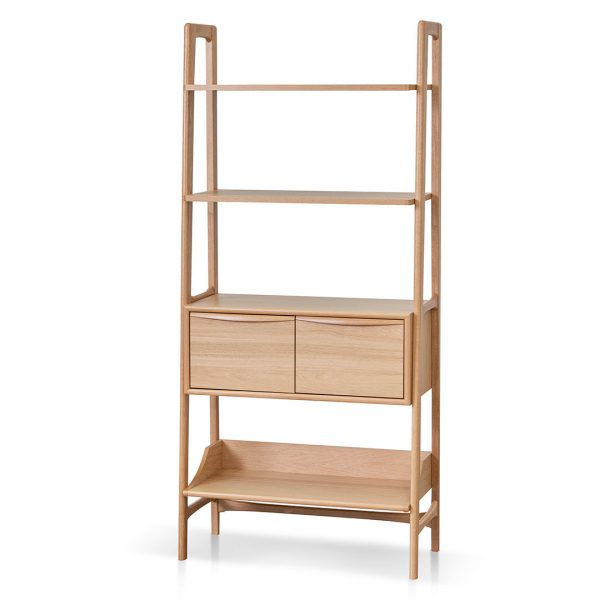
Fit shelves to books and objects rather than a general height label
Measure the items that are hardest to accommodate: tall books, large folders or display objects with a wide base. Compare them with clear shelf height and usable depth, including any backing or front edge. Read whether shelf positions are fixed or adjustable for the specific design. Do not infer flexibility from an empty product image.
Consider how you reach the contents. Everyday books belong within convenient access for the user; less frequently handled display pieces can take a different position. Read stated shelf loads and how weight should be distributed. A full row of books is a different use from a few light objects, so the specification must support your plan.
Choose the storage shape through the wall and walking route
Mark the unit’s full width, height and depth on the room plan. Include skirting, sockets and any projections that affect placement. Depth matters along a walking route, while height changes the relationship to windows, doors and nearby furniture. Look at the storage from the position where you normally sit as well as from the doorway.
A broad low arrangement and a taller vertical one use wall space differently. Compare shortlisted designs with the actual contents and the position where you will reach them, including space above tall objects and the view of the loaded shelves. Storage furniture is a wider starting point when some contents should be hidden instead of displayed. Keep room access and the appearance of the loaded unit in view together.
Plan a stable, maintainable display with the right installation
Follow the selected unit’s assembly and installation guidance, including any wall attachment requirements. Check whether fixings are supplied and whether the instructions specify suitability for the wall type. Do not omit a required installation step to keep a wall clear. The shelf arrangement should be chosen within those requirements.
For the visible finish, compare oak veneer bookcases and timber shelving units through their actual construction and care. Leave some access for removing books and cleaning shelf surfaces rather than packing every space tightly. Bookends can be a useful separate comparison where the shelf and books need support, but they do not replace a unit’s stated loading or installation guidance.