
Timber Shelving Units
Timber shelving units are a construction choice alongside a practical storage layout. Read frame, shelves and any backing separately, because visible wood on one surface does not identify every supporting part. Solid timber, veneer and mixed materials should remain distinct where the specification describes them.
Read moreRead less
Then compare actual useful gaps, depth and loading with the contents you want to reach. Grain and finish can connect the room after the layout works. Natural timber shelving focuses on visible character, while mango wood units narrow the species. For construction, compare how the shelves meet the supporting frame and which wood edges remain exposed during use. The surface under the contents and the upright supports have different roles. Keep their actual descriptions and finish care alongside the usable gaps and securing requirements.
Showing all 8 resultsSorted by recommended
-
On SaleOriginal price was: $1,072.00.$1,018.00Current price is: $1,018.00.
-
-
-
-
-
-
-
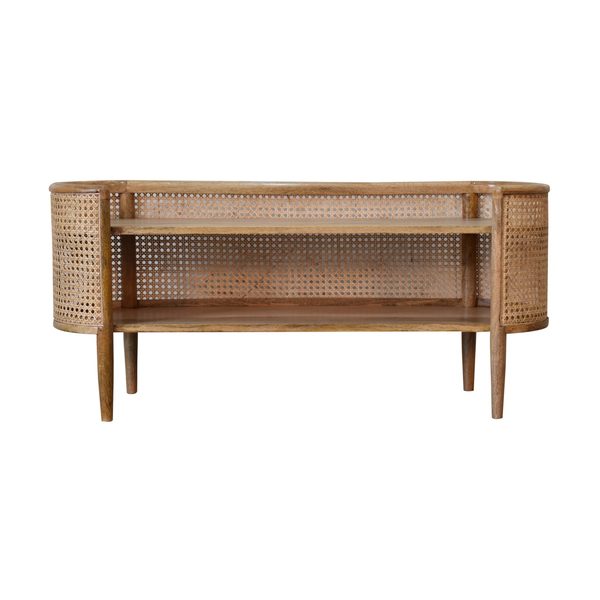


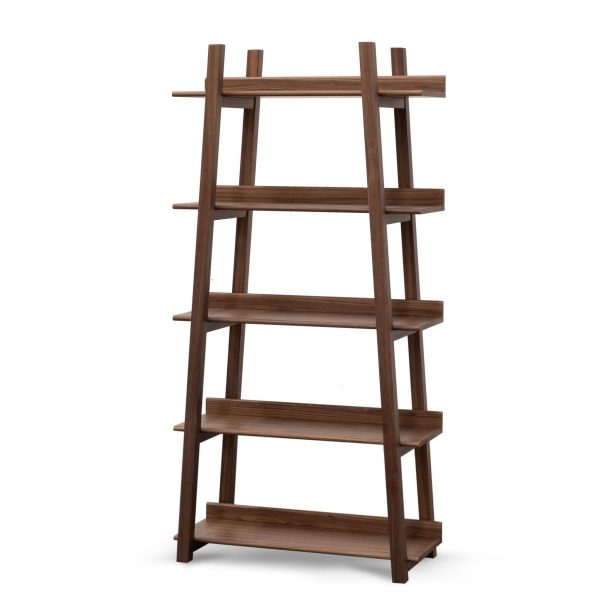
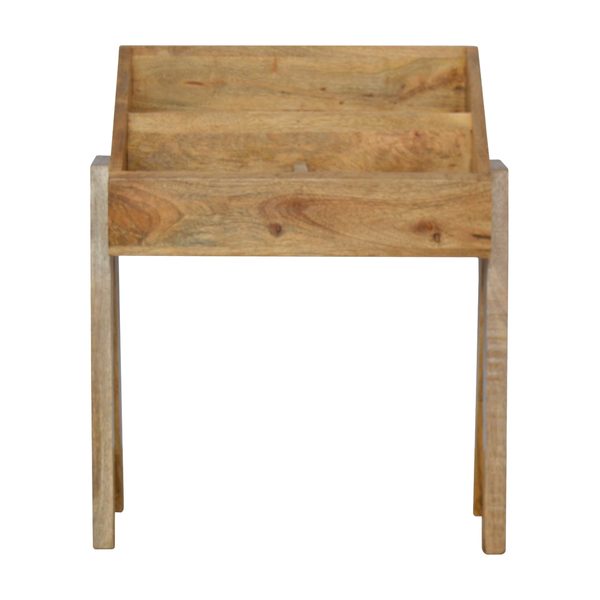
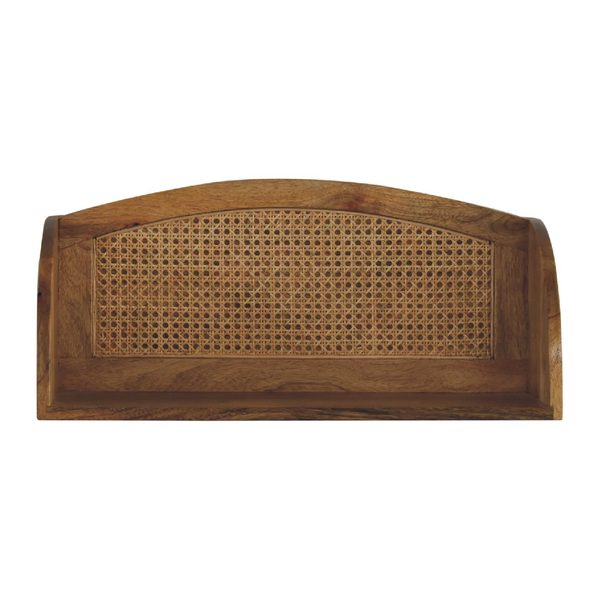

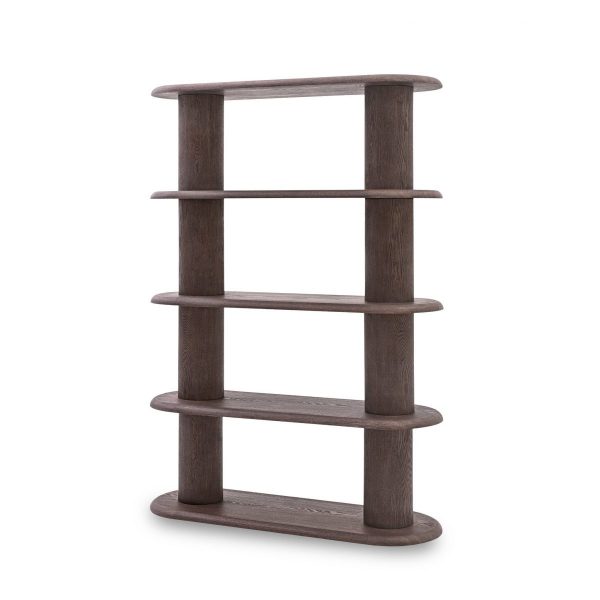

Which timber parts form the unit you are comparing?
Read actual shelf surfaces, supports, frame and backing. Keep any stated veneer or solid wood distinction accurate instead of turning grain into an all-solid-timber claim. Available edges or underside views can help clarify the description.
Ask about missing detail that affects your brief. Wood alone does not establish loading, origin or whether shelves move. Those facts need the selected design’s guidance. Oak veneer units provide a specific surface-layer comparison where relevant. Compare the named shelf and frame materials together with the way they connect in the actual design. Check the edge finish where books and boxes will pass, and identify any separate backing material in the written details.
Does the real layout fit the contents and daily reach?
Measure books, boxes and display objects, allowing room to remove and return them. Compare usable width, depth and height with those groups, including any divisions created by supports. Outside dimensions and shelf count are only starting points.
Read adjustment and loading information instead of inferring either from timber. Shelving units provide the broader organisation comparison, while bookshelf decor keeps active reading access practical. A substantial wood form can still have awkward gaps. Check the usable gap between supports with the largest items you want there. If the shelves are fixed, plan those groups around the stated levels; if adjustment is allowed, compare the permitted positions before arranging display pieces.
Which finish care and room conditions need checking?
Follow the actual coating’s care rather than choose oil or a cleaner from timber alone. Moisture changes can make wood expand or shrink, so placement and routine care should suit the construction and finish. Keep stored contents and the furniture’s ordinary conditions in mind.
Mark full base and retrieval access near other furniture, then follow assembly and securing requirements. If heavier items are central, use actual loading guidance rather than an appearance-based strength judgement. Shelf decor refines the visible arrangement after support is settled. Leave the access needed to clean exposed edges and supports with the unit filled. For any object moved across a shelf regularly, follow the coating’s protection guidance and keep handling space around its usual position.
Frequently Asked Questions
The bookcase and shelving guide helps plan the timber unit within the wider room’s storage task.