
Shelving Units
Shelving units should make the contents easy to store, find and reach. Start with the real groups: books, boxes, display objects or another clearly defined set. Their dimensions and frequency of use tell you more than shelf count or the outside outline.
Read moreRead less
Read the actual layout and any backing or closed components, then compare usable gaps and support with those contents. Give each level a useful job before arranging the visible objects. The bookcase and shelving guide offers a broader furniture comparison, while bookshelf decor keeps book access practical within a display. Choose a unit whose actual compartments and installation fit the room before finish and arrangement complete the visible storage.
Showing all 8 resultsSorted by recommended
-
On SaleOriginal price was: $1,072.00.$1,018.00Current price is: $1,018.00.
-
-
-
-
-
-
-
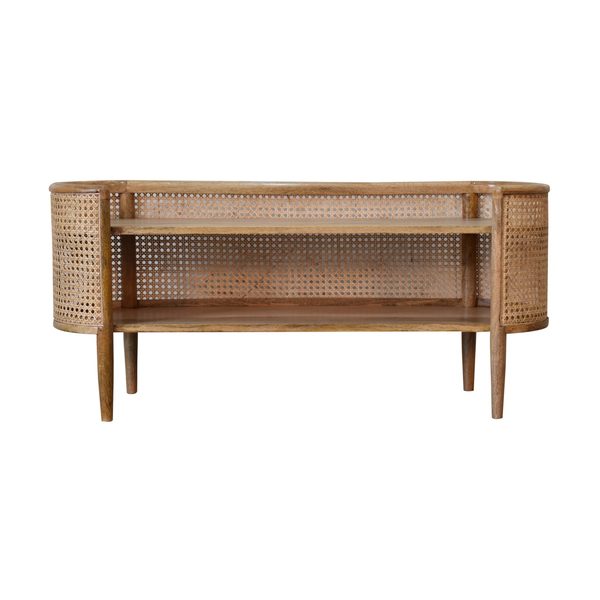


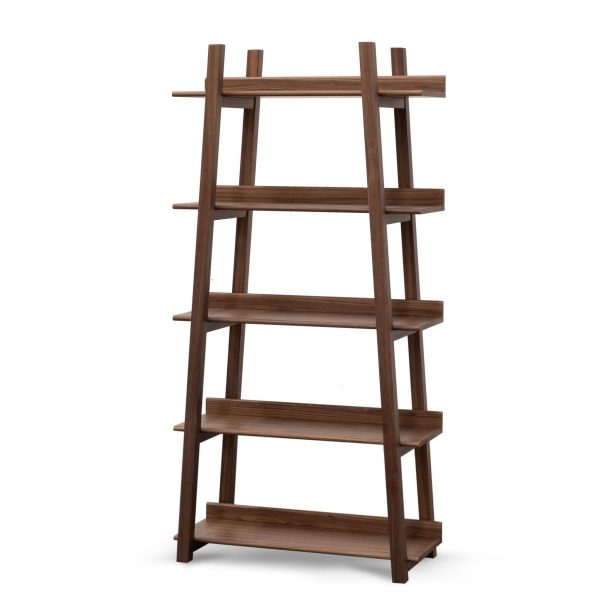
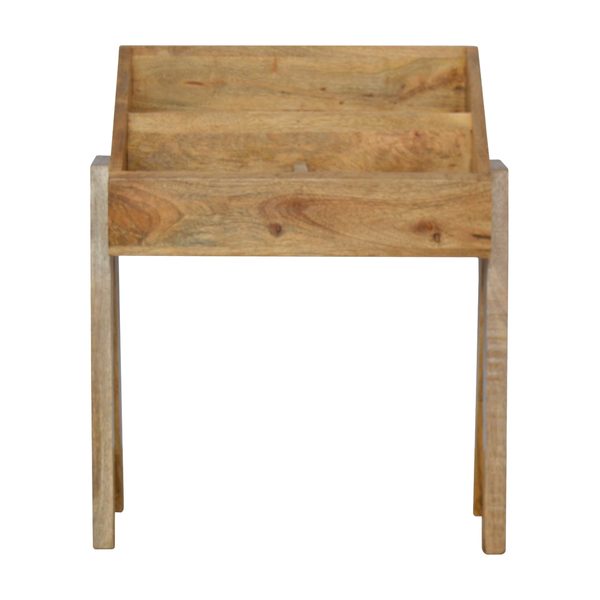
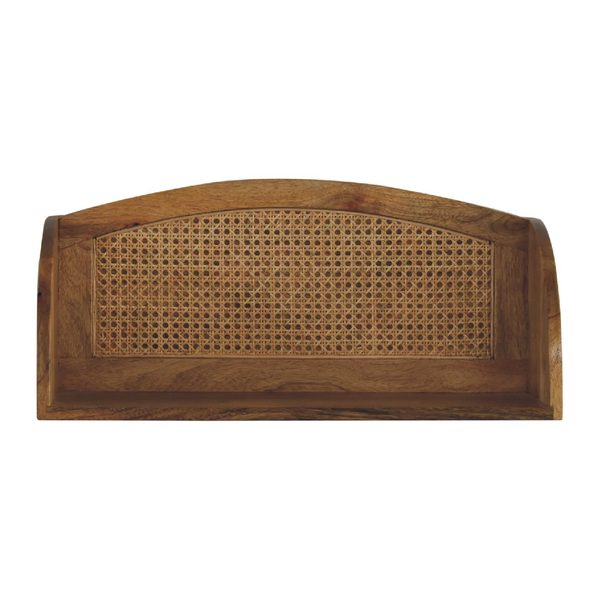

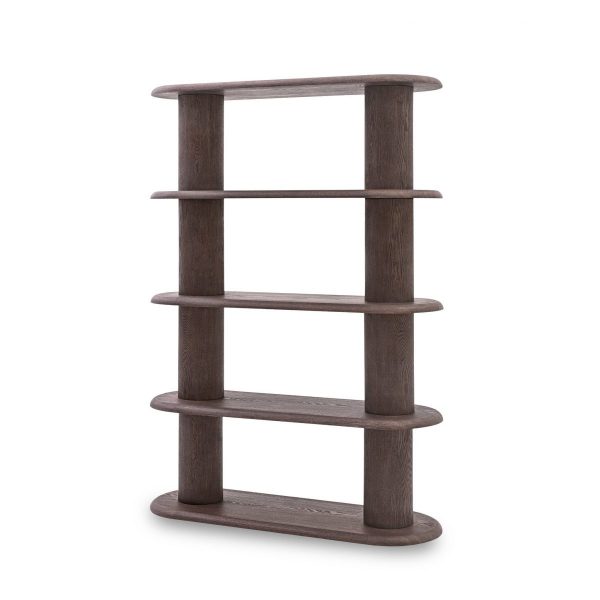

Which groups need different shelf gaps?
Measure taller items, grouped widths and actual depth, leaving room to remove and return them. A compartment that just contains an object may still be inconvenient to use. Fixed supports or divisions can reduce useful space within the outer size.
Separate frequently reached groups from occasional ones so the layout supports the routine. Do not assume shelf adjustment or supplied organisers unless stated. Office storage focuses on work materials if that is the main task; other contents can need different gaps. Keep the groups used together near one another, with the most frequent items in the easiest reaching position. A taller object may need one clear gap, while smaller items can share a level if each remains easy to retrieve.
How should visible contents relate to the room?
Decide whether the shelves are primarily storage, display or a real combination of both. Books and everyday boxes should remain accessible even where objects provide a focal detail. A display that requires repeated rearranging may not support ordinary use.
Compare the full unit and its contents from the main room view. Colour, texture and backing can change how strongly the furniture frames the groups. Black shelving provides a defined outline, while natural timber shelving focuses on grain. Keep useful dimensions fixed when choosing that appearance so the visible arrangement rests on a layout that already works.
What loading and installation does the unit require?
Read the actual use, loading and assembly guidance for the unit and shelves. Outside width or a substantial-looking frame cannot establish capacity. Verify any wall securing or other intended setup instead of inferring a freestanding method from a photograph.
Mark full base and retrieval space around nearby furniture. Include the practical reach to contents, following intended use rather than treating shelves as a step. Shelf decor helps refine grouped objects after support is settled. Test the retrieval position with nearby furniture left in place. Keep enough space to remove the largest regular item and return it easily, then arrange the remaining visible objects around that daily routine.
Frequently Asked Questions
Compare timber shelving units when the next choice is the wood construction beneath the stored arrangement.