
Mango Wood Shelving Units
Mango wood shelving units are a specific timber choice within practical storage and display. Confirm where the named wood is used on shelves, frame or another component, keeping solid timber and mixed construction accurate. A wood-coloured surface cannot establish mango wood by itself.
Read moreRead less
Then compare usable gaps and depth with the contents you want to reach. Material character should not replace loading or installation information. Timber shelving units help with broader construction choices. Mango wood can show varied grain and colour beneath the selected coating, so compare the visible pattern across shelves, sides and any backing. Some areas will be covered by contents, while the exposed edges may carry most of the wood character in the finished arrangement.
Showing all 3 resultsSorted by recommended
-
On SaleOriginal price was: $312.00.$296.00Current price is: $296.00.
-
-
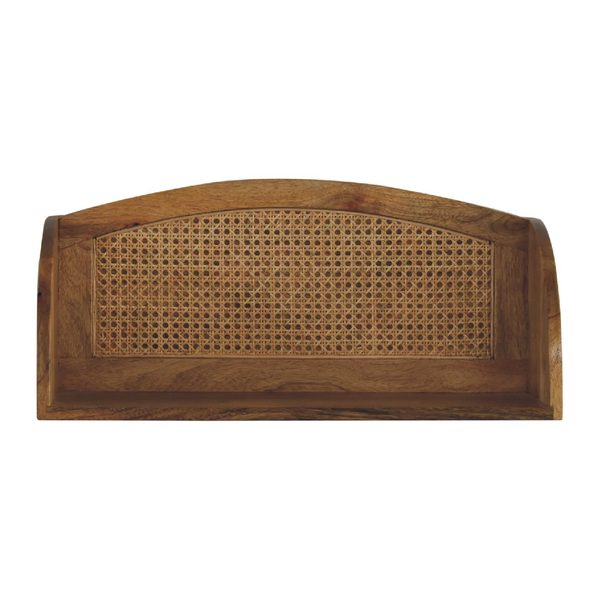

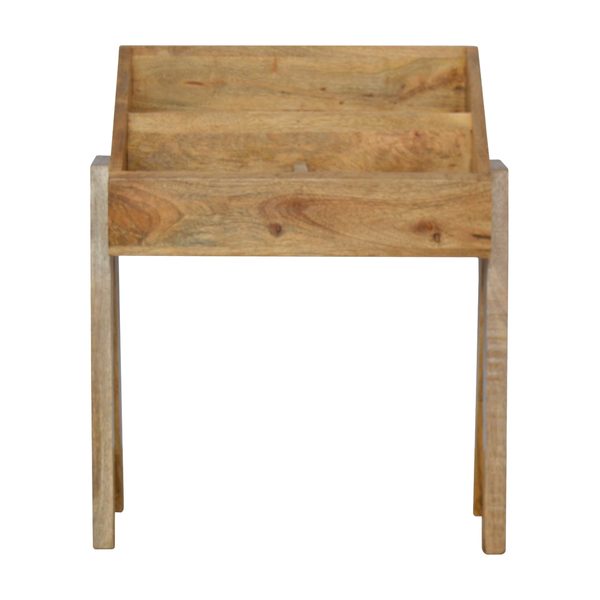
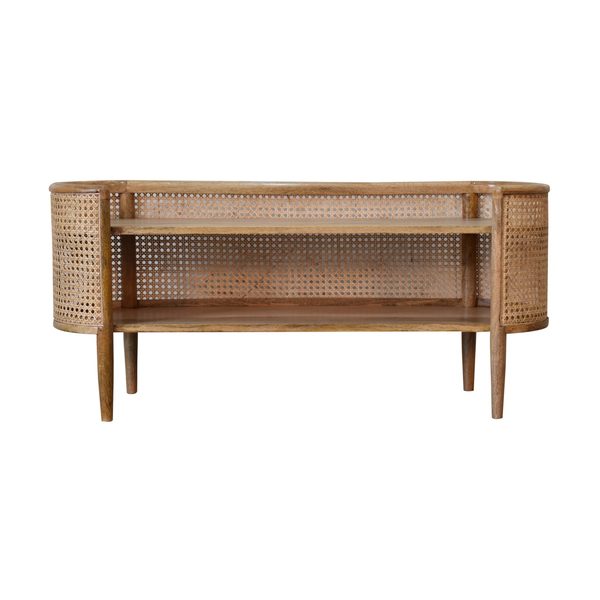
Which components are described as mango wood?
Read shelves, frame and any backing separately. Keep veneer, solid timber or other construction distinctions accurate wherever the specification makes them. Ask about unclear detail when the species is central to your choice.
The wood name does not establish sourcing, origin or the unit’s load limits. Those need their own evidence and product guidance. Available underside or edge views can support the description without replacing it. Check which surfaces will touch the contents and which will remain in view. The named wood on a shelf, side or backing can contribute differently once books and boxes are arranged, so compare those parts separately with their finish instructions.
How does the finish belong with the visible contents?
Compare actual grain and coating with the floor, nearby furniture and books or objects on display. A shelving unit repeats material across several levels, so the whole form matters more than one close-up. Choose whether the wood should lead or remain a quieter frame.
Use the particular design’s finish and variation information instead of assuming one fixed mango wood colour. Natural timber shelving focuses on visible grain across choices; brown units offer a colour-led comparison. For mixed books and objects, compare the mango pattern in the open gaps between groups. A quieter grouping of contents can leave the wood more visible, while fuller shelves may show mainly the edges and sides.
Do the useful gaps and support fit your storage task?
Measure taller items and grouped widths, allowing practical room to handle them. Compare usable inside depth and divisions, not only outside dimensions or shelf count. Verify adjustment and loading guidance in the actual description.
Wood responds to moisture, so keep placement and care appropriate to the room and finish rather than treat visible grain as immunity to changing conditions. Follow assembly and securing instructions, marking full base and retrieval access. Bookcases and shelving provide the broader organisation view. Put the frequently used items within easy reach, then check how their arrangement leaves access for ordinary finish care. Keep any drink or plant contact on the protected surface the actual instructions permit.
Frequently Asked Questions
Use bookshelf decor for balancing visible objects with book access after the timber specification and support are clear.