
Brown Shelving Units
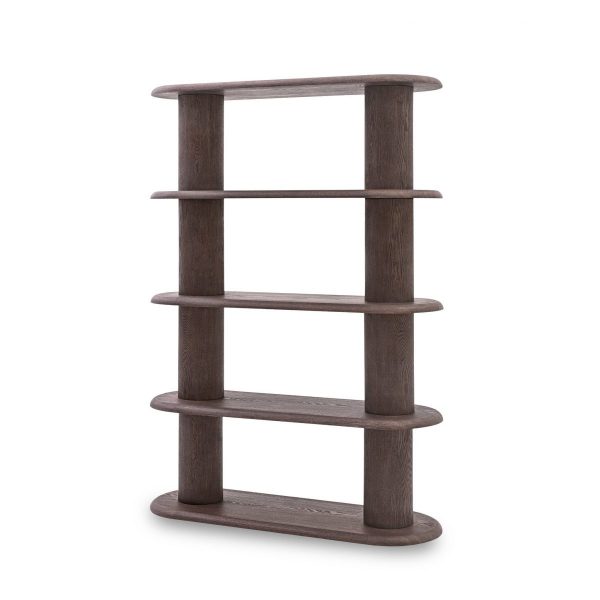
Brown shelving units can connect open storage with timber floors, earthy textiles or other warm room details. Compare the actual depth and undertone of brown, then identify where it appears on shelves, frame or another stated component. Colour should not become proof of wood construction.
Read moreRead less
The contents still determine useful gaps and access. Books, boxes and display objects can need different compartment dimensions, regardless of the warm finish around them. Bookcases and shelving cover the broader organisation choice. Decide whether brown should connect the shelving to the floor or give the wall a warmer detail. The visible shelf edges, sides and any backing can show different amounts of colour once the unit is filled. Compare those parts alongside the books and objects that will stay in view.
Showing the single result

Which warm room surface should the shelving relate to?
Compare the full unit against flooring, furniture and the wall behind it. Similar warmth can connect pieces without an exact match, while a clearer change in colour depth may separate the shelves from their background. Include the books or objects that will remain visible.
Look at shelf surfaces and frame as different amounts of colour. An open form and a broader panel contribute differently according to the actual design. Black shelving units offer another defined outline, while natural timber units focus on grain. If the unit sits beside another brown piece, choose one main connection such as warmth or colour depth. A deliberate difference elsewhere can help the shelving remain distinct while the visible contents add their own colours.
What material produces the brown finish?
Read frame, shelves and any backing individually. A brown surface may be timber or another stated construction, and each needs its own care. Do not infer solid wood, a species or natural variation from a colour description.
If a named timber is central, mango wood shelving units provide that narrower comparison. If only warmth matters, keep the actual material beside the colour. Follow finish guidance around stored objects and routine cleaning. Compare how the selected finish looks on horizontal shelves and upright sides. The surface beneath books needs its stated care, while the exposed edges may carry more of the brown colour once the unit is filled.
Do the actual compartments and installation serve your contents?
Measure book groups, boxes and display pieces, leaving room to remove and return them. Compare usable depth, width and height instead of outside size alone. Verify adjustable shelves and any loading limit only as stated.
Mark the full base and access around the unit, then follow assembly and securing requirements. Shelving units provide the wider open-storage comparison, while bookshelf decor keeps books usable within a display. Place the most-used groups within convenient reach and leave handling room around them. Then assess the amount of brown visible between those groups, so the warmer frame connects the stored contents with the room.
Frequently Asked Questions
Explore shelf decor after contents and support are clear, to refine the warm display composition.