
Natural Timber Shelving Units
Natural timber shelving units put visible wood character around books, objects and other stored groups. Compare the full unit with the floor and furniture, because repeated shelf surfaces can contribute more grain than a small accent. Decide whether that material should lead or support the contents.
Read moreRead less
Natural appearance does not establish raw wood, one species or solid timber throughout. Read actual components and finish, then compare useful gaps and loading with the task. Timber shelving units help compare the broader construction. For the visible grain, consider how much remains on show once the shelves are filled. Edges, upright sides and open gaps can connect the contents with nearby timber even when books cover much of each horizontal surface.
Showing all 2 resultsSorted by recommended
-
-
On SaleOriginal price was: $912.00.$803.00Current price is: $803.00.
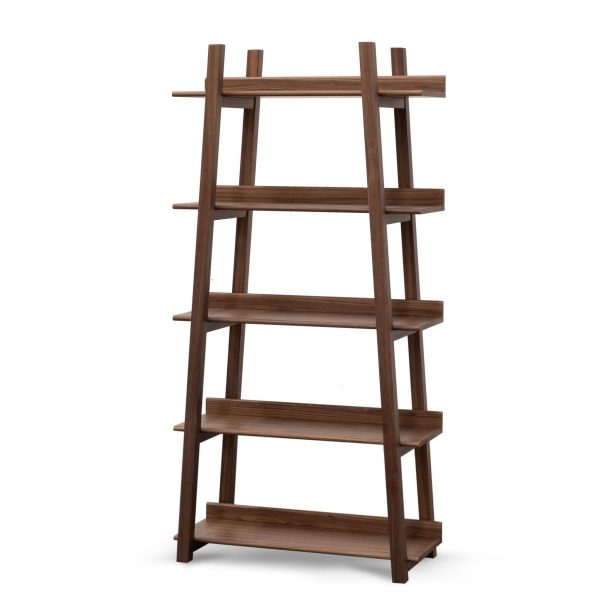


How much grain should frame the books and objects?
Assess the unit from the main approach and seating view, with the contents you plan to keep visible. A strong wood pattern may become a feature, while a quieter finish can give varied book spines more prominence. Compare several shelf levels as one form.
Look at the relationship with nearby timber rather than require an exact match. Shared warmth or a deliberate tone difference can both be useful. Brown shelving offers a warm-colour comparison across materials when grain is less important. If book spines bring several colours into view, compare a quieter grain or simpler grouping around them. Where display objects are fewer, a more visible timber pattern can become the main detail between the stored groups.
What construction and room care sit behind the natural appearance?
Read actual shelf, frame and backing materials, keeping veneer and solid timber distinctions accurate. Visible grain alone cannot identify every structural part or its loading. Check the applied finish before choosing cleaning or treatment.
Wood absorbs and releases moisture as humidity changes, expanding or shrinking with it. That makes actual placement and product care relevant, particularly around concentrated heat or moisture. Do not choose oil solely because the surface looks natural. Oak veneer shelving provides a named surface-layer comparison. Read the coating care for the horizontal surface as well as exposed edges and upright sides. Keep the cleaning and any treatment matched to those actual finishes, especially where objects are moved regularly across the shelves.
Can the visible wood unit be installed and reached usefully?
Measure contents against usable height, width and depth, leaving room to handle them. Check real divisions and any adjustment, then follow the unit’s stated loading guidance instead of inferring capacity from a wood frame.
Mark the full base and access around nearby furniture, including reaching upper levels according to intended use. Follow assembly and securing requirements before placement. Shelving units offer the broader storage-task comparison. Check the filled arrangement from the usual room view after retrieval and securing requirements are clear. Decide where grain should remain visible between groups, leaving enough handling space to take out and return everyday contents.
Frequently Asked Questions
Explore shelf decor to refine the display after the visible wood, support and everyday access are clear.