
Oak Veneer Shelving Units
Oak veneer shelving units combine a named timber surface with a storage structure that needs its own description. Veneer is a wood layer over a base material, so read where it appears and how supporting components are specified. It should not become a solid-oak-throughout claim.
Read moreRead less
Compare the actual finish with your room, then check useful shelf gaps and loading for the contents. Oak veneer does not guarantee one pale colour or a particular capacity. Timber shelving covers broader construction questions. Look at the grain direction across repeated levels and the finish on exposed edges. Books may cover much of each horizontal surface, leaving those edges and upright sides prominent. Compare the oak layer where you will actually see and touch it, alongside the supporting structure beneath.
Showing all 4 resultsSorted by recommended


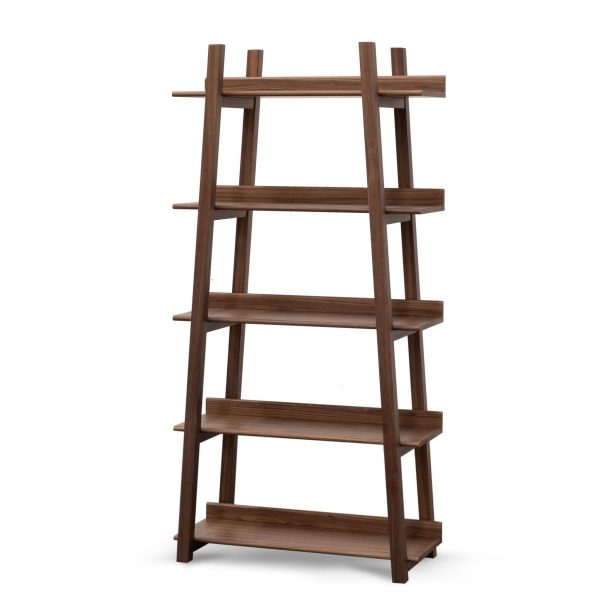
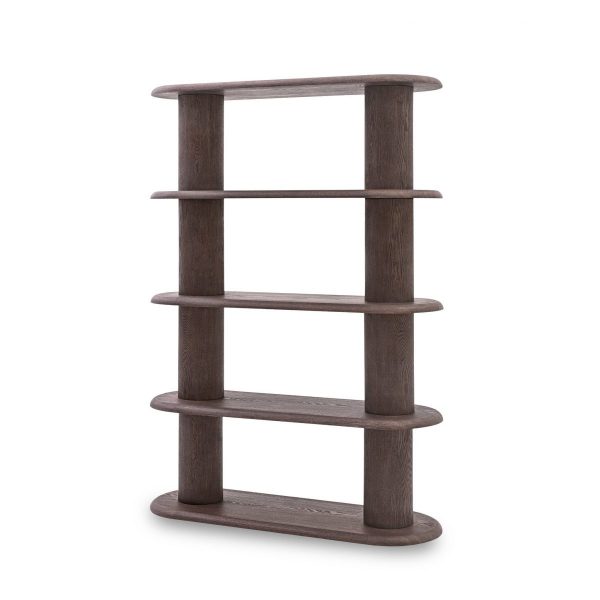

Which shelves or panels carry the oak veneer layer?
Read shelf surfaces, frame and any backing individually. The visible oak may sit alongside other stated materials, and the product specification should explain them. Available edge or underside views can support the written description without identifying the whole structure by themselves.
Ask about unclear base construction when it affects your brief. Veneer is a surface statement, not a load rating or an origin claim. Keep the selected unit’s actual use and installation guidance beside the material comparison. Identify the material beneath the veneer where the specification gives it, then compare the edge finish and supporting parts. This helps you understand which detail is a visible oak surface and which parts carry the shelf’s stated use.
How does the actual oak finish relate to visible contents?
Compare the full unit with flooring, furniture and the objects displayed between levels. Stains and coatings can change tone, so the species name should not establish one fixed light shade. Decide whether grain should lead or remain a quieter frame.
A repeated surface can compete with other patterns, so assess the whole arrangement from the room view. Natural timber shelving provides a broader grain-led choice if species is less important. Keep useful gaps and depth fixed while comparing finishes. Compare grain direction on the shelves and upright sides, including the edges left in view around your contents. A shared finish can connect the unit with existing oak while allowing its grain pattern and tone to differ.
What care and installation keep the surface choice practical?
Follow the applied finish’s cleaning and handling guidance, particularly at edges where objects are moved. Do not assume sanding, oiling or abrasive treatment suits a veneered construction. Ask for the approved method where care is unclear.
Measure contents against usable compartments and verify adjustment or loading individually. Mark full base and retrieval access, then follow assembly and securing requirements. Bookcases and shelving cover the wider task. Pay attention to shelf edges as books and boxes are removed or returned. Follow the selected coating’s protection and repair guidance, and keep enough handling space that everyday retrieval does not scrape across neighbouring surfaces.
Frequently Asked Questions
Use bookshelf decor for balancing decorative forms with book access once surface, gaps and support are resolved.