
Bookshelf Decor
Bookshelf decor should make the bookcase feel considered while keeping the books easy to use. Begin with the groups you actually read and remove, then decide where an object can add a focal shape or material pause. A shelf display should not require moving several accessories every time you take out a book.
Read moreRead less
Measure the shelf depth and height, including the full object and base. Read its intended use rather than treating a decorative piece as a book support by default. Bookends provide that separate holding function. Balance books and finishing objects, with shelf decor offering a wider display comparison where the contents are less book-led.
Showing all 7 resultsSorted by recommended
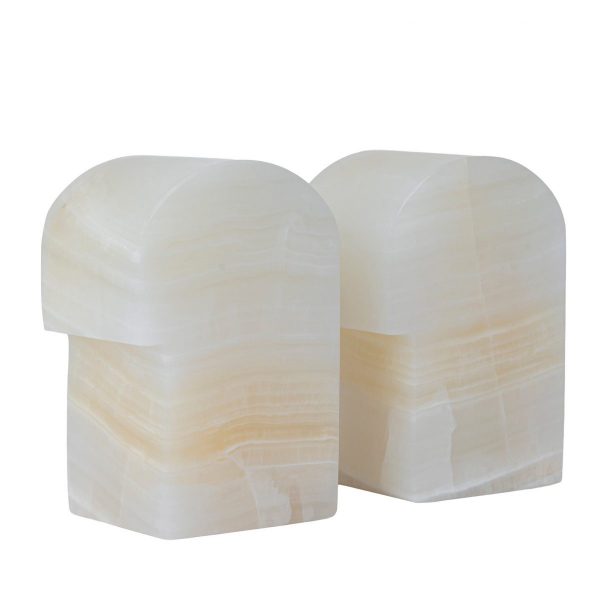

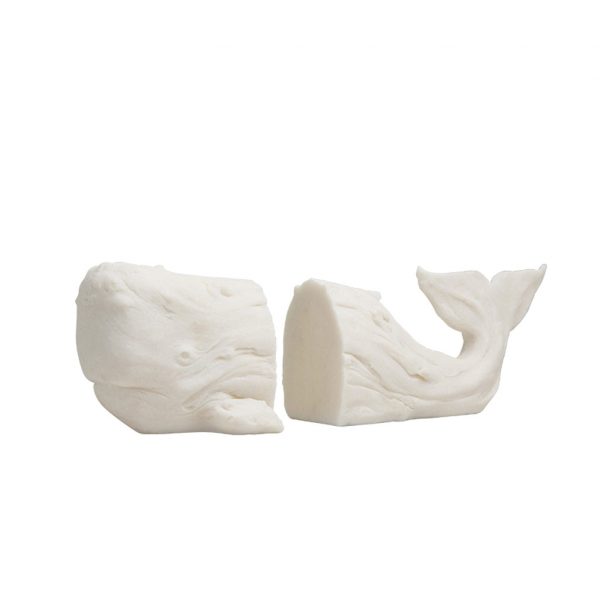
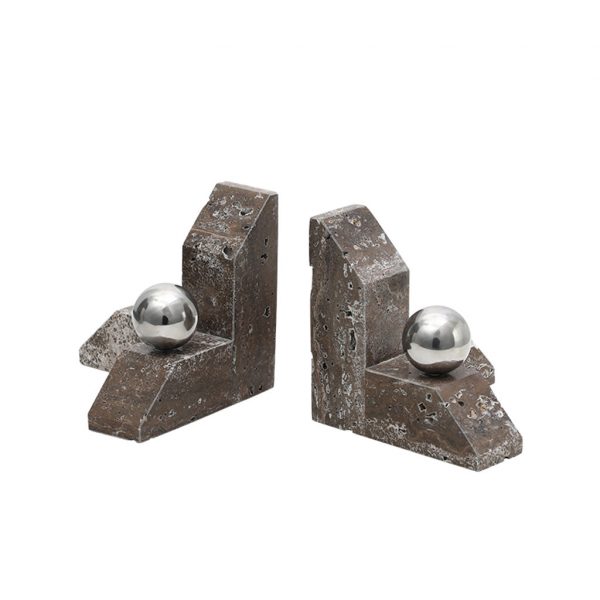

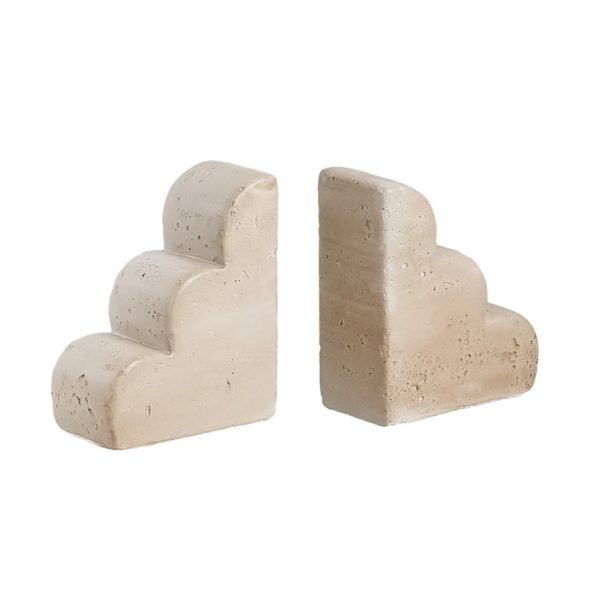
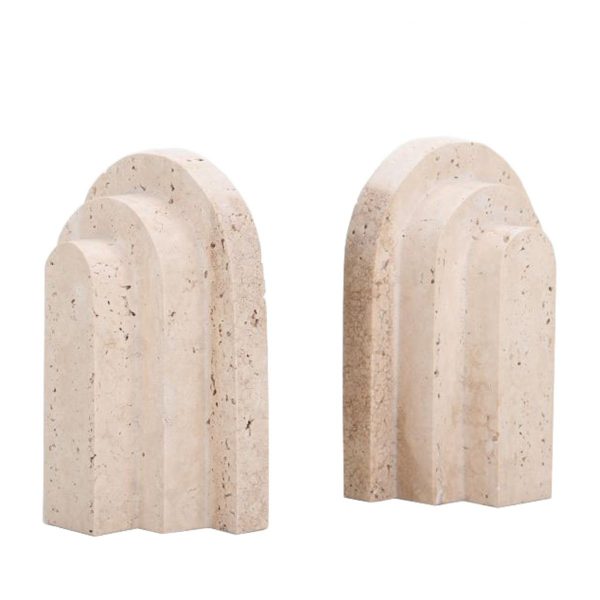
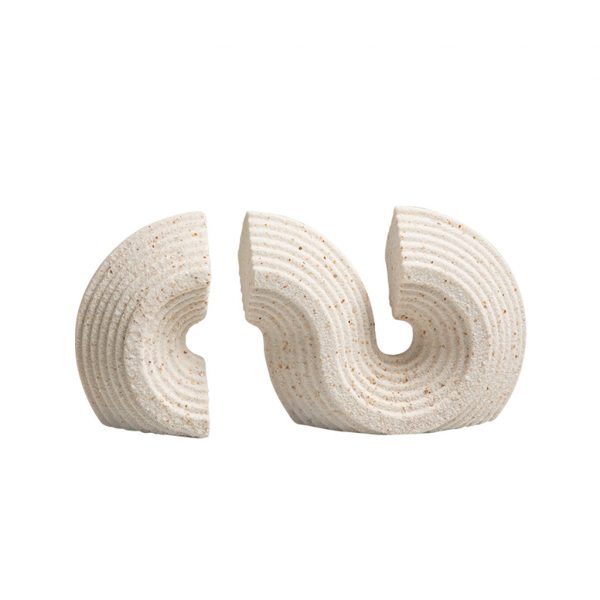
Which book groups should remain easy to reach?
Keep regularly used books in practical positions before choosing decorative additions. Check how the group behaves when a volume is removed, and leave enough access to handle it without disturbing nearby objects. A styled photograph may use books that are never taken out.
If the group needs support, choose an actual bookend described for that task rather than relying on an accessory’s shape or apparent weight. Marble bookends offer one material-led support comparison, with dimensions and stated use still checked. Let decoration create a deliberate pause beside the reading collection, not become an obstacle to the function that makes the shelf useful.
How can an object create a clear pause among spines?
Compare its full height and outline with the neighbouring books. A distinct form can give the shelf a focal point, while similar heights repeated tightly may make the arrangement harder to read. Colour and texture can support that separation without adding more pieces.
Decide which element leads in the particular view. Black decorative objects provide a defined silhouette; beige objects offer another quieter colour relationship. Neither is a fixed styling rule. Measure the actual shelf and assess the complete group so the object has enough visual space rather than filling the smallest remaining gap with a form whose scale does not suit it.
What does the shelf need beneath and around the object?
Read full dimensions, base and any supplied weight information, then compare them with the shelf’s actual suitability. Keep the footprint fully supported and follow any placement or loading guidance. Do not assume protective pads or a non-slip base.
Check care for both the object and the display surface, especially when moving pieces to reach books. If the furniture itself is too shallow or unsuitable, bookcases and shelving address that separate problem. A useful bookshelf composition combines readable shapes with practical book access and a support surface appropriate to the actual objects, rather than a purely decorative arrangement that ignores contact and handling.
Frequently Asked Questions
Explore sculptures when a standalone focal form is the next choice, keeping bookshelf dimensions and book access fixed.