
Sculptures
Sculptures can give a room a personal focal detail, so start with the form you want to keep seeing rather than a gap that simply needs filling. Compare the outline, material and the way the piece will appear from your usual seat or approach. A shape admired in a close-up needs a clear place in the actual room.
Read moreRead less
The sculpture and decorative object category covers initial scale and placement. Compare personal appeal with the surrounding view when choosing the focal piece. Read the actual construction, dimensions and care so the object is understood accurately before it becomes part of your everyday interior.
Showing all 18 resultsSorted by recommended
-
-
On SaleOriginal price was: $199.00.$175.00Current price is: $175.00.
-
On SaleOriginal price was: $169.00.$149.00Current price is: $149.00.
-
On SaleOriginal price was: $237.00.$209.00Current price is: $209.00.
-
-
-
-
-
-
-
-
-
-
-
-
-
-


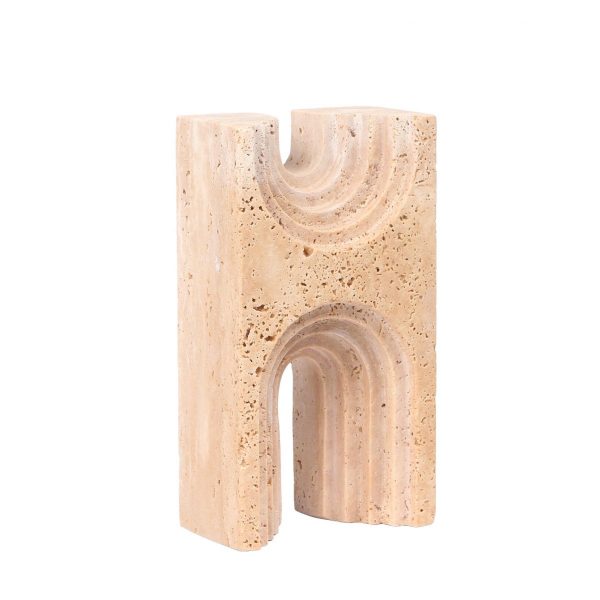

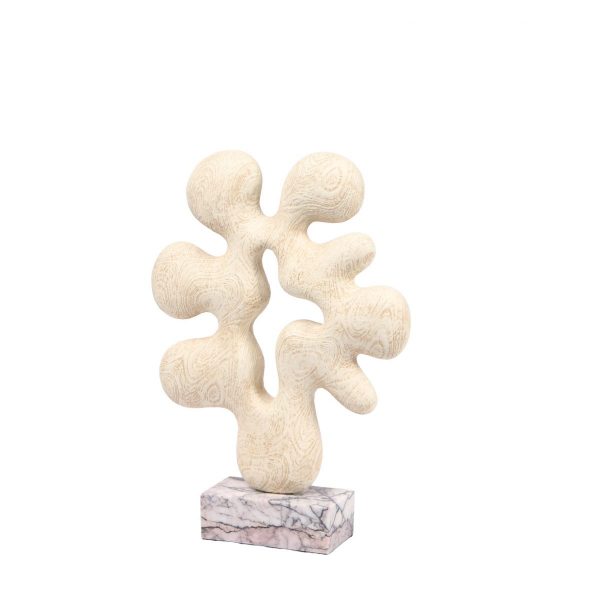
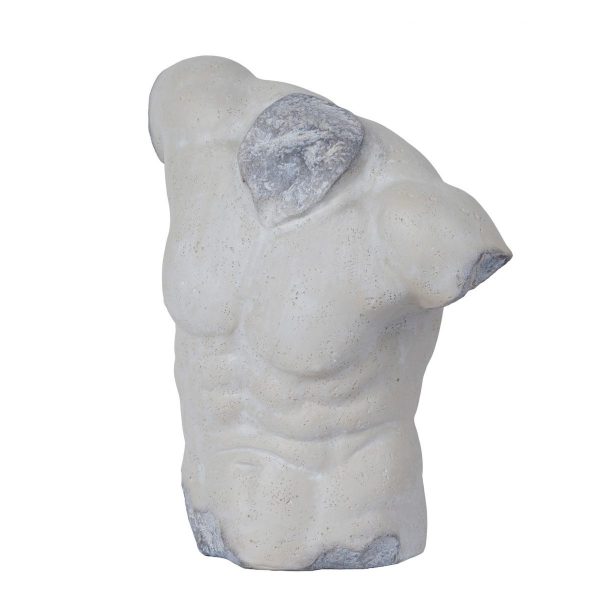

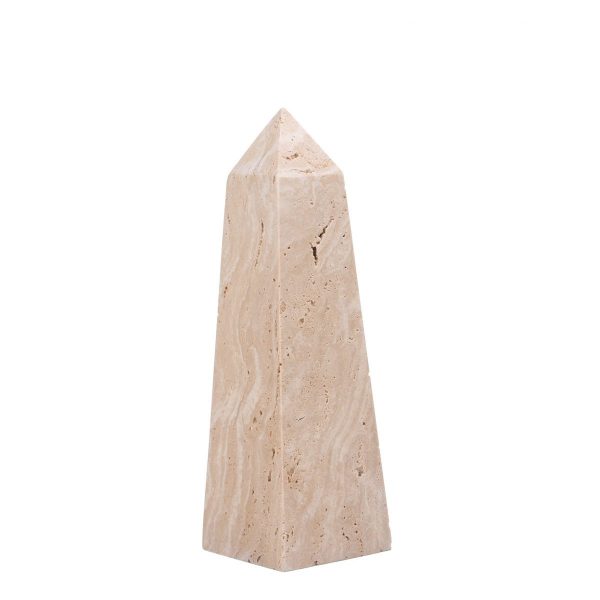
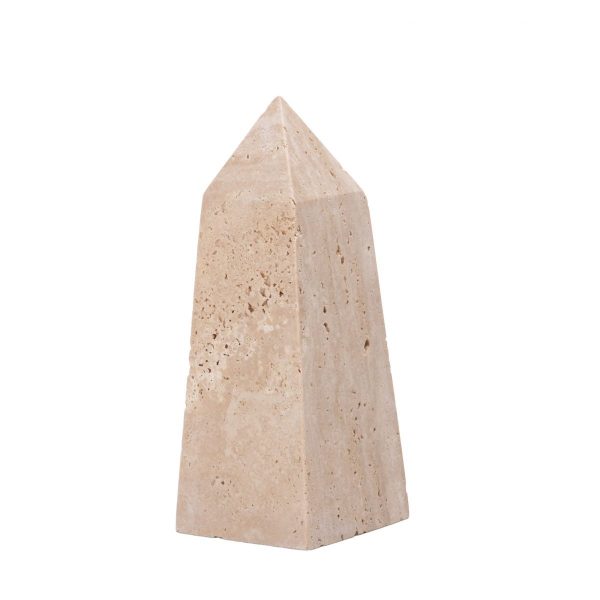
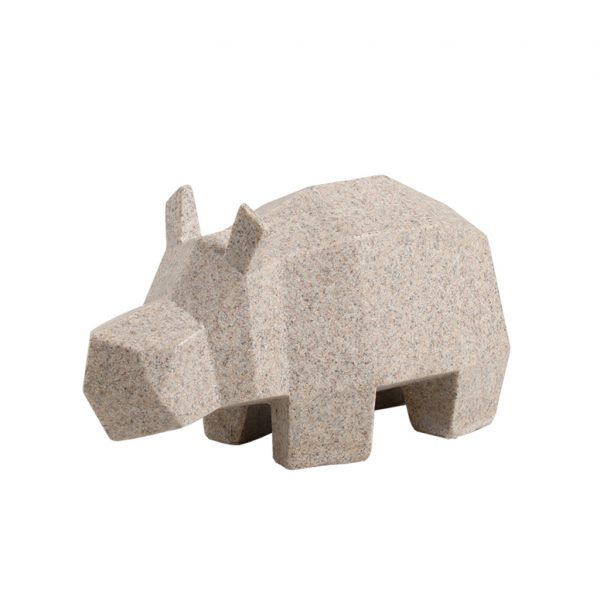
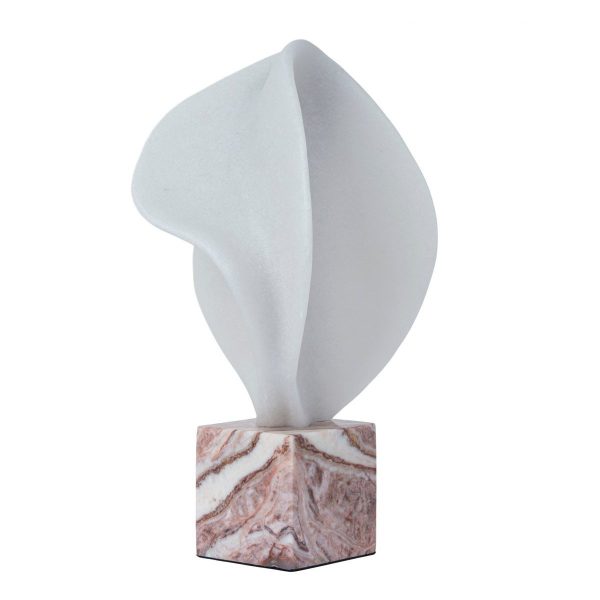
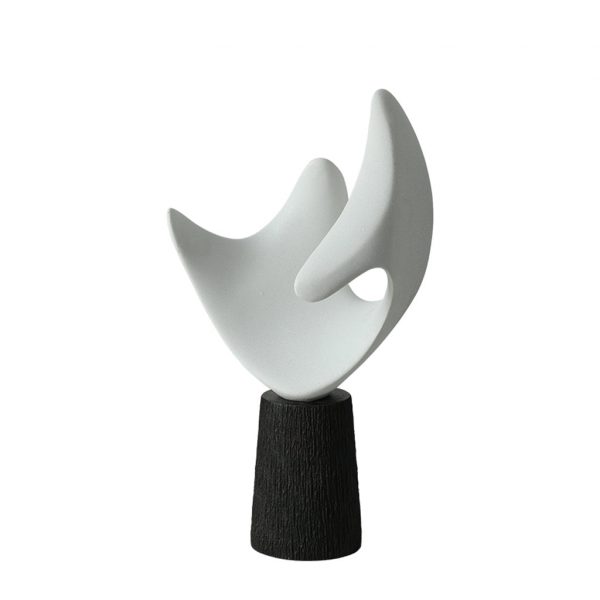
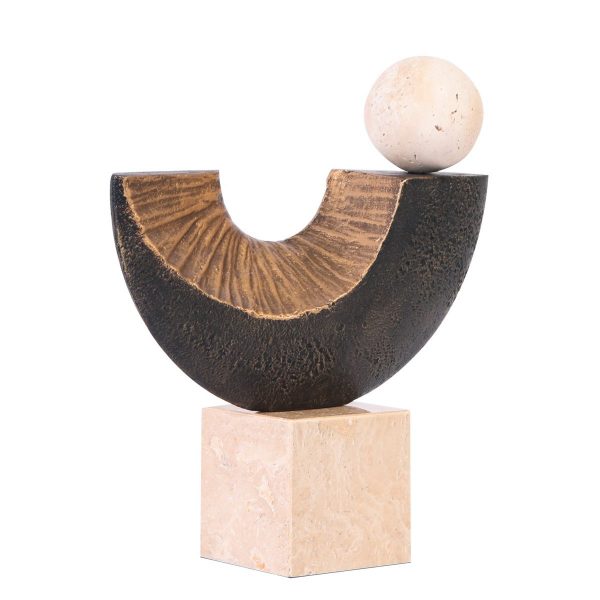
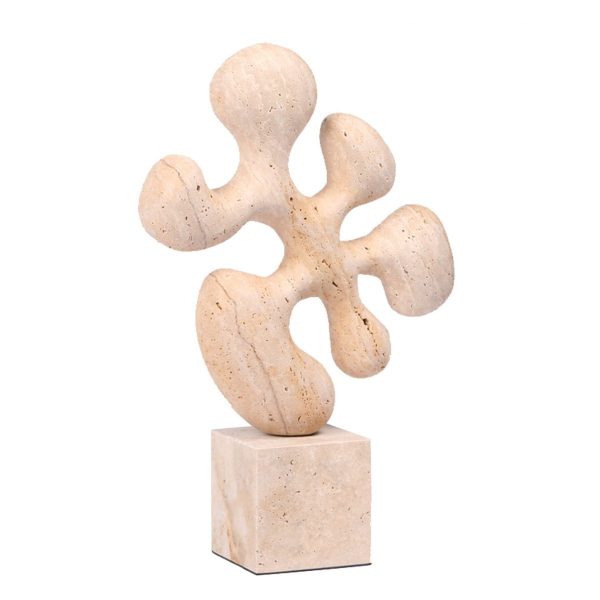


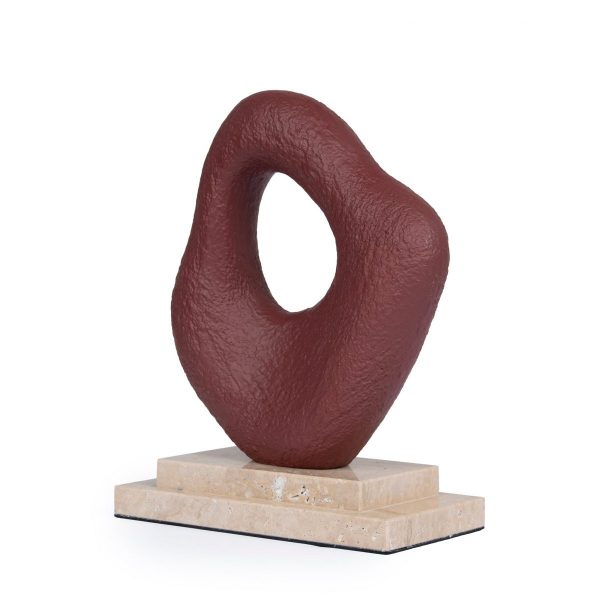

Which part of the form makes you want to keep looking?
Compare the actual outline and visible detail across the available views. You may be drawn to a contained shape, a more open form or another specific quality, but it should relate to the room where it will live. Avoid assigning an artistic origin or meaning that the product has not described.
Think about whether that appeal depends on one photograph’s lighting or whether the form remains interesting from the position you will use. Black objects offer a clearer silhouette comparison, while glass objects raise a light-and-background question. Choose the material because it supports the form you value, not because a broad style label sounds suitable.
Can the sculpture become a focal piece without competing?
Look at existing artwork, lamps and furniture details in the main room view. Decide whether the sculpture should lead in one place or support a larger feature elsewhere. Several equally strong focal points can make a smaller display harder to read.
Leave enough space around the full shape, including projections beyond its base. Compare height with the supporting furniture and neighbouring objects. Living room decor helps place the piece within a wider seating composition; shelf decor focuses on a more contained group. The useful focal role is deliberate and specific, rather than the assumption that every sculptural object belongs in the centre of a crowded arrangement.
Will the chosen piece fit the room’s ordinary life?
Measure full dimensions and read placement, base and any supplied weight information. Compare these with the actual supporting surface and its suitability. Do not assume protective pads or a practical vessel function from a decorative shape.
Follow material and finish care, including how the object should be handled if moved for cleaning or table use. Console table decor helps with a narrow entrance surface, while coffee table decor leaves lower tables useful around seating. A sculpture you enjoy should have a practical place in daily life as well as a clear visual role, with its actual construction and care understood.
Frequently Asked Questions
Explore decorative accessories if another kind of finishing piece may resolve the room better than a standalone focal sculpture.