
Coffee Table Decor
Coffee table decor should make the seating area feel considered while leaving the table useful. Think about how you reach it, where drinks and everyday items sit, and the view across it from the sofa. A decorative arrangement that fills the whole top can make ordinary use awkward.
Read moreRead less
Begin with the available surface, then compare full object height and footprint. A low table is often seen from several directions, so side and rear views matter too. Coffee tables provide the separate furniture comparison if the top itself needs changing. Choose finishing objects for the usable surface, with full scale, material and any practical function checked before adding more pieces.
Showing all 12 resultsSorted by recommended
-
On SaleOriginal price was: $256.00.$225.00Current price is: $225.00.
-
On SaleOriginal price was: $223.00.$196.00Current price is: $196.00.
-
-
-
-
-
-
-
-
-
-
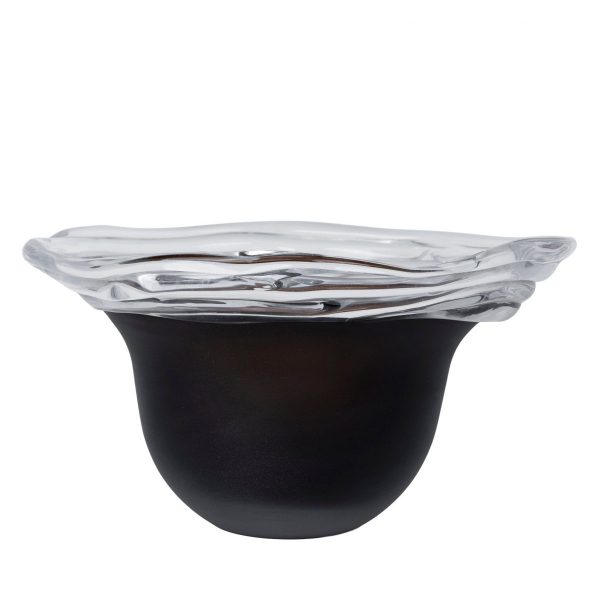


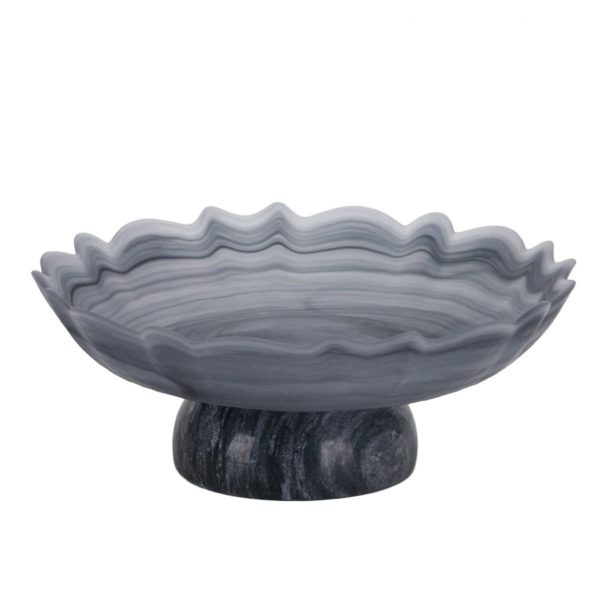
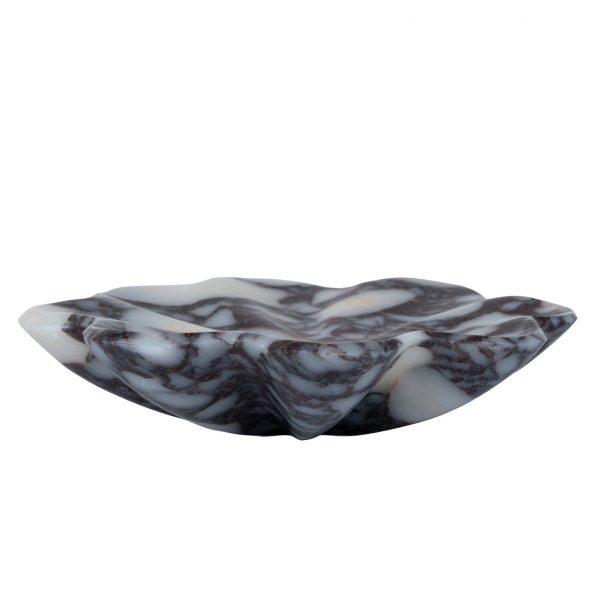
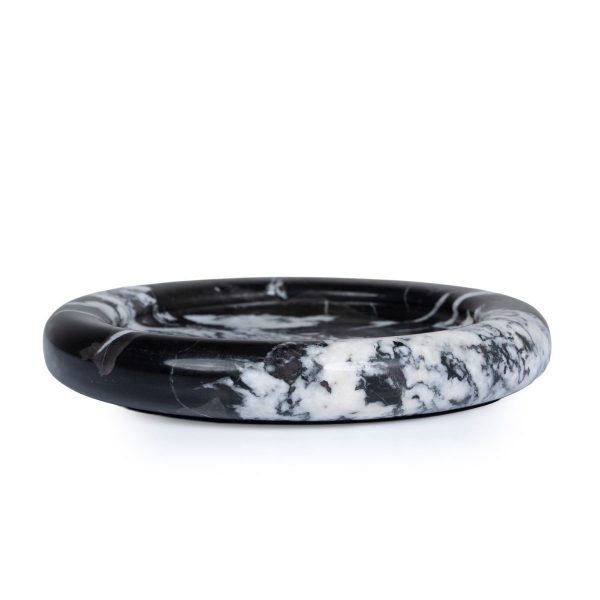
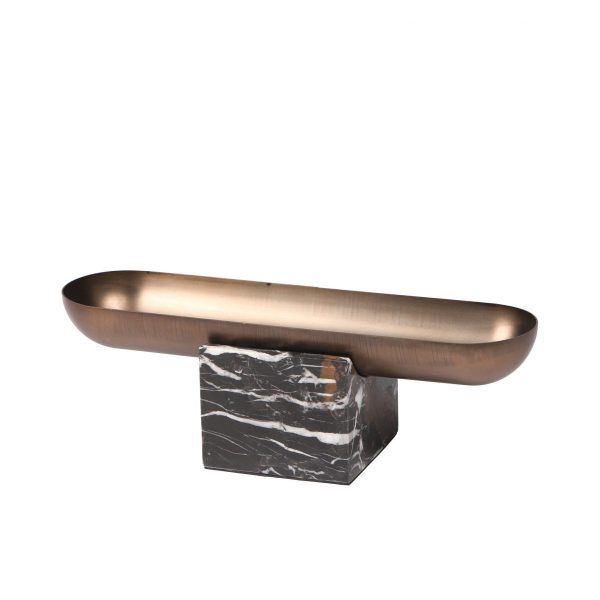


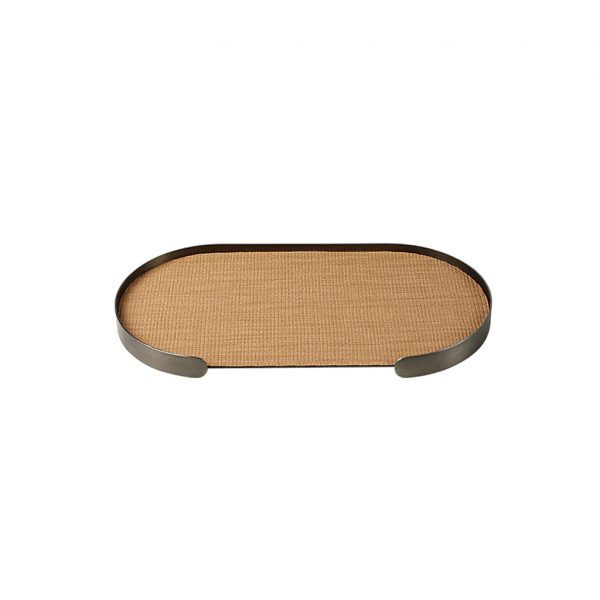
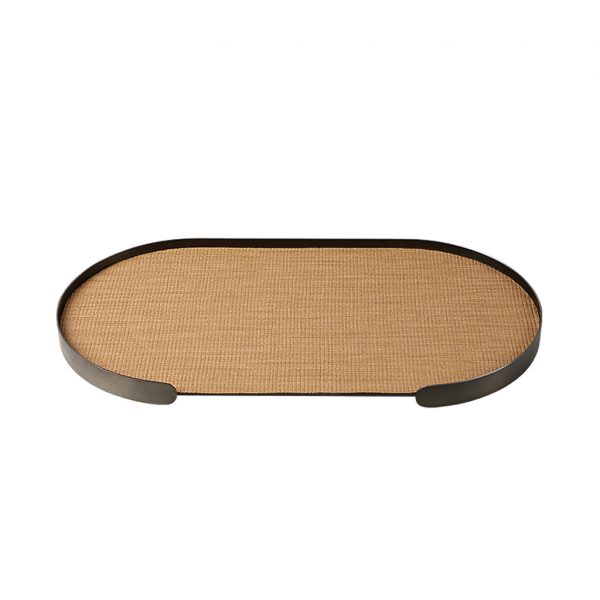
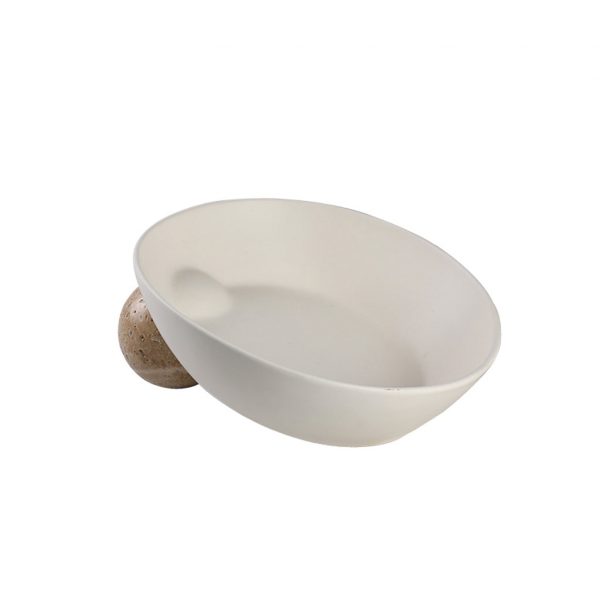
Which part of the tabletop must remain clear?
Identify the areas you normally reach from each seat and the objects used there during a day. Leave room for those actions before planning a decorative group. A table that looks generous when empty may have less usable surface beside several occupied chairs.
Measure the complete footprint of each intended object, including bases and projecting forms. If you use a tray to group items, confirm the actual tray’s purpose and dimensions rather than assuming it creates extra space. Decorative bowls and trays provide that shape and use comparison. Choose decor around ordinary table use, not a display that requires clearing away every time the room is occupied.
How high should the focal piece be from a seated view?
Compare the object with the line of sight across the seating arrangement. Height that works on an entrance console can have another effect on a low table between people. Check the full form and where it sits, rather than choosing from a general height rule.
Look at available views from more than one side. A sculpture may become a central detail, while a lower form can leave another focal point in the room more prominent. Sculptures help explore the form choice, with actual scale still measured. The useful height is one that supports the room’s conversation and view, rather than interrupting them simply because the piece looks striking in isolation.
Which surface belongs beside the table and everyday contact?
Compare the actual material with the tabletop, upholstery and flooring. One clear texture or colour relationship may resolve the arrangement without repeating every furniture finish. Glass objects and timber objects offer separate material questions.
Read base protection, care and intended use for each piece. Do not infer food, water or heat suitability from a decorative shape. Follow handling guidance when moving objects to use the table. A good low-table arrangement lets materials add interest while full footprints, contact and maintenance remain practical in ordinary life, not just in a styled photograph.
Frequently Asked Questions
Explore living room decor if the broader seating area needs a coordinated finishing decision beyond the coffee table.