
Glass Decorative Objects
Glass decorative objects are a surface-and-light choice. Read whether the actual glass is clear, coloured, textured or otherwise described, then compare it with the background where the piece will sit. Glass does not always mean transparent, and a photograph alone may not explain the full finish.
Read moreRead less
Look at the complete form from the room’s main view, not only a glowing close-up. Its base and projecting shape still need a suitable supporting surface. Sculptures and decorative objects cover the broader form decision. Compare the glass detail with room light, base contact and the stated use of the particular piece.
Showing all 5 resultsSorted by recommended
-
On SaleOriginal price was: $136.00.$120.00Current price is: $120.00.
-
-
-
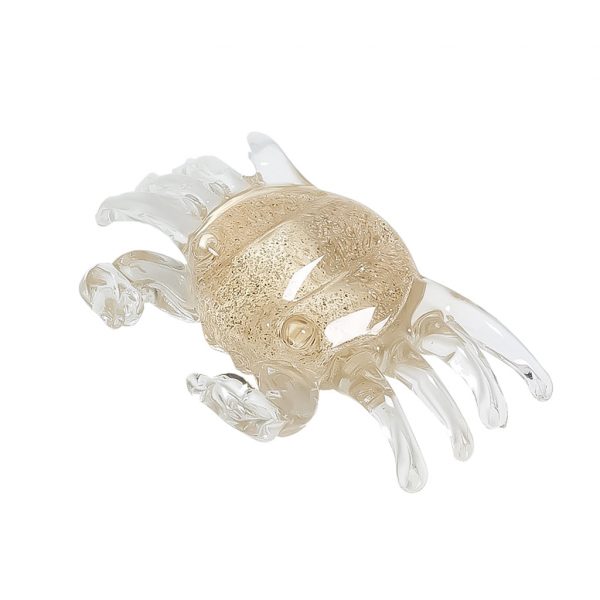
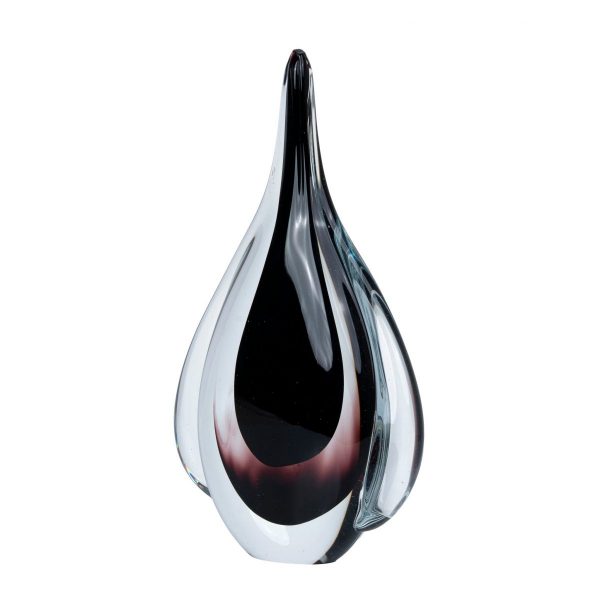

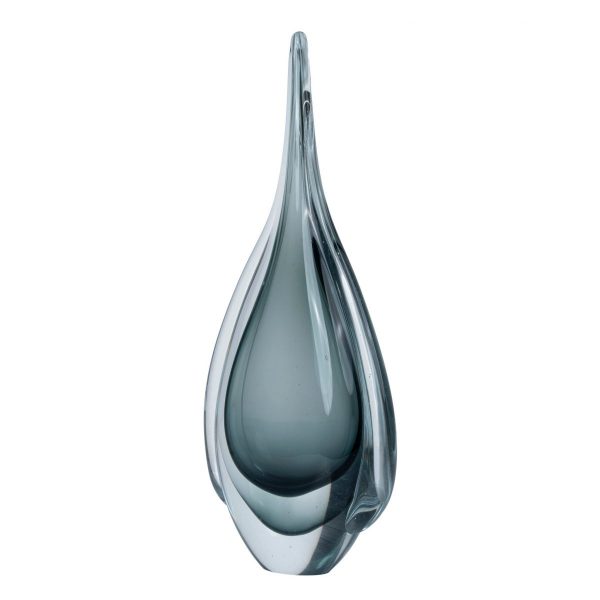
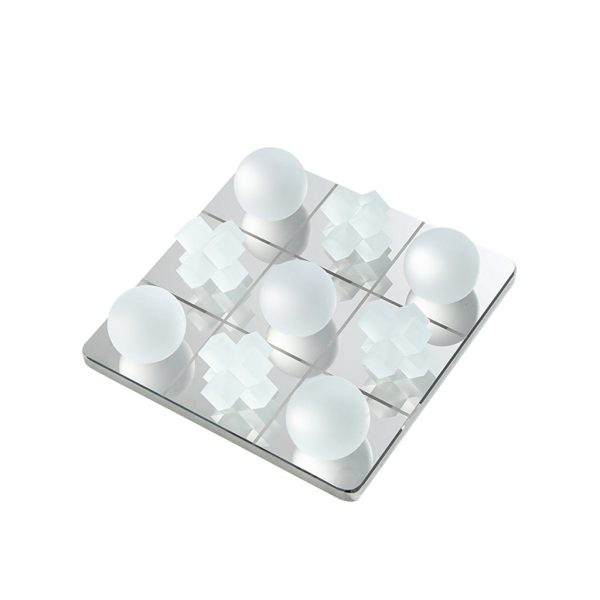

How will the glass finish interact with light and background?
Compare the described finish with the wall, shelf or table behind it. A clear component can reveal the background differently from a coloured or opaque one, while texture changes how the form appears. Use the actual product information rather than one general rule about glass.
Consider daylight and the lamps normally used in the room. Reflections can become part of the visible outline, so check available images from more than one angle. Decide whether that effect should lead or support another detail. Ceramic objects offer a different surface relationship if you want less dependence on the background. Keep the display role clear before choosing material for light alone.
How will the full glass form sit on its support?
Measure height, width, depth and the base, including any shape projecting beyond it. A visually light object may still require a larger footprint than its front view suggests. Compare the supporting surface’s suitability using any actual placement or weight guidance supplied.
Keep the base fully supported and read any protective detail rather than assuming pads or non-slip contact. Console table decor helps with narrower tops, while coffee table decor focuses on a lower surface used around seating. Choose the complete glass form for the real location, not a placement that sacrifices everyday access to reproduce a decorative image.
What care and function does the actual glass specify?
Read cleaning and handling instructions for the finish and any other materials. Do not infer one method from the glass name, particularly where coatings, texture or mixed components are stated. Plan ordinary handling if the object must be moved to use its surface.
A vessel-like shape does not establish water-holding, food-contact or heat use. Confirm the intended task in the individual description. Vases and decorative pots provide a relevant vessel comparison with the same need for accurate instructions. Glass should contribute a considered material detail whose actual function and maintenance are understood, with handling planned for the display surface you use.
Frequently Asked Questions
Use tabletop decor to resolve the display surface’s daily use before selecting the glass finish.