
Tabletop Decor
Tabletop decor should belong to the surface’s everyday task. A dining top, side table, desk and entrance console are used differently, so start with what must remain clear. Then decide whether the object provides a focal shape, material connection or another accurately stated purpose.
Read moreRead less
Measure the full footprint and view it from the height at which the table is normally used. A close-up cannot show how much room remains beside the piece. Coffee table decor and console table decor refine two specific locations. Plan the useful surface with the object’s stated function, base contact and care checked for that table.
Showing all 20 resultsSorted by recommended
-
Week’s PickOriginal price was: $136.00.$113.00Current price is: $113.00.
-
On SaleOriginal price was: $242.00.$213.00Current price is: $213.00.
-
On SaleOriginal price was: $169.00.$149.00Current price is: $149.00.
-
On SaleOriginal price was: $229.00.$202.00Current price is: $202.00.
-
-
-
-
-
-
-
-
-
-
-
-
-
-
-
-

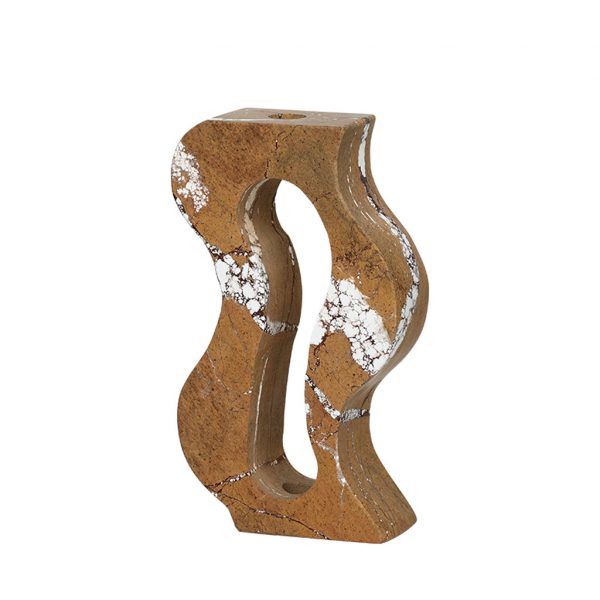
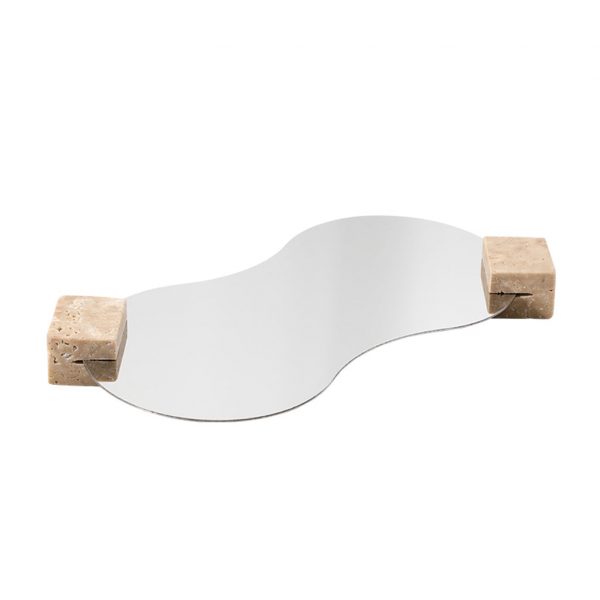
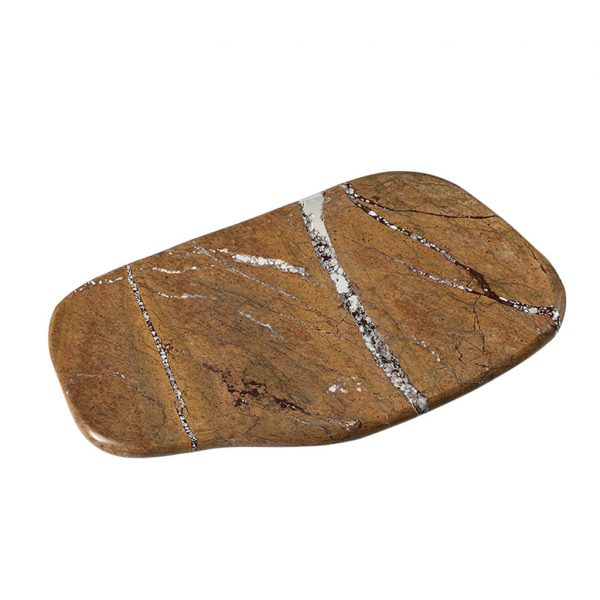
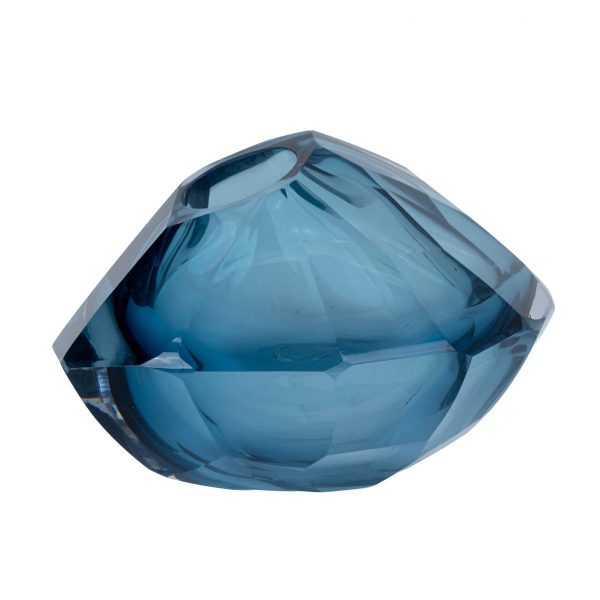

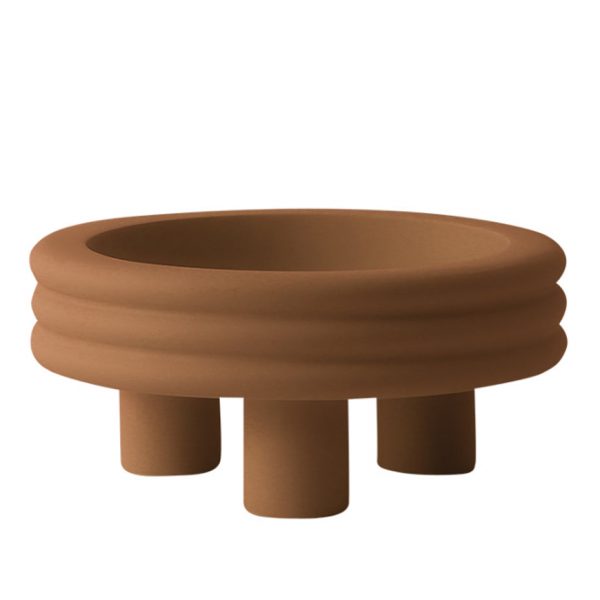


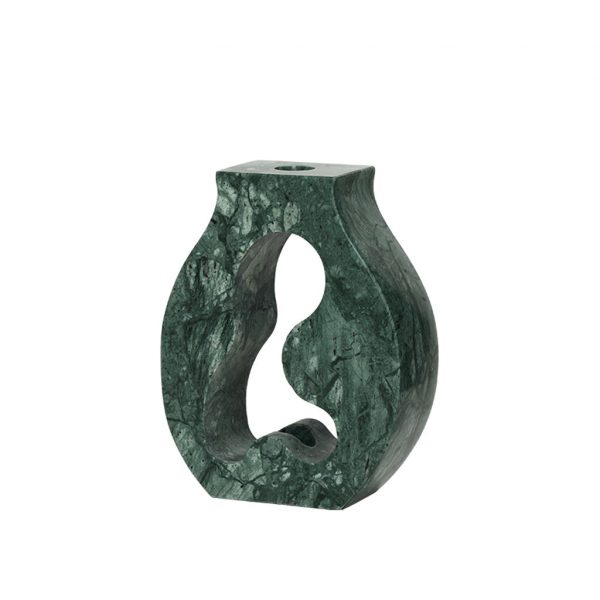

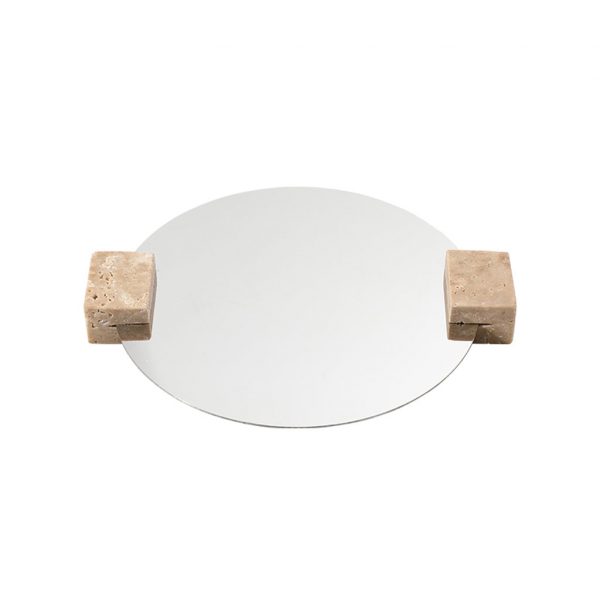
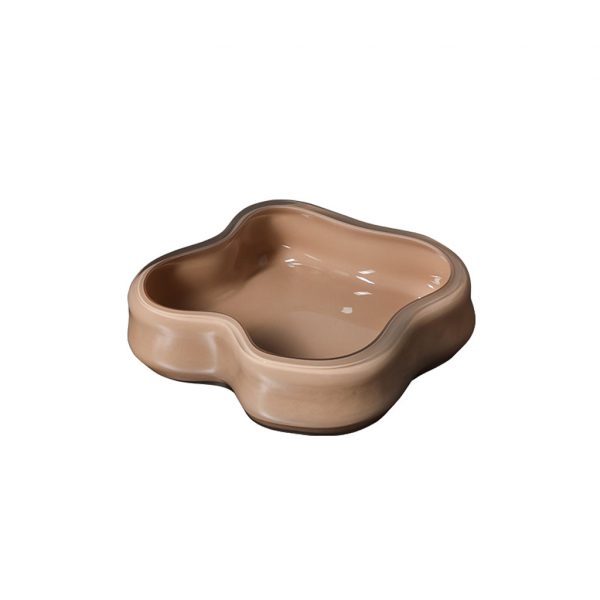

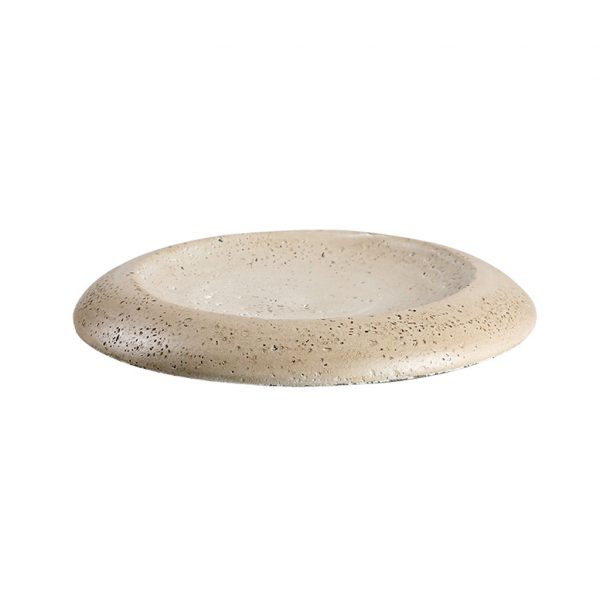
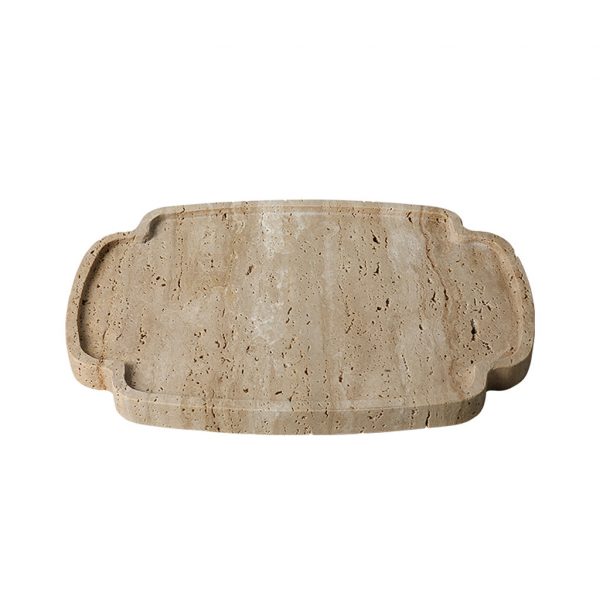
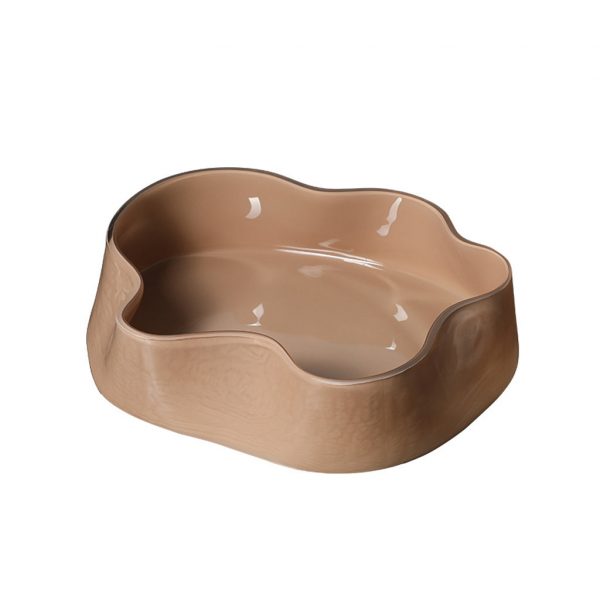
Which ordinary task should the tabletop continue to serve?
Plan the reach area and items used on the surface before choosing a display. Dining, work and a seated pause can each require different clear space. A decorative group should not rely on being moved away whenever the table performs its normal job.
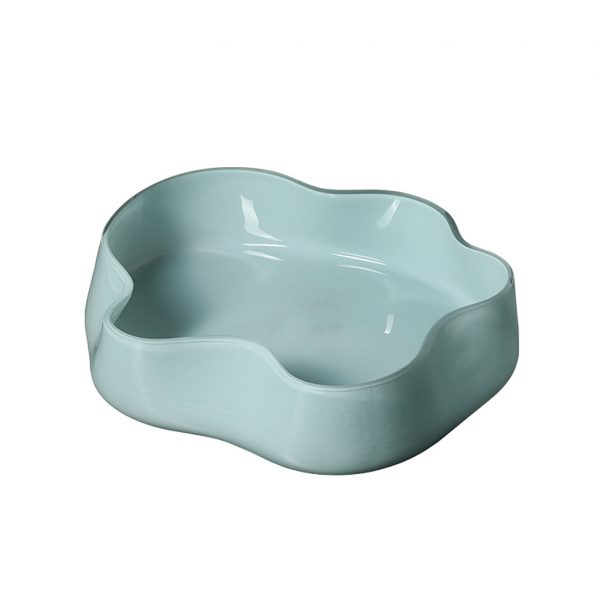
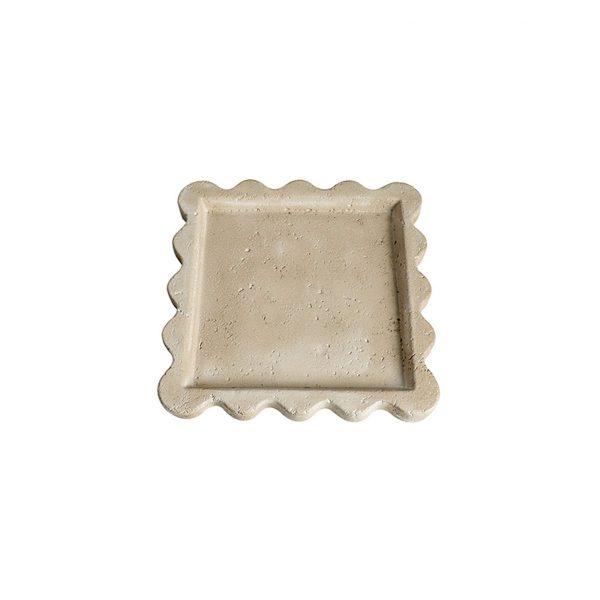
Compare each object’s full width, depth and base, including projections beyond the main form. A tray can group pieces only when its actual dimensions and purpose fit; it does not create extra surface area. Decorative bowls and trays provide that shape and use comparison. Choose a finishing footprint from the table’s real routine rather than a photograph that leaves everyday tasks out of the view.
How will the object read from the usual viewing height?
Look at the intended position from a seated or standing view, as appropriate to the surface. The same form can appear different on a low table and a higher console. Compare height with surrounding objects and the room’s main focal features.
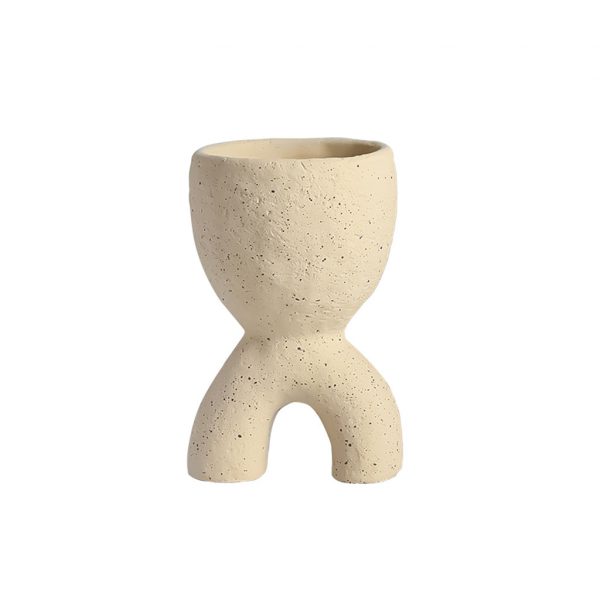
Check side and rear views if the table is approached from several directions. Sculptures help choose a standalone focal shape, while living room decor places that detail within the wider seating area. Give the object one clear role rather than asking it to lead every room view. Scale should support the actual table and perspective, not a fixed rule about how tall an accessory must be.
What base contact, care and intended use should you check?
Read actual material, finish and any protective base information. Do not assume pads or non-slip contact from a smooth-looking underside. Follow care for both the object and the supporting tabletop, particularly if the display is handled regularly.
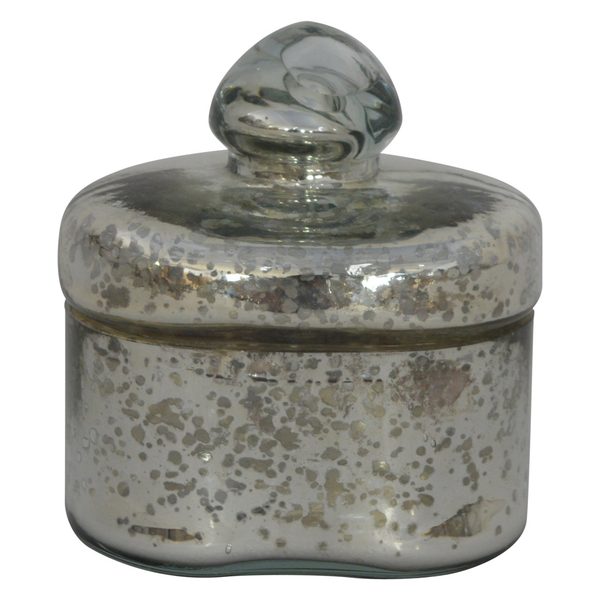
Confirm any practical function such as holding water, food or heat only in the product description. Decorative form alone should not establish it. Ceramic objects and glass objects offer separate material comparisons with their own stated care. Choose the tabletop accent because its scale and purpose work, with appearance completing a usable surface instead of replacing those facts.
Frequently Asked Questions
Explore home office accessories when useful desk space is the particular tabletop problem to resolve.