
Home Office Accessories
Home office accessories should add a considered detail while keeping the work area usable. Start with the task the desk already performs and the space you need for equipment, papers and reach. A finishing object should not occupy the part of the surface used throughout the day.
Read moreRead less
Decide whether you need a visual accent or a product with a particular stated function. Decorative form does not establish an organiser, book support or another office feature. Home office storage addresses putting work items away, while desks cover the working surface itself. Choose the smaller finishing detail with scale, placement and stated use compared beside the everyday work routine.
Showing all 7 resultsSorted by recommended
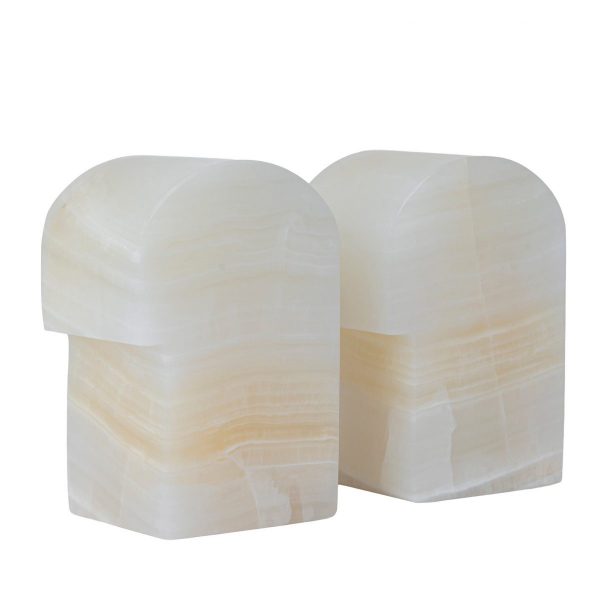

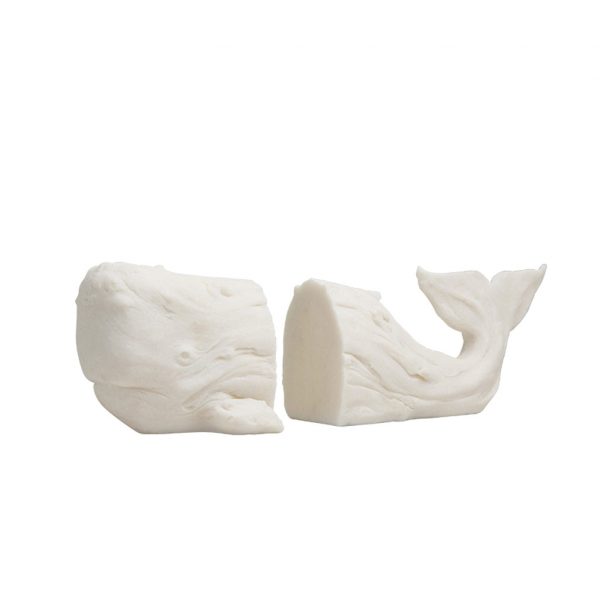
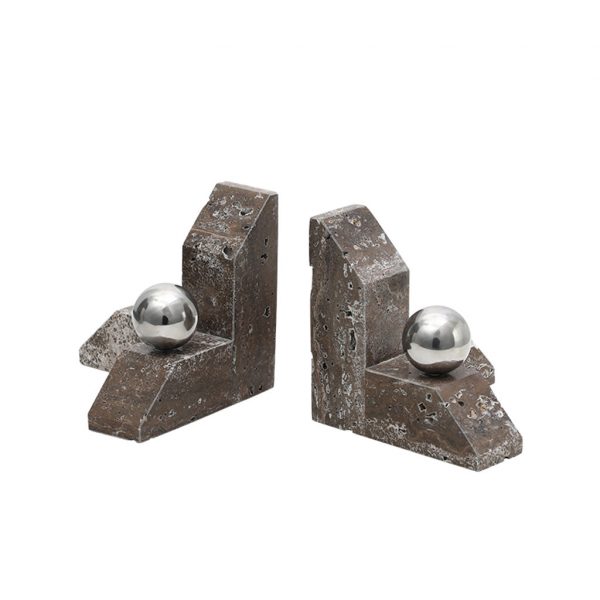

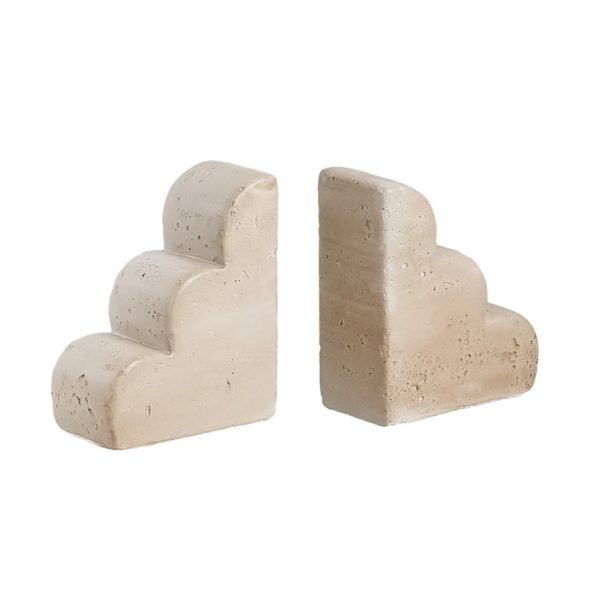
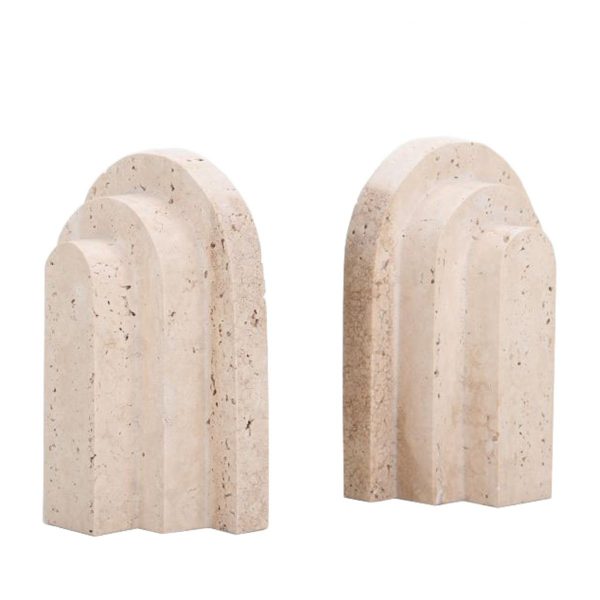
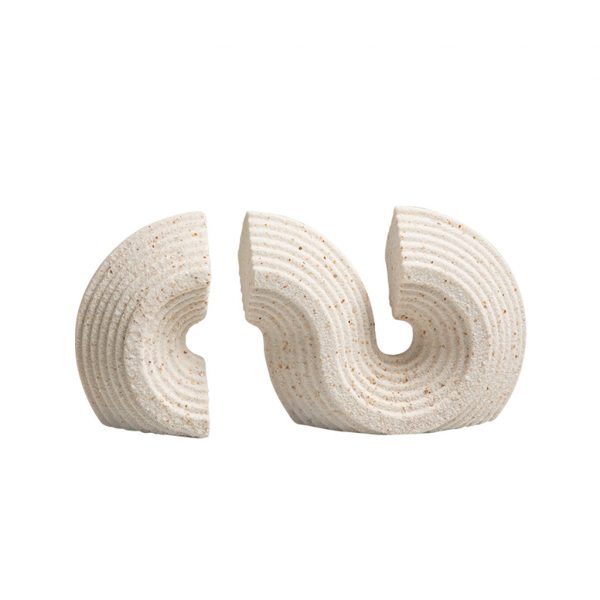
Where can an accessory sit without interrupting work?
Mark the surface used for regular equipment and the space needed to handle papers or tools. Consider your seated reach and the chair position before choosing an object’s footprint. A desk can look spacious in a photograph while having little spare area in your actual setup.
Check full height, width and depth, including a projecting shape or base. Keep the object away from the tasks that require repeated movement. Tabletop decor offers wider surface-planning questions. Choose a finishing position that remains useful through a workday, rather than one that forces the accessory to be moved each time you begin a normal task.
Is the purpose visual detail or a verified office function?
An accessory can create a material link or focal shape without organising anything. If a practical function is important, read the actual description and dimensions for that task. Do not assume a decorative vessel is a stationery holder or a sculptural form is a bookend by default.
Bookends provide the specific support comparison for upright books. Other organisational needs may belong in storage instead. Be clear about why the item earns a place on the desk. If book support or stationery storage is the need, choose the item whose stated purpose and usable dimensions fit those contents.
Which detail makes the work corner belong with the room?
Compare the actual material and colour with the desk, chair and the surrounding domestic furniture. One clear relationship can connect the work area without making every finish match. Assess the object from the chair and from the room entrance.
If the space also serves another room, keep the end-of-day arrangement in mind. Living room decor helps when the desk shares a lounge, while natural timber objects focus on visible grain as a material layer. Read base protection and care for ordinary handling. The finishing detail should support the room and working surface together, not turn a practical desk into a display that is difficult to use.
Frequently Asked Questions
Explore bookshelf decor when the finishing detail can sit beside books instead of taking useful desk space.