
Natural Timber Decorative Objects
Natural timber decorative objects make visible wood character part of a smaller room accent. Compare the actual grain and tone with larger furniture and flooring before deciding how the piece should connect. Shared warmth can work without an exact match, while a clear contrast may give the object a more distinct role.
Read moreRead less
Natural appearance does not establish untreated wood, one species or solid timber throughout. Read the relevant component and finish, then measure the full form for its display surface. Timber decorative objects provide the broader construction comparison. Compare the visible grain relationship with care and actual purpose beside the appearance.
Showing all 3 resultsSorted by recommended
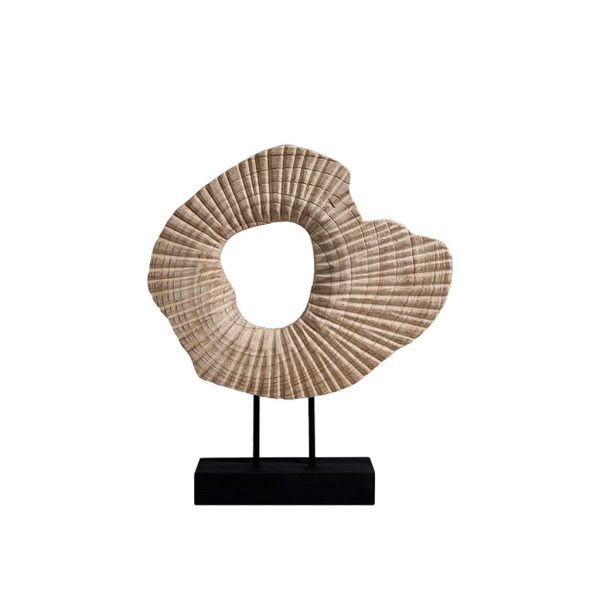

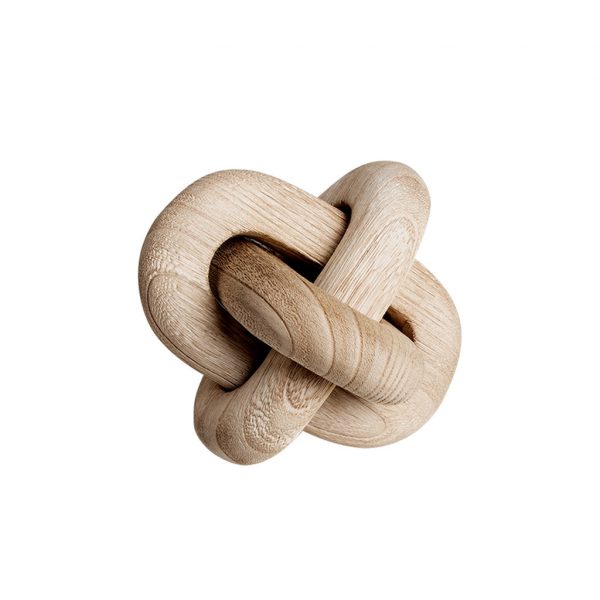
What does the grain add beside larger timber furniture?
Look at the object against the nearest wood surface and the wider room. A smaller grain detail can repeat warmth, but several strongly patterned materials may compete within one view. Decide whether the piece should be a focal texture or a quieter connection.
Compare full form and visible faces rather than only one close-up. The direction and scale of grain can affect how the shape reads according to the actual design. Use finish and variation information where supplied. Brown objects offer a warm-colour comparison across materials if tone matters more than wood character. Keep grain and colour as related choices instead of treating them as identical.
Does a natural-looking surface explain the construction?
No. Read whether the relevant component is solid timber, veneer or another stated construction, and identify any combined materials separately. Visible grain alone should not establish the whole object’s material.
Check the applied finish before choosing care. Clear or tinted coatings can keep wood appearance while changing colour and maintenance. Do not infer raw timber or select oil solely from a natural-looking photograph. The actual construction should also support any intended use; decorative wood does not automatically establish a vessel, tray or other practical function. Choose from precise component information rather than a broad natural-style description.
Where can the wood detail sit usefully in the room?
Measure complete height, width, depth and base against the intended table or shelf. Include projections and neighbouring objects, leaving room for the form to remain readable and for the surface’s ordinary task. A material accent should not fill every gap.
Read placement, base protection and care for frequent handling. Bookshelf decor helps keep books accessible, while coffee table decor focuses on a usable low surface around seating. Choose the wood character on an object that fits that specific role.
Frequently Asked Questions
The decorative accessory category helps if the finishing task is still unresolved before choosing visible wood.