
Timber Decorative Objects
Timber decorative objects are a construction choice as well as a room detail. Read which part uses wood and how it is described, rather than inferring the material from a grain-like or brown photograph. A timber component may be part of a mixed design, and solid wood should only be stated when supported.
Read moreRead less
Then compare the full shape and finish with the room. Wood can make a clear connection with furniture, but the object still needs its own measured place. Natural timber objects help compare visible grain when that is the appearance you want. Read wood components separately from painted, tinted or other finishes. Keep intended use, base contact and actual care beside that material choice before display.
Showing all 8 resultsSorted by recommended
-
On SaleOriginal price was: $124.00.$109.00Current price is: $109.00.
-
-
-
-
-
-
-
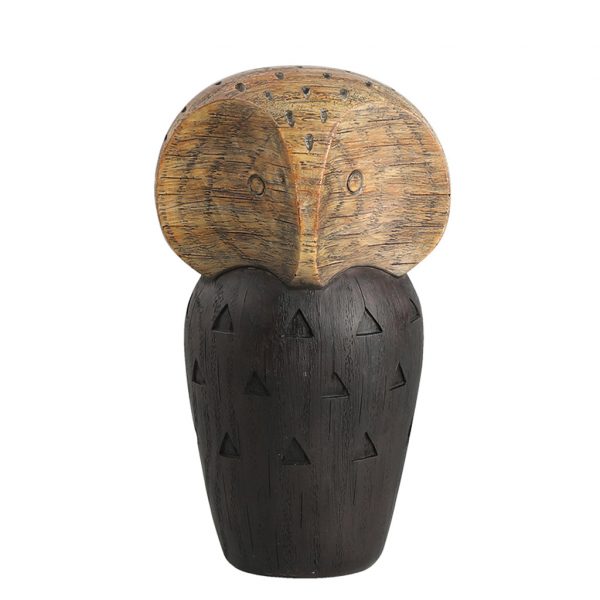


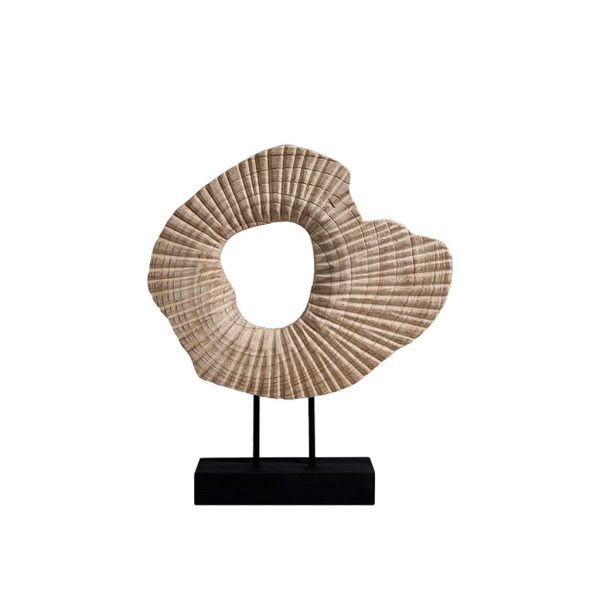
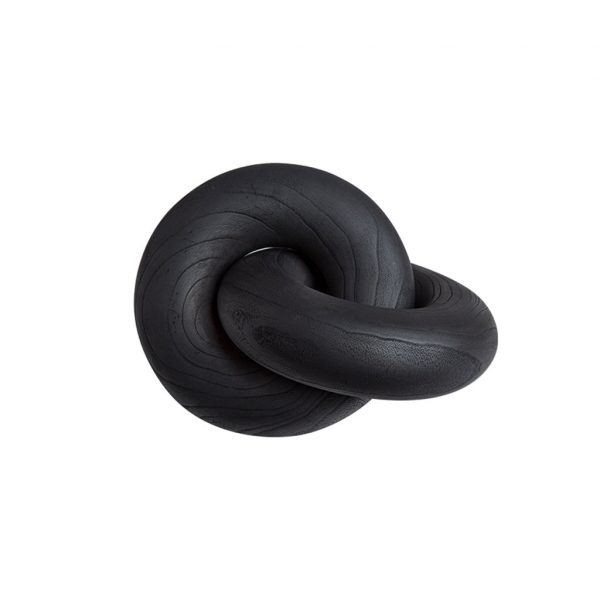

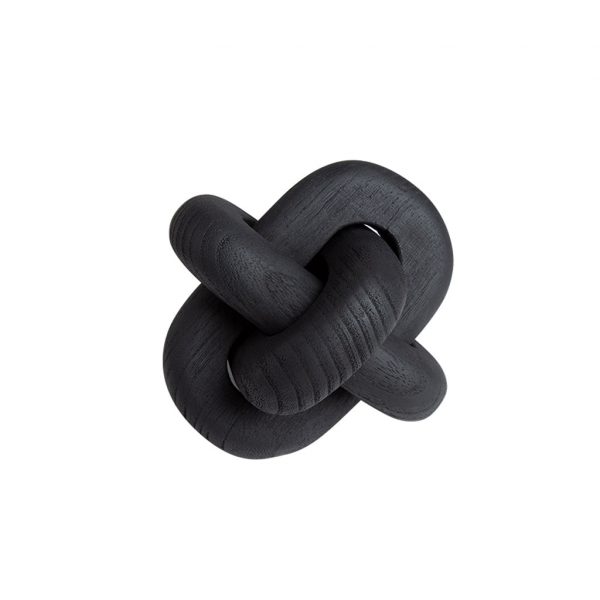
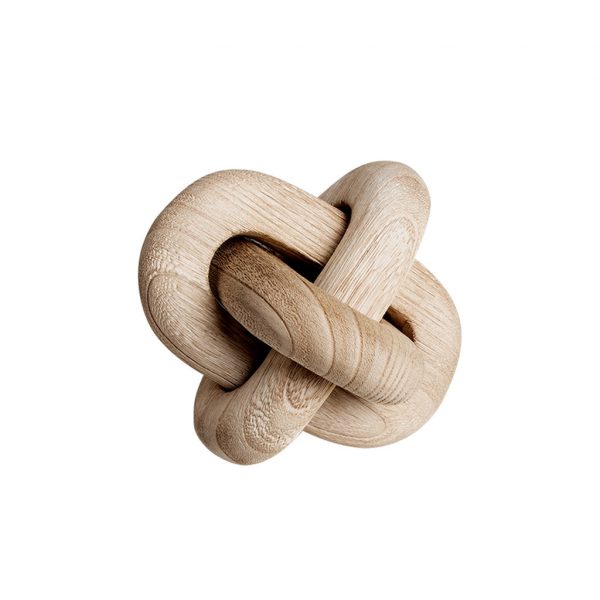
Which component makes the object a timber choice?
Read the specification for the visible form, base and any combined materials. If solid timber, veneer or another wood construction is stated, keep those descriptions accurate. A painted or textured surface should not be used to guess what lies beneath it.
Ask about unclear components when wood is your reason for searching. Do not infer origin, sourcing certification or a practical function from the material name alone. The actual product’s purpose remains important. An accurate construction statement helps you compare the object with ceramic objects or other surfaces honestly, rather than choose from a broad natural-style description that leaves the component unexplained.
Should the wood finish match nearby furniture or contrast?
Compare the actual tone, grain or painted finish with nearby furniture and the background. A shared warmth can connect pieces without exact matching; a clear change in depth or surface can give the object separation. Assess the whole form rather than one material close-up.
If visible grain is not the main need, colour may provide the relationship. Brown objects and black objects offer palette comparisons across materials. Keep wood construction verified while considering those finishes. The object should have a defined place in the room view, rather than be added simply because another furniture piece also contains timber.
How do finish care and display use work together?
Follow instructions for the actual applied finish instead of choosing oil or cleaners from the presence of wood. Painted, coated and other stated surfaces can require different care. Keep instructions for combined materials separate where relevant.
Measure complete height, width, depth and base against the supporting surface. Do not infer protective pads, water resistance or a vessel function. Shelf decor helps with display openings, while tabletop decor keeps ordinary use of a table central. Timber should complete an object whose form and stated purpose fit the location, with handling and contact understood rather than left to a material assumption.
Frequently Asked Questions
Use sculptures and decorative objects for the wider focal-form decision before narrowing wood construction.