
Sofas
Sofas should begin with how a room is lived in. Sitting upright for conversation, sharing a film and stretching out with a book can call for different seats and layouts. Write down the everyday use before choosing a shape solely because it looks settled in a photograph.
Read moreRead less
Then connect that use with the room’s routes, tables and other furniture. Seater labels, overall dimensions and upholstery names each describe only part of the decision. This guide brings those parts together so you can compare an actual sofa more clearly. Browse any designs shown below, or start with a focused collection once you know which seating role, footprint or material matters most in your living area.
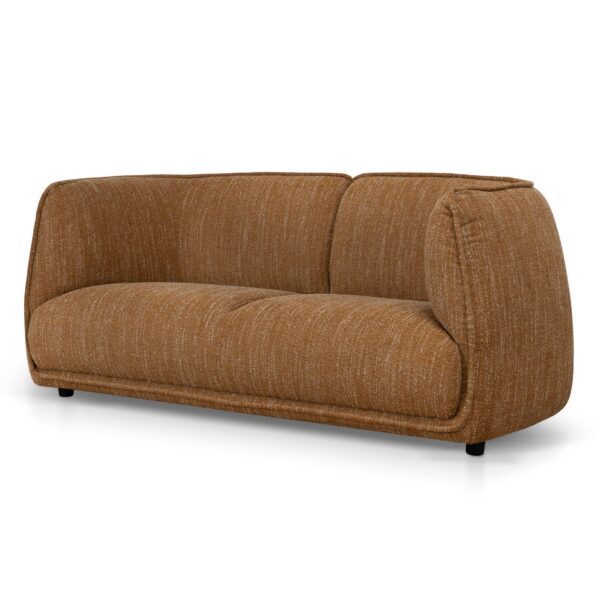
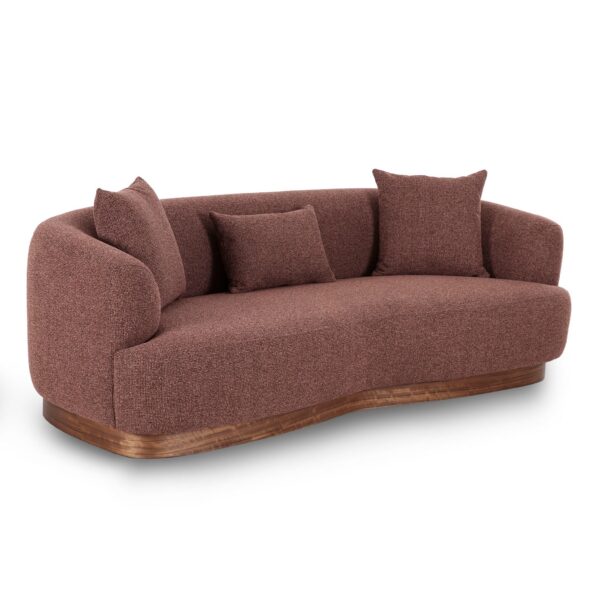
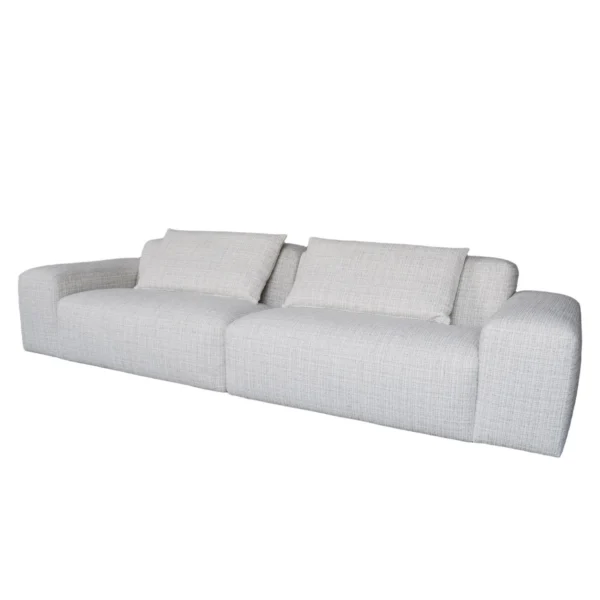
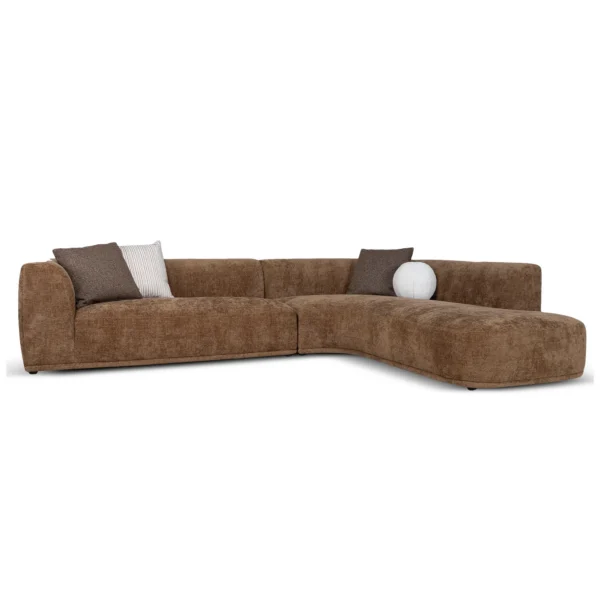
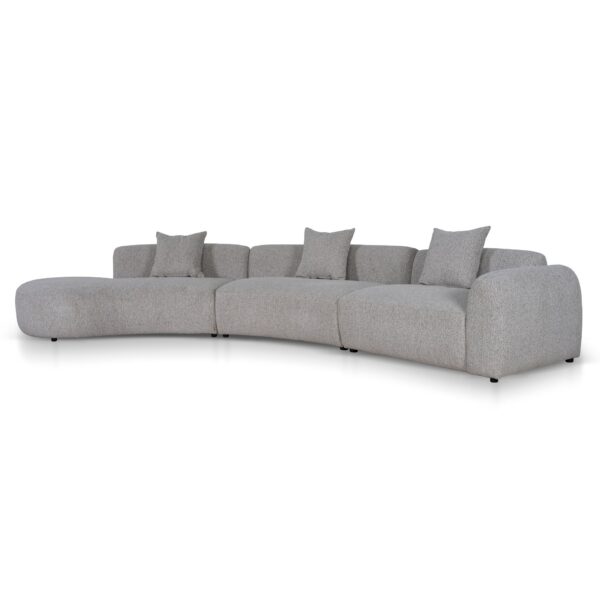
Showing 1–30 of 76 resultsSorted by recommended
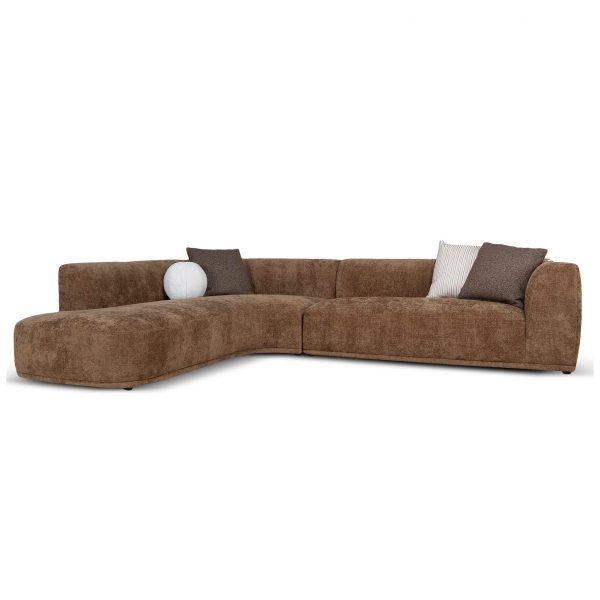
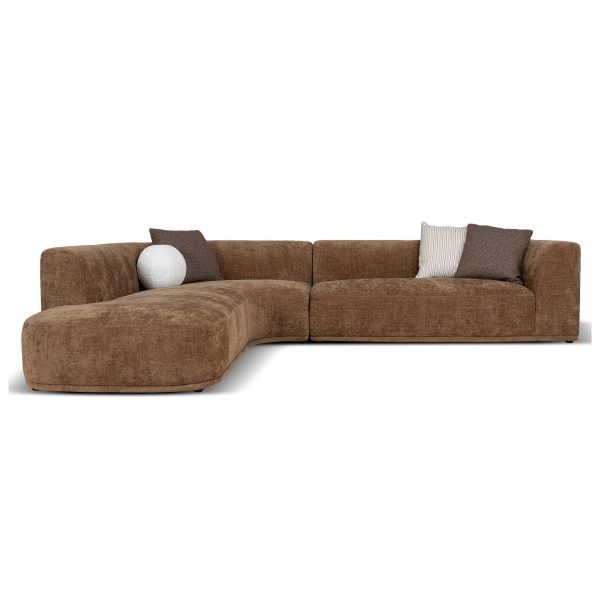
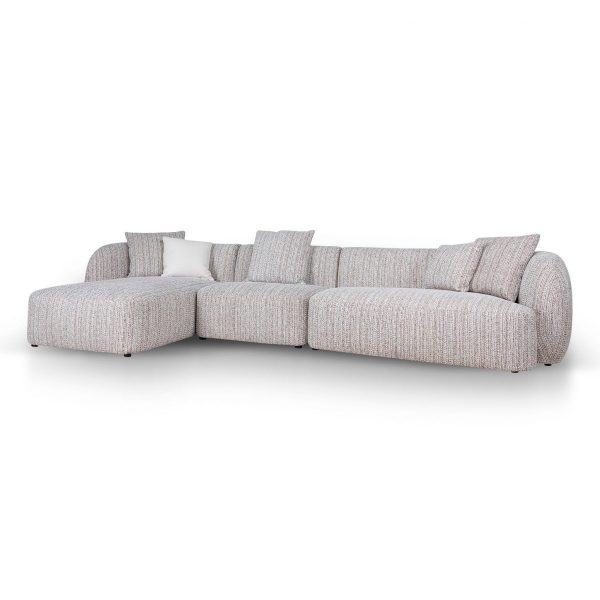
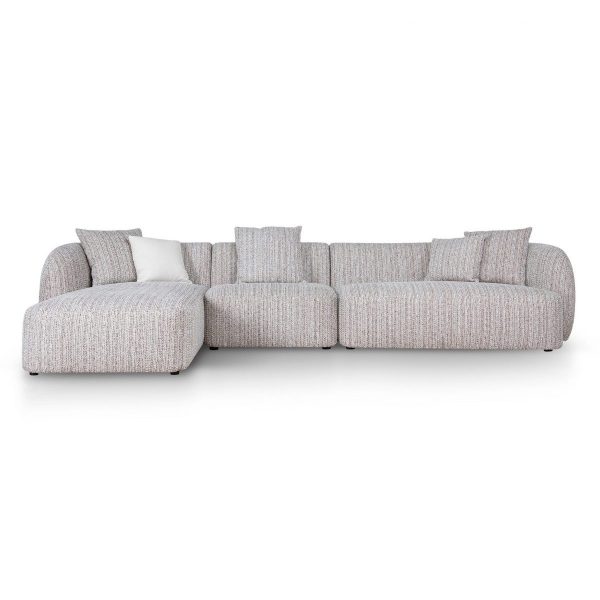
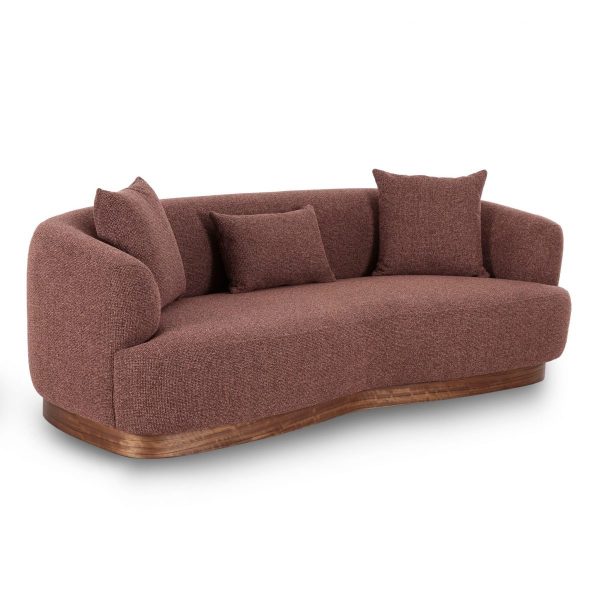
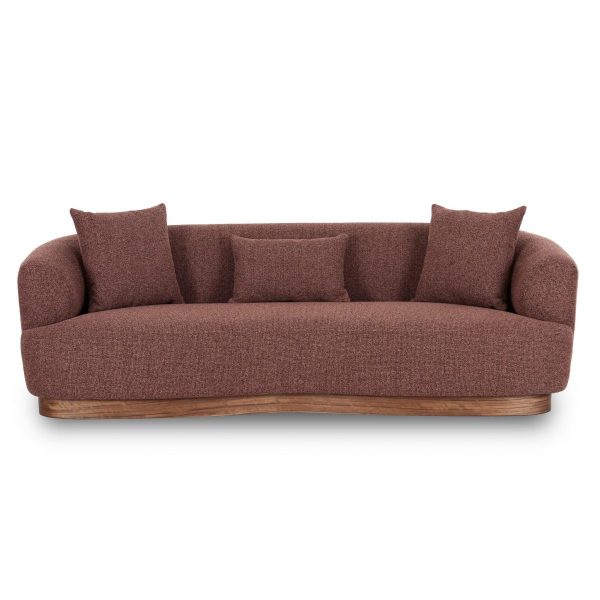
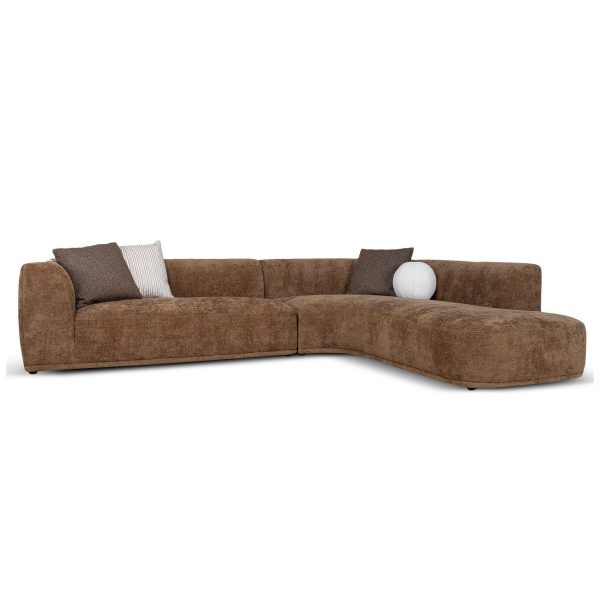
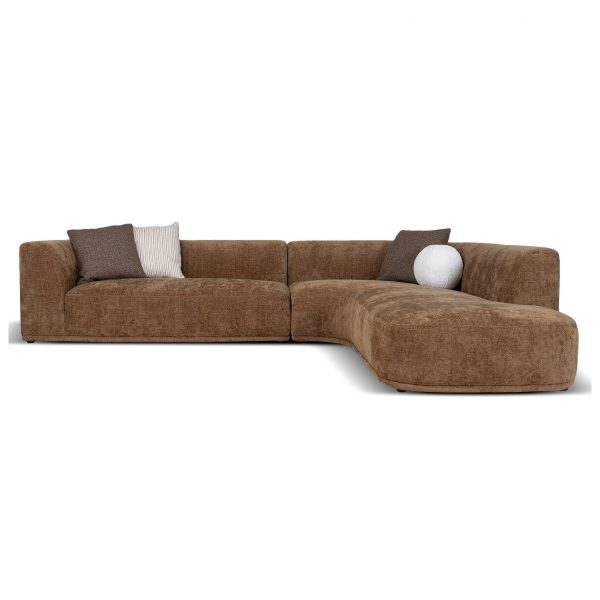
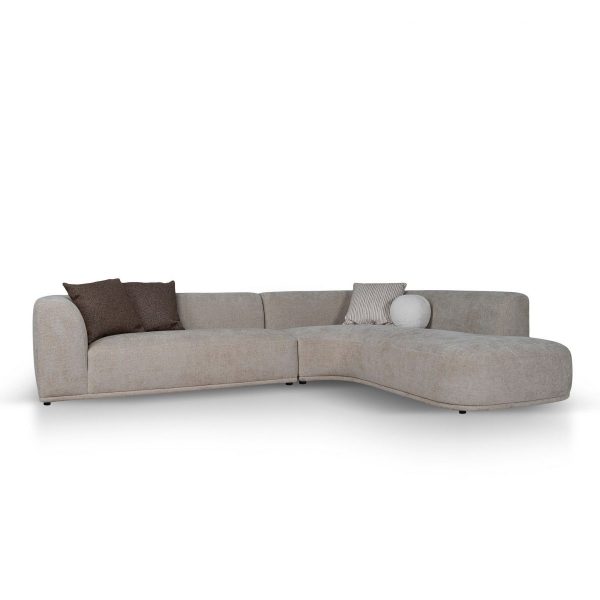
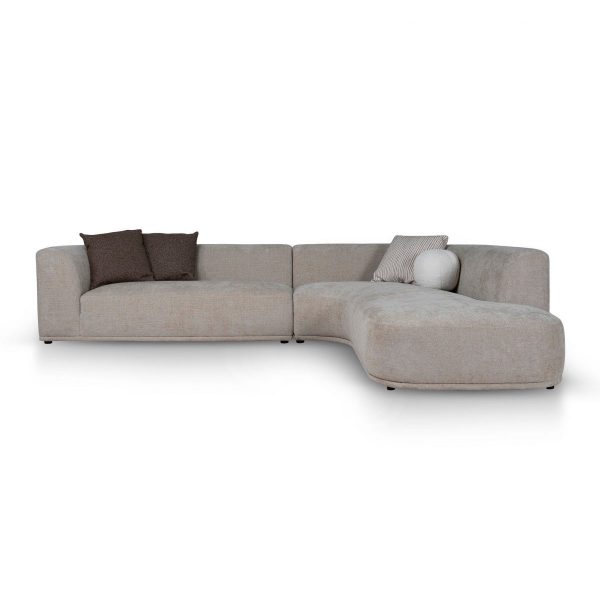
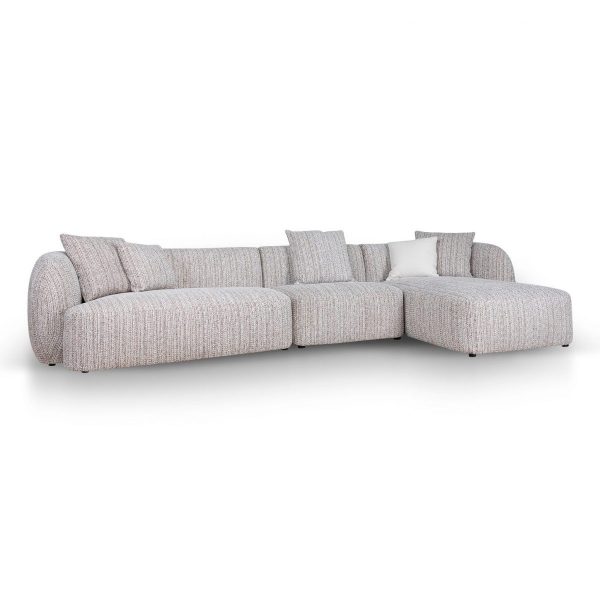
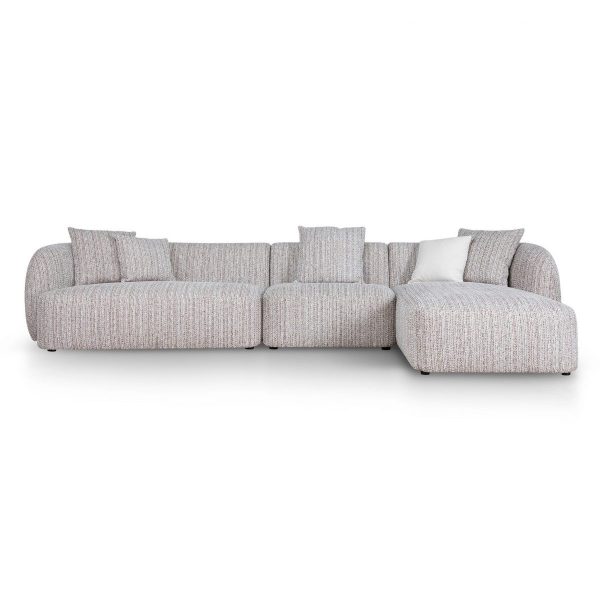
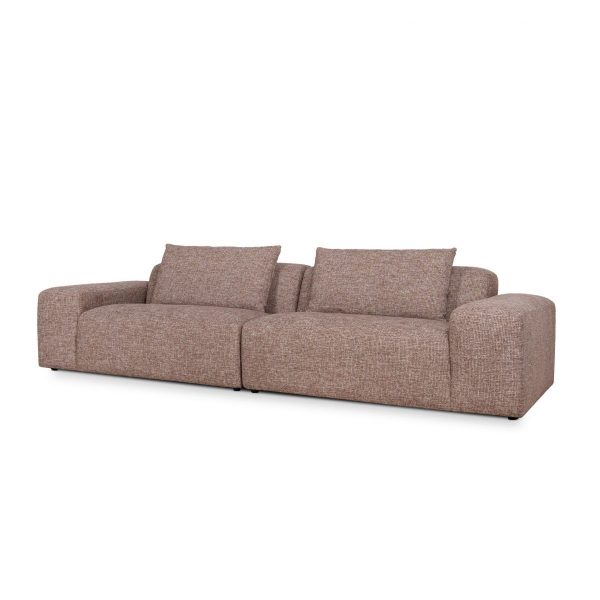
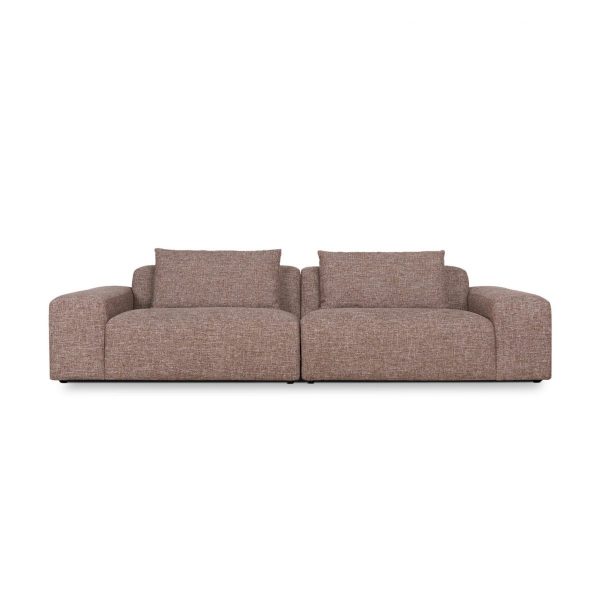
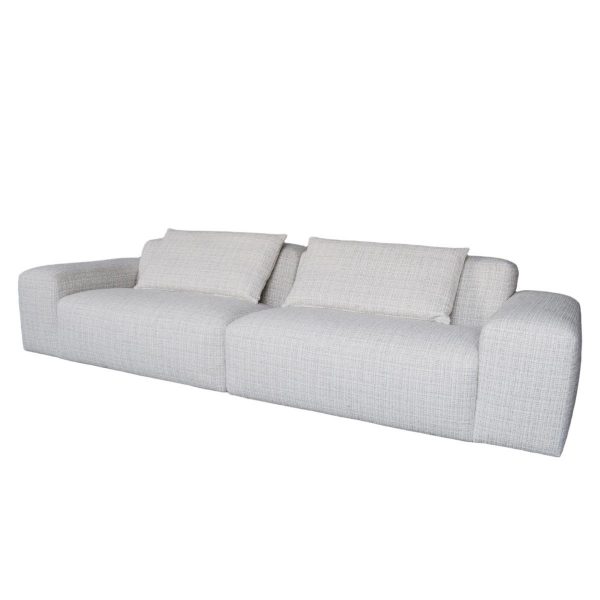
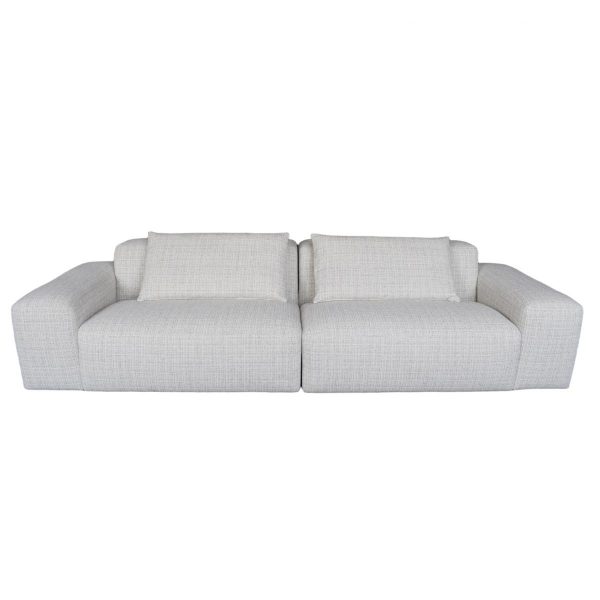
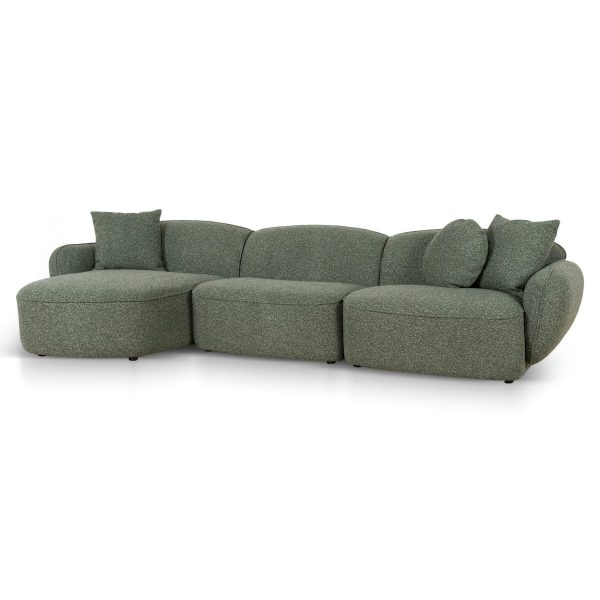
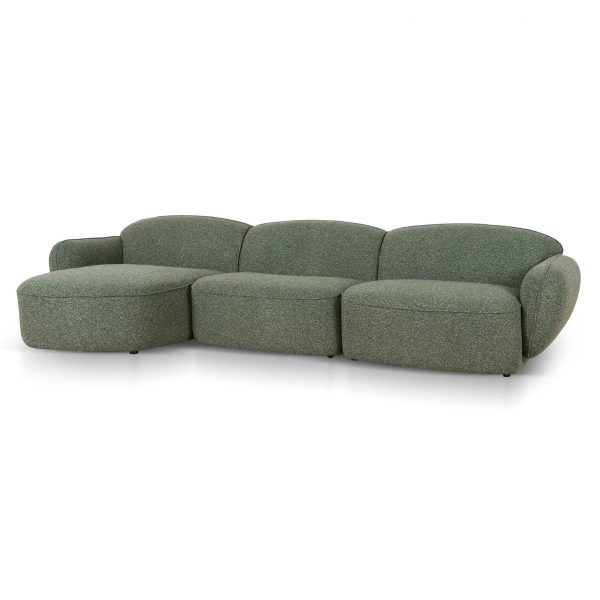
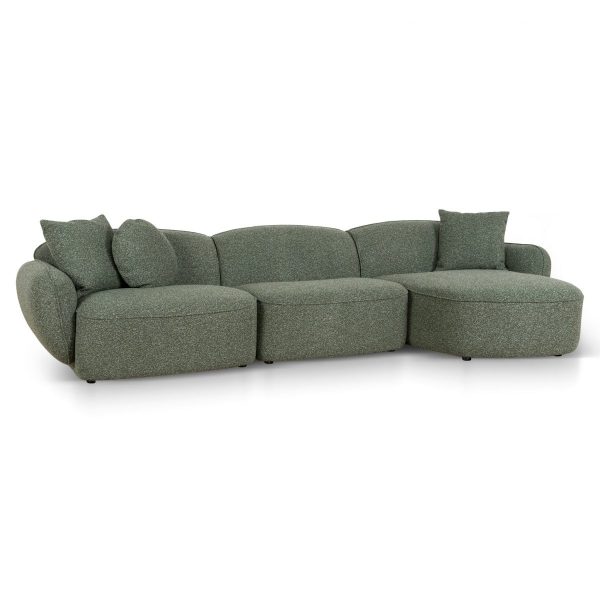
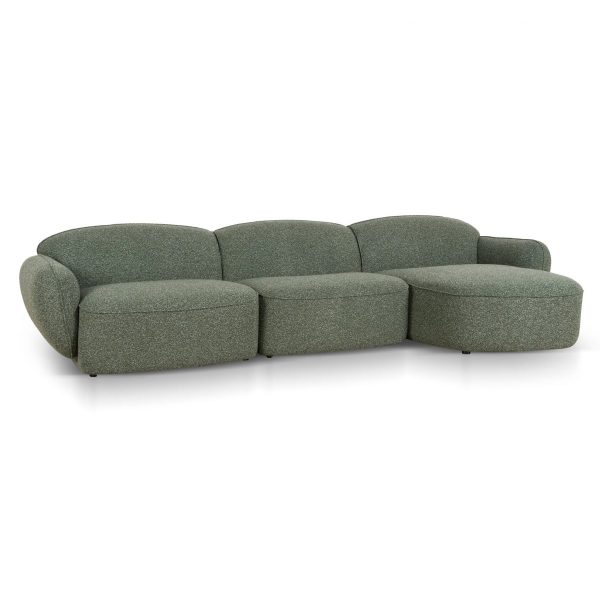
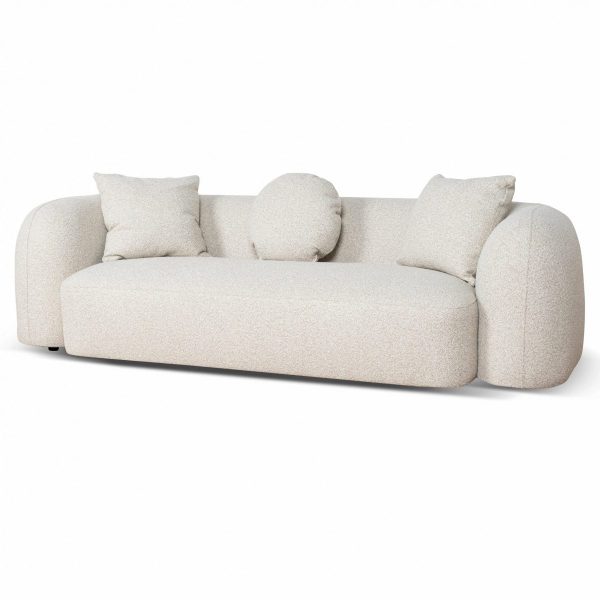
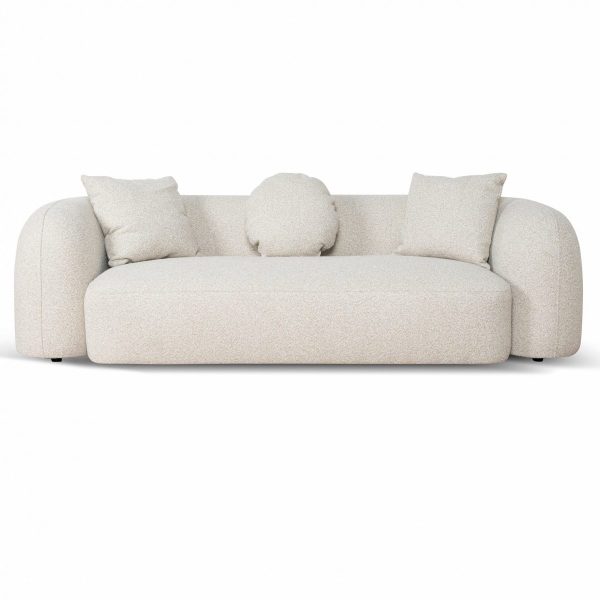
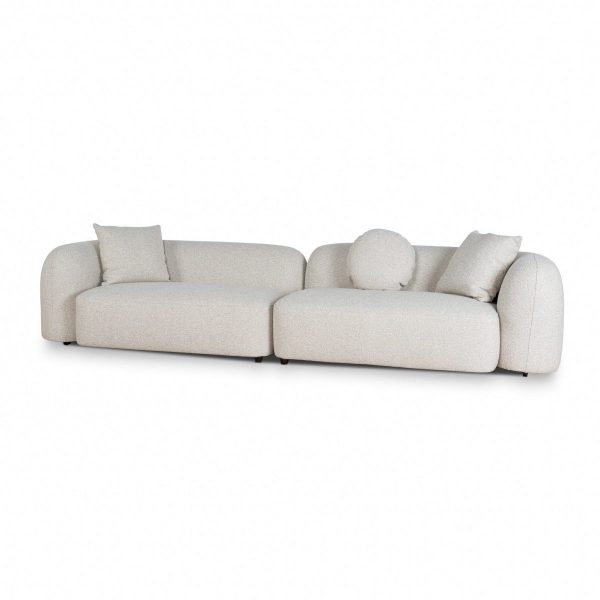
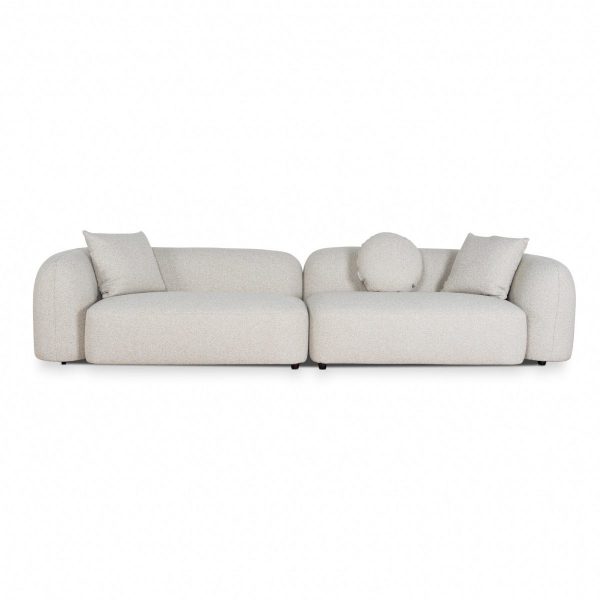
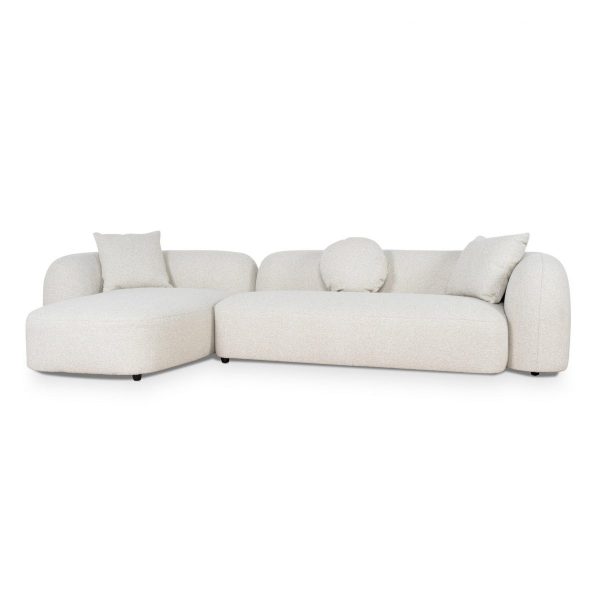
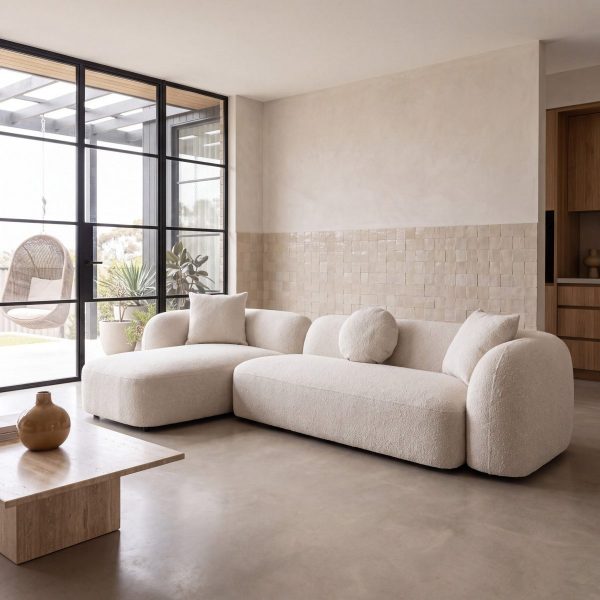
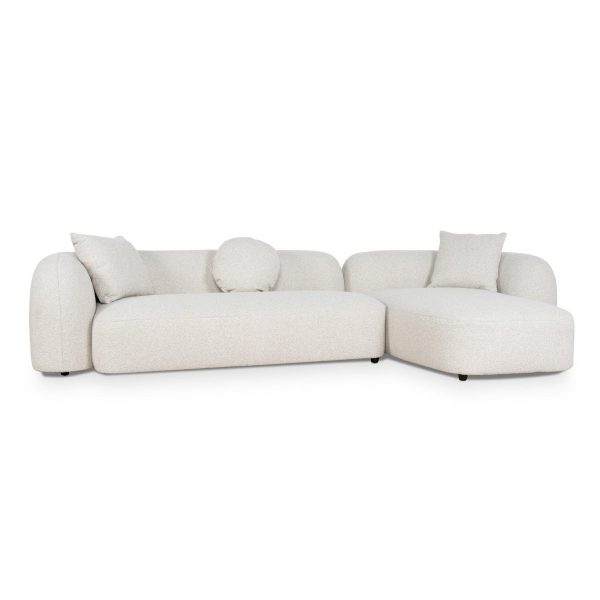
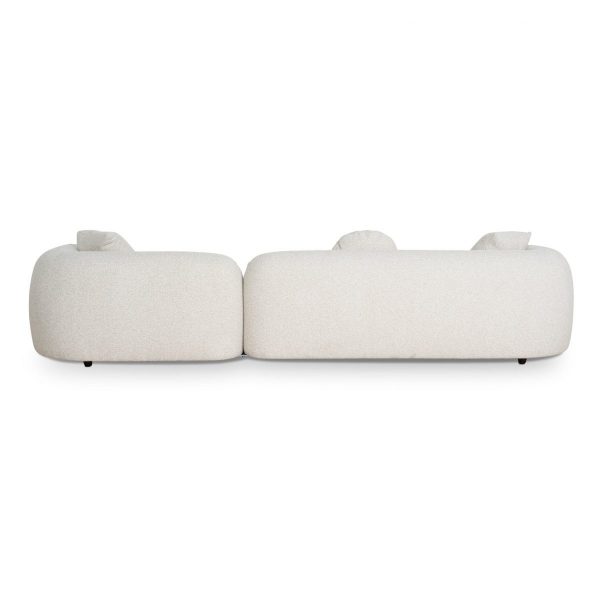
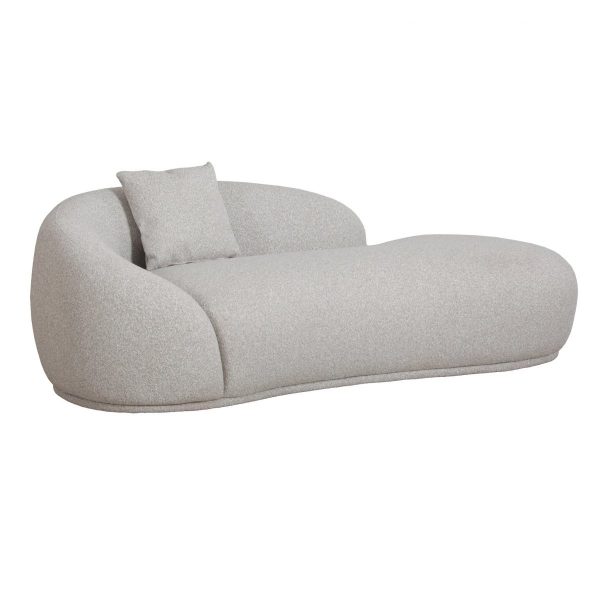
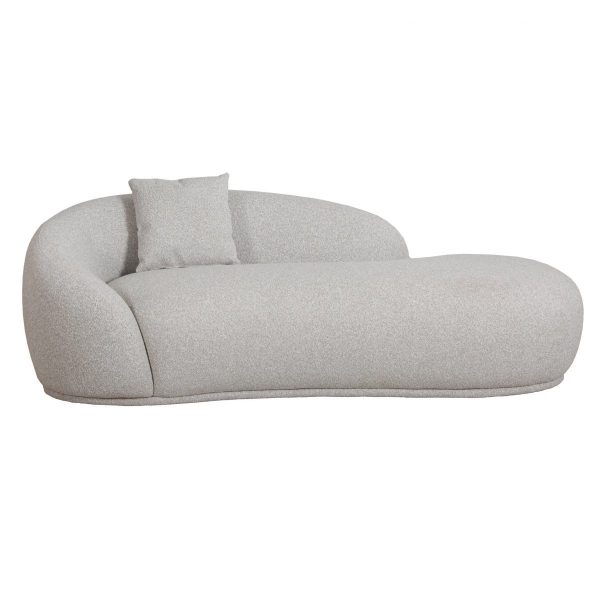
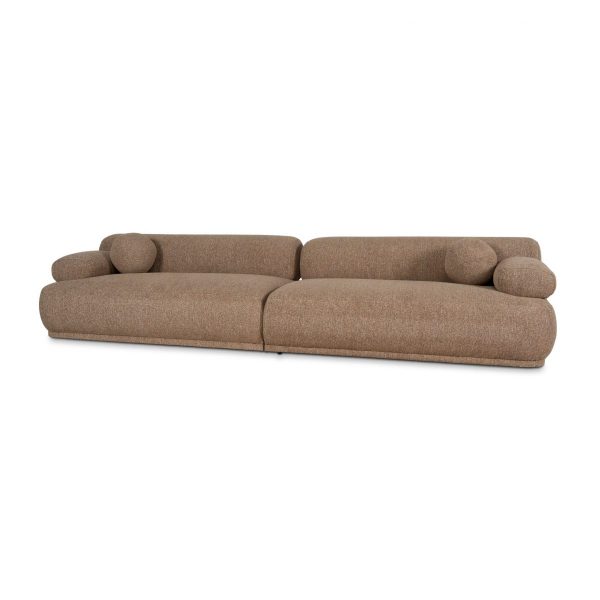

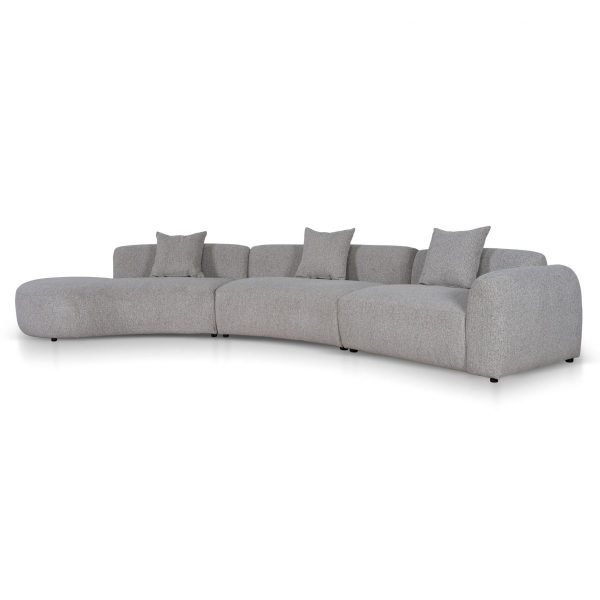
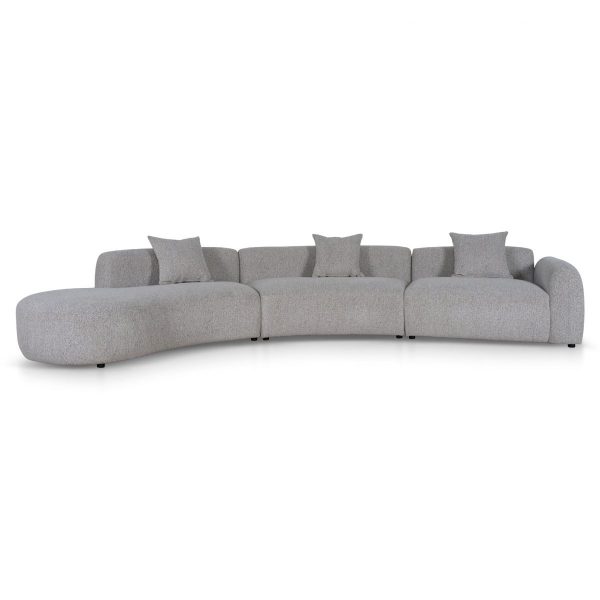
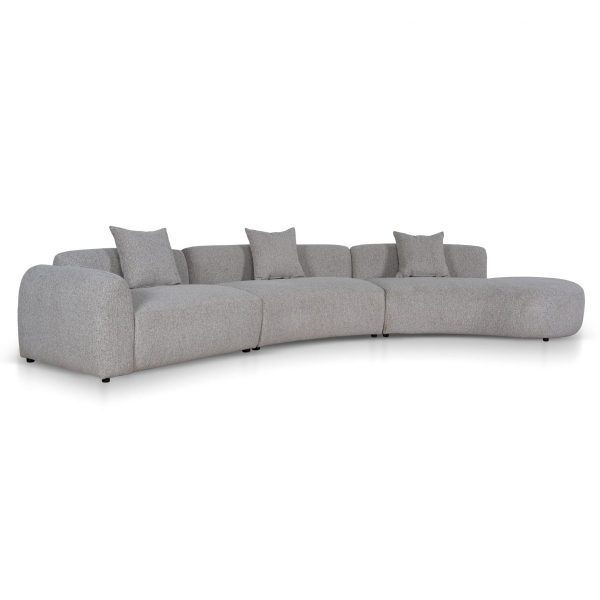
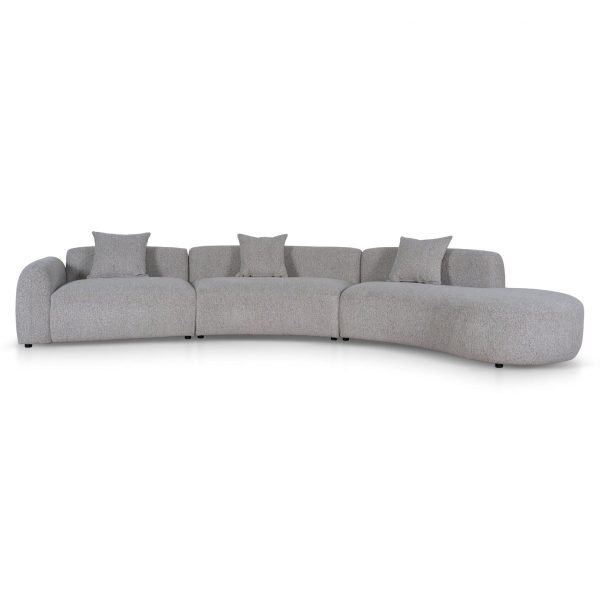
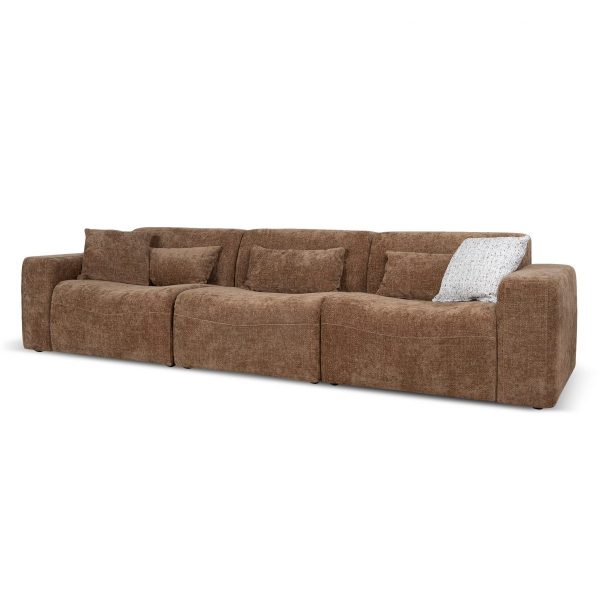
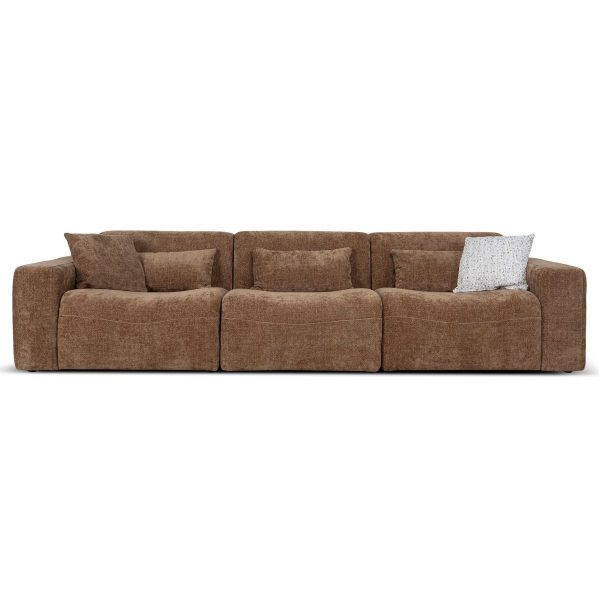

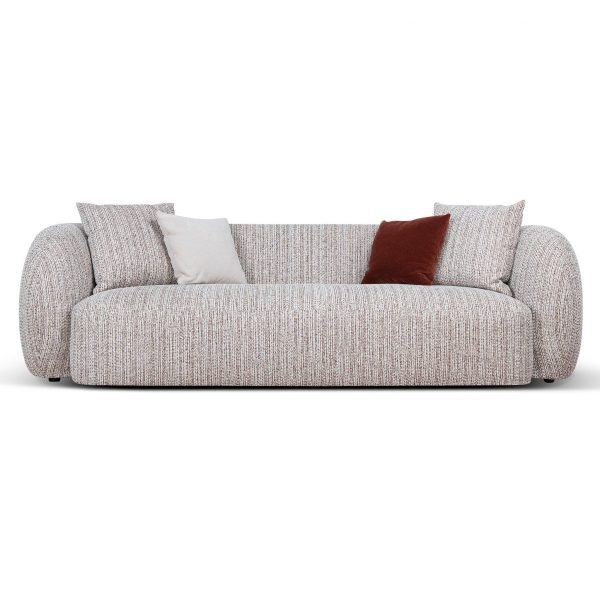
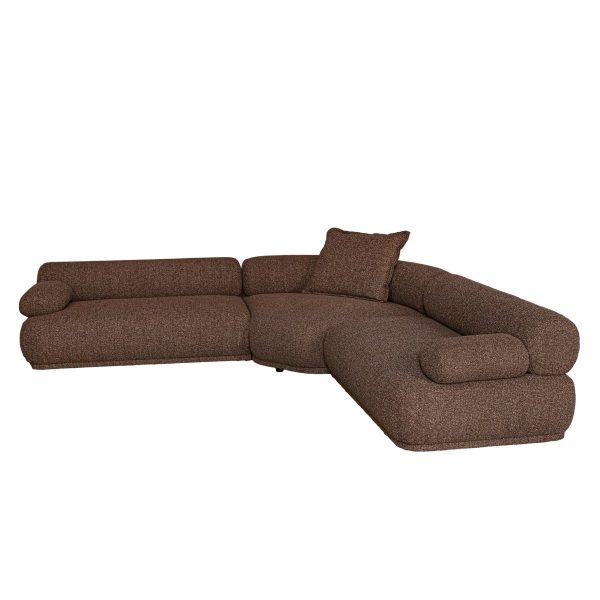
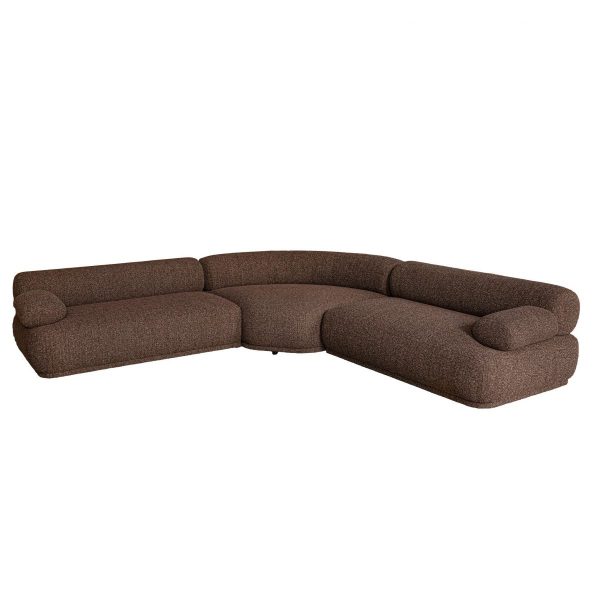
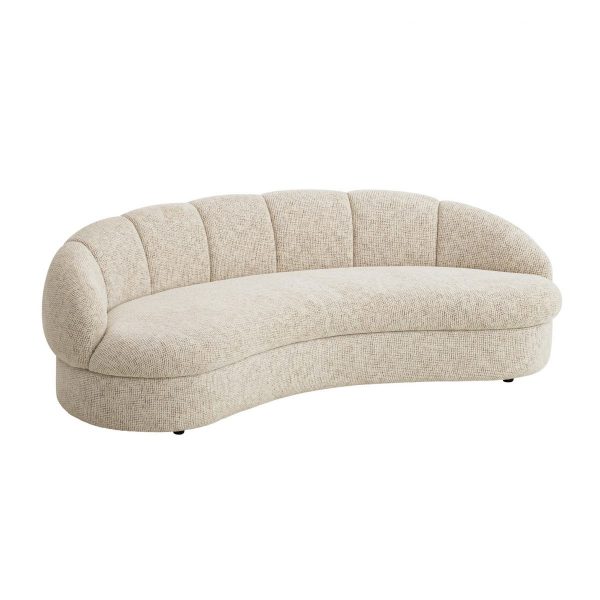

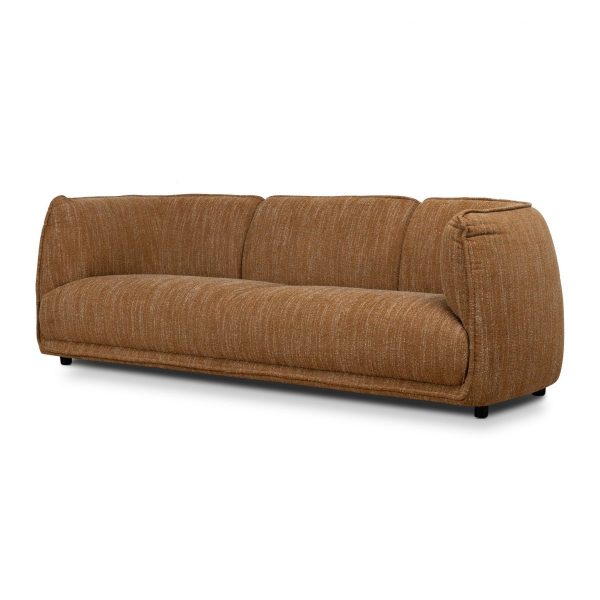
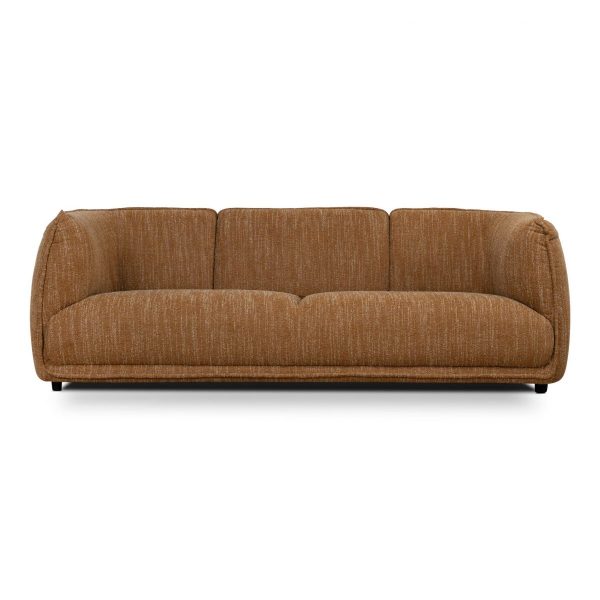
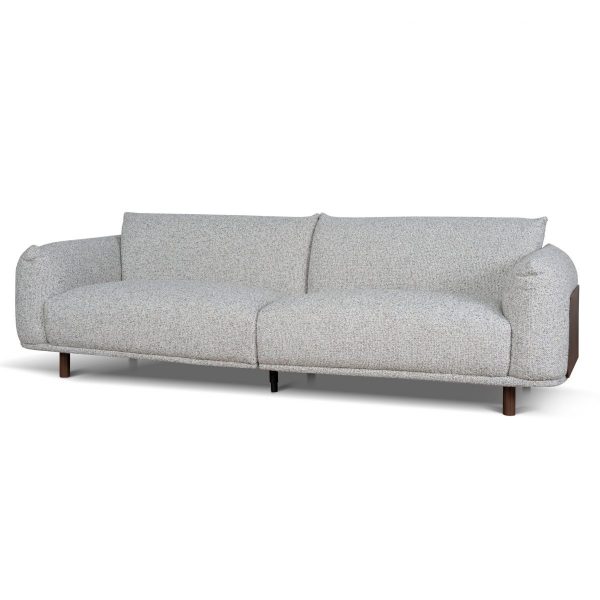
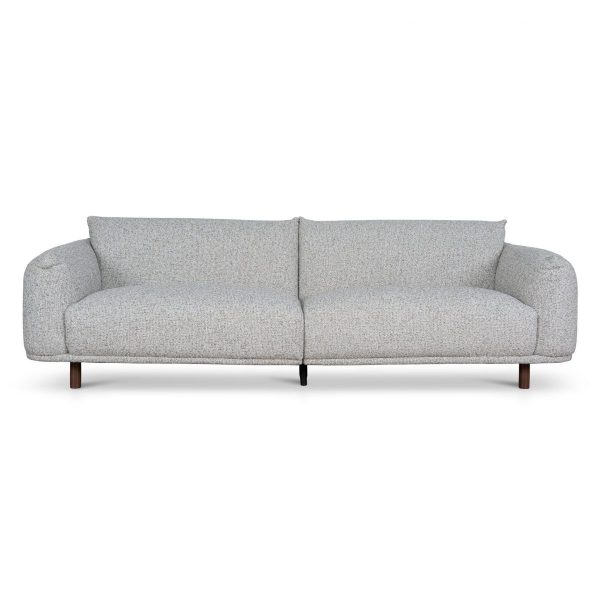
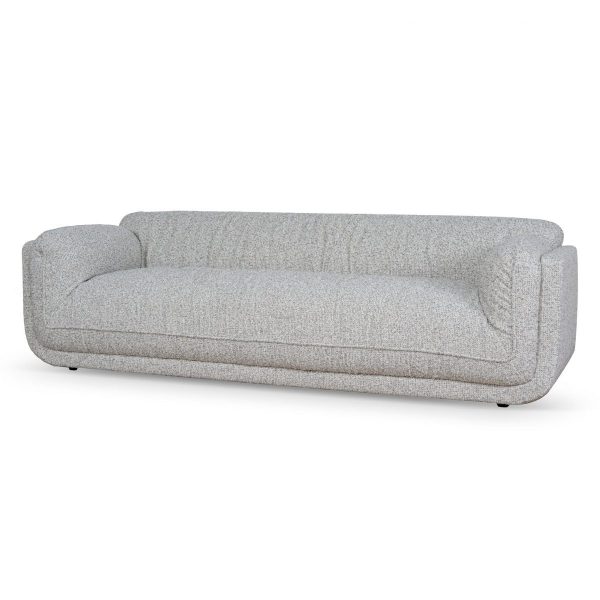
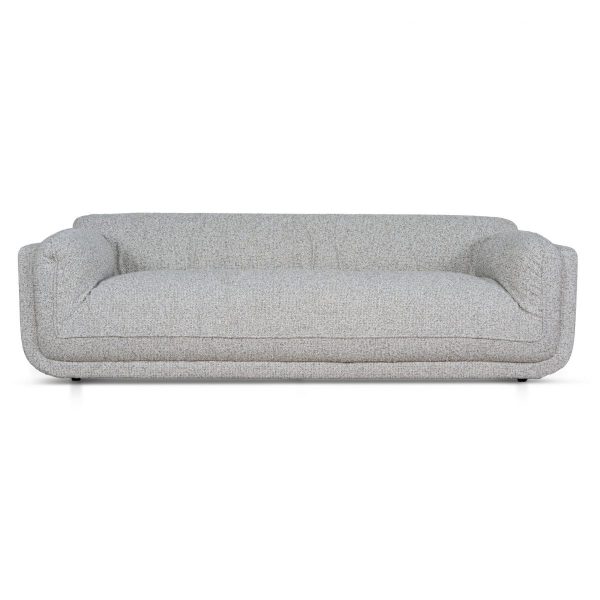
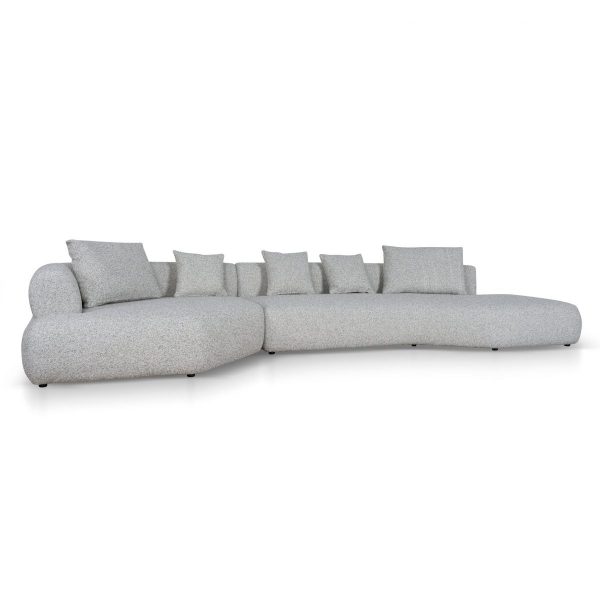
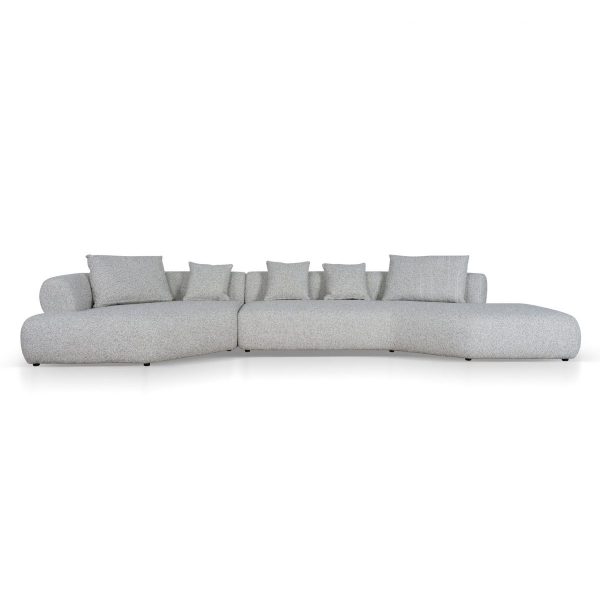
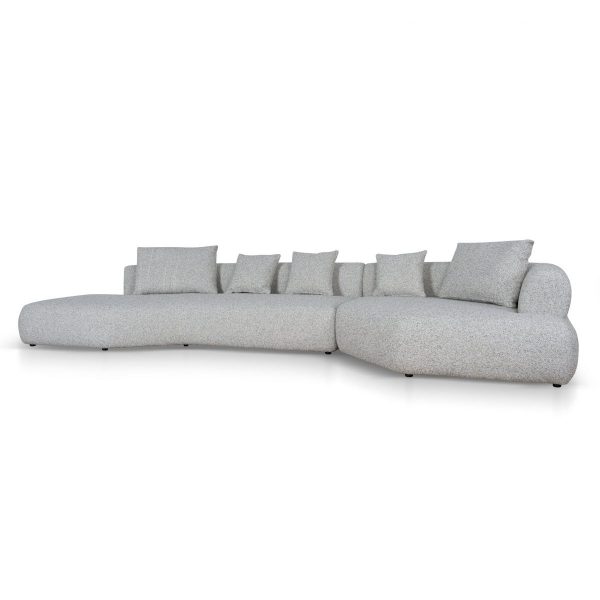
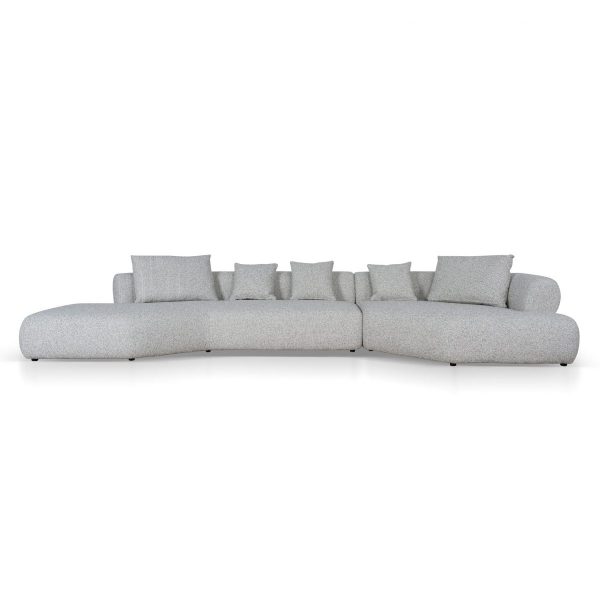
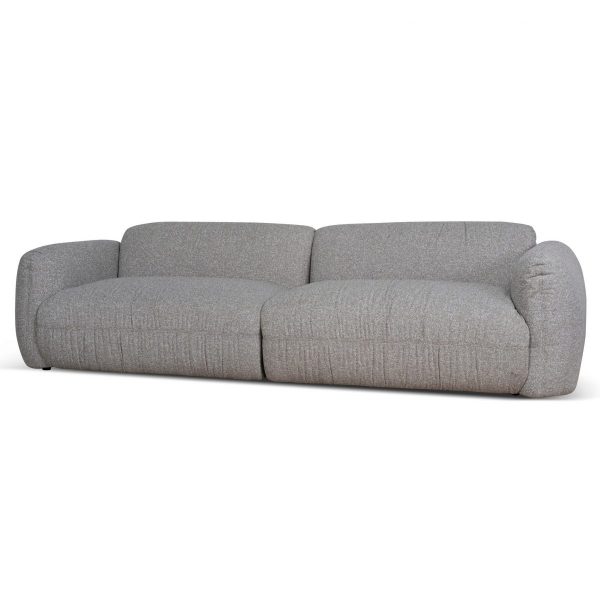
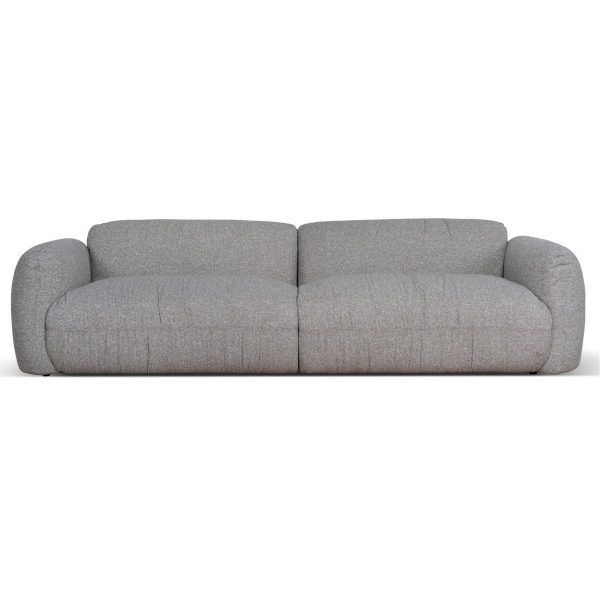
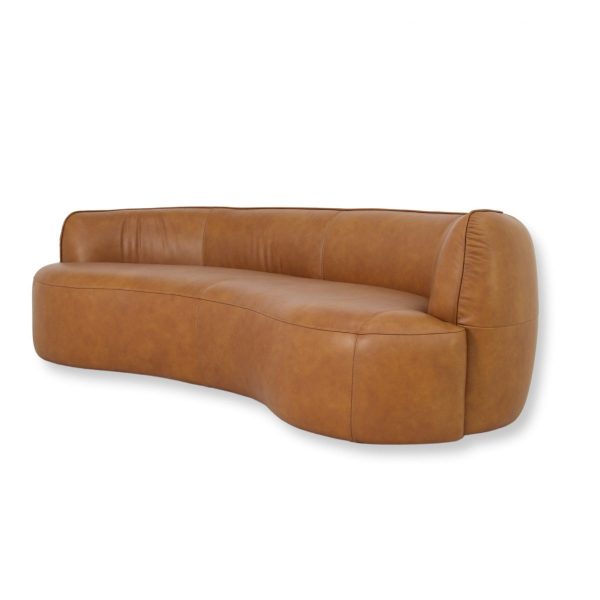
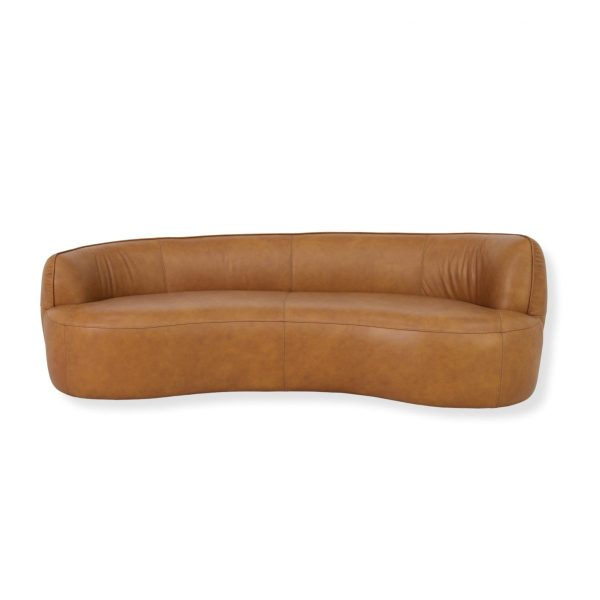

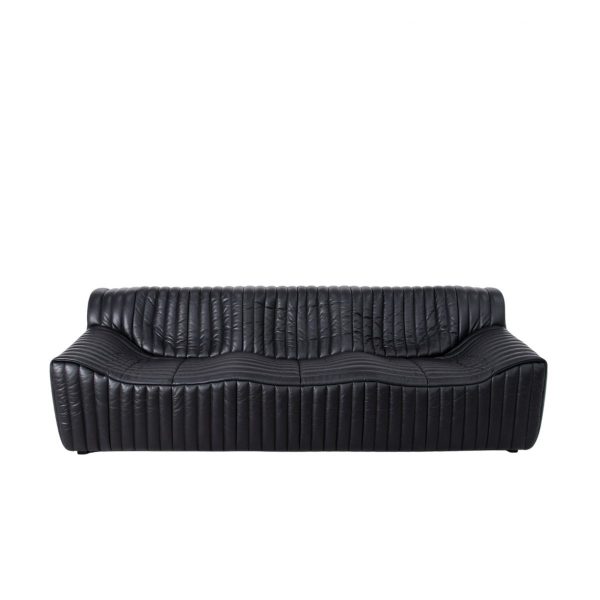
Choose the seating role before the outline
Count the people who normally sit in the room and consider how their positions change through the day. A main sofa may provide equal upright places, or a shared seat where one person often stretches across. Occasional visitors can be addressed differently from everyday household needs.
Compare 2 seater sofas for a smaller main arrangement and 4 seater sofas for more positions together, while checking actual dimensions. If a long resting section is essential, a chaise has its own projecting footprint. Avoid treating a capacity label as a complete room plan or a promise of comfort for every intended user.
Understand what makes a seat usable for you
Look at usable depth, back support, arms and cushion arrangement together. A seat can be broad yet awkward for someone who prefers feet on the floor; another can suit lounging but need a different posture for upright conversation. Overall furniture dimensions do not describe that experience on their own.
Use stated seating measurements and ask about missing details. Compare deep seat sofas when a deeper resting position is your purpose, rather than assuming depth is always an improvement. Comfort depends on the person and use. Keep that question separate from colour or upholstery until you understand which form supports the way you actually sit.
Fit the sofa into the room and the home
Mark the full footprint with nearby tables, door openings and the paths through the living area. Make sure everyday belongings and light are reachable without filling the route with extra furniture. An attractive seating shape should remain useful once people and their objects are included.
Read the cover material and care instructions for the selected item. Fabric sofas and leather sofas involve different specification questions, rather than an automatic better-or-worse choice. Check assembly and delivery component dimensions separately from the finished layout.