
Leather Sofas
Leather sofas need a clear upholstery specification before a material-led purchase. Check what covers the seats, backs, arms and any less-visible surfaces. A broad leather description should not be taken as proof that every part uses the same material or that an alternative covering is genuine leather.
Read moreRead less
The finish influences feel, appearance and care, while the support beneath it determines how the sofa is used. This guide keeps those decisions separate and connected. Browse any listed designs with the actual material details in view, or compare fabric sofas when weighing another cover. Start with the cover on the areas your hands and clothing touch most, then compare the actual finish and sitting support.
Showing all 5 resultsSorted by recommended
-
-
Week’s PickOriginal price was: $2,299.00.$2,069.00Current price is: $2,069.00.
-
-
-


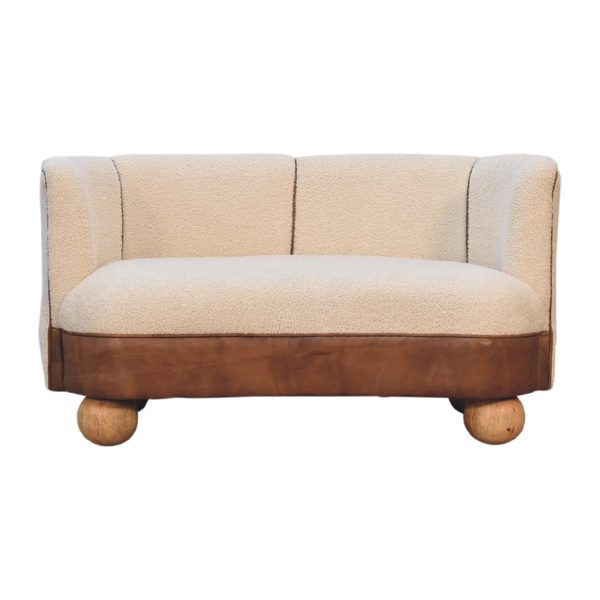
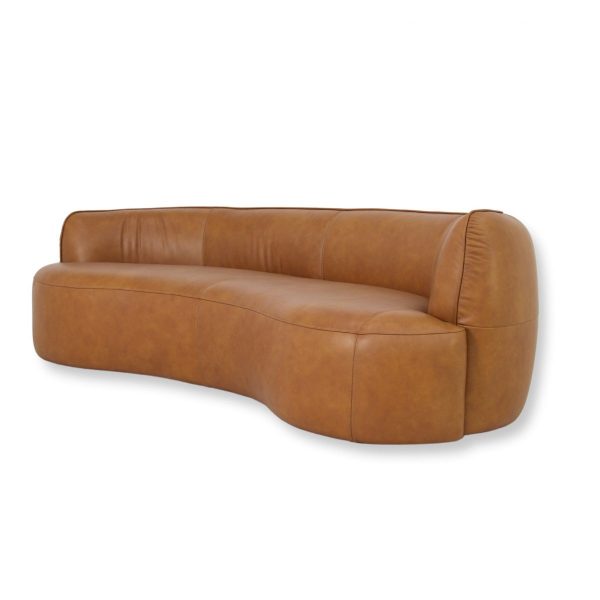
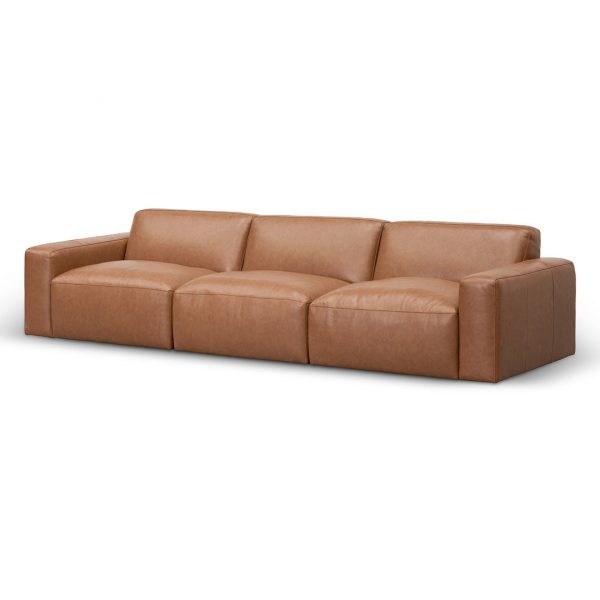

Confirm the material across the whole sofa
Read the covering description for the sitting surfaces and other components. If genuine leather, a coated leather or another material is important to you, ask for the exact specification where it is unclear. Do not infer it from texture, shine or the brown colour of a photograph.
Check whether different areas use different coverings and keep those distinctions in your notes. A visible leather seat does not establish the material on the rear panel or sides. Ask about the finish as well as the base material. Compare the documented seat, arm, side and rear covering of each shortlisted sofa, especially where it will be viewed from several directions.
Which leather finish suits the occupied surfaces?
If genuine leather is specified, ask whether its finish is aniline, semi-aniline, pigmented or another stated treatment. Aniline finishes leave more natural grain visible; semi-aniline adds a light pigment layer, while pigmented finishes can give a more uniform colour and conceal more grain. These are finish descriptions to confirm for the actual sofa, rather than types to assign from a photograph.
Decide how much visible grain and colour variation you welcome across a broad seat or arm. Then read the care for that finish at the places hands and clothing touch most often. Compare usable depth, back and cushion support separately through the wider sofas category. Choose the finish and the sitting form together, without treating a more uniform surface as a guarantee of durability or easy cleaning.
Follow care suited to the actual upholstery
Read the product’s cleaning, protection and placement guidance. Do not apply oil, conditioner or a household cleaner simply because the collection name includes leather. The stated finish and any mixed components may require different methods.
Compare the stated placement guidance with your planned room position, and consider how the most-used arms and seats will be cared for. Keep the surfaces easy to reach for maintenance and use throws or cushions only where they help the intended seating. For another construction overview, compare upholstered sofas.