
2 Seater Sofas
2 seater sofas can anchor a living room without using the length of a larger seating arrangement. Start with the two people who use the room most often, then consider whether occasional visitors need another place to sit. A smaller main sofa and a separate chair can support a different room layout from one longer sofa.
Read moreRead less
The seater name is a starting point, not a complete size specification. Arms and backs occupy space as well as the seats. Use this guide to plan the whole arrangement before choosing a particular shape. Browse any designs shown below, and compare the wider sofas category when deciding how much main seating the room needs.
Showing all 4 resultsSorted by recommended
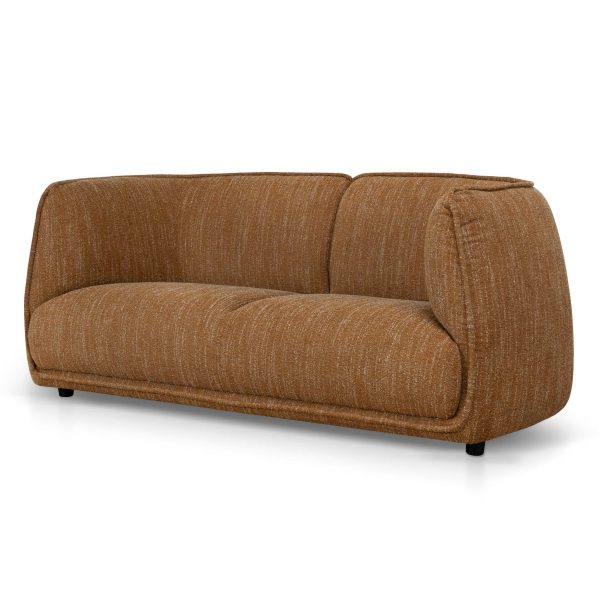

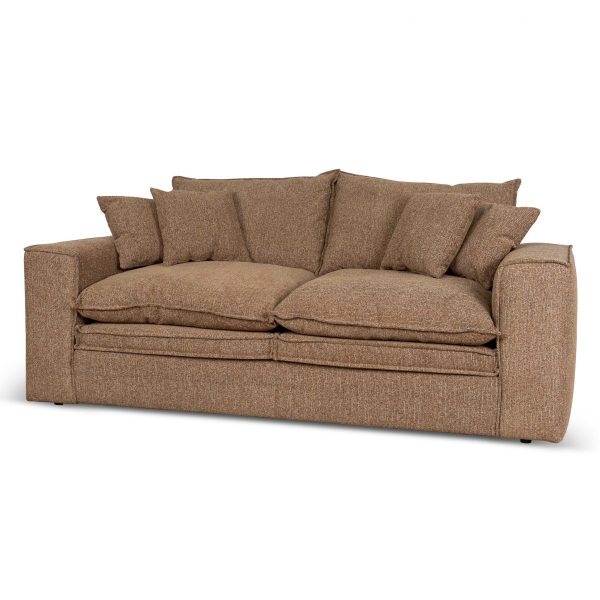

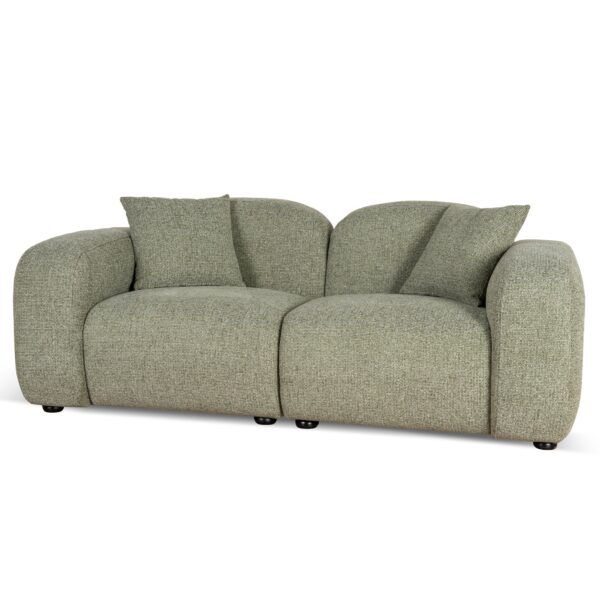
Where should a two-person sofa anchor the room?
Choose the main viewing or conversation direction, then mark the full sofa footprint. Keep room entry, nearby doors and the routes through the living area visible on that plan. A compact sofa is useful when it leaves the other room functions workable, rather than simply fitting against a wall.
Place the coffee table outline next and check access from both seats. Include a side table if someone regularly reads or uses a drink at one end. Compare 3 seater sofas when everyday seating is the priority and a longer form can genuinely fit. Do not increase seater count without checking the surrounding arrangement.
Do two people need equal seating space?
Think about how the sofa is shared. Two people sitting upright need a different arrangement from one person stretching across it while the other uses a chair. Compare usable seat width, cushion layout and arm position with those habits.
Broad arms can occupy a substantial share of the overall width. Deep seats can also change how comfortably someone sits upright. Ask about usable dimensions where they are not stated, rather than relying on the two-seater label. If reducing every dimension matters more than a particular capacity, review small sofas and check their actual seating role separately. The sofa should support the household, not only the room outline.
Leave room for the things that make sitting useful
A sofa sits within an arrangement of light, reachable surfaces and other seats. Decide where a lamp or book belongs without narrowing the route past the sofa. If guests are infrequent, a separate occasional seat may suit the room better than a main sofa sized around rare gatherings.
Read the individual product’s upholstery, cushion and assembly details once the layout works. Check delivery access separately, using any supplied component or package measurements rather than assuming the finished footprint tells you how it enters the home.