
Small Sofas
Small sofas help when a living room needs seating without giving its whole floor to one large piece. The useful comparison is the full width and depth alongside the space available inside the arms. A compact exterior should still serve the people who sit there every day.
Read moreRead less
Identify which room function is constrained: movement from the door, a dining area, table reach or another seat. Then compare sofa dimensions against that particular problem. This guide helps reduce furniture scale without losing its purpose. Browse any listed pieces by actual measurements, or assess 2 seater sofas when nominal two-person seating is useful, while remembering that two seats are not automatically a small exterior.
Showing all 4 resultsSorted by recommended
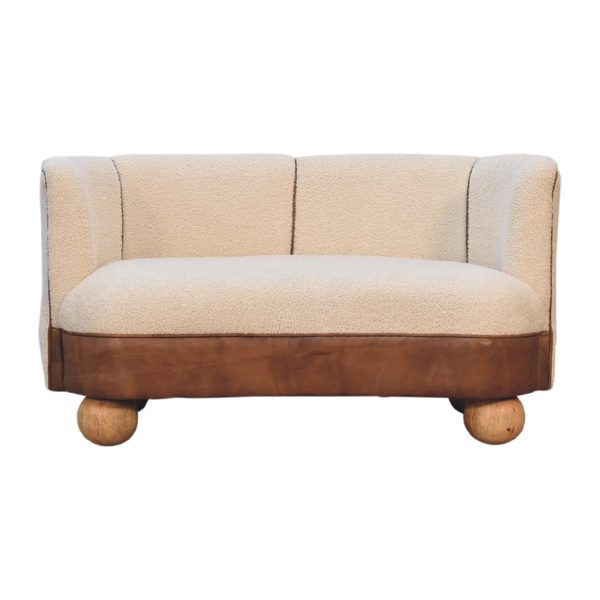

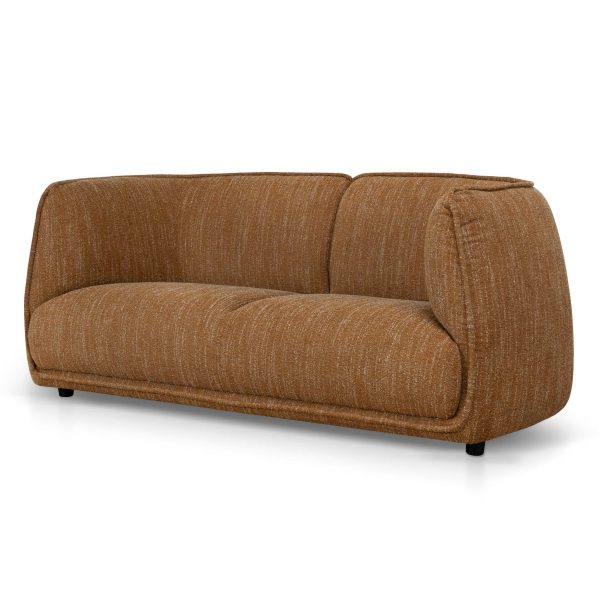

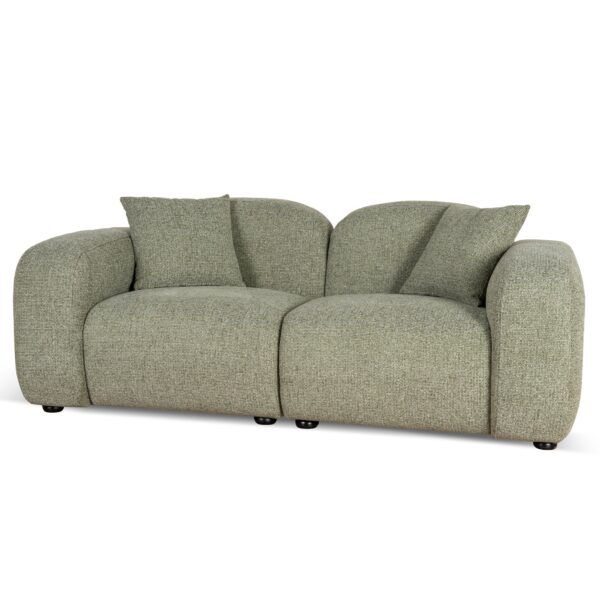
Reduce the dimension that actually blocks the room
Mark the sofa, nearby table and the routes through the space. Decide whether width, depth or both are limiting you. A narrower sofa may still project too far into a passage, while a shallower one may leave the long wall overfilled.
Use complete measurements including arms and any projecting part. Consider visible floor beneath the base as an appearance detail, not extra physical clearance. If the room includes another activity, such as dining or working, keep its furniture on the plan. The wider sofas category helps compare forms, but the compact choice should solve the actual constraint rather than simply look smaller in a styled photograph.
Protect the usable seating area
Compare the proportion of exterior width used by arms and structure. Broad arms can leave less sitting space than expected in a compact sofa. Ask for usable seat width and depth where those details are missing instead of treating the outside measurement as the occupied area.
Think about the usual users and posture. A compact seat may need to support upright conversation rather than stretching across, or another arrangement may be better. Compare 2 seater sofas for detailed sharing questions. Small should describe a workable fit for the room, not a compromise that leaves regular sitters without the useful support or space they need.
Keep the whole arrangement flexible
A small main sofa can leave room for a separate chair, light or another daily function. Plan those gains deliberately rather than filling every freed gap with more furniture. A reachable surface for a book or drink should remain accessible without narrowing the route you wanted to improve.
Read upholstery and care requirements for the actual design once the form fits. Check assembly and delivery dimensions separately, since a compact finished piece can still need a particular access route. If deep resting is essential, compare deep seat sofas honestly against the room; reducing exterior dimensions and increasing useful lounging depth are separate goals to weigh together.