
Modular Sofas
Modular sofas bring a component arrangement into the main seating choice. Begin with the layout your room needs now, then read which pieces are actually supplied and how they are allowed to connect. Modular does not establish unlimited layouts or promise future matching components.
Read moreRead less
A useful system should provide the required seats and leave room for tables and movement in its chosen configuration. Think about likely changes only after that ordinary arrangement works. This guide helps make the flexibility question practical. Browse any listed pieces with a complete room plan, or explore the wider sofas category when a fixed sofa form may serve the household’s current use more clearly.
Showing all 7 resultsSorted by recommended
-
-
On SaleOriginal price was: $4,559.00.$4,012.00Current price is: $4,012.00.
-
On SaleOriginal price was: $6,394.00.$5,627.00Current price is: $5,627.00.
-
-
-
-
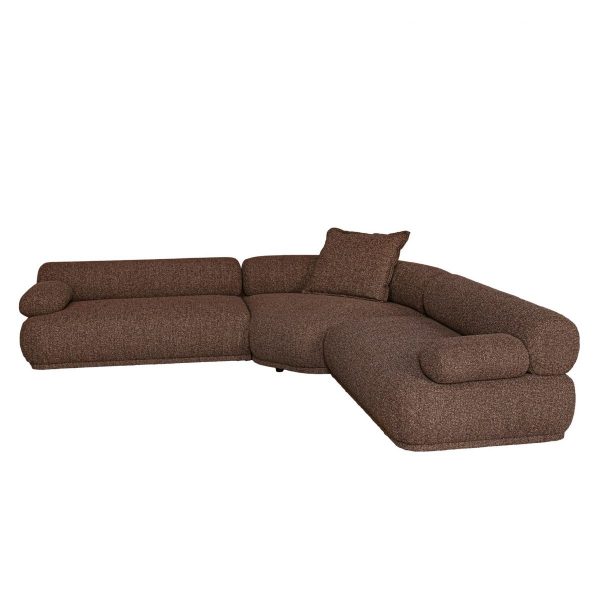

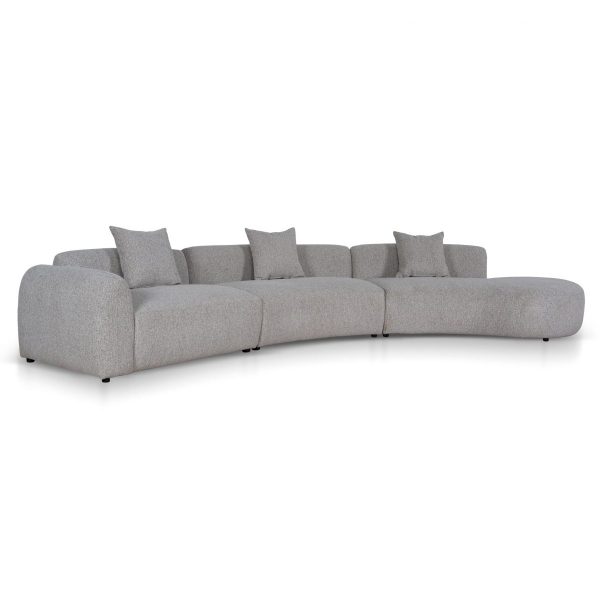
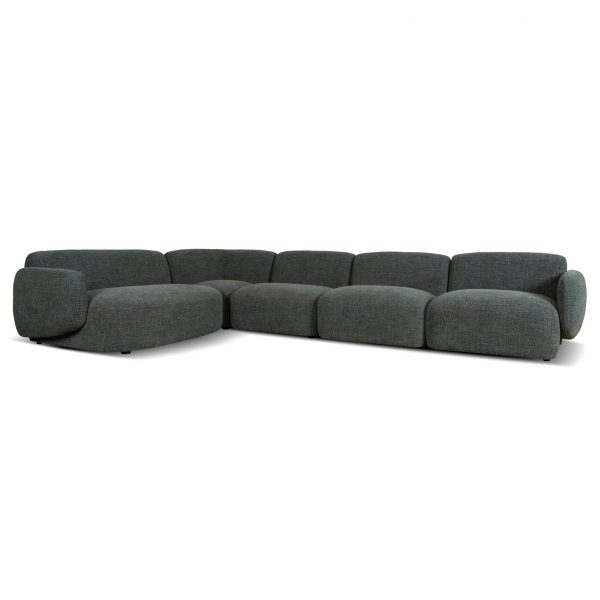
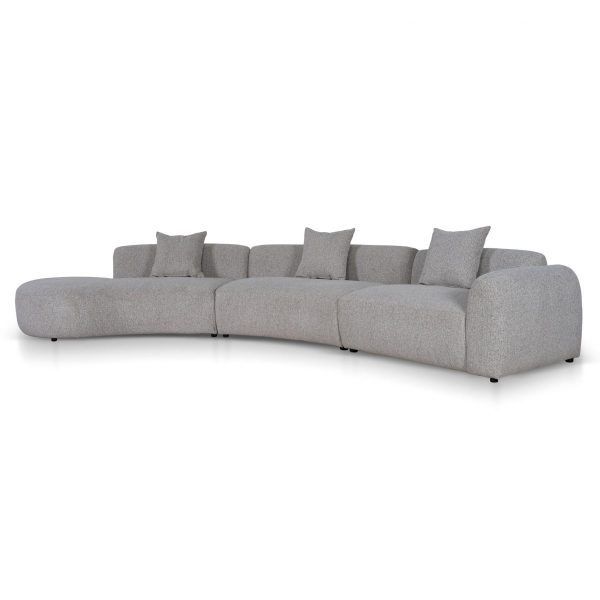
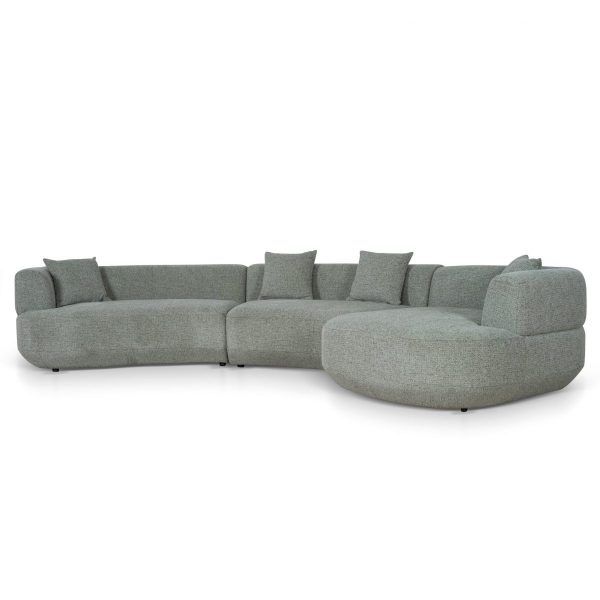

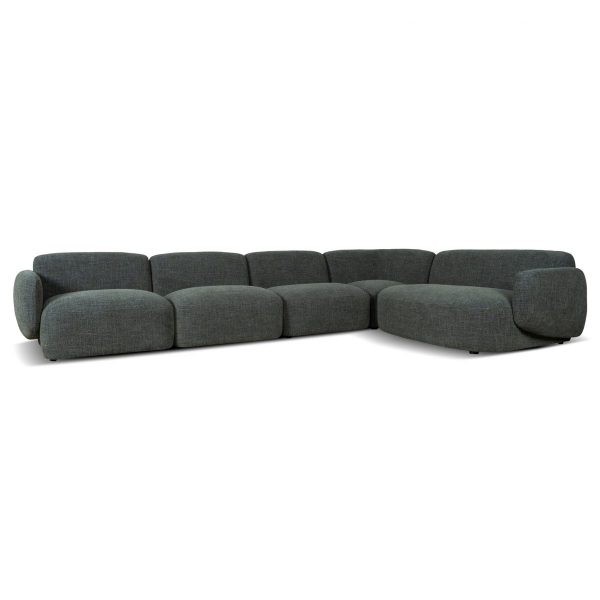
Plan the arrangement used every day first
Map the actual configured sofa with the table, room entry and other furniture. Include occupied positions and routes around corners or projecting pieces. A system chosen for future possibilities should still support normal seating in the present room.
Count regular users and decide how they sit: conversation, shared screen or individual resting positions. Components can serve those roles differently depending on the actual design. Compare chaise sofas where a long resting section is the main purpose. The useful modular choice begins with a real current scene rather than an imagined future layout used to excuse awkward circulation or unsuitable everyday seating.
Know what each supplied component does
Read the selected configuration and contents. End, corner or other pieces may have different dimensions and arm/back arrangements where specified. Do not assume each component can act as an independent chair or be placed in any order.
Check usable seat dimensions alongside the complete exterior. Connections, arms and backs take room, so an overall footprint does not describe every sitting position. The modular sofa component guide can help compare the pieces more closely. Confirm connection and support instructions for the actual product. A clear diagram and accurate included-piece list are more useful than counting visible cushions or expecting a component name to establish all possible combinations.
Check supported layouts and future additions
If moving or changing the layout matters, ask which actual configurations are supported and whether the selected pieces can perform them. Reversibility, separable use and additional compatible modules are separate features, not automatic consequences of the modular label.
Read upholstery, care and any component-specific differences too. Confirm assembly and delivery measurements for the supplied pieces independently from the finished arrangement. Ask about future compatible supply and finish matching if later additions are central to your plan. Confirm which of the illustrated arrangements the supplied pieces can make.