
Living Room Decor
Living room decor should make the seating area feel resolved without filling every table or shelf. Begin with the view you want to improve, from the doorway or the seats used most often. Decide whether the room needs a focal form, a material connection or a quieter finishing detail.
Read moreRead less
Then choose the surface and measure the full object scale. Coffee tables, consoles and shelves have different everyday tasks, so one display approach should not be applied everywhere. Coffee table decor, console table decor and shelf decor help refine those locations. Choose the wider room composition with useful space and actual materials checked beside the visual role.
Showing the single result
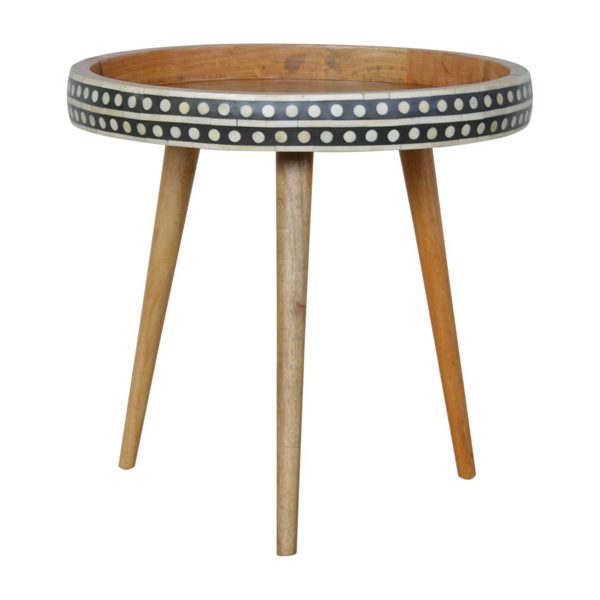

Which view needs the main finishing detail?
Look at the room from the entrance and from the place you usually relax. A wall feature, lamp or large furniture form may already lead the composition. Choose a decorative object to support or deliberately change that relationship rather than compete with every existing detail.
Consider the background that frames the object. A clear silhouette against a quieter surface can become a focal point without several extra pieces. Sculptures help with that form-led choice, while wall art is a separate comparison if the main need is on the wall. Give the new detail one specific role in the actual room view before choosing colour.
How can materials connect the seating area without exact matching?
Compare the stated object surface with upholstery, timber, floor and other visible room finishes. Repeating one warmth, sheen or texture can make the arrangement coherent without copying every furniture material. A deliberate contrast can provide another clear relationship.
Explore marble objects when that named stone is your material choice, with construction verified. Timber objects offer another component comparison. Assess full scale from the seat rather than only a material close-up. The surface should contribute to the room’s composition while actual care and base contact remain practical.
Which surfaces and routes should stay easy to use?
Plan the ordinary actions around the lounge: reaching a table, removing books, walking between seats and moving decorative pieces for cleaning. Add each object’s full footprint to that arrangement. A display that looks complete can still make everyday use inconvenient.
Read the actual intended use and placement rather than assigning water, food or another function from a decorative shape. Check base protection and care for the support surface. Bookshelf decor keeps reading access central if that is the location. Choose fewer or differently placed pieces when needed. The decor should finish a comfortable room while its tables, shelves and routes continue doing their ordinary jobs.
Frequently Asked Questions
Use decorative accessories for the broader choice between focal objects and other accurately described finishing pieces.