
Marble Decorative Objects
Marble decorative objects are a named-stone choice within a room’s finishing detail. Confirm the material and relevant component first, then compare the actual pattern and finish with your furniture. A veined or stone-like photograph is not enough to establish marble construction.
Read moreRead less
Decide what role the form should play on the intended shelf or table. Stone detail may be the focal interest, or it may support a quieter shape beside other textures. Sculptures and decorative objects provide the broader form comparison. Compare marble appearance and care with full scale, base contact and the supporting surface checked for the particular display position.
Showing all 20 resultsSorted by recommended
-
Week’s PickOriginal price was: $199.00.$165.00Current price is: $165.00.
-
-
On SaleOriginal price was: $315.00.$277.00Current price is: $277.00.
-
-
-
-
-
-
-
-
-
-
-
-
-
-
-
-
-
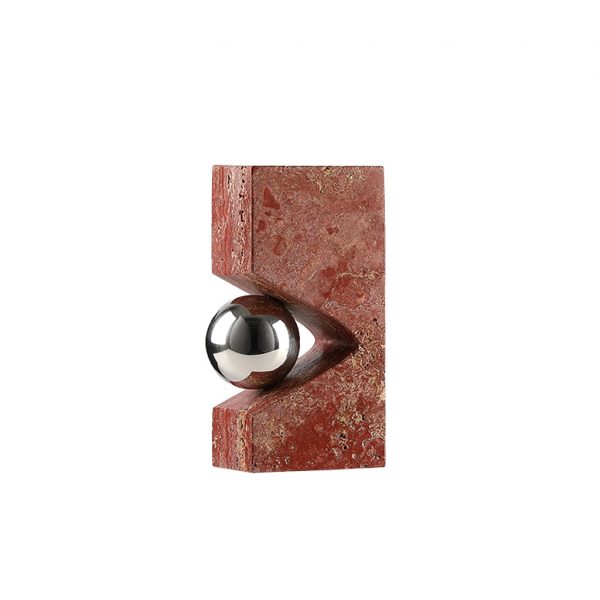


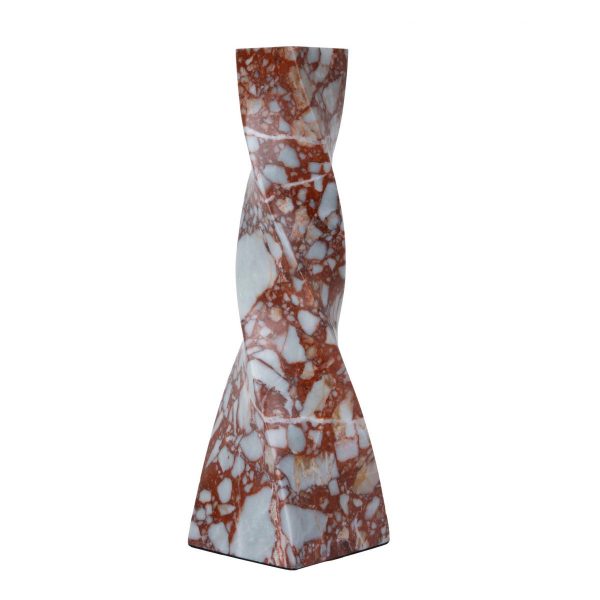
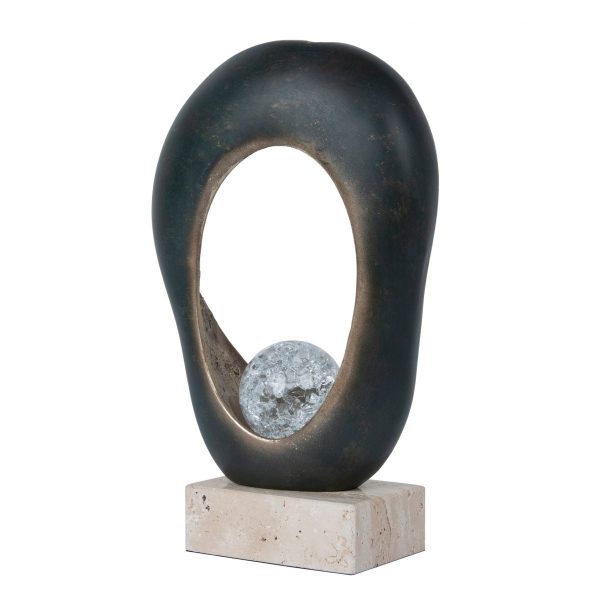
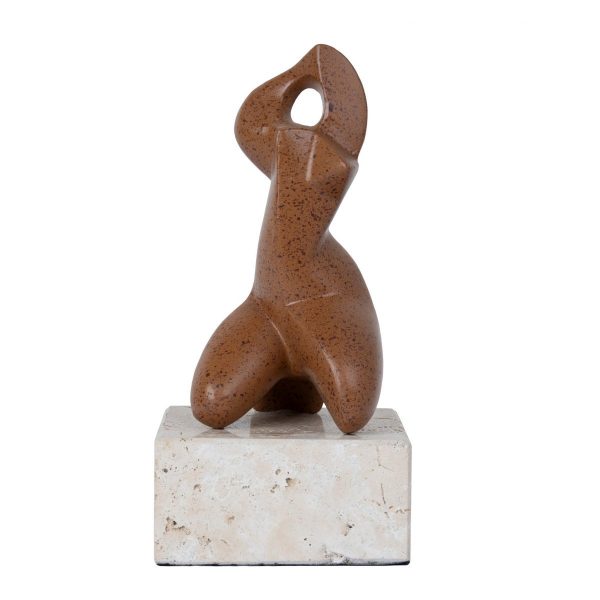
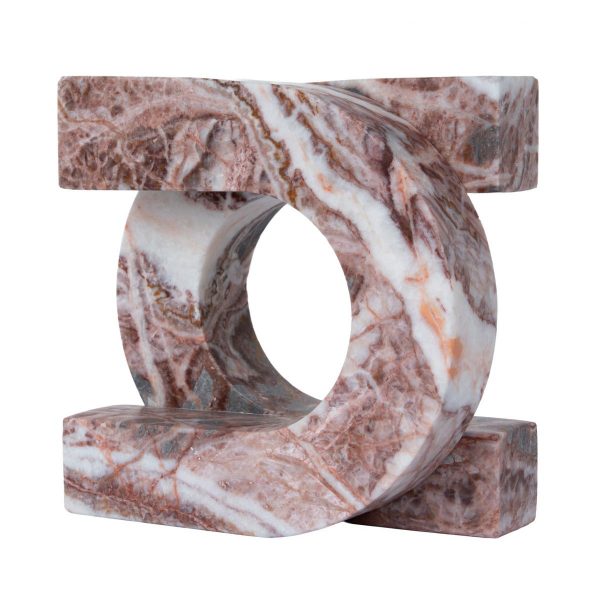

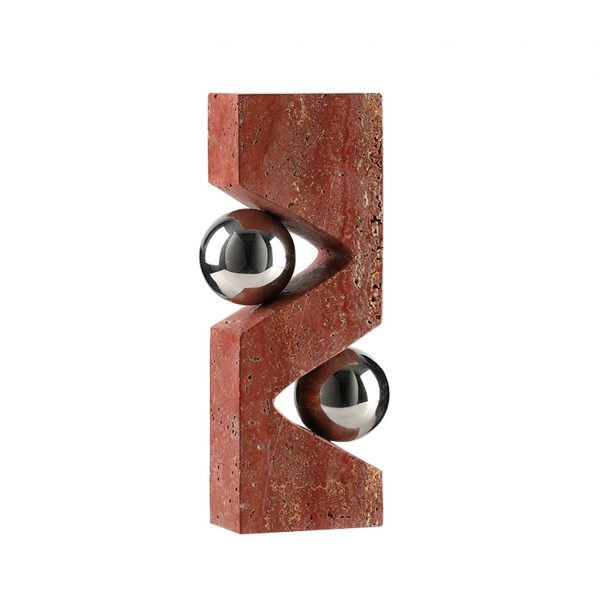
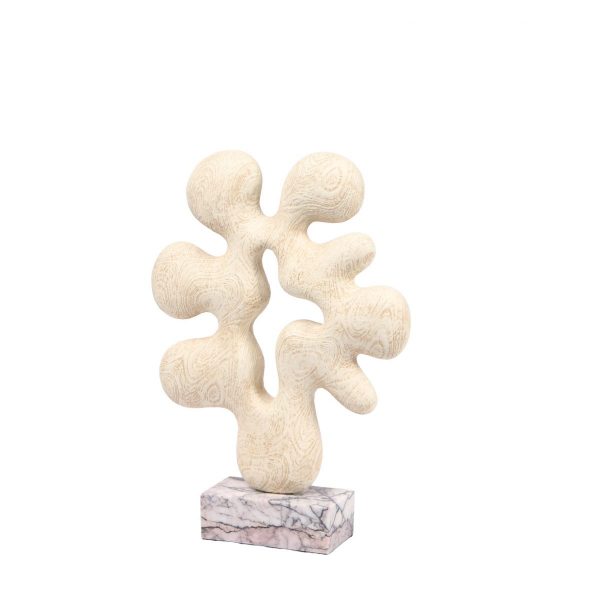


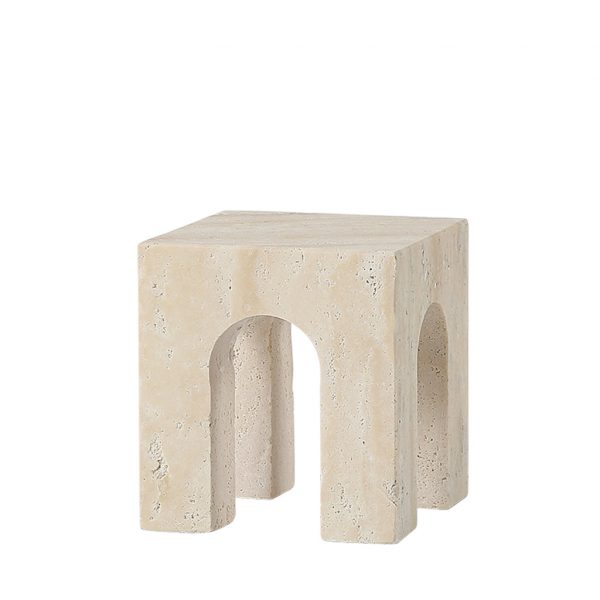
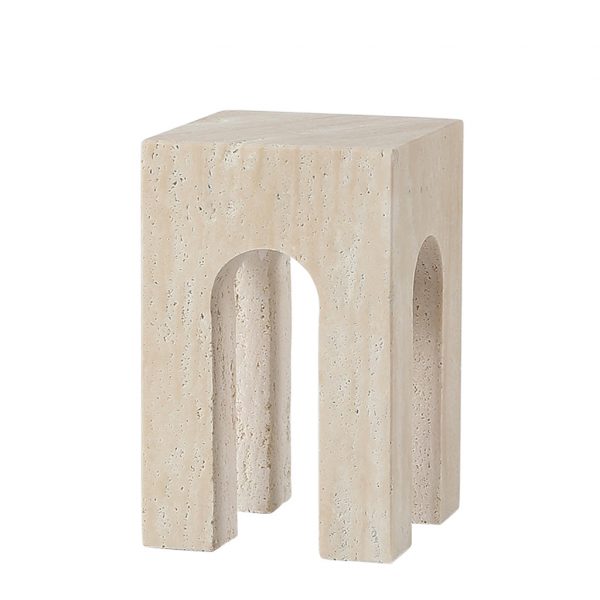

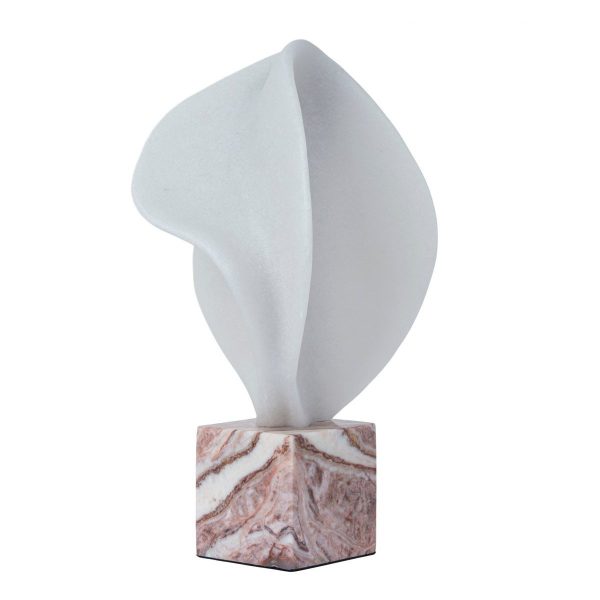


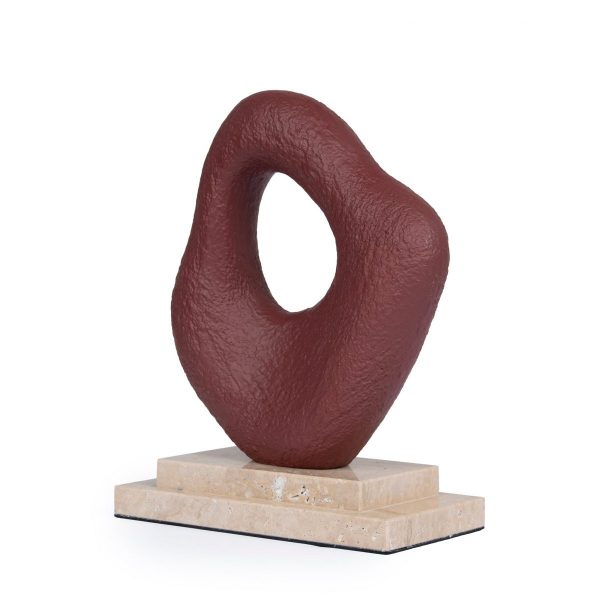
How much marble pattern should the display show?
Compare the actual surface with nearby book spines, textiles and furniture grain. Pronounced pattern can become a feature, while a quieter stone appearance may leave the silhouette in focus. Assess the full form from its main viewing position, not only a close-up.
Read the chosen design’s appearance and variation information where supplied. Do not expect every piece to repeat one photographed vein pattern. Grey objects and white objects offer colour-led comparisons if the palette matters more than the named stone. Keep those reasons for choosing distinct, with marble verified before its appearance becomes part of the room story.
Does the shelf or table suit the complete stone object?
Measure the full base, width, depth and any projecting shape. Use supplied weight or placement information where available and compare it with the furniture’s own guidance. A visually compact piece should not establish support suitability by itself.
Keep the footprint fully on an appropriate level surface. Read any base-protection detail rather than assuming pads or non-slip contact. Console table decor helps with narrower tops, while shelf decor focuses on grouped display space. The marble should fit the actual support and room routine, not a balanced edge placement selected only to reproduce a decorative photograph.
What finish care and intended use belong beside the stone choice?
Natural marble can react to acids and develop etching: a dull mark where the surface has changed. A stain instead changes the stone’s colour through material absorbed into it; its treatment differs from repairing an etched finish. Follow the selected finish’s care, and do not use vinegar or another acidic cleaner as a household shortcut. A penetrating sealer should not be treated as protection against that reaction.
A vessel-like or bowl-shaped form should not be given water, food or heat use without supporting product information. If another stone texture interests you, travertine objects offer a separate comparison with their own actual finish details. Choose marble on an object whose form and stated purpose meet your need.
Frequently Asked Questions
Use tabletop decor if the stone object must share a surface with ordinary daily tasks.