
Travertine Decorative Objects
Travertine decorative objects are a specific stone choice, rather than a general name for beige room accents. Confirm the actual material and finish before choosing. Texture, filled areas and surface appearance should come from the individual description, not an expectation that every travertine piece looks the same.
Read moreRead less
Then compare the full form with the place you want to finish. A stone detail can add interest, but its base and scale still need a suitable shelf or table. Sculptures and decorative objects cover the broader shape decision. Compare travertine texture and care with the stated purpose of the particular form.
Showing all 8 resultsSorted by recommended
-
On SaleOriginal price was: $199.00.$175.00Current price is: $175.00.
-
-
-
-
-
-
-
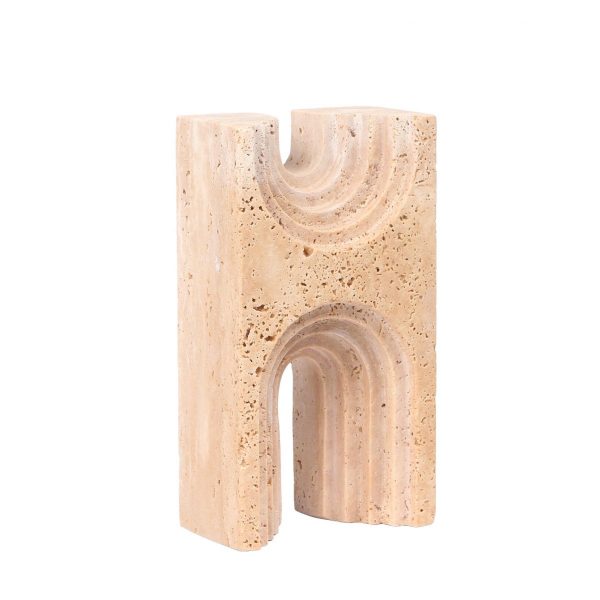

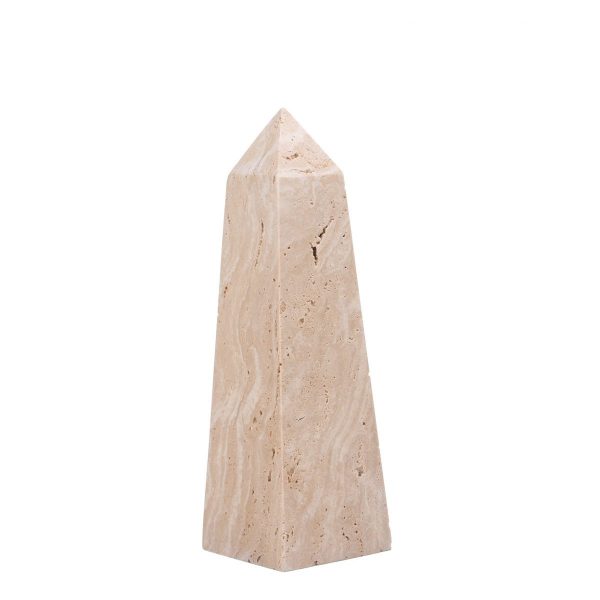
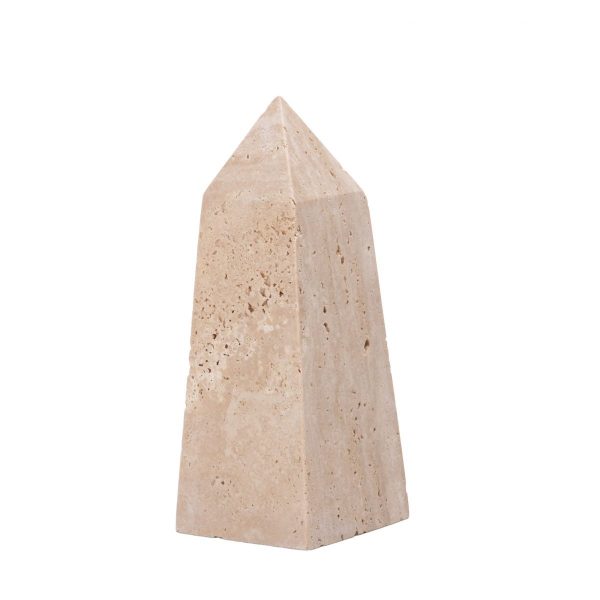
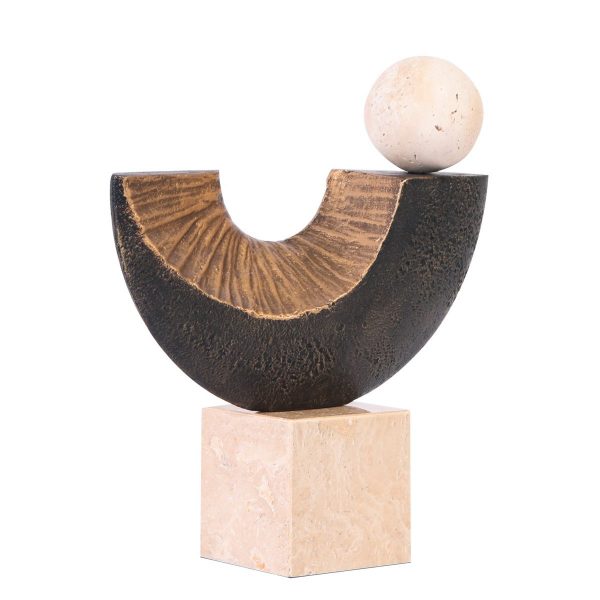
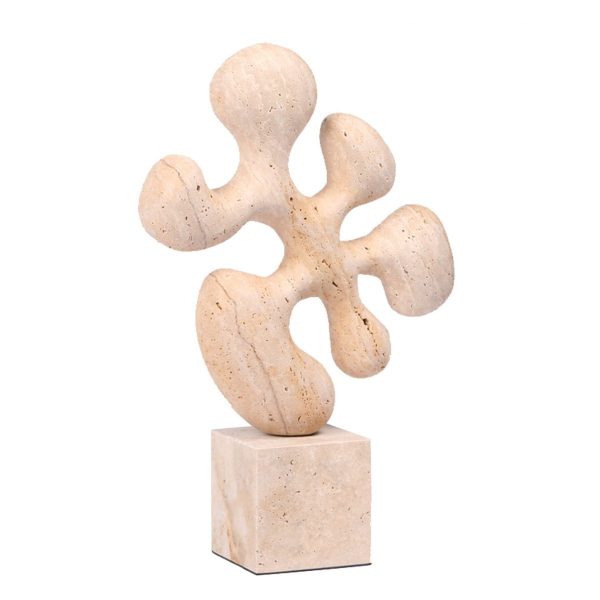


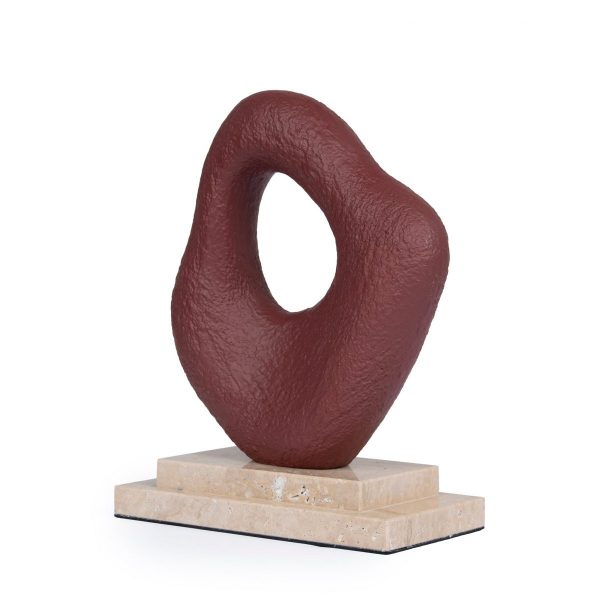
Which surface texture does the chosen stone present?
Look at the specific finish description and available detail views. Where pores, recesses or filled areas are visible or stated, compare them with nearby timber, textiles and other patterns. The room may need that texture to lead or a quieter form to support existing detail.
Do not infer one fixed colour, origin or matching pattern from the travertine name. Use any appearance variation information supplied for the actual design. Beige objects offer the colour-led comparison when warm tone matters more than the stone. Keep material and palette as related decisions, with the named travertine component confirmed before its appearance becomes the reason to choose.
Can the complete form sit appropriately on its support?
Measure base, width, depth and any projections, then compare them with the actual shelf or tabletop. Use supplied weight and placement details where available, alongside the furniture’s own guidance. A compact-looking stone form should not establish support suitability by itself.
Read any protective or non-slip base feature rather than assuming it is included. Keep the footprint fully supported on an appropriate surface. Console table decor focuses on narrower tops, while shelf decor helps within a contained opening. Choose the texture on a form that fits the real location, rather than a placement chosen solely from a decorative image.
What care and function should accompany the stone choice?
Natural travertine contains cavities that may be filled or left visible. Check how the chosen face is finished, because recesses and filled areas change the detail you handle and clean. Filling is separate from sealing; neither should be assumed from a distant picture. Natural travertine is acid-sensitive, so avoid choosing vinegar or another acidic cleaner from a general household routine. Follow the actual product’s finish and care instructions.
Confirm water, food, heat or another practical task only when the individual product information supports it. Marble objects offer another named-stone comparison with their own actual finish questions. The decorative form can be a valid purpose on its own. Choose travertine because it contributes to a considered display whose scale, contact and maintenance are understood, with the particular display position and intended use in view.
Frequently Asked Questions
Use tabletop decor when the textured stone object will share a regularly used surface.