
Beige Decorative Objects
Beige decorative objects can add a warm, quieter accent beside timber, pale walls or other neutral surfaces. The useful choice is which beige belongs there. A sandy tone and a cooler greige can have different relationships with your room, especially when several light materials sit close together.
Read moreRead less
Decide where the object will be displayed before choosing its colour. The full shape and size should work on that surface and leave its normal use practical. Choose the warm-neutral accent for its place; sculptures and decorative objects cover the broader form decision. Beige does not establish stone, ceramic or another material, so read the actual construction and care beside the palette.
Showing all 8 resultsSorted by recommended
-
On SaleOriginal price was: $193.00.$170.00Current price is: $170.00.
-
-
-
-
-
-
-
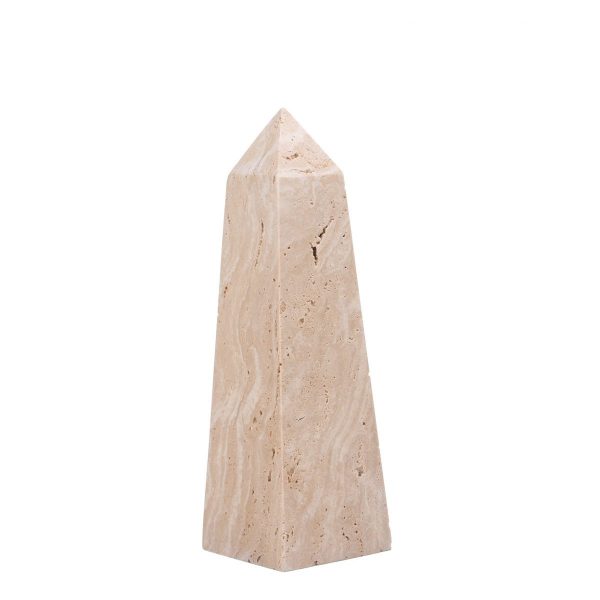

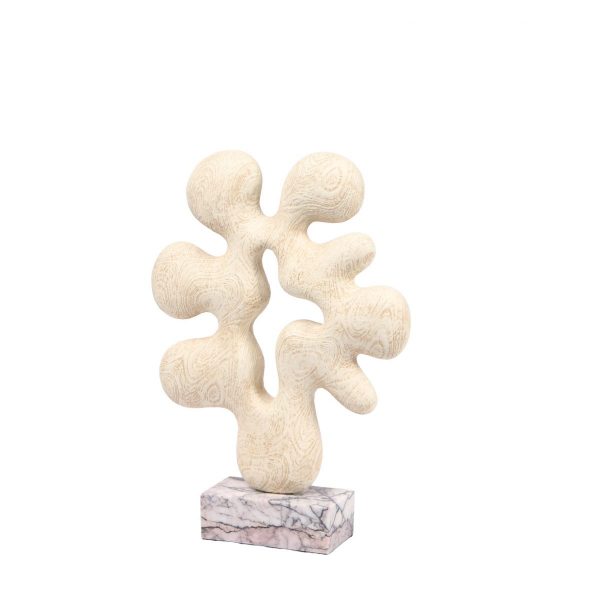
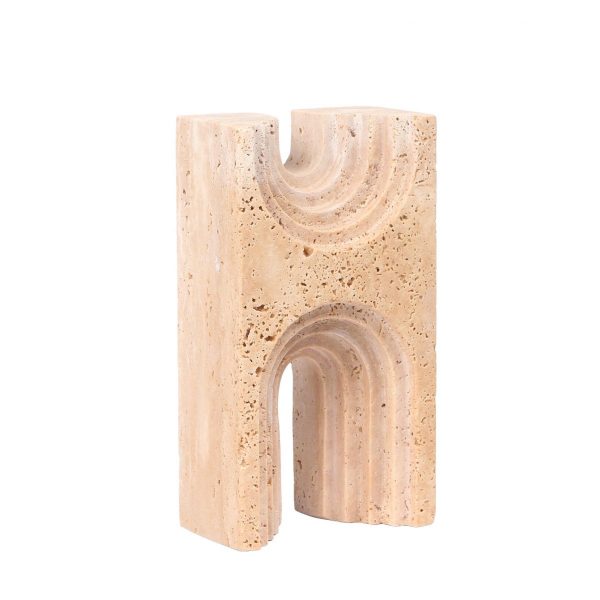

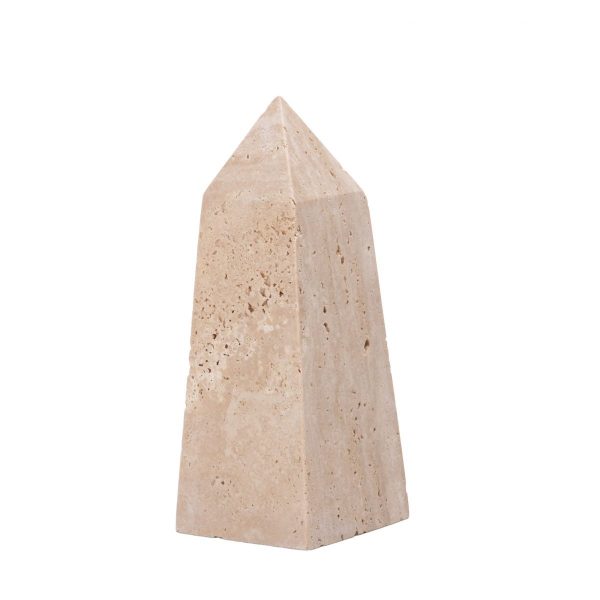
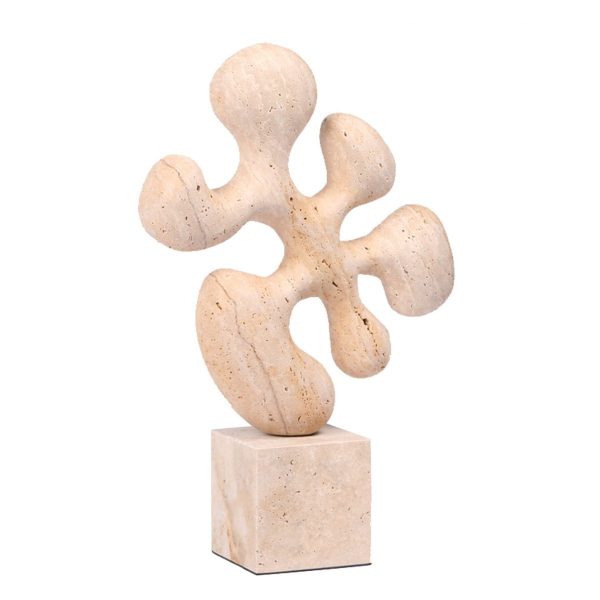


Which room tone should the beige quietly connect with?
Compare the object with the largest nearby surface, such as the wall, timber furniture or rug. A deliberate warm relationship can be clearer than an attempted exact match across different materials. Decide whether you want subtle separation or close blending.
Include the other display objects and the room’s ordinary light. A pale accent can show more warmth beside cool white than beside timber. White decorative objects offer another light direction, while brown decorative objects add more colour depth. Keep the intended display position fixed when comparing the palette so colour does not distract from scale or the useful space the object needs.
How can a neutral object remain interesting without clutter?
Texture and form can give a beige piece a clear role without introducing a strong hue. Compare its silhouette from the main viewing position, not only a material close-up. A quieter colour does not make a large shape disappear or justify several extra objects.
Leave space for the form to be understood beside books, lamps or artwork. Shelf decor helps if the piece sits within a group, while console table decor focuses on an entrance composition. Choose one reason for the object to belong: shape, texture or a material link. The neutral colour should support that role rather than fill an undefined gap.
What does the beige surface actually require?
Read the material and finish for the chosen object. Beige should not become a claim of travertine, marble or natural variation. If a named stone matters, use travertine decorative objects and verify that component separately.
Check care and base contact with the supporting surface. Do not assume protective pads, water resistance or a practical vessel function from the colour and shape. Measure the full outline before placement, including any projection beyond the base. A warm quiet accent should be easy to live with because its actual construction and intended use are understood, not because the shade sounds universally adaptable.
Frequently Asked Questions
Explore ceramic decorative objects when the next decision is surface and construction rather than beige colour.