
Ceramic Decorative Objects
Ceramic decorative objects are a material choice with a particular surface to compare. Read the actual finish and intended use before deciding whether the piece belongs as a sculptural accent or performs another stated function. A vessel-like shape does not establish water-holding or food-contact suitability.
Read moreRead less
Then assess form and texture beside your furniture. A smoother ceramic finish can reflect light differently from a more textured surface, but the individual description should guide what you expect. Sculptures and decorative objects provide the broader shape comparison. Compare the ceramic detail with base contact, full scale and care alongside its visual role in the room.
Showing all 12 resultsSorted by recommended
-
Week’s PickOriginal price was: $305.00.$253.00Current price is: $253.00.
-
On SaleOriginal price was: $106.00.$93.00Current price is: $93.00.
-
On SaleOriginal price was: $99.00.$87.00Current price is: $87.00.
-
-
-
-
-
-
-
-
-
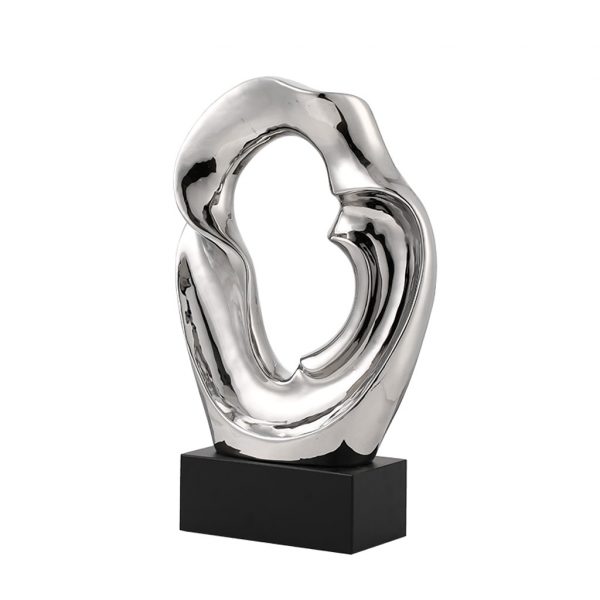


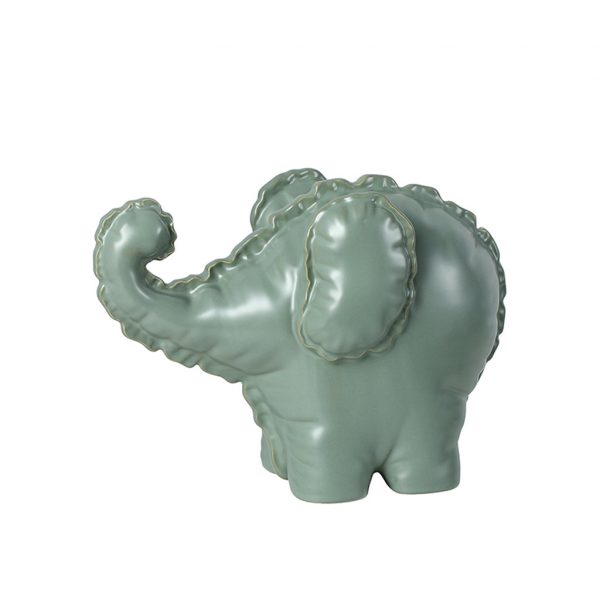
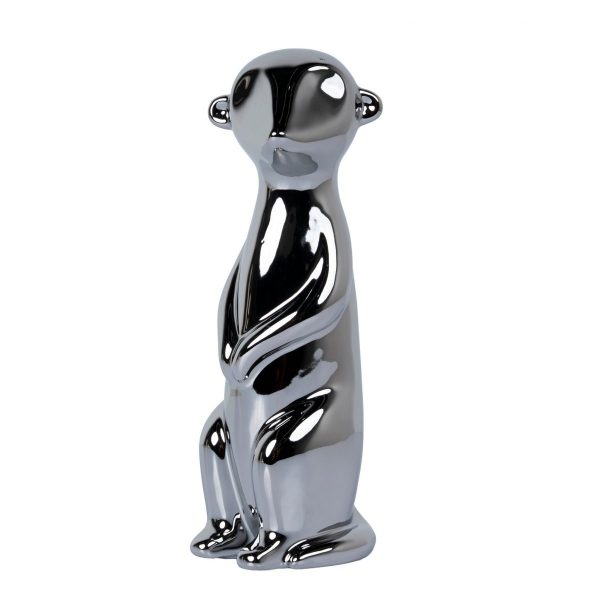
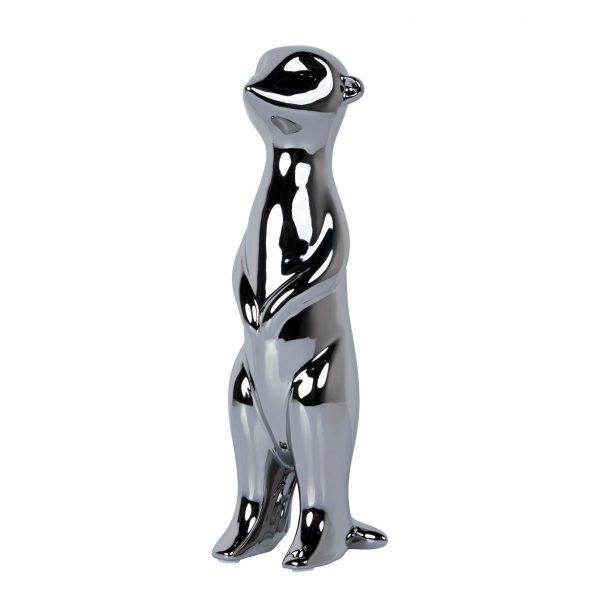
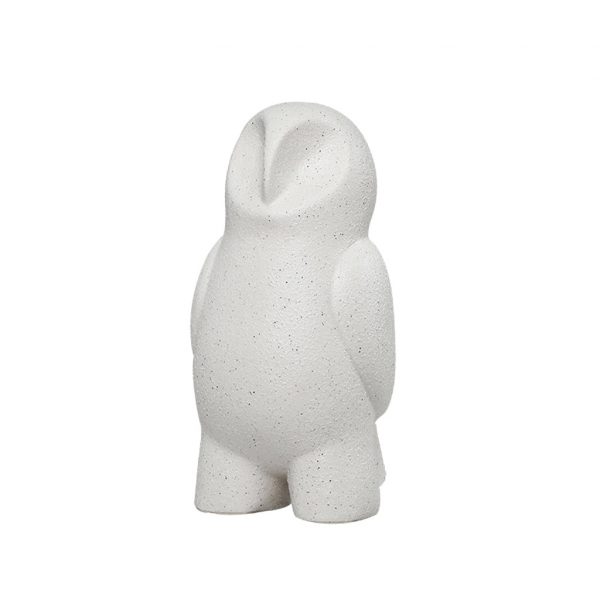


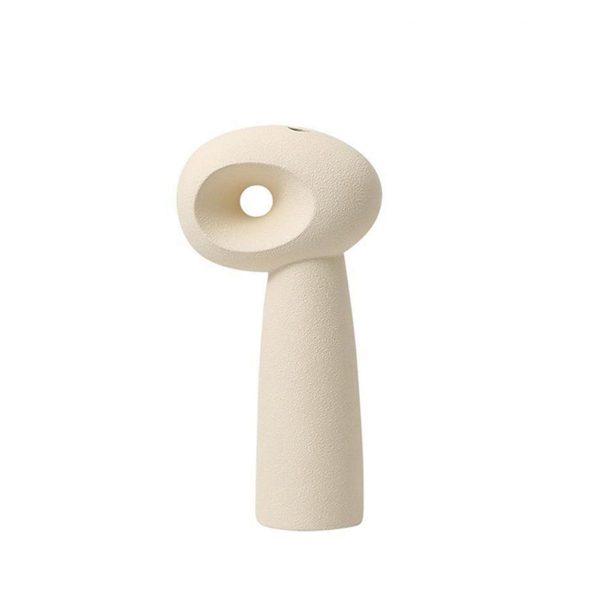


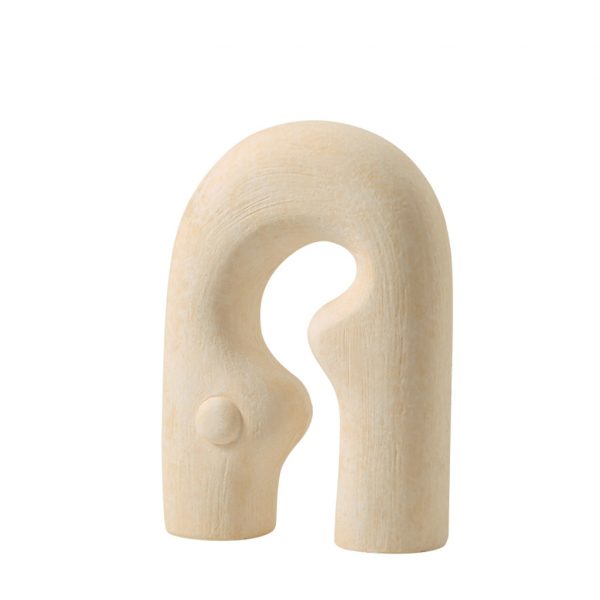
Which ceramic finish supports the room’s material palette?
Compare the actual surface with timber, stone and textiles nearby. A quieter finish can let a strong shape lead, while texture can create another focal detail. Look at close-up information and the complete form rather than assuming every ceramic object has the same glaze or sheen.
Colour remains a separate attribute. White objects and green decorative objects offer palette comparisons across materials if that is your next question. Choose the finish for the role it has beside existing surfaces, not a general style label. The ceramic component should be accurately named before appearance becomes a reason to purchase.
Is the chosen form intended for display or another use?
Read the product’s purpose and care. Decorative ceramics can have shapes associated with bowls, vessels or pots, so check the purpose of the particular piece before choosing one for water or food. Confirm watertightness, food-contact use or other requirements only where the actual product information supports them.
If a vessel task is essential, vases and decorative pots provide a relevant separate comparison, with the individual instructions still checked. If form is the main purpose, assess the object from the view where it will be displayed. The useful decision is an honest match between your intended task and the described product, rather than using a decorative piece in a role guessed from its outline.
How will the ceramic meet the supporting surface?
Measure the full base and outline against the shelf or table. Keep it on a suitable level support, with room around projecting shapes. Read any protective base details instead of assuming pads or a non-slip contact.
Follow the actual finish’s cleaning and handling instructions, particularly when moving the piece to use the surface. Tabletop decor helps plan everyday space around an object; shelf decor focuses on display gaps and neighbouring forms. Choose ceramic texture on a piece that fits the real support and routine, rather than a close-up that leaves size, base and maintenance unclear.
Frequently Asked Questions
Compare glass decorative objects for a different surface and light relationship, keeping the same display scale and intended task.