
Black Decorative Objects
Black decorative objects can give a room a defined accent and connect it with dark lighting, frames or furniture details. Start with the silhouette against its intended background. A black form on a pale shelf reads differently from the same piece against dark joinery, so location matters before a colour sample.
Read moreRead less
Decide whether the object should become a focal feature or repeat one small dark element. Then compare full scale, material and base with the display surface. Sculptures and decorative objects provide the broader form comparison. Choose the deliberate black accent with actual sheen and surface care checked for its display position.
Showing all 4 resultsSorted by recommended


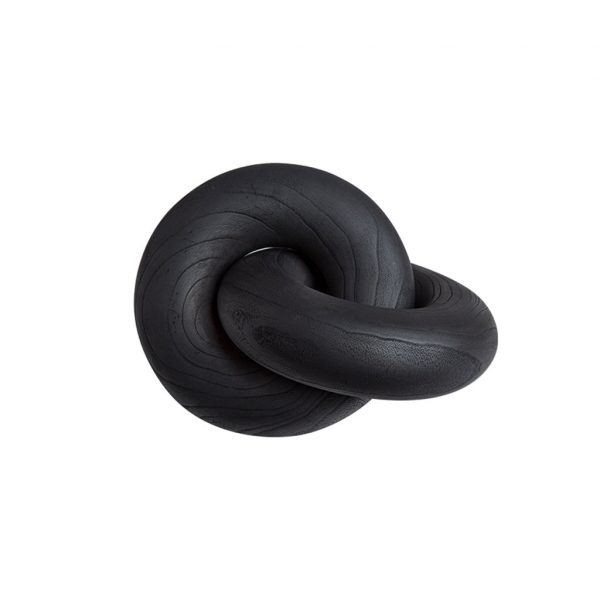
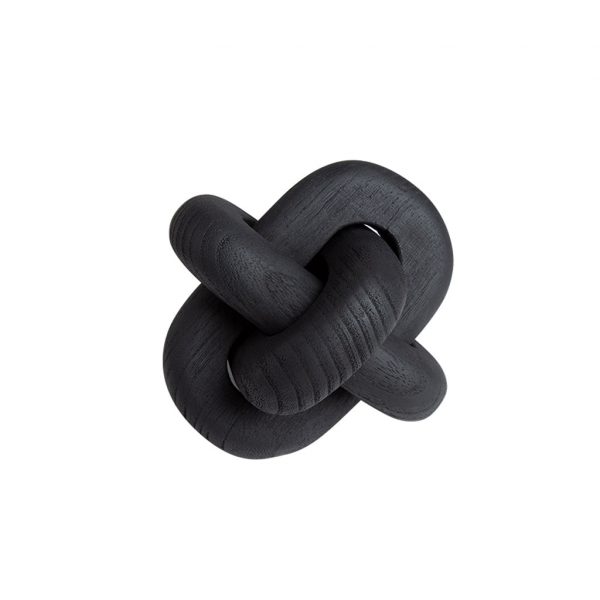
Where should the dark silhouette be most visible?
View the proposed position from the doorway or the seat you use most. A pale wall or shelf can make the outline clear; a darker background may let texture or reflected light become more prominent. Decide which result serves the room.
Compare any nearby frames, handles or lamps. Repeating one dark tone can connect them without making every accessory black. A large form contributes more than a small detail, so assess the whole object. Grey decorative objects offer a different neutral depth, while beige decorative objects provide a quieter warm direction. Keep the chosen display role fixed when comparing the palette.
Does a smooth or textured black surface suit the setting?
Read the actual material and finish. A reflective black surface can catch light differently from a matt or textured one, even where colour names match. Compare it with the surrounding furniture and other display objects rather than assuming identical sheen.
Check the front, side and rear views where relevant. The main viewing position may reveal a different amount of reflection or detail from the product photograph. Glass decorative objects and ceramic decorative objects provide separate material questions. Colour should help the room relationship, while accurate construction and care tell you what the chosen dark surface needs in ordinary use.
How can a strong accent leave the surface useful?
Measure the full height, width and depth, including projecting shapes. On a low table, allow space for normal use; on a shelf, keep access to books and nearby items. A visually clear black outline can still take too much practical space.
Read base protection, intended placement and care rather than inferring them from a substantial-looking form. Coffee table decor focuses on a usable low surface, while bookshelf decor helps beside books. Choose the black detail after those limits are clear. The focal accent should resolve the room’s view without becoming a physical obstruction in the space used for everyday items.
Frequently Asked Questions
Use tabletop decor to plan the display surface’s everyday use before choosing a defined black form.