
Oak Veneer Bookcases
Oak veneer bookcases are for a buyer who wants an oak surface while comparing the construction beneath it. Veneer is a wood layer over a supporting material, so the actual component description matters as much as the visible grain. Check where the veneer appears and how shelf edges, sides and backing meet. Those details remain part of the room even when books fill much of the unit.
Read moreRead less
Use this collection to compare the oak finish with your contents and existing furniture. Read clear shelf dimensions and stated loads before deciding on appearance. Timber bookcases offer a broader construction comparison. Ask benssur about substrate or edge information when the selected product leaves a material question unanswered.
Showing all 2 resultsSorted by recommended
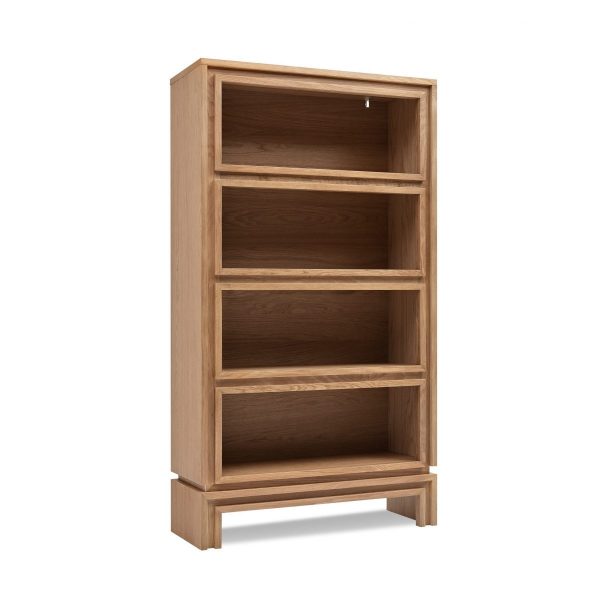

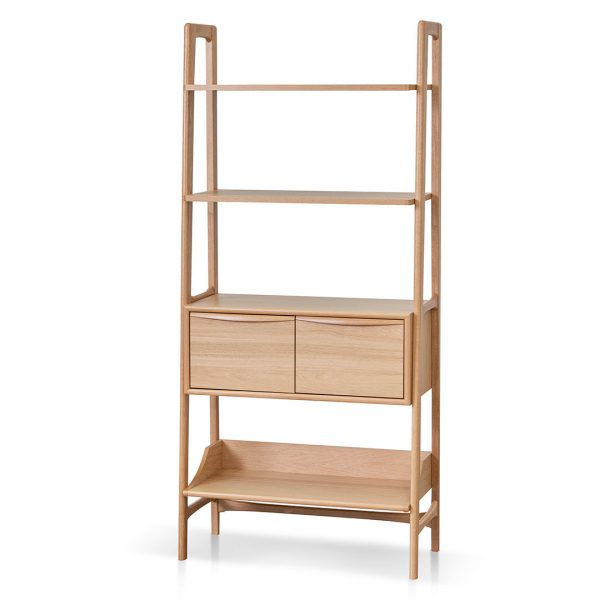
Read the veneer across shelves, sides and backing
Identify which parts carry oak veneer and what supporting materials are specified. A veneered side panel does not mean every shelf or back uses the same construction. Read the component list and ask about missing details rather than treating a wood-grain photograph as proof of all-solid oak.
Review the visible edges and joints in several product views. These affect the outline of shelf openings and the finish seen at close range. Do not assume veneer can be sanded or treated like another oak item. Its actual coating and care guidance decide maintenance. Natural timber bookcases provide another route when visible grain is the main focus of your brief.
Compare the oak surface with the books and room around it
Oak veneer can have different tones and finishes, so compare the actual product with the floor and nearby timber. Matching every oak-labelled item is not required. A deliberate difference can give the storage wall a clearer role than a near match chosen from separate images.
Consider book colours and the amount of backing left exposed. Packed rows reveal mainly spines and shelf edges; a display arrangement exposes more surface. Black bookcases offer a contrasting outline direction if the oak grain competes with existing wood. Choose around the unit in use, not around an empty photograph alone, and check the broadest visible panels when comparing finishes.
Check shelf function and installation before ordering
Measure taller books and wider display objects against clear shelf height and depth. Read whether shelf spacing can change on the selected design and compare its stated loads. Veneer is a surface description, not a loading guarantee. The underlying construction and installation specification need to suit the contents.
Plot the full depth and width in the room and follow any required wall-attachment instructions. Confirm fixing supply and wall suitability where needed. Bookcases and shelving cover the wider room decision, while bookcases and bookshelves focus on reading storage. Choose the oak surface only after those practical checks are clear, then follow its specific finish-care guidance.