
Natural Timber Bookcases
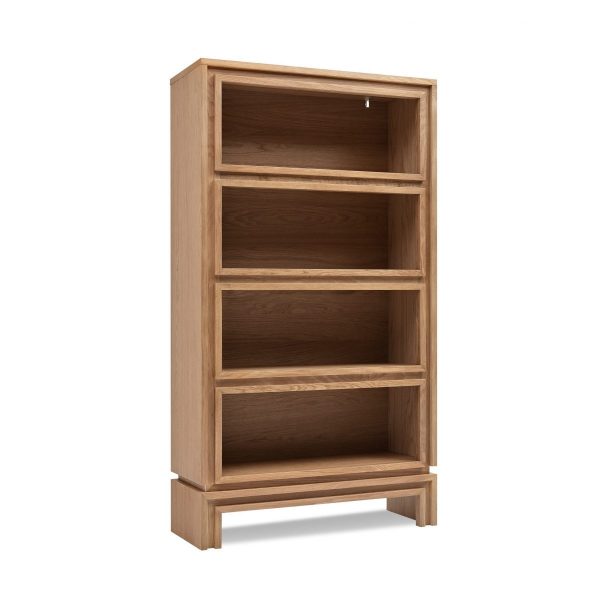
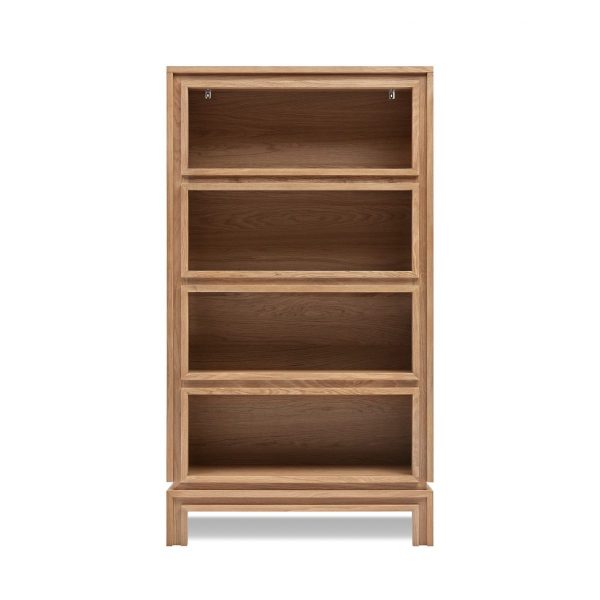
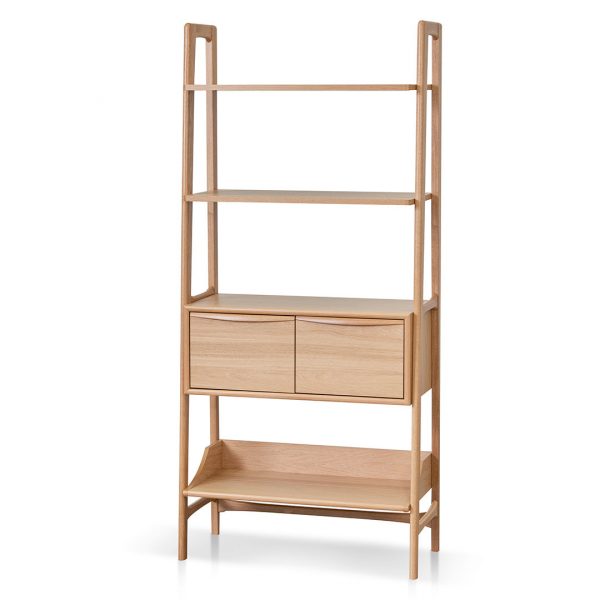
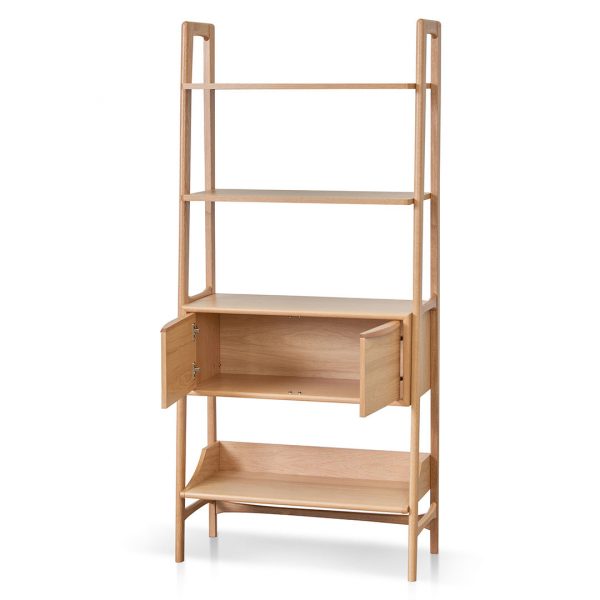
Natural timber bookcases put visible wood character into the storage wall. The useful decision is how that character relates to books and the room’s other timber, not whether every piece can carry the same natural label. Compare grain scale, tone and sheen on the selected unit. Shelves filled with books show less backing than shelves used for a few objects, so the loaded appearance may differ from the product photograph.
Read moreRead less
Use this collection to plan that balance through the real contents. Check actual construction and care: natural appearance does not establish an untreated surface or solid timber throughout. Timber bookcases offer a broader materials route. Ask benssur about the finish when it needs to sit closely beside existing wood furniture.
Showing all 2 resultsSorted by latest
Choose the grain surfaces you want to remain visible
Review the unit’s sides, shelf edges and backing to identify where grain appears. A broad exposed panel has more visual influence than a thin shelf line. Decide which areas will still show after your books are arranged. A collection that fills every row may place more emphasis on spine colours than on the wood itself.
Compare the grain with any patterned rug or strongly textured objects nearby. Several prominent surfaces can compete, so give the bookcase a clear role. Black bookcases provide a different outline direction if the room already contains enough wood detail. Choose with the loaded unit in mind rather than relying on an empty display.
Separate natural appearance from the material specification
Read what timber components are actually supplied and where veneers or other materials are described. Natural is not proof of all-solid construction. Likewise, a natural-looking finish may be coated; read the actual treatment before choosing oil or another care method. Compare the stated surface treatment and follow its care instructions.
If a particular wood surface is your priority, oak veneer bookcases or mango wood bookcases narrow that part of the search. Keep the actual construction clear within each route. Ask about missing information when the finish, timber components or supporting materials affect your intended use and maintenance.
Keep practical book storage at the centre of the wood choice
Measure the books and objects that need to fit, then compare clear shelf spacing and usable depth. Read load guidance and any stated adjustment options. A natural timber appearance does not establish book capacity or installation suitability. Follow the selected unit’s instructions, including required wall attachment and appropriate fixings.
Plot the full footprint beside the walking route and the height against windows or other wall features. Consider access for taking books out and cleaning the surfaces once loaded. Bookcases and bookshelves help with the reading-collection plan, while the broader bookcase category covers room placement. Keep the most-used rows reachable and leave enough room to grip books without moving the neighbouring display.