
Bookcases and Bookshelves
Bookcases and bookshelves are most useful when they reflect the way you read and keep books. Start with the collection you own: tall art books, everyday paperbacks, folders or a mixture. Decide what should stay together and what you reach for often. A shelf arrangement chosen only for its empty appearance may divide a series awkwardly or leave the largest books without a suitable place.
Read moreRead less
Use this collection to organise that practical brief before choosing the furniture’s finish. Compare clear shelf dimensions and stated loads, then allow for convenient retrieval and future additions. Bookcases and shelving return to the wider room plan. Ask benssur about shelf spacing or construction when an important part of your collection is difficult to accommodate.
Showing all 14 resultsSorted by recommended
-
-
On SaleOriginal price was: $1,072.00.$1,018.00Current price is: $1,018.00.
-
-
-
-
-
-
-
-
-
-
-
-
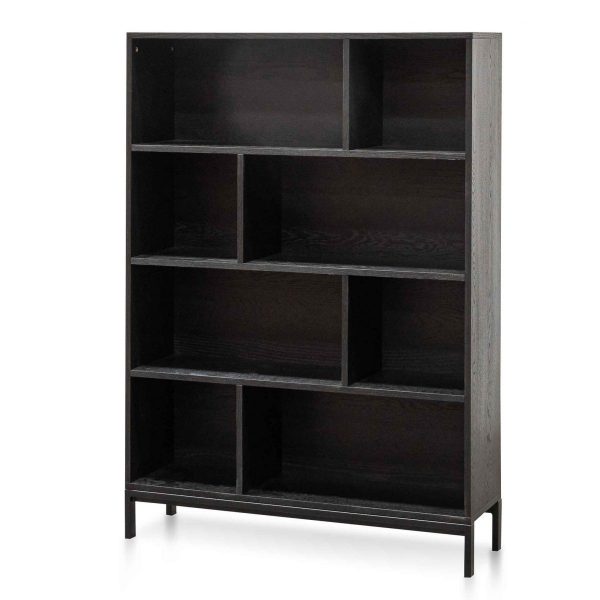

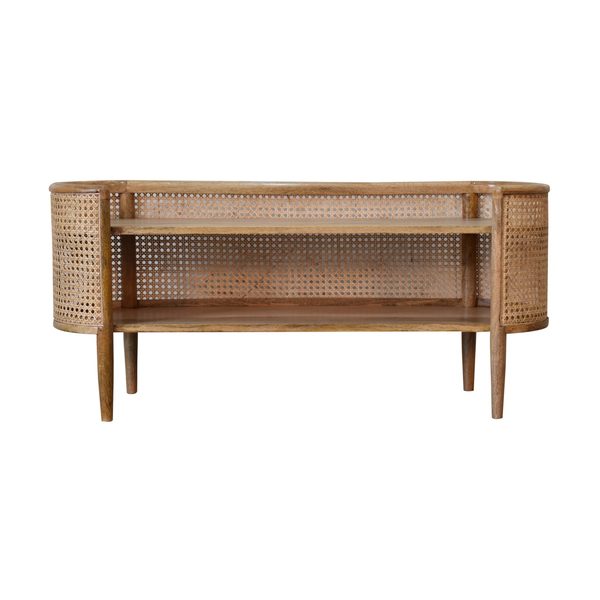

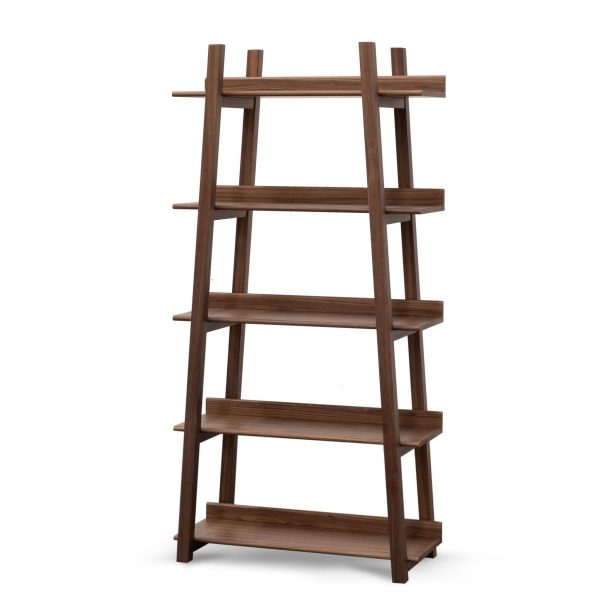

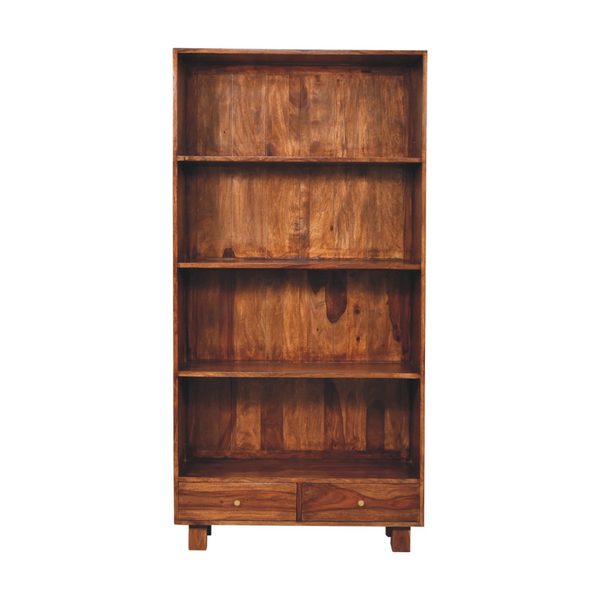
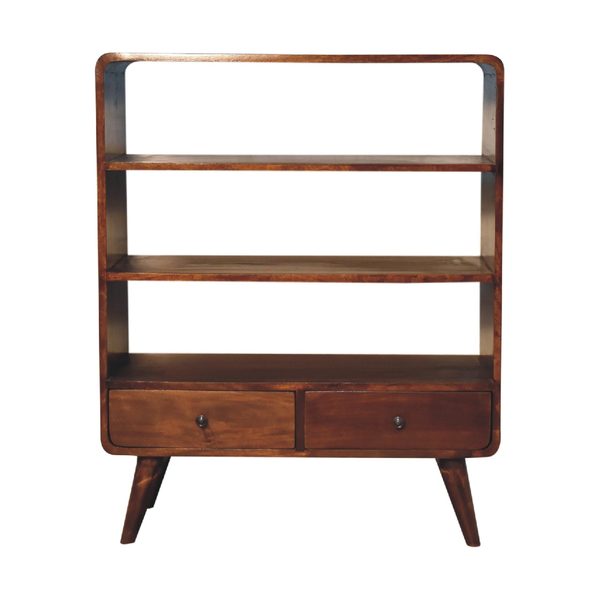
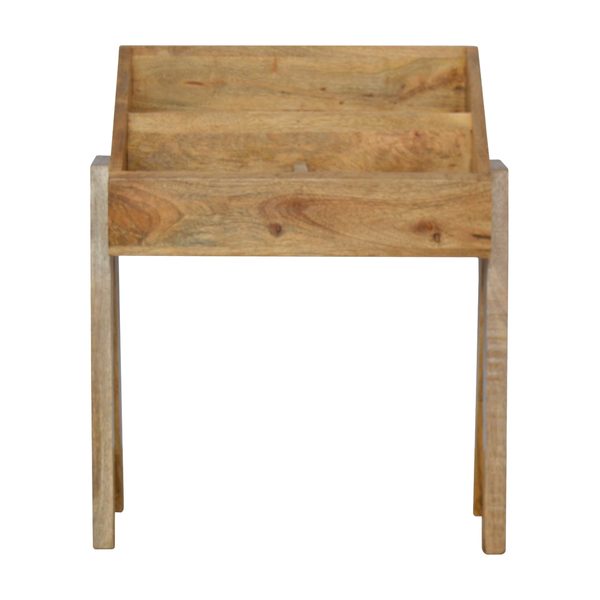
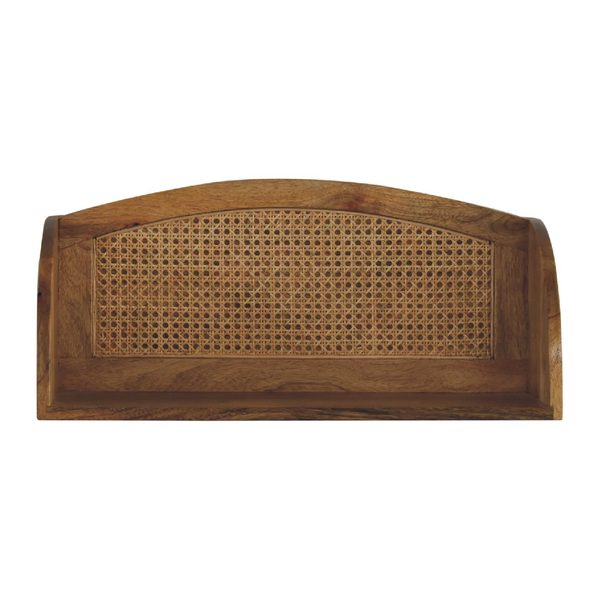

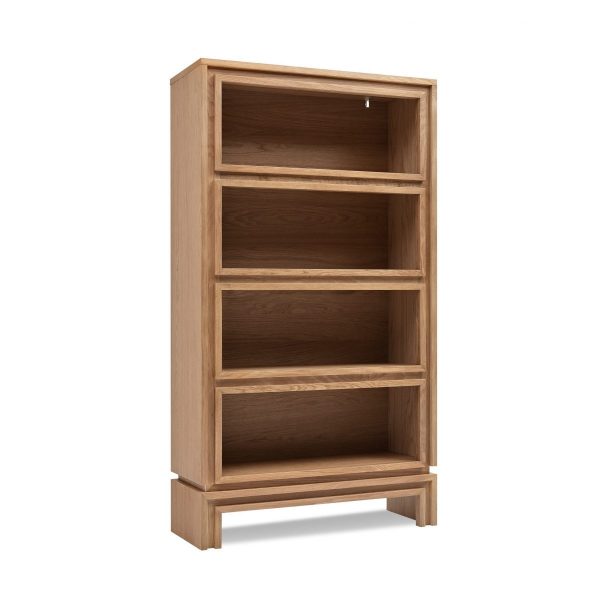
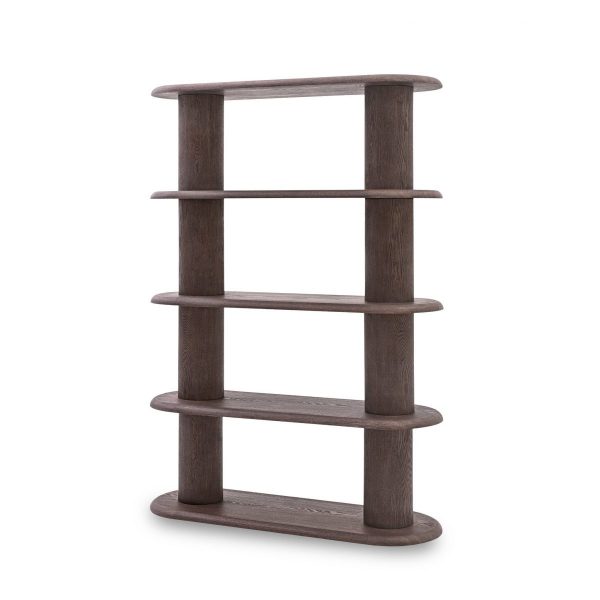

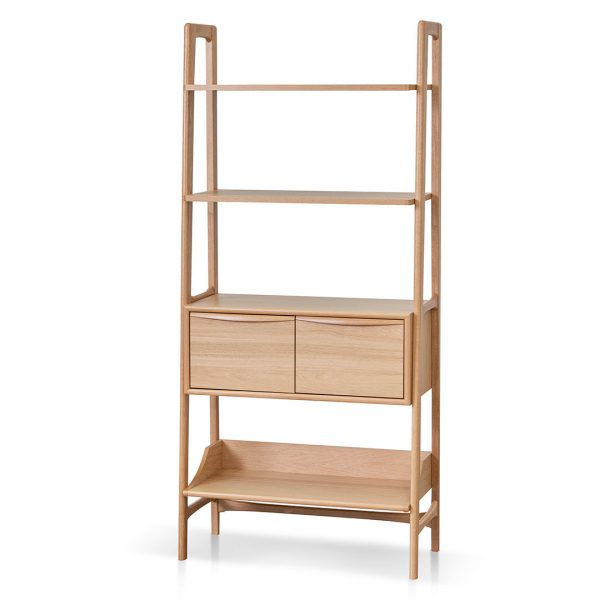
Sort the reading collection before measuring the shelves
Group books by the way you want to find them, such as subject, series or frequency of use. Then note the tallest and deepest books in each group. This is more useful than counting books alone, because several thin paperbacks and a few large volumes make different demands. Compare those groups with usable shelf runs and clear height.
Read whether shelves adjust on the actual unit. Do not assume a flexible arrangement from a photograph. Keep frequently used books within convenient reach for the person using them. If a shelf needs a standing support at the end of a row, bookends provide a separate practical comparison.
Allow books to come out as easily as they go in
Plan room to take hold of a book and return it without rearranging the entire row. A tight vertical fit can make retrieval awkward, while excessive spare height may leave other shelves less useful. Check the real shelf spacing against your largest books rather than working from overall unit height.
Consider the unit’s position beside a chair, desk or passage. Reading storage should be accessible where you use it, yet not interrupt a walking route. Shelving units offer another arrangement direction when open display and mixed contents are part of the plan. Check their actual dimensions and loads before treating them as an equivalent home for your reading collection.
Choose a shelf system for the books you may add
Leave a realistic amount of spare shelf run where your collection grows, rather than filling every space on the first day. Decide which less-used volumes can live higher or elsewhere. Read stated loading guidance and distribute books as instructed; future additions still need to remain within those limits.
Follow the product’s installation requirements, including any wall fixing. A unit that holds the right books on paper must also be suitable for the intended position. For material choices, compare timber bookcases and black bookcases after shelf suitability is clear. Think about surface care and access for removing dust from the loaded shelves, so the reading collection stays practical to maintain.