
Timber Bookcases
Timber bookcases bring material character to shelves that need to hold and organise real books. Start with the contents and the actual wood construction together. A visible grain surface can be attractive, but it does not explain shelf loads, depth or which components use timber. Read those details before choosing the unit’s appearance. The case should work for your collection after it is filled, not only as an empty wall feature.
Read moreRead less
Use this collection to compare wood components, shelf arrangements and the finish beside your existing furniture. Mango wood bookcases and oak veneer bookcases provide narrower material routes. Ask benssur for clarification where shelf or construction information is incomplete, so the timber preference stays connected to useful storage.
Showing all 5 resultsSorted by recommended
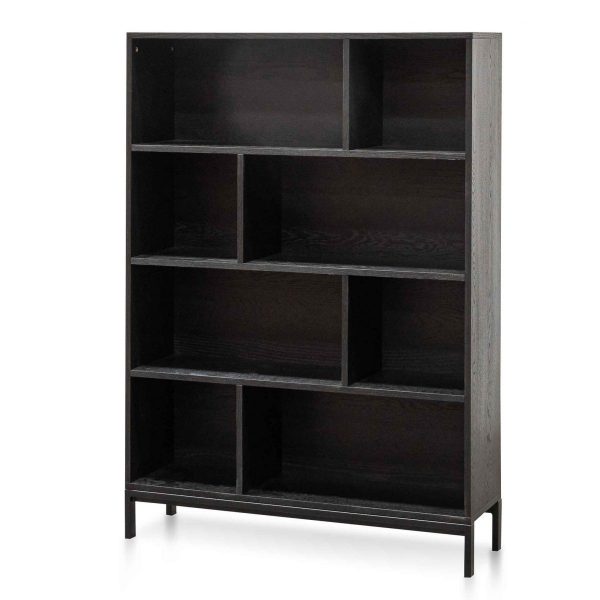

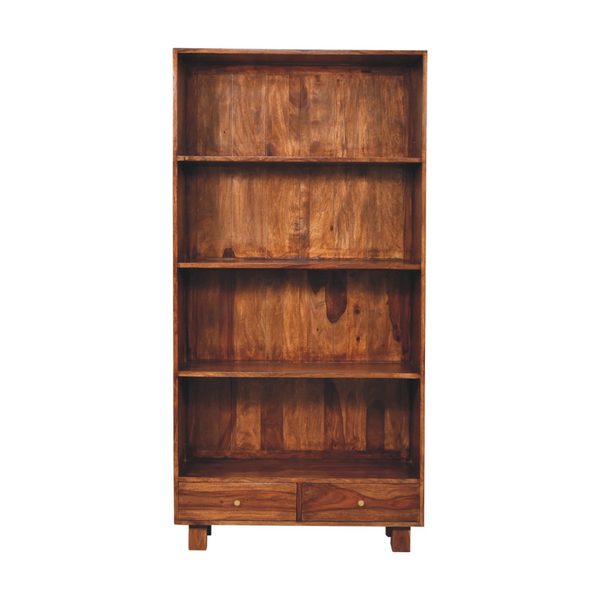
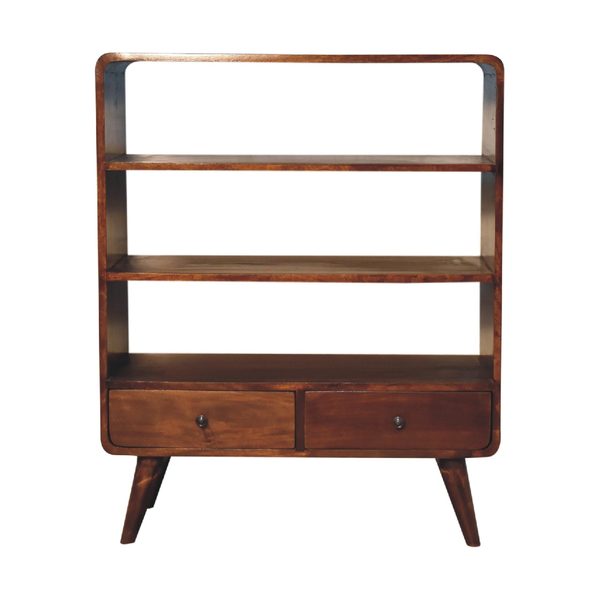
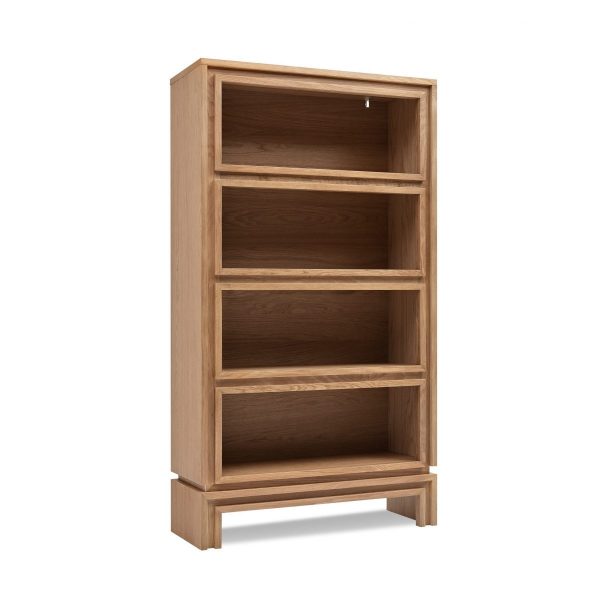
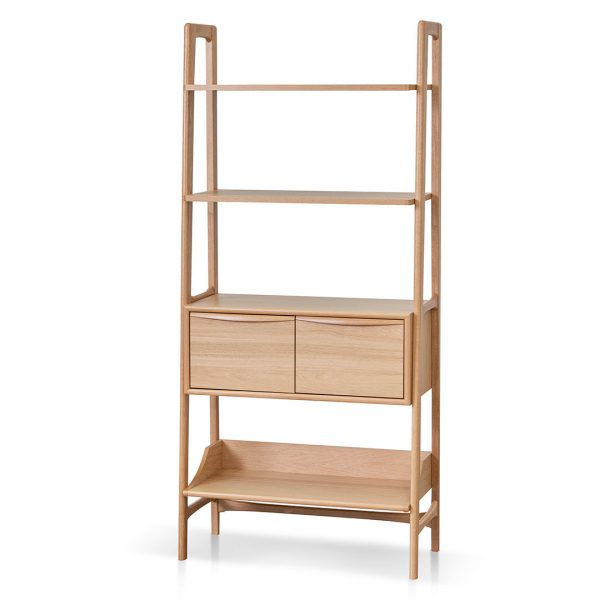
Compare timber components rather than a general wood label
Read the materials for shelves, sides, back and base separately. Solid timber, veneer and mixed constructions should be distinguished through the product specification. A photograph of grain may help with appearance but cannot establish the materials of hidden parts. Ask about anything missing that will affect your decision.
Check the finish and care requirements at the same time. A coated timber surface may need a different cleaning method from another wood item you own. Do not choose oils or polishes from the timber label alone. Natural timber bookcases focus on visible wood character if that is the main purpose of the room’s storage feature.
Choose shelf spacing and loads for the actual collection
Measure the tallest and deepest books and organise the rows you want kept together. Compare clear shelf dimensions, not merely the unit’s outside size. Read whether the selected shelves adjust and how loading is specified. Timber appearance is separate from suitability for a densely packed book row.
Leave access to grip and remove books. Mixed display storage may need different spacing from a collection of similar paperbacks. Bookcases and bookshelves help with reading organisation, while shelving units offer another arrangement direction where objects share the space. Check the actual construction and loads in either route rather than assuming all wood shelves are equivalent.
Place the wood case so it belongs in the loaded room
Compare the bookcase’s grain and tone with the floor, table and other permanent furniture. A clear difference can work without an exact timber match. Think about the book spines too: they change the visible colour balance once the unit is in use. Check the broad side panels as well as the shelf fronts.
Plot full depth beside the walking route and review height against wall features. Follow assembly and required installation guidance, including any wall attachment and suitable fixings. Bookcases and shelving cover that broader room plan. Once the structure and placement work, follow the selected finish’s care instructions to keep the material decision practical over time.