
Brown Dining Tables
Brown dining tables can connect a dining setting with warmer finishes, but brown is not a material specification. A timber surface, a coloured coating and another brown component need different construction and care questions. Confirm the actual top and base before making colour the whole choice.
Read moreRead less
Compare the table with the floor and chairs, where large areas of brown may meet. Matching every finish is not essential; a deliberate difference in depth or texture can give each part space. Use this guide to choose that relationship while checking seating and movement. Browse any pieces shown here, or assess the wider dining tables category to settle the table form before its colour.
Showing all 4 resultsSorted by recommended
-
On SaleOriginal price was: $1,526.00.$1,343.00Current price is: $1,343.00.
-
-
-
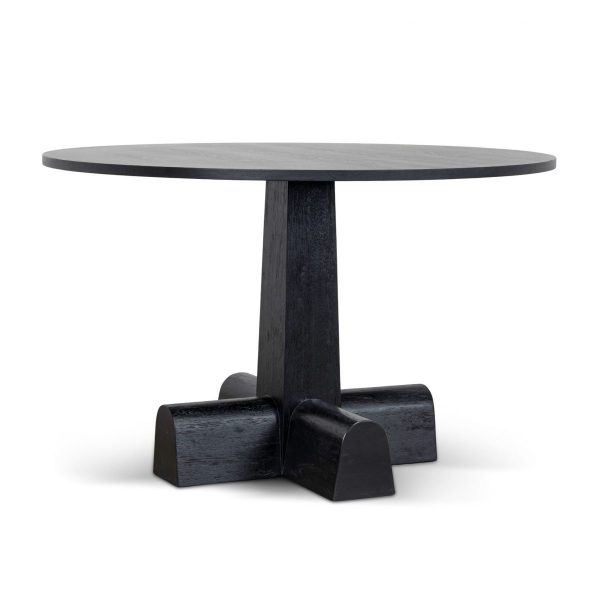

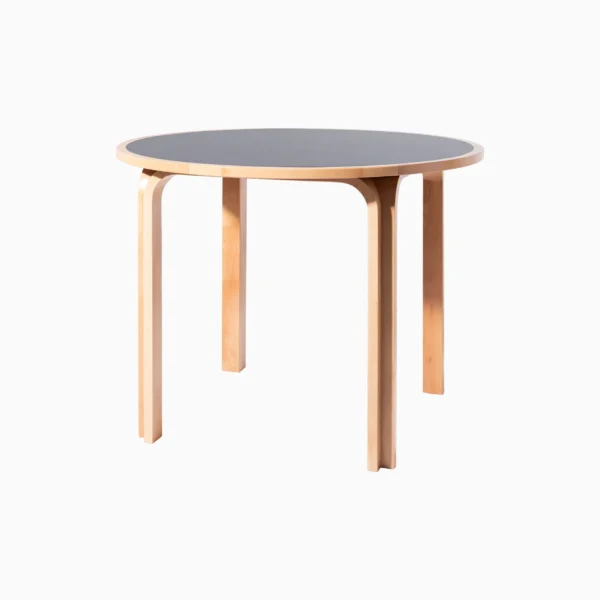
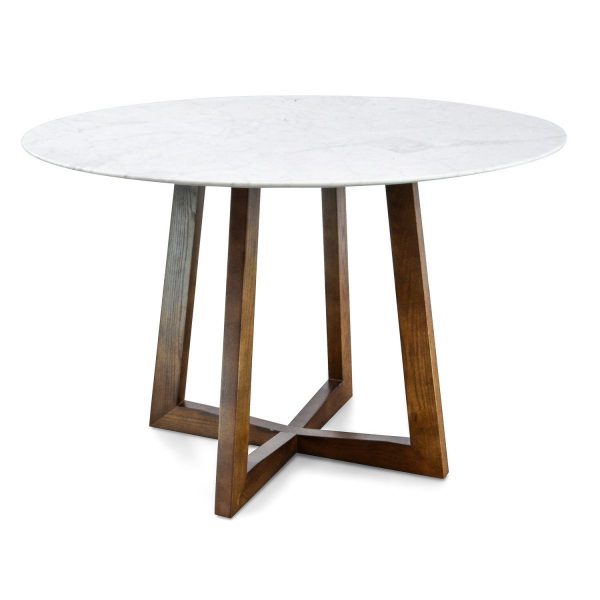
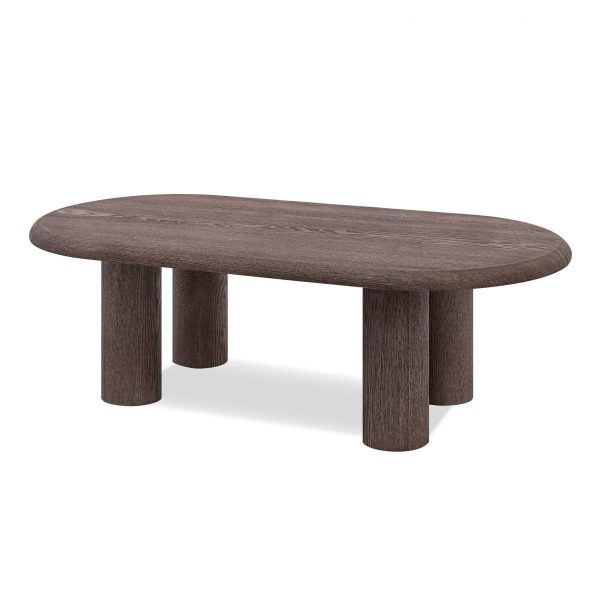
Separate brown tone from tabletop construction
Read which components carry the brown finish and what they are made from. Do not assume solid timber from a warm colour or visible grain in a photograph. Check veneer, coating or other material descriptions accurately where they are specified.
Consider tone and surface character together. A red-leaning brown, muted brown and deeper shade can relate differently to the same floor. Ask about the particular finish if coordination is central to the decision. Compare the stated material and the actual brown finish of each shortlisted top. Keep the top and base separate in your notes where their specifications differ.
Let table, chairs and floor have a deliberate relationship
Use the floor as the largest reference, then compare the table and chair finishes alongside it. Exact matching can work, but close differences across materials may feel less intentional than a clear step in lightness or texture.
Assess how much brown you see when the chairs are in position. A setting can connect through warmth without giving every component the same shade. Explore dining chairs while checking dimensions under the actual top and supports. If a darker, clearer contrast is preferred, compare black dining tables. Colour coordination should accompany useful chair fit, not obscure seats that cannot tuck in or obstruct the room route.
Choose a warm-looking surface you can use every day
Read the care guidance for the stated finish. Brown does not establish resistance to water, heat or scratches, and it does not tell you whether oil, polish or another treatment is suitable. Include any required protection beneath serving dishes in your everyday plan.
Mark the full footprint with occupied chairs and allow the room’s usual movement. Check tabletop usable area alongside base placement, since supports can affect knee room. For a form comparison, review rectangular dining tables or round dining tables by their actual outlines.