
Oval Dining Tables
Oval dining tables bring a long dining direction together with curved ends. That combination is worth assessing as its own geometry rather than assuming it behaves like a rectangle with corners removed. The usable area near the ends and the position of supports affect how people sit and serve food.
Read moreRead less
Start with the actual outline and the room’s long axis. Then compare chairs in use and the routes around each end. This guide helps you choose a curved long form for a practical reason, not simply a softer photograph. Browse any listed designs, or assess rectangular dining tables when a full-width end area is more useful for your setting.
Showing all 14 resultsSorted by recommended
-
On SaleOriginal price was: $2,353.00.$2,071.00Current price is: $2,071.00.
-
-
-
-
-
-
-
-
-
-
-
-
-
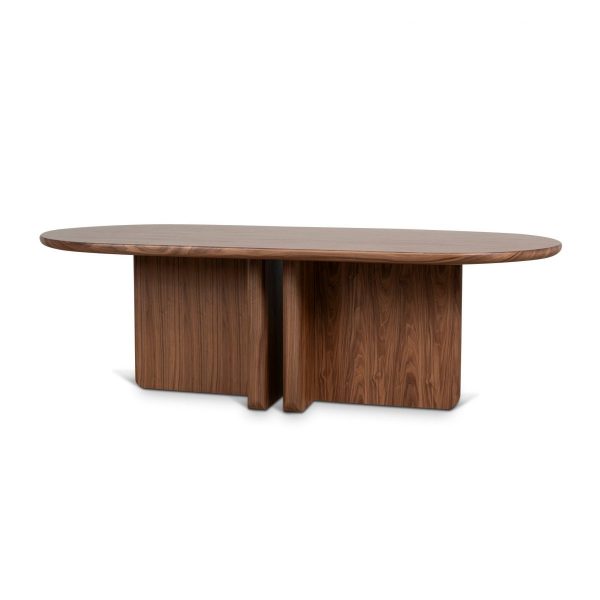

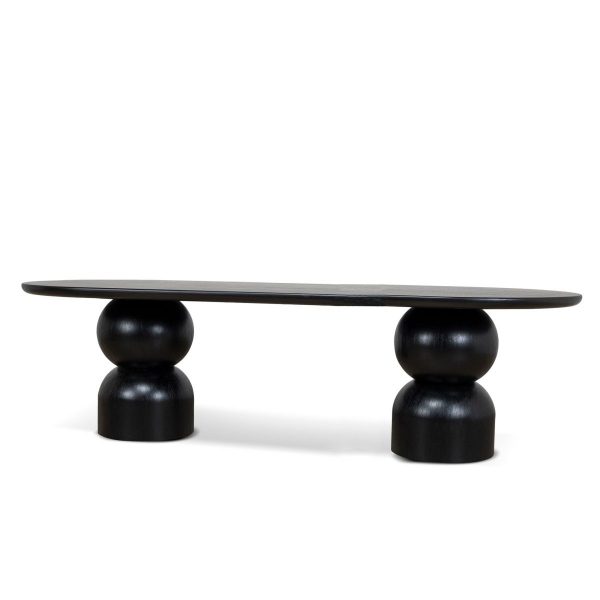
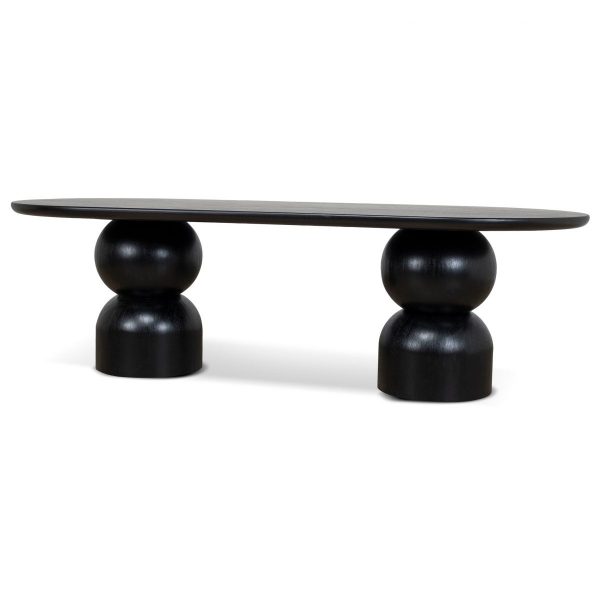
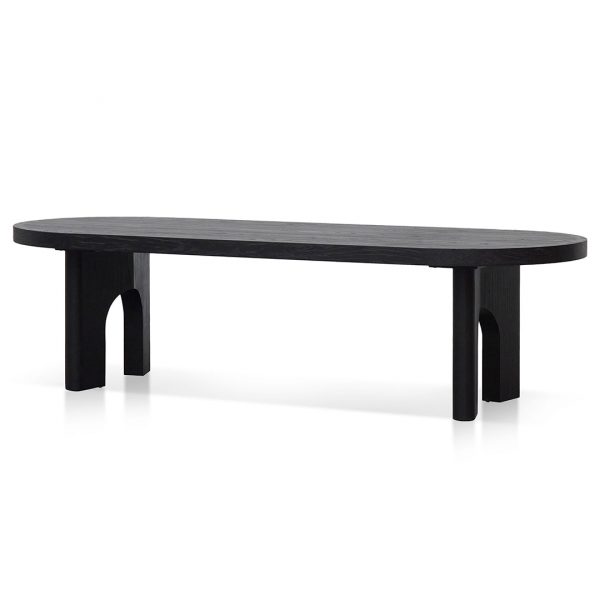
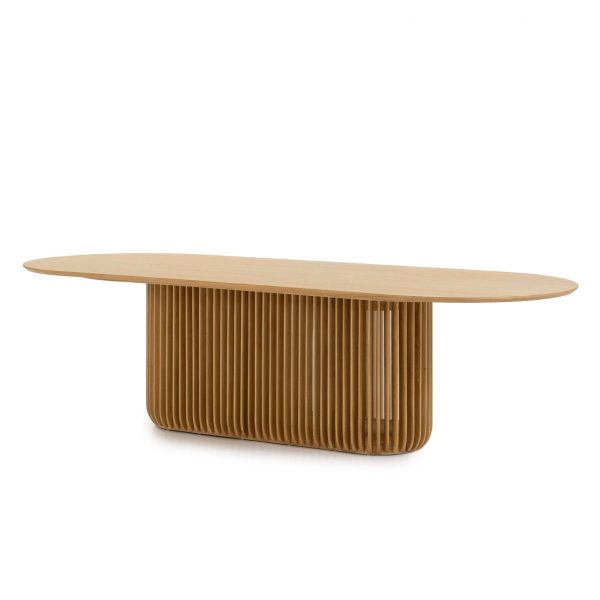
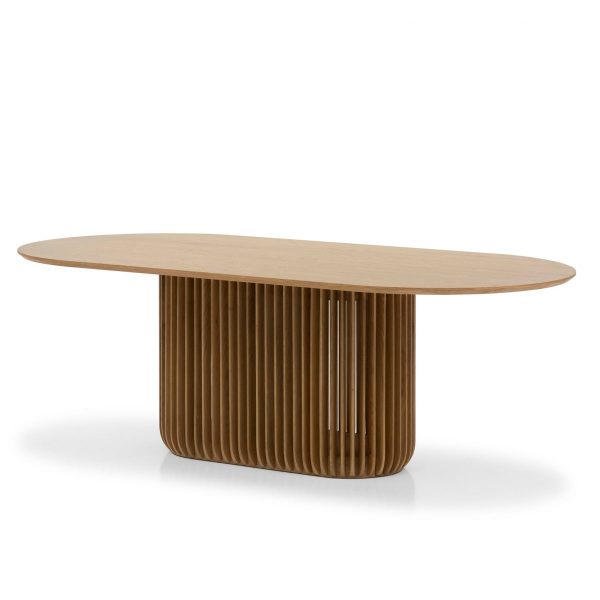
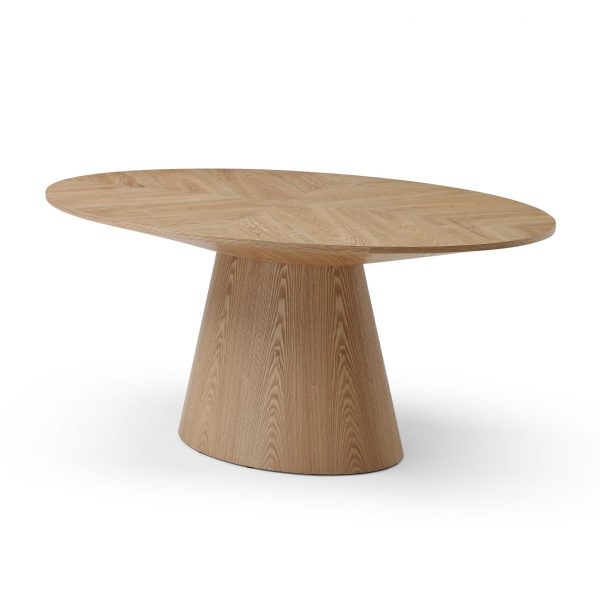
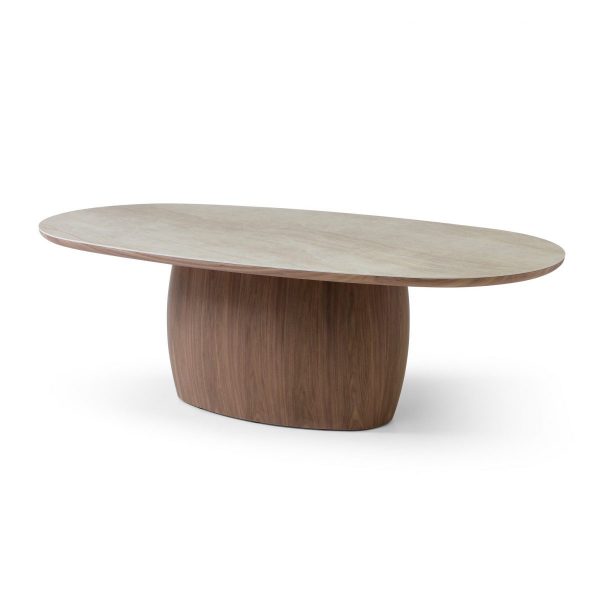
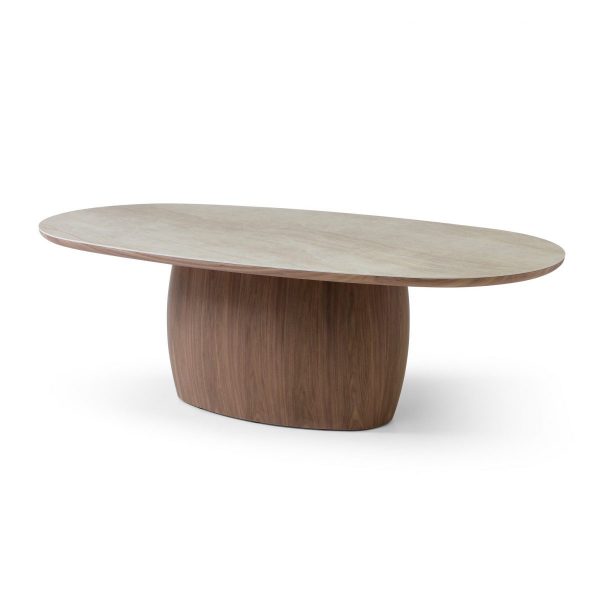
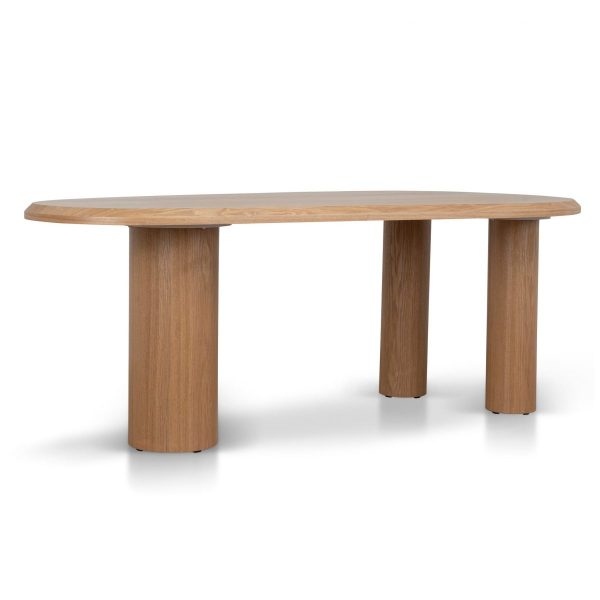
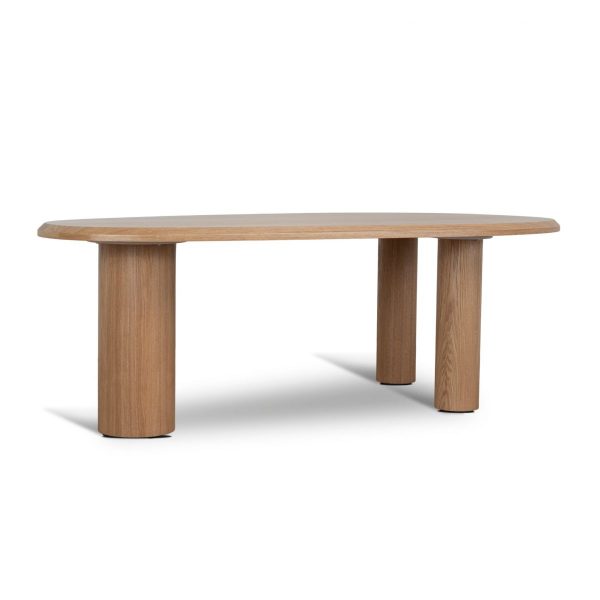

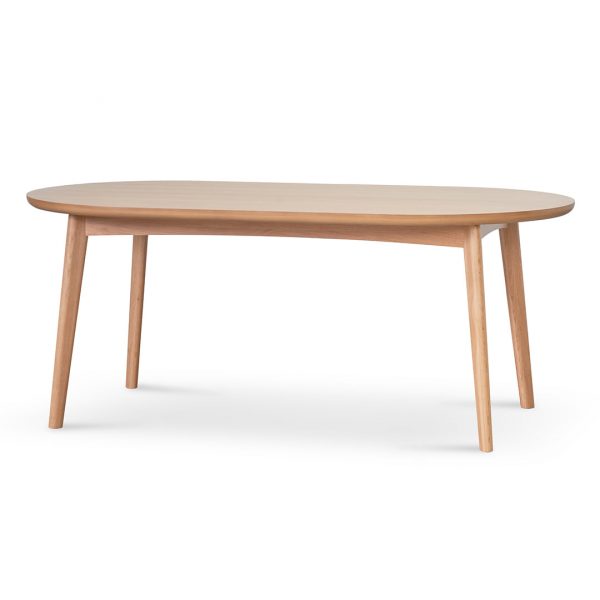
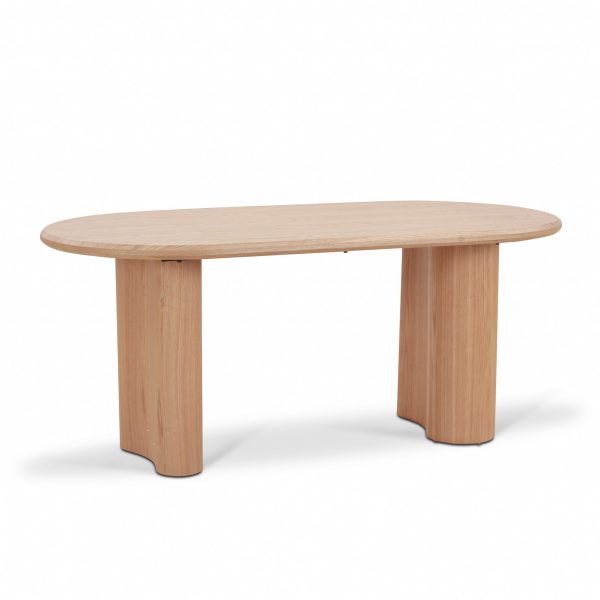
Match the long direction to the room
Draw the stated oval shape as closely as possible on the room plan, rather than using a rectangle with the same maximum measurements. The curved boundary changes where the surface reaches its full width. Check doors, nearby storage and the routes around both ends.
A curved edge may alter the impression of movement, but it does not establish extra clearance everywhere. Include chairs in their sitting and pulled-out positions. If a shared centre suits the room better than a long axis, compare round dining tables by actual diameter and supports.
Check the usable surface near each end
Place settings at curved ends can occupy a different part of the top from positions along the straighter sides. Test your actual dishes and serving objects within the outline. Maximum length and width do not describe the working area at every point.
Assess how the intended chairs sit around those curves. Their width, arm position and distance from the base can affect useful seating. Use dining chairs with the table diagram and dimensions. Do not add end places purely because an oval looks generous from above; each person needs a practical relationship with the surface and supports rather than a nominal position around the perimeter.
Read the base and surface as a complete design
An oval top can sit on different support systems, so confirm the actual base rather than assuming central or open construction. Check knee room and chair storage at the places you intend to use. Supports beneath a curved top remain part of the occupied setting.
Read material, finish and care information separately from shape. Oval does not establish timber, stone or another tabletop construction. The wider dining tables category helps compare those material choices and any verified flexible features. Confirm assembly and delivery access too.