
Small Dining Tables
Small dining tables should make everyday meals easier in a compact home, not simply occupy less floor. Start with the places used most days, the dishes on the top and the space needed to pull chairs out. Those habits give the table a clear size purpose before you choose a shape.
Read moreRead less
A round, narrow or longer form can use the same room differently. An extension may help with occasional guests if its open arrangement genuinely fits. This guide brings those decisions into a practical order. Browse any listed pieces by actual dimensions, or compare the wider dining tables category when checking which form provides the useful surface your home needs without crowding its daily routes.
Showing all 11 resultsSorted by recommended
-
On SaleOriginal price was: $1,526.00.$1,343.00Current price is: $1,343.00.
-
-
-
-
-
-
-
-
-
-
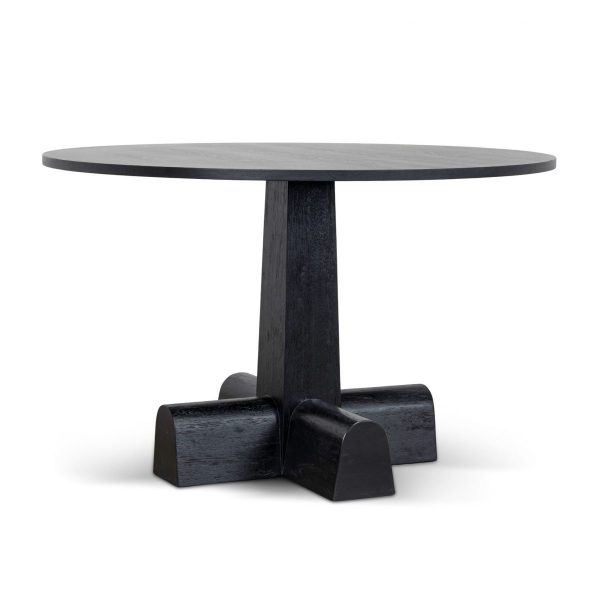

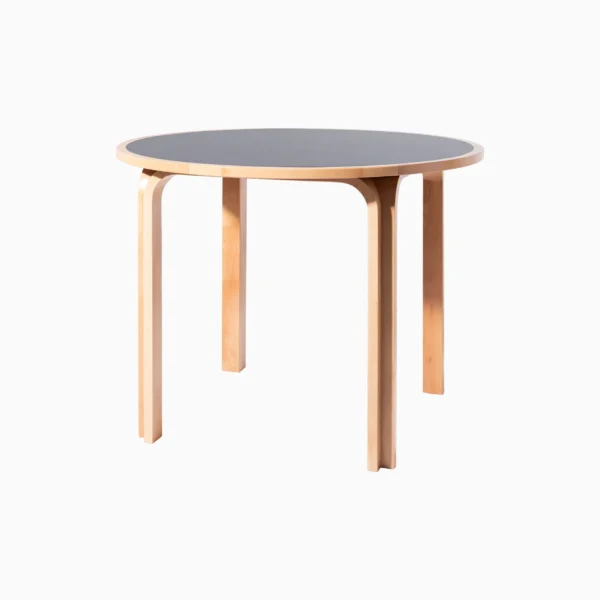
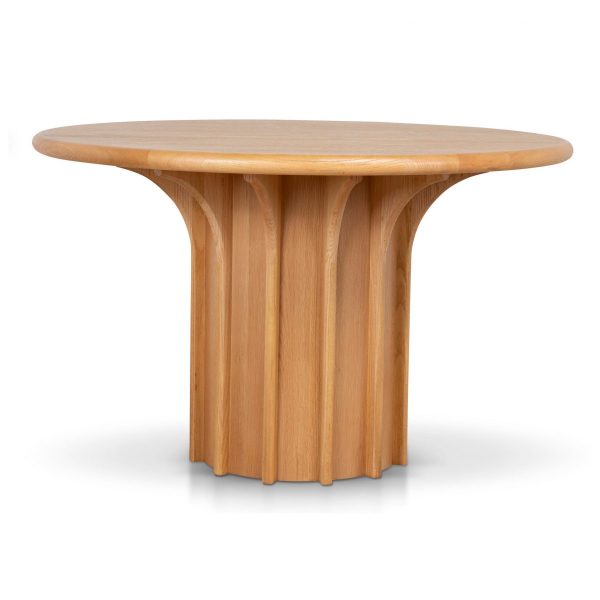
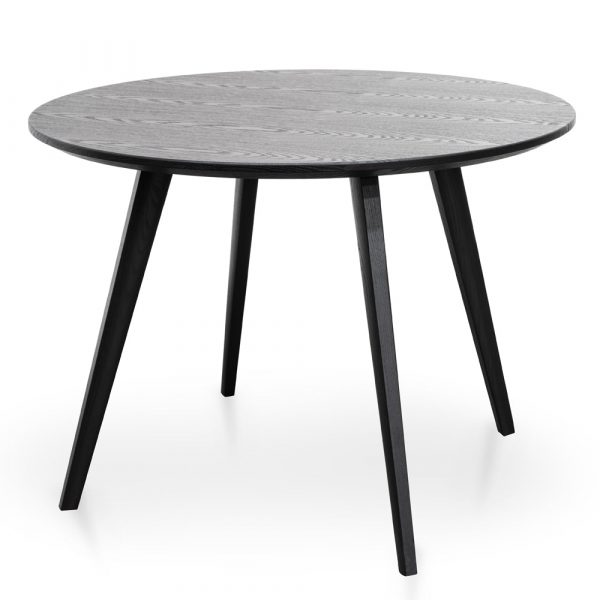
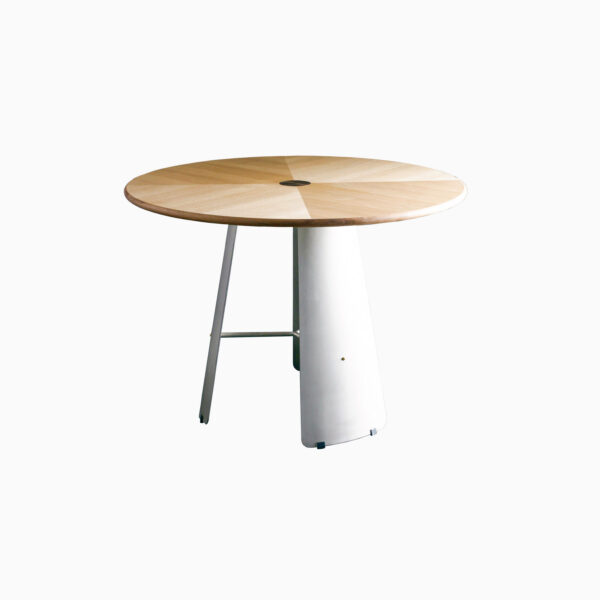
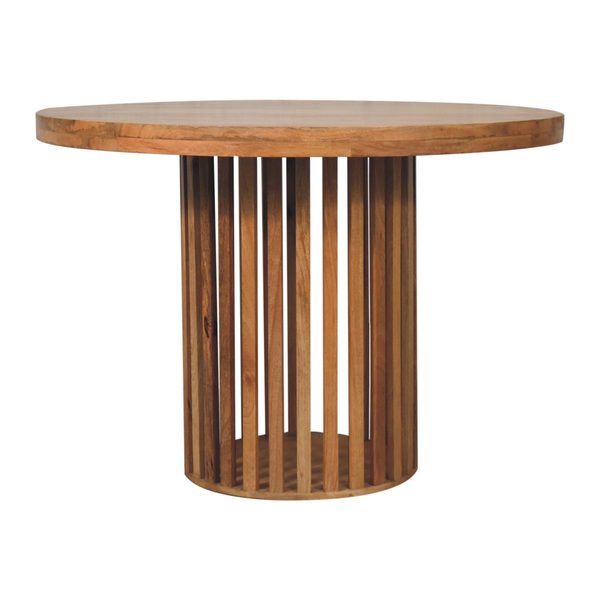
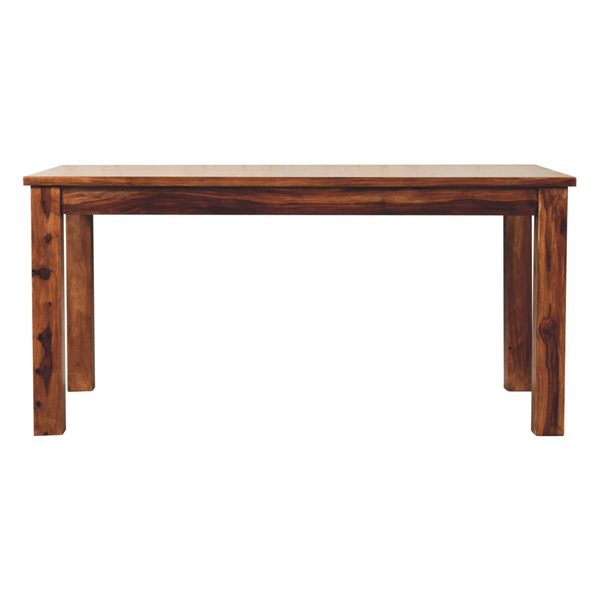
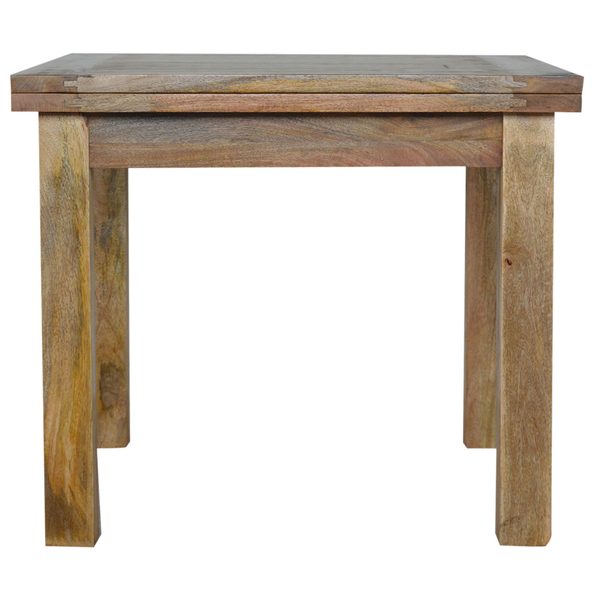
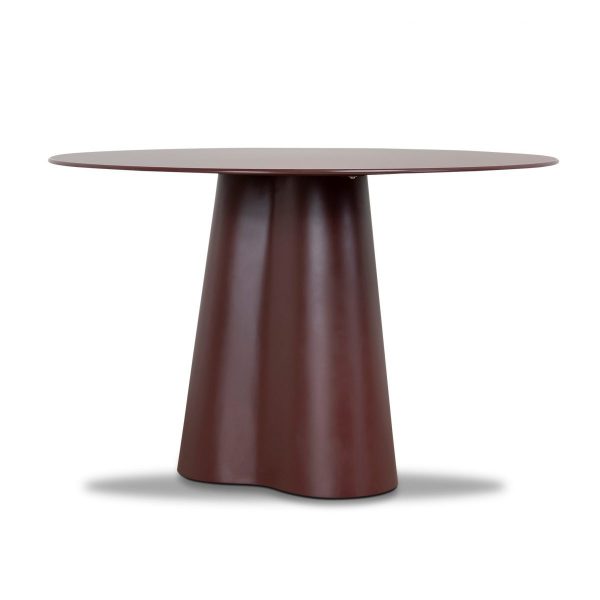
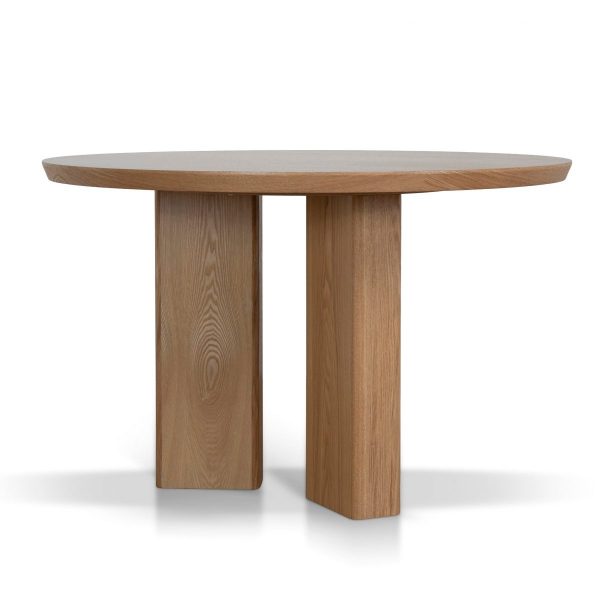
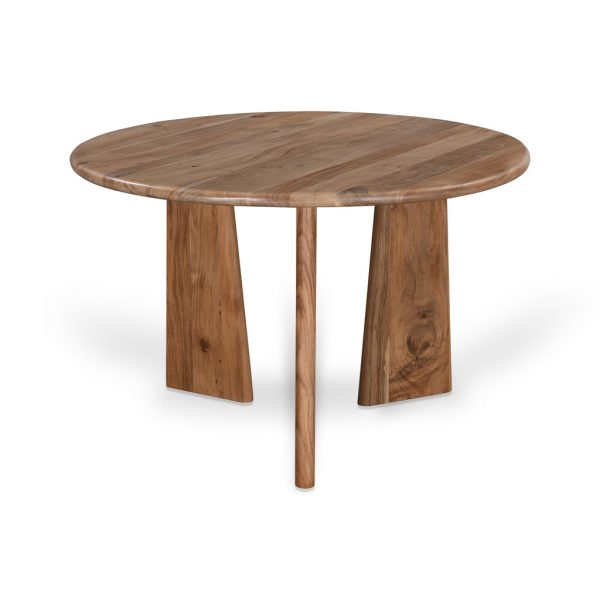
Choose the everyday places you use
Count regular diners and set out the place settings you need on an outline of the proposed table. Include serving dishes or another daily task, such as a brief work session, where that use matters. The aim is a useful ordinary surface rather than the smallest possible measurement.
Add the chairs in occupied and pulled-out positions. Keep room entry, nearby doors and other daily routes on the plan. Compare dining chairs with the top and support dimensions, particularly if seats must tuck away between uses. Do not size around rare gatherings at the expense of everyday movement.
Compare shapes on the floor, not in isolation
A round top uses diameter in every direction and gathers people around a shared centre. A narrow long top solves a different width problem but needs workable facing place settings. Rectangular and curved-end forms also change where seats and supports meet.
Draw actual outlines in the same room plan instead of assuming one shape always saves space. Compare round dining tables and narrow dining tables through their usable surface and occupied footprints. Keep knee clearance and serving room in view too.
Add occasional space only where it works
An extension can give a smaller everyday setting another use, but compare the open arrangement with chairs and room movement. The BAUHAUS Extendable Dining Table is a relevant example, with a published change from 1.4m to 1.8m. Test those current dimensions against your own space rather than treating the compact-use description as proof it suits every small home.
Read mechanism, storage and care instructions for the actual item. Added length is not a fixed number of guest places. If the expanded setting cannot work, a suitable fixed table and another hosting plan may be more practical. Keep the useful daily footprint as the centre of the decision.