
TV Units with Storage
TV units with storage should be chosen from everything the cabinet needs to hold, not from exterior width or the number of doors. Start by separating working devices from ordinary stored items such as remotes, controllers or another household group. They have different space and access needs. A spare compartment does not automatically become a suitable equipment position.
Read moreRead less
Use this collection to plan those contents within the wider TV and entertainment unit guide. TV units with shelves focus on device spaces, while TV units with drawers examine smaller sorting. Choose usable capacity and actual operation together, so concealed objects do not obstruct the equipment or the route used to retrieve them during ordinary viewing.
Showing 1–24 of 82 resultsSorted by recommended
-
Week’s PickOriginal price was: $1,734.00.$1,439.00Current price is: $1,439.00.
-
-
On SaleOriginal price was: $1,639.00.$1,442.00Current price is: $1,442.00.
-
On SaleOriginal price was: $2,264.00.$1,992.00Current price is: $1,992.00.
-
-
On SaleOriginal price was: $2,439.00.$2,146.00Current price is: $2,146.00.
-
-
On SaleOriginal price was: $1,734.00.$1,526.00Current price is: $1,526.00.
-
-
-
On SaleOriginal price was: $1,419.00.$1,249.00Current price is: $1,249.00.
-
-
On SaleOriginal price was: $1,603.00.$1,411.00Current price is: $1,411.00.
-
-
-
-
-
-
-
-
-
-
-
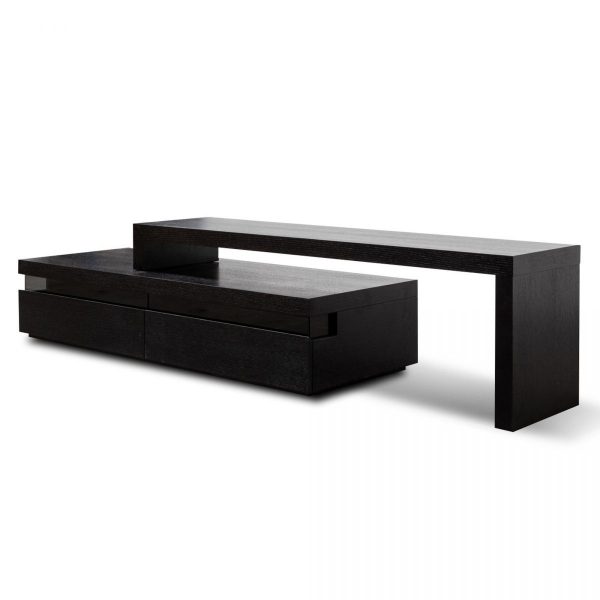

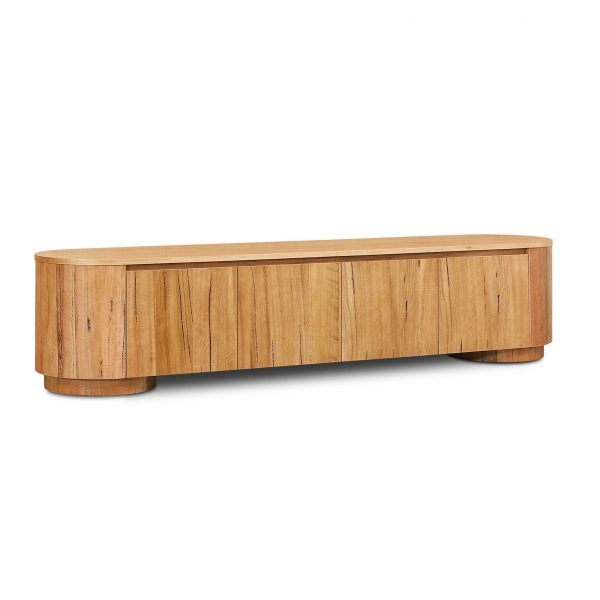
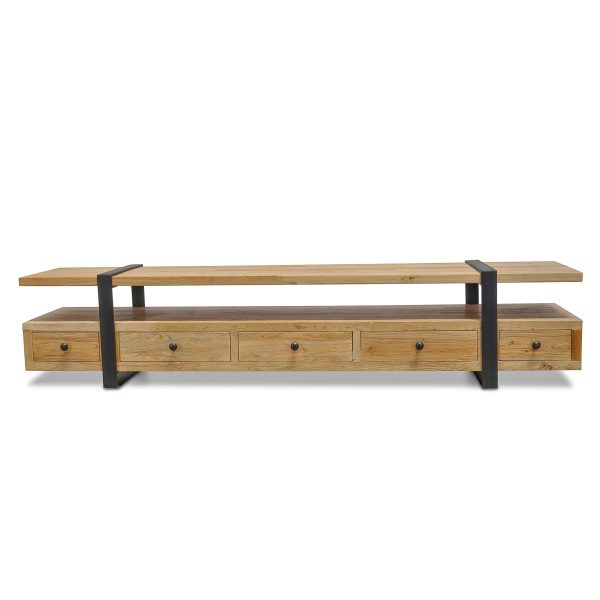
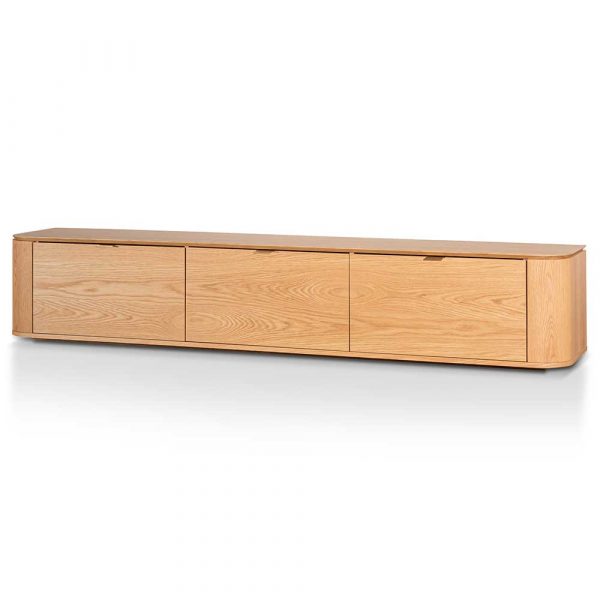
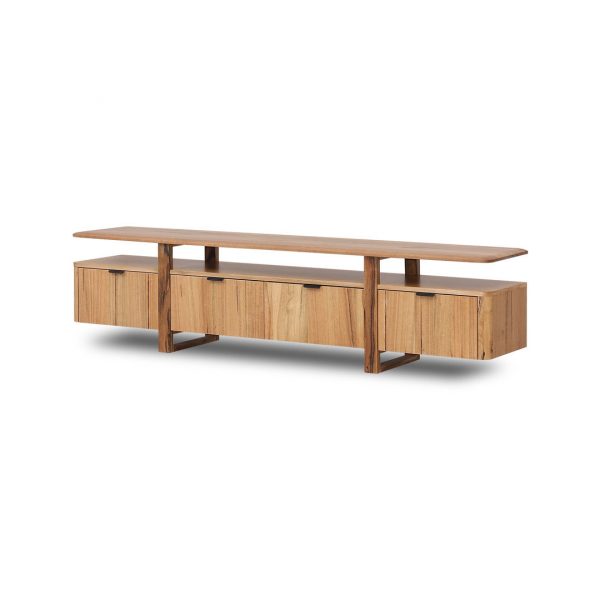
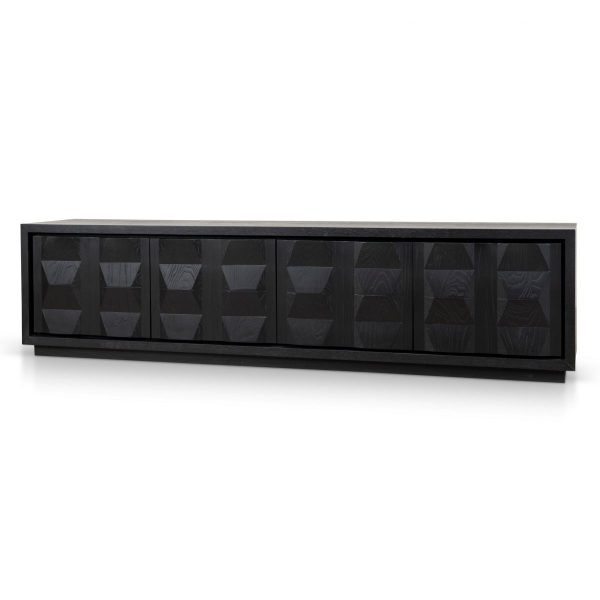
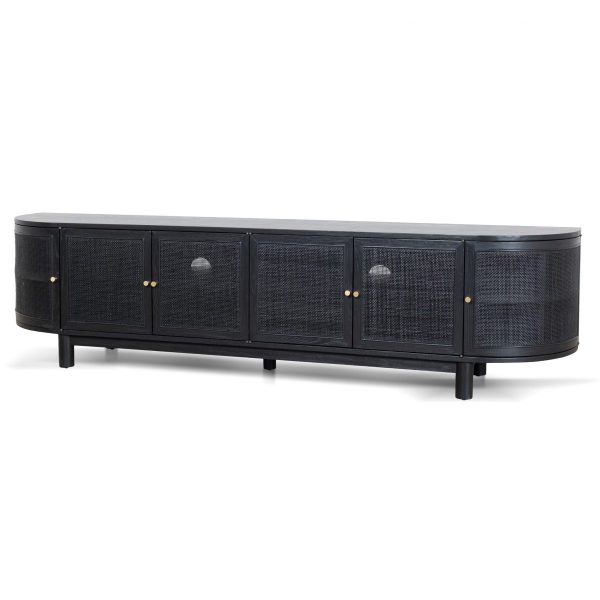
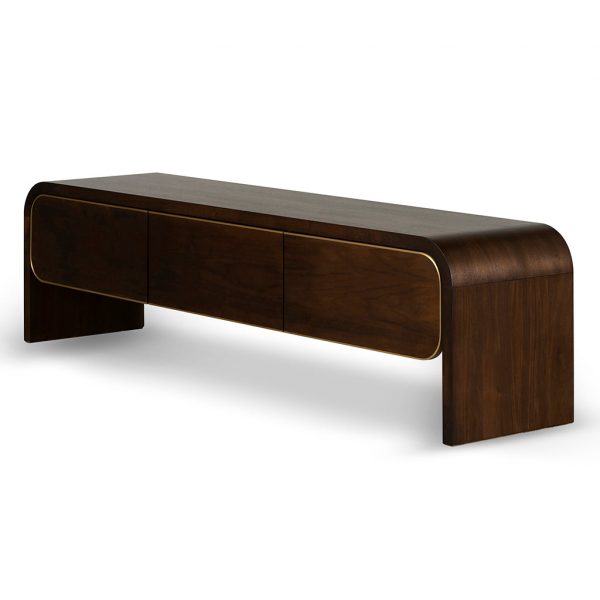


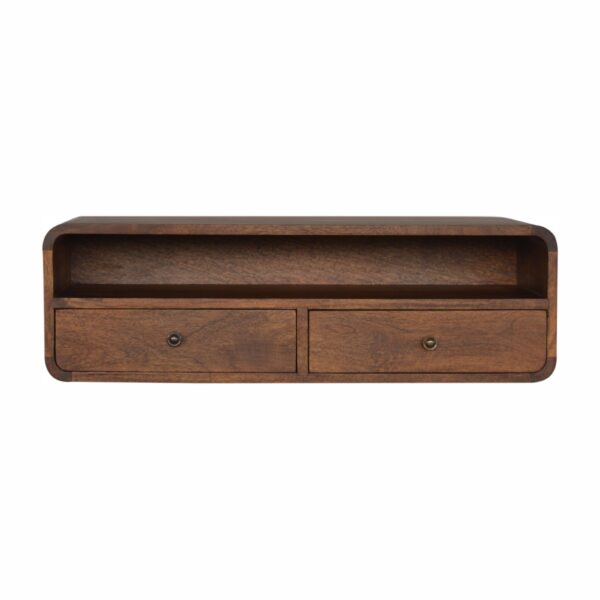

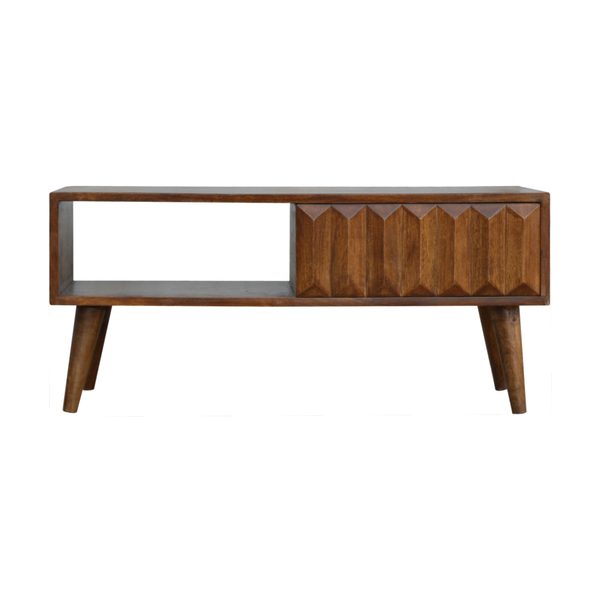
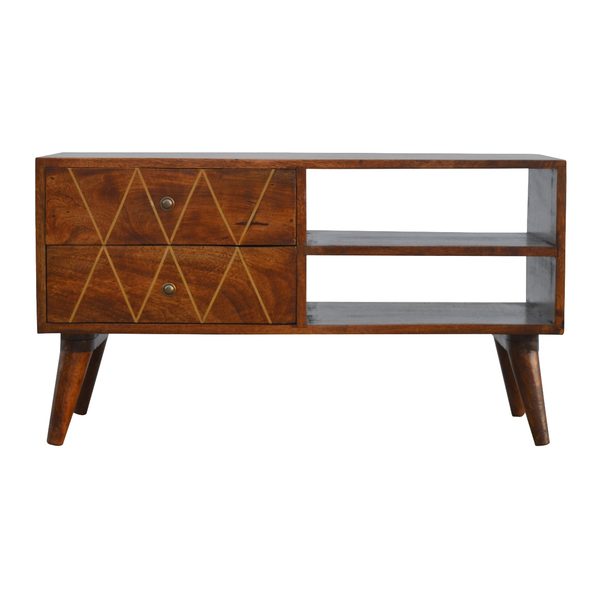
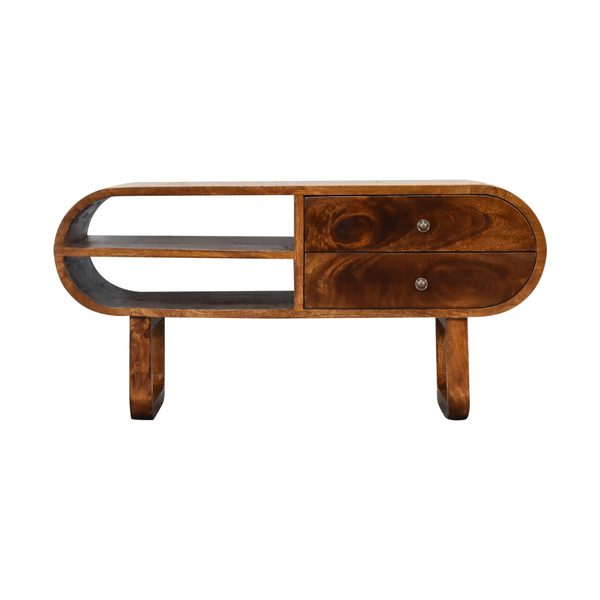
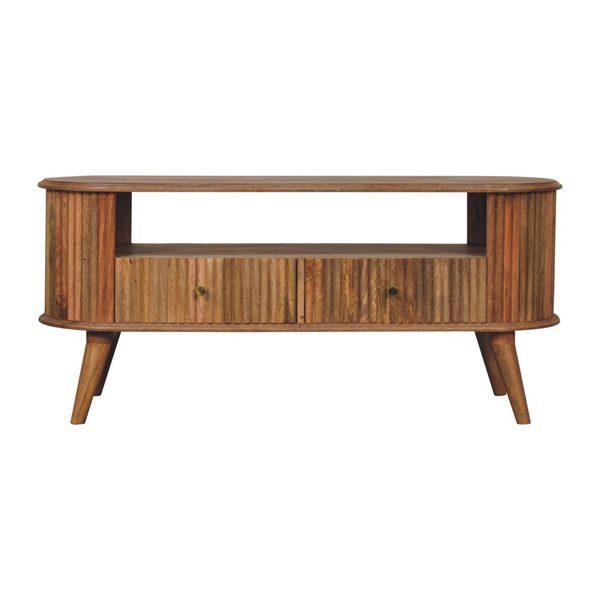
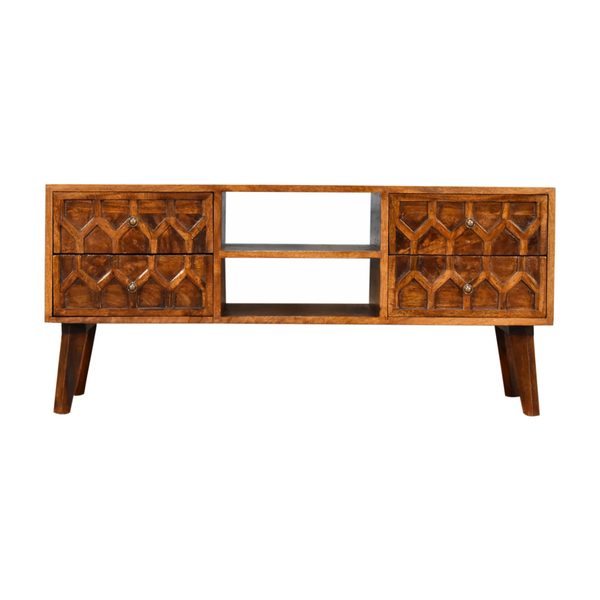
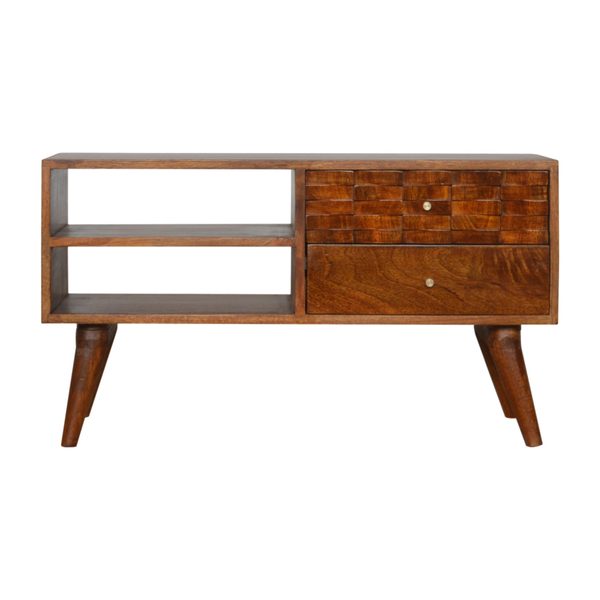
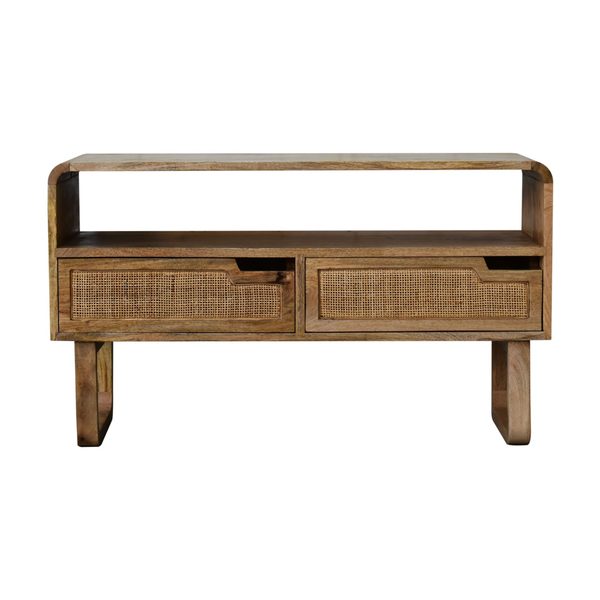
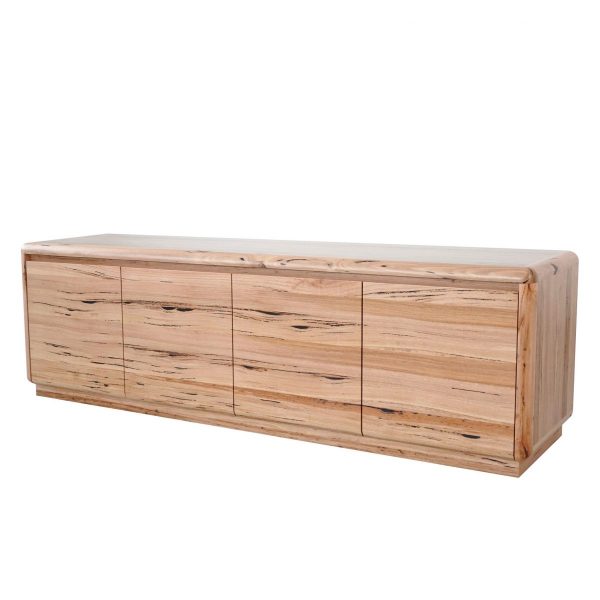
Separate working devices from items kept only for retrieval
List equipment and accessories, then decide what needs to operate in place and what simply needs an accessible home. Measure the stored groups with room to lift objects out. Give regularly used pieces practical positions instead of filling every remaining gap around a device. Storage quantity is less useful when it obstructs daily access.
Read usable internal dimensions, dividers and documented fittings. A long front may conceal several smaller areas rather than one continuous compartment. TV unit setup advice helps assess controls and connections after installation. Choose the complete contents arrangement from actual routines, rather than treating every space inside the cabinet as interchangeable media capacity.
Keep equipment requirements within their actual compartments
Measure each device with connections and manufacturer-required operating space included. Read compartment dimensions and the actual front configuration. A concealed storage position does not establish permitted closed operation, ventilation or control compatibility. Confirm those requirements before allocating a working appliance to a door-fronted space.
Check actual cable openings and power features rather than inferring them from the entertainment role. Compare shelf adjustment only where documented, with loading read separately from top support. TV units with shelves offer a closer equipment-area guide. Choose useful device positions first, then allocate accessories to remaining storage without narrowing the real operating and service access.
Fit support and retrieval into the furnished room
Compare the complete television’s assembled dimensions and weight with usable top support and documented loading. Screen diagonal or feet alone cannot establish fit. For wall-mounted use, assess the cabinet’s separate equipment role with actual installation requirements checked independently. Capacity beneath the top does not establish television support above it.
Plot full furniture depth and openings with surrounding seating in use. Include the person reaching contents and access to connections. Read material care, assembly and securing instructions. Low TV units provide a height comparison where proportion matters to the setup. Ask benssur about missing usable measurements so the storage cabinet supports an actual installed routine rather than merely hiding a larger collection of items.