
Low TV Units
Low TV units should be chosen through their actual height and the screen position they help create. Low is a relative description, not one standard dimension. For a stand-mounted television, the unit, stand and screen contribute to the full arrangement. For wall-mounted use, the cabinet has a separate equipment and visual role below it. Compare your actual seated view rather than copying a universal height rule.
Read moreRead less
Use this collection to plan that lower form alongside useful compartments. TV and entertainment units provide the wider setup guide. TV units with shelves focus on device space, while TV units with storage examine contents. Choose real support and access before selecting low proportions merely to quieten the wall.
Showing 1–24 of 69 resultsSorted by recommended
-
Week’s PickOriginal price was: $1,734.00.$1,439.00Current price is: $1,439.00.
-
-
On SaleOriginal price was: $1,639.00.$1,442.00Current price is: $1,442.00.
-
On SaleOriginal price was: $2,264.00.$1,992.00Current price is: $1,992.00.
-
-
-
On SaleOriginal price was: $1,419.00.$1,249.00Current price is: $1,249.00.
-
-
On SaleOriginal price was: $1,603.00.$1,411.00Current price is: $1,411.00.
-
-
-
-
-
-
-
-
-
-
-
-
-
-
-
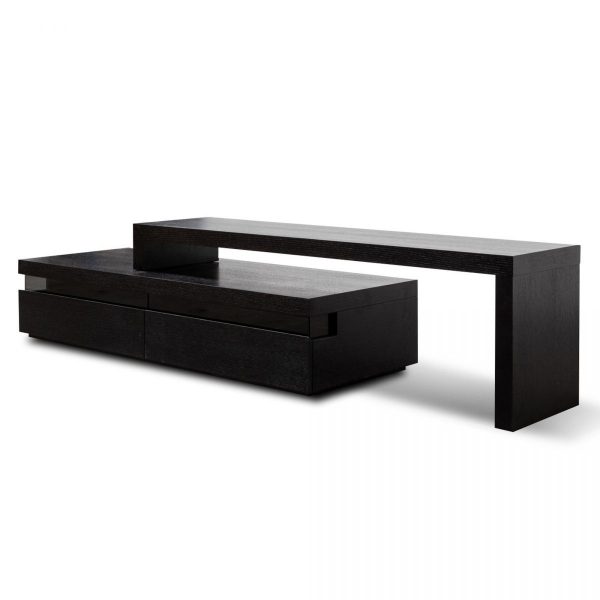

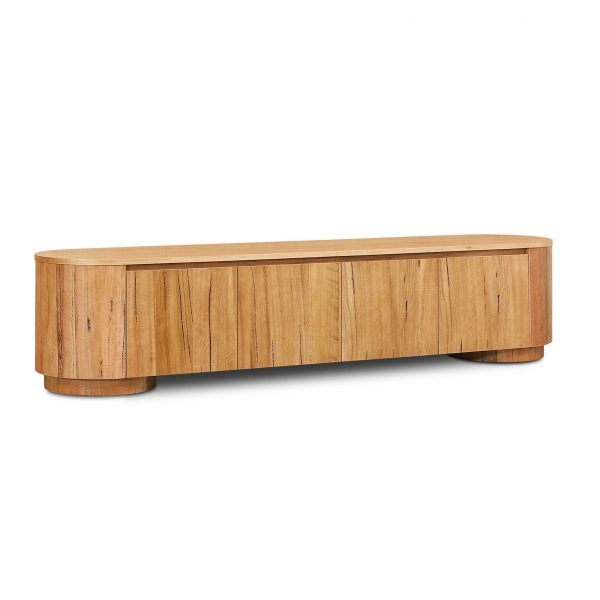
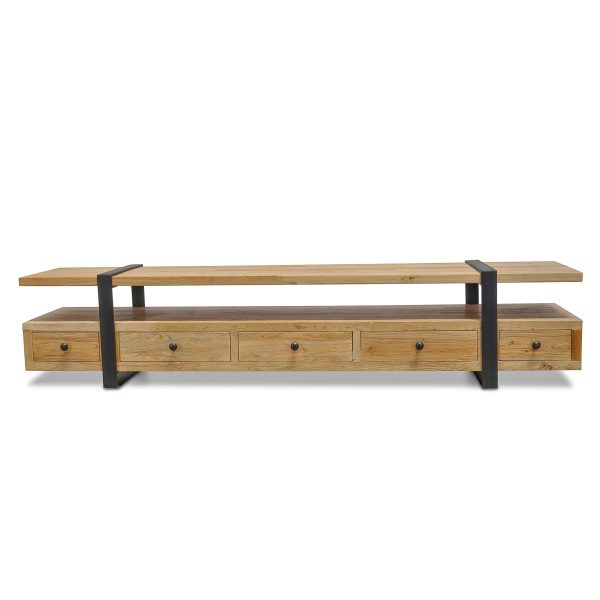
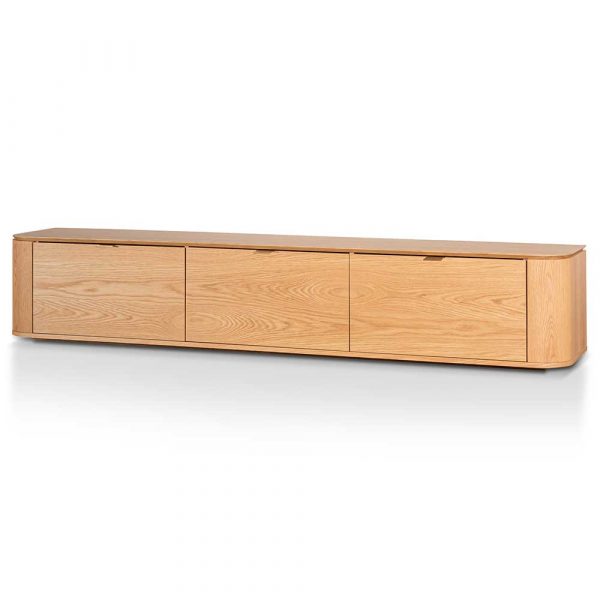
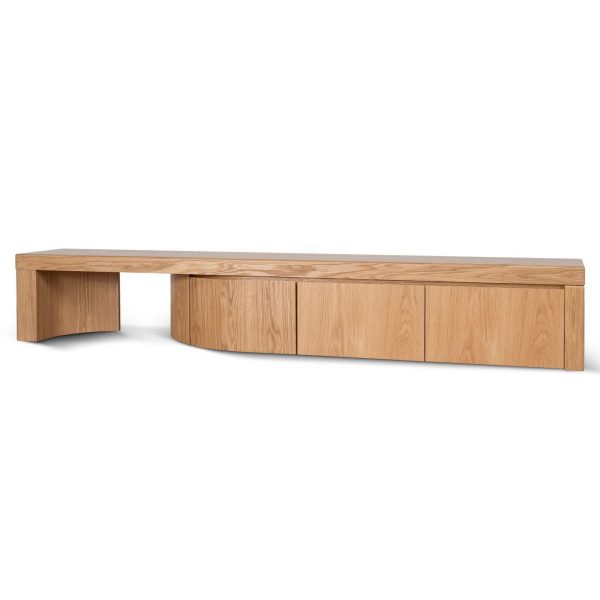
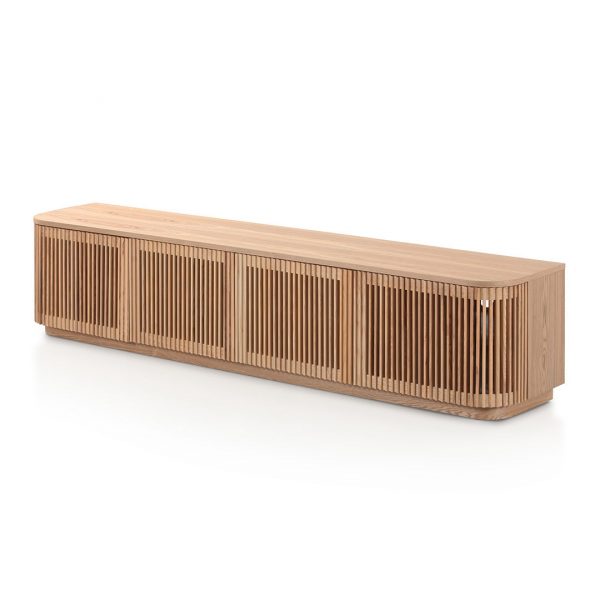
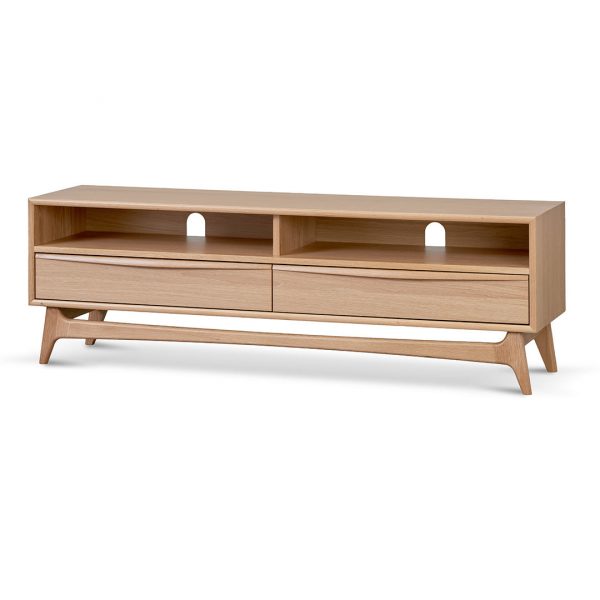
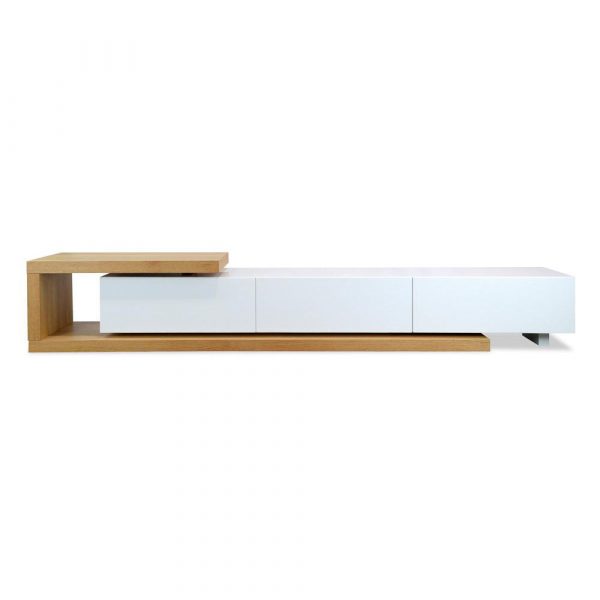


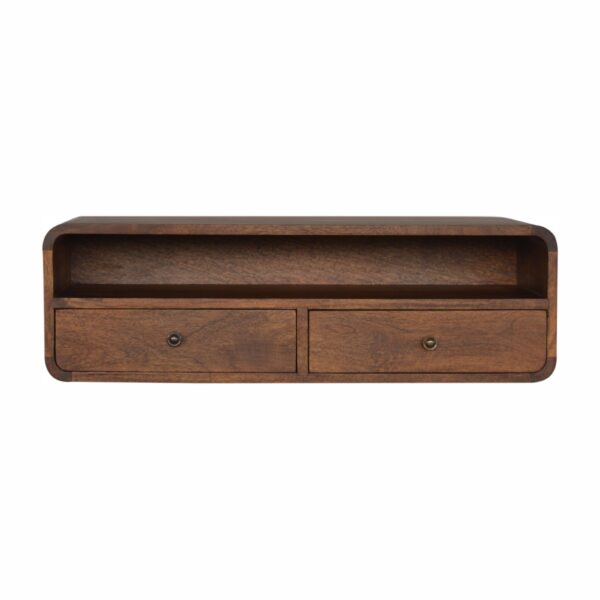

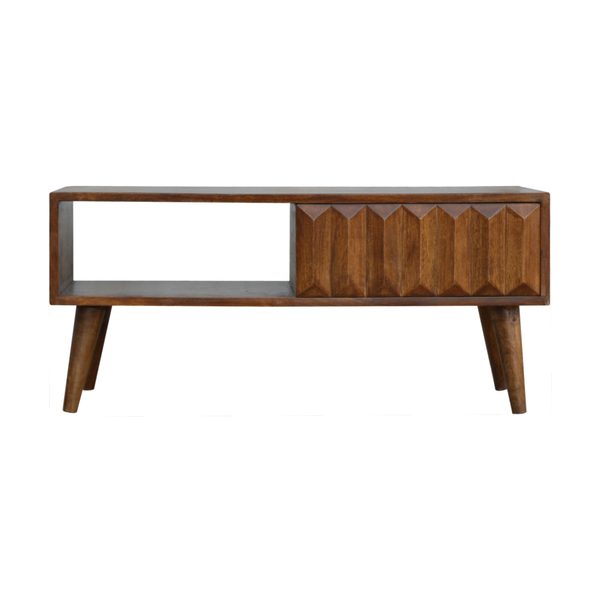
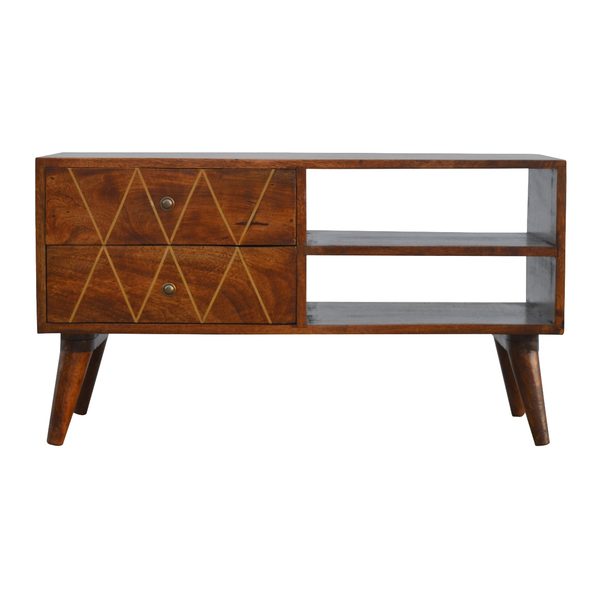
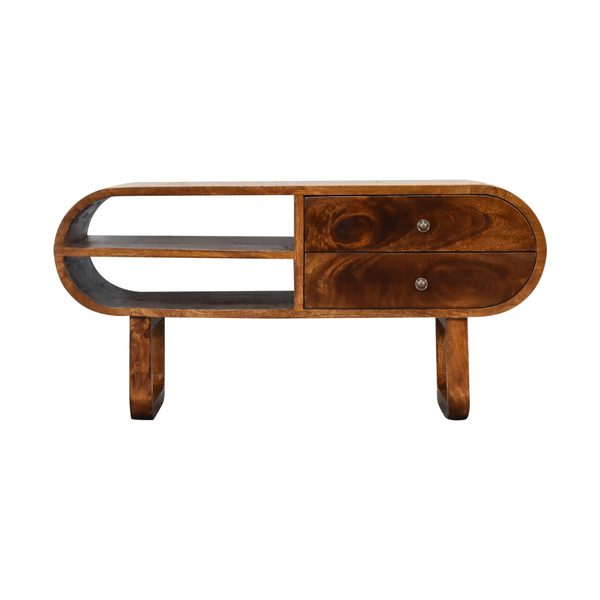
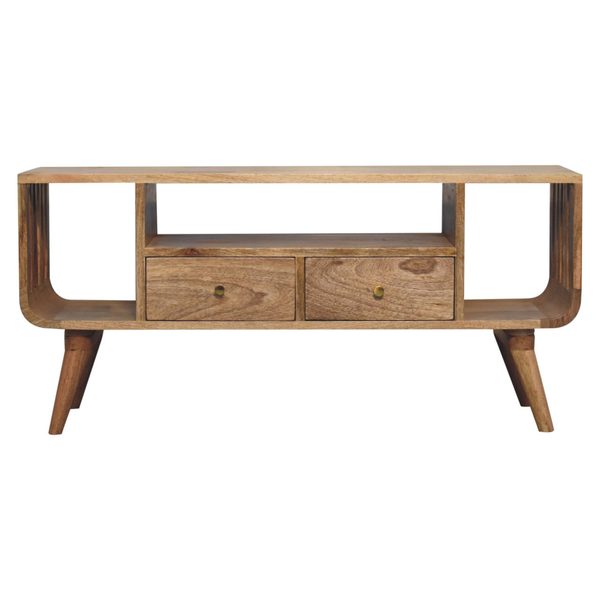
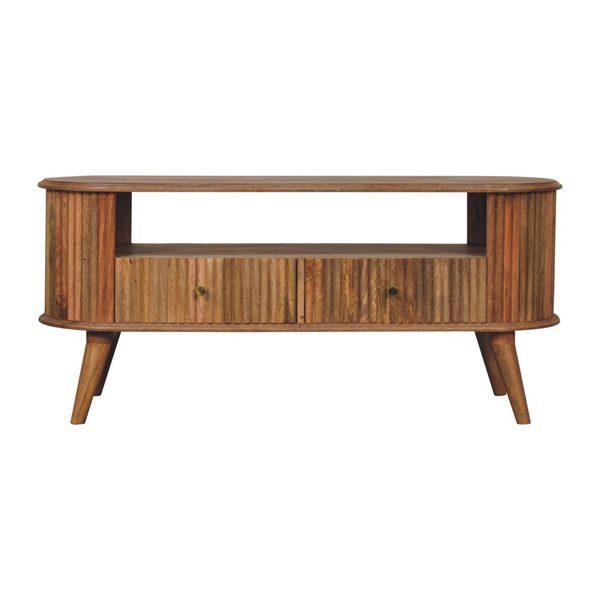
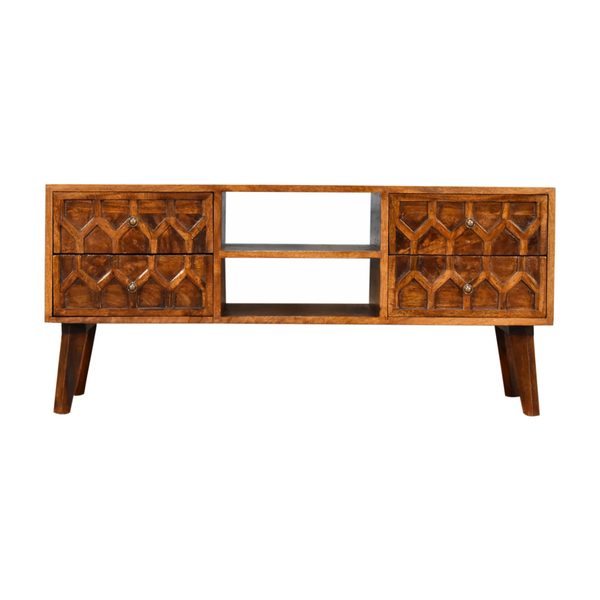
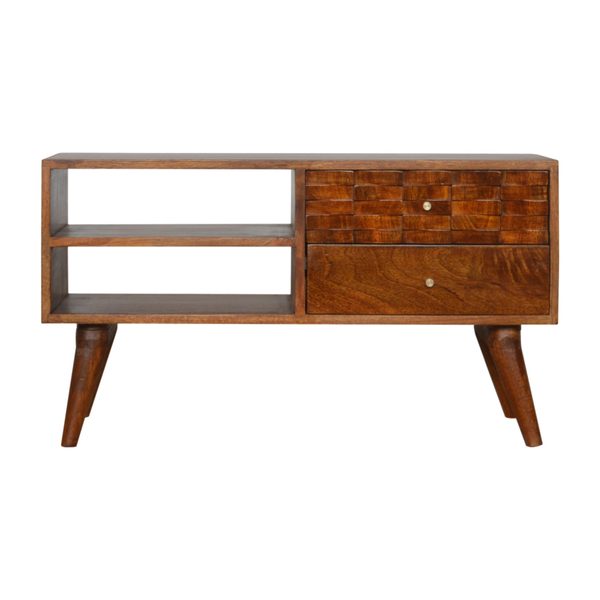
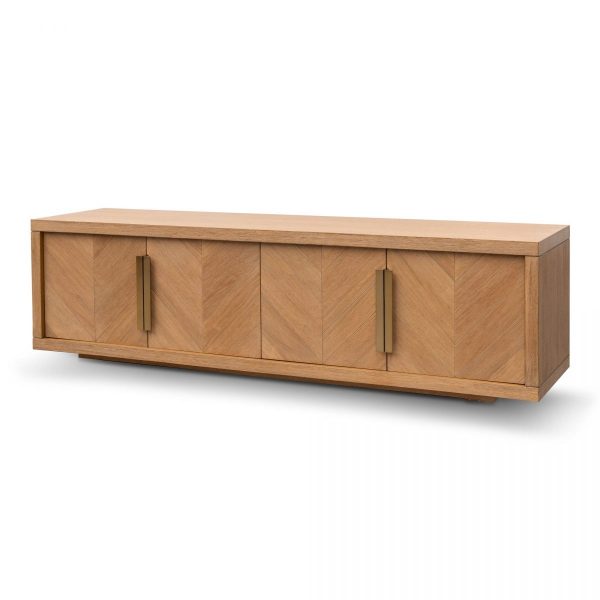
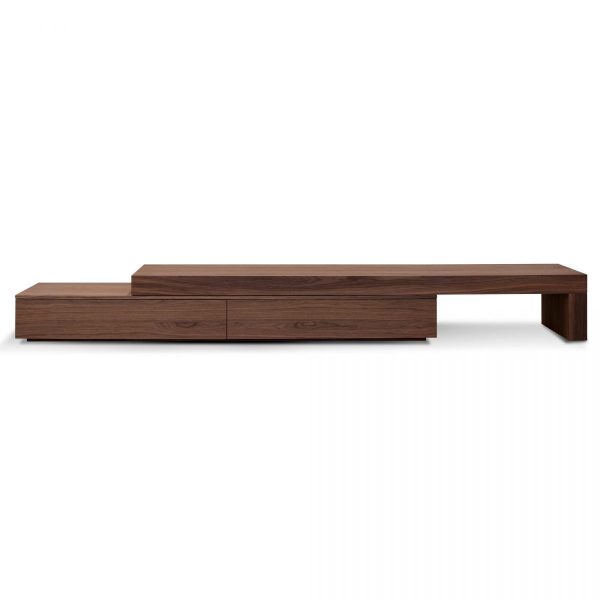
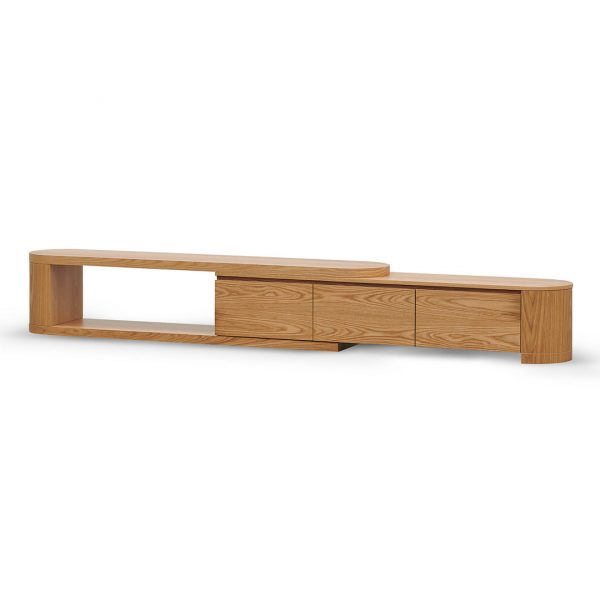

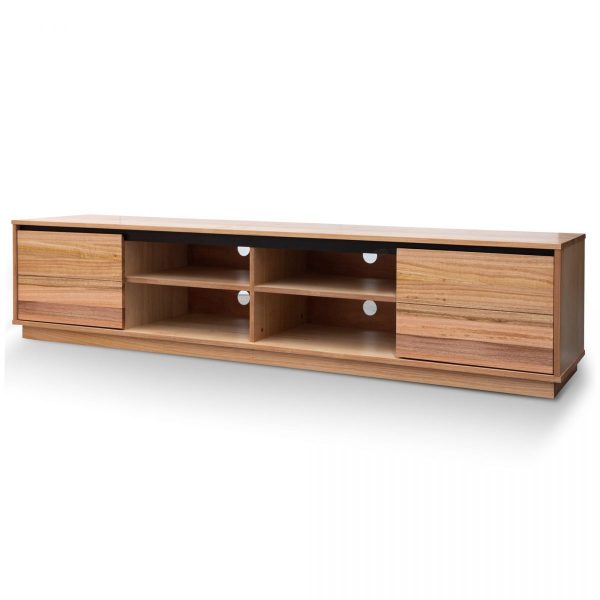
Compare cabinet height with the complete screen arrangement
Read the actual assembled furniture height, then include the television’s stand and full dimensions where it sits on top. Mark the intended screen position from your usual seat. A low cabinet can contribute differently depending on the television and room, so do not assume the same unit height suits every setup.
For wall-mounted use, review the gap and equipment role below the screen alongside the actual installation guidance. The cabinet does not determine mounting suitability or one required viewing height. TV unit setup advice helps examine installed access. Choose the lower furniture through the real seated view and equipment configuration rather than a styled photograph with no reference to your sofa.
Check useful device height inside the lower body
Measure the actual devices and required operating space, including connections. A low exterior can contain compartments of different heights because of dividers, shelves or another configuration. Read usable internal dimensions rather than estimating clearance from the front. Follow each device’s ventilation instructions instead of accepting a snug-looking fit.
Compare upright and horizontally arranged equipment only in ways its manufacturer supports. A low cabinet does not supply unrestricted shelf adjustment or permit every device orientation. TV units with shelves offer a closer compartment check. Choose the actual lower form with equipment access and clearances already workable, rather than squeezing the devices into a preferred visual line.
Keep support, retrieval and room access practical
Compare the television’s full assembled outline and weight with usable top dimensions and documented loading. Low height does not establish capacity, and feet alone do not describe the entire television. Keep top support separate from any shelf limits. Read actual cable features rather than assuming an entertainment role supplies them.
Plot complete depth and opening movement with surrounding seating in use. Check approach to lower compartments and connections as part of ordinary retrieval. TV units with drawers focus on smaller organised contents. Follow care, assembly and securing instructions, then ask benssur about missing height or usable dimensions. The lower cabinet should support the installed routine, with proportion finishing a practical choice.