
Sideboards with Shelves
Sideboards with shelves are for buyers who need clear compartments for stacked groups or taller household objects. Begin with the useful space between surfaces, not simply the number of shelves. Plates, vessels and other items need enough height to fit and enough opening access to lift out. The shelf arrangement and doors can affect that routine differently.
Read moreRead less
Use this collection to compare the documented compartments with your actual objects. Buffets and sideboards provide the wider storage guide. Sideboards with drawers focus on smaller sorting, while sideboards with storage examine the complete contents plan. Choose clear spaces and retrieval first, with shelf adjustment and loading checked only where the selected product establishes them.
Showing 1–24 of 58 resultsSorted by recommended
-
Week’s PickOriginal price was: $1,739.00.$1,443.00Current price is: $1,443.00.
-
Week’s PickOriginal price was: $2,363.00.$1,961.00Current price is: $1,961.00.
-
Week’s PickOriginal price was: $2,479.00.$2,058.00Current price is: $2,058.00.
-
-
On SaleOriginal price was: $2,413.00.$2,123.00Current price is: $2,123.00.
-
On SaleOriginal price was: $1,956.00.$1,721.00Current price is: $1,721.00.
-
On SaleOriginal price was: $2,319.00.$2,041.00Current price is: $2,041.00.
-
On SaleOriginal price was: $1,569.00.$1,381.00Current price is: $1,381.00.
-
On SaleOriginal price was: $2,479.00.$2,182.00Current price is: $2,182.00.
-
On SaleOriginal price was: $1,194.00.$1,051.00Current price is: $1,051.00.
-
-
-
-
-
-
-
-
-
-
-
-
-
-
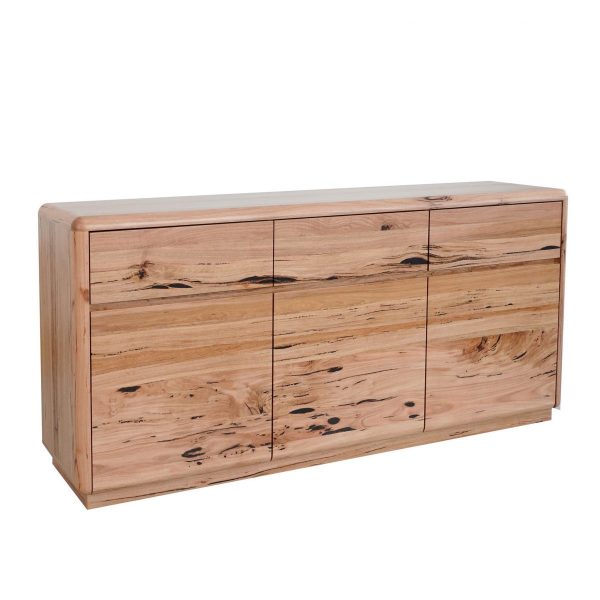

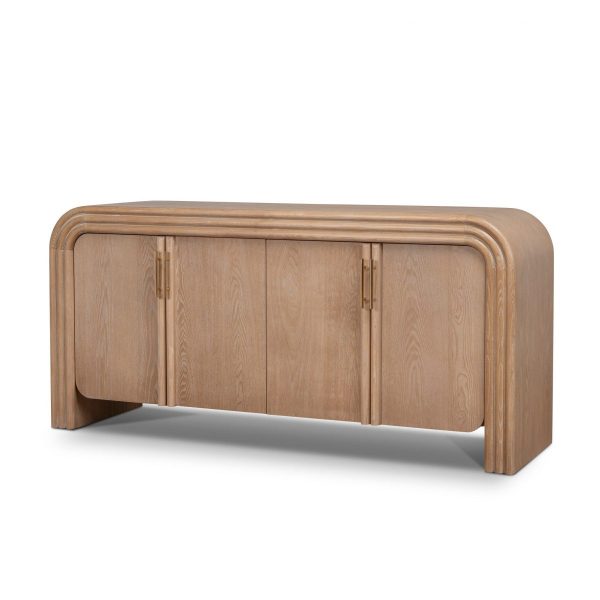
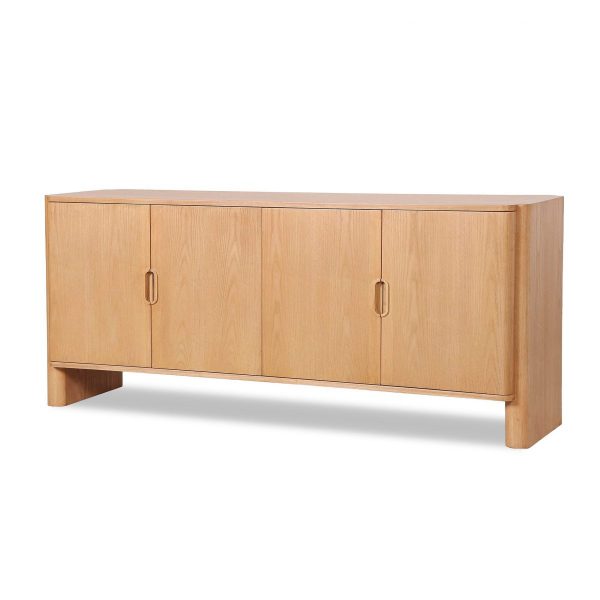
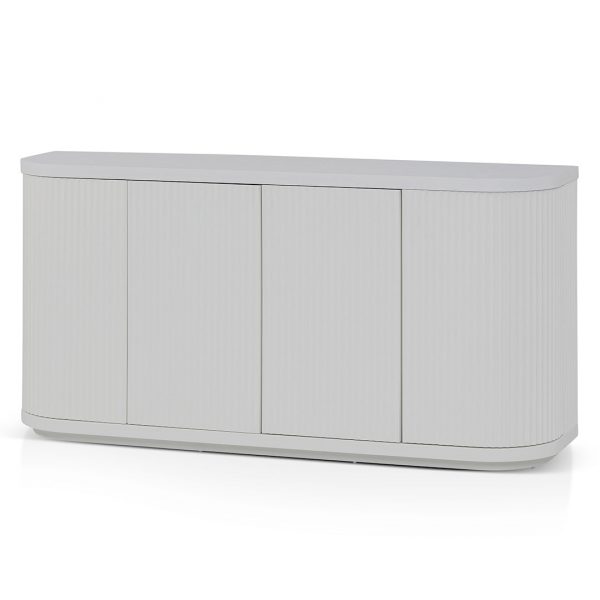
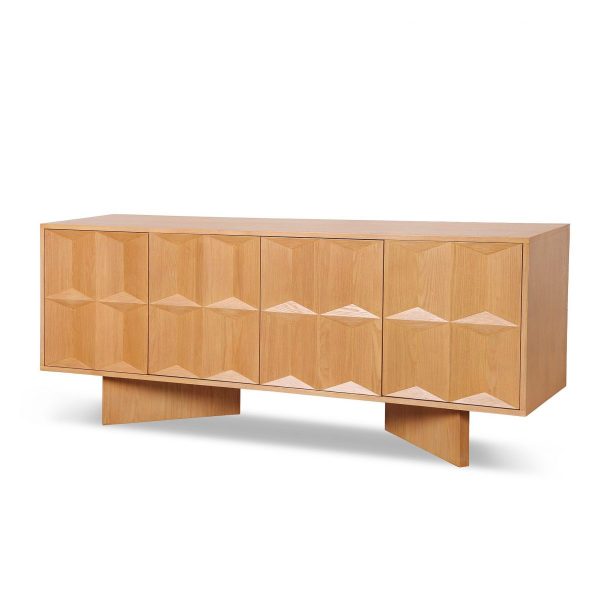
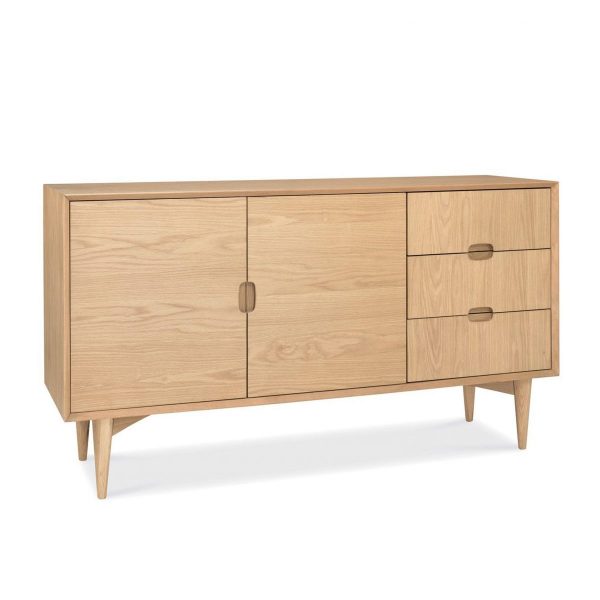
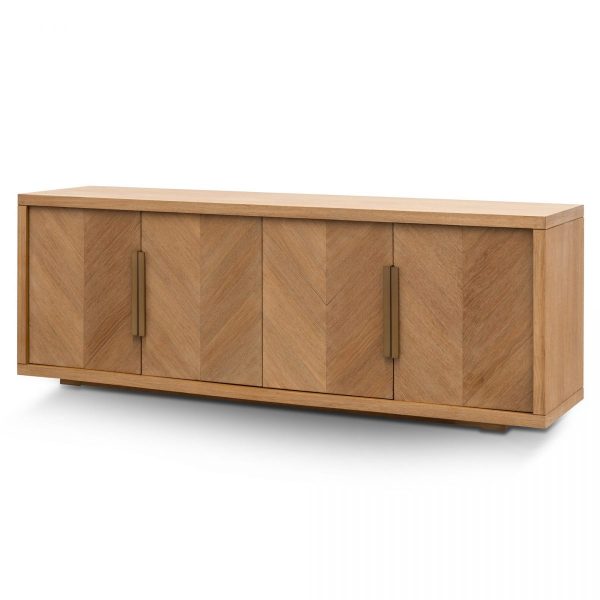
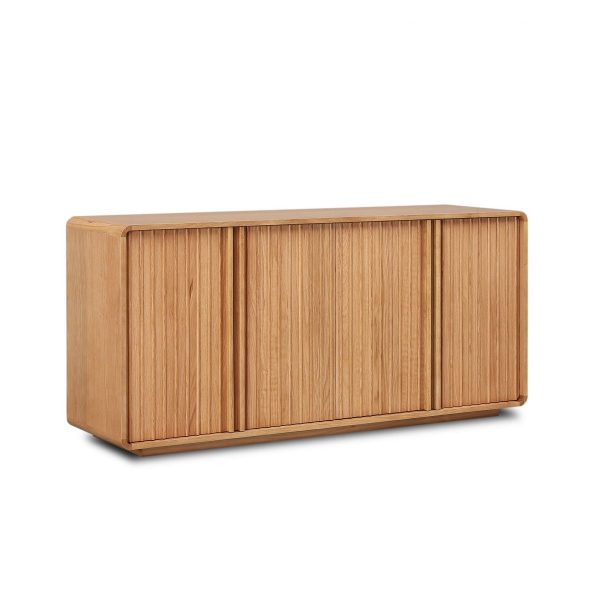
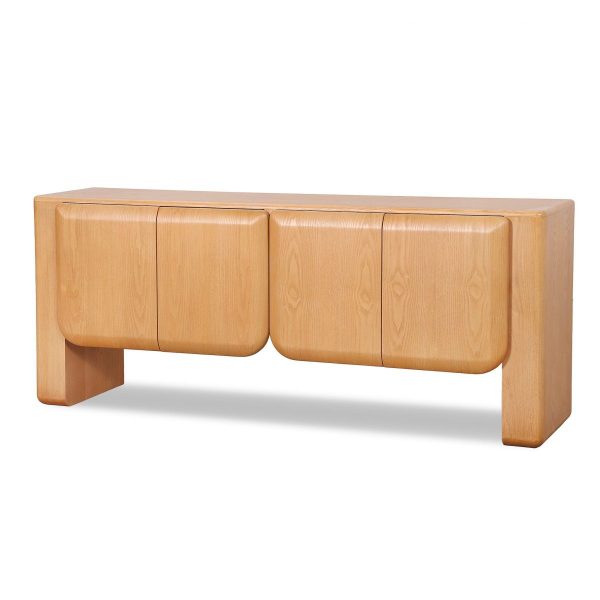

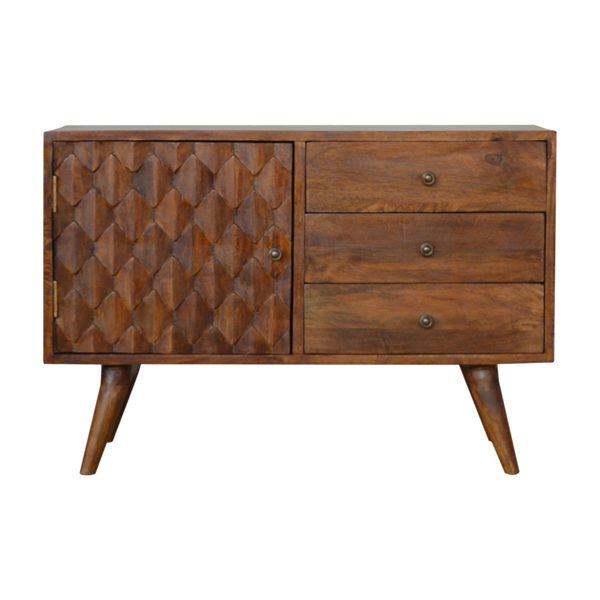

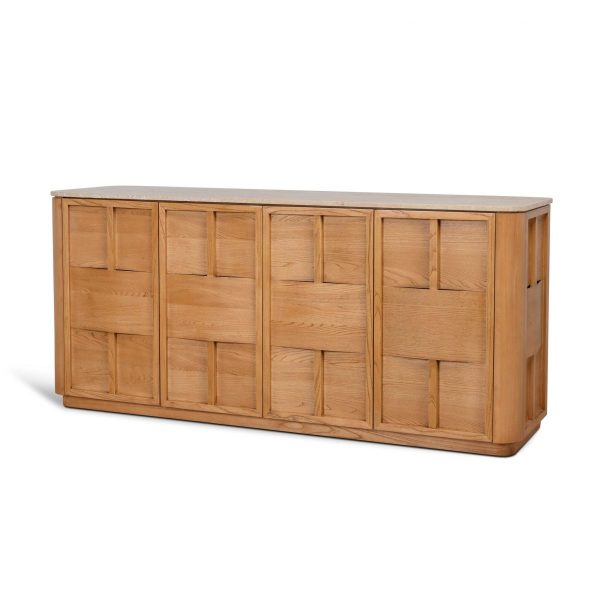
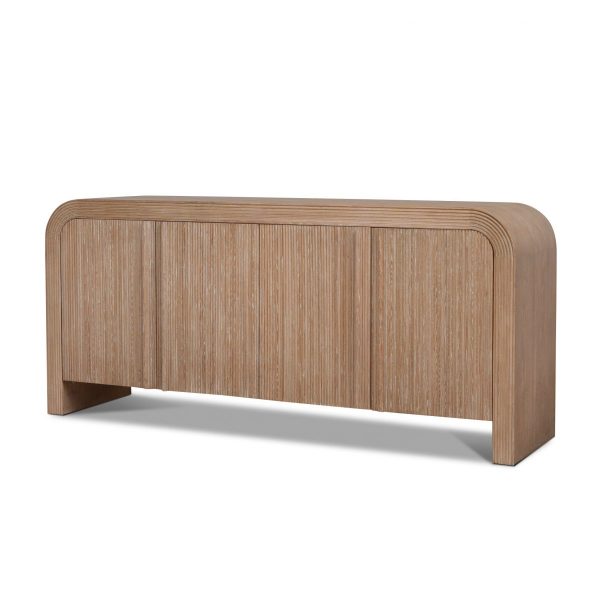
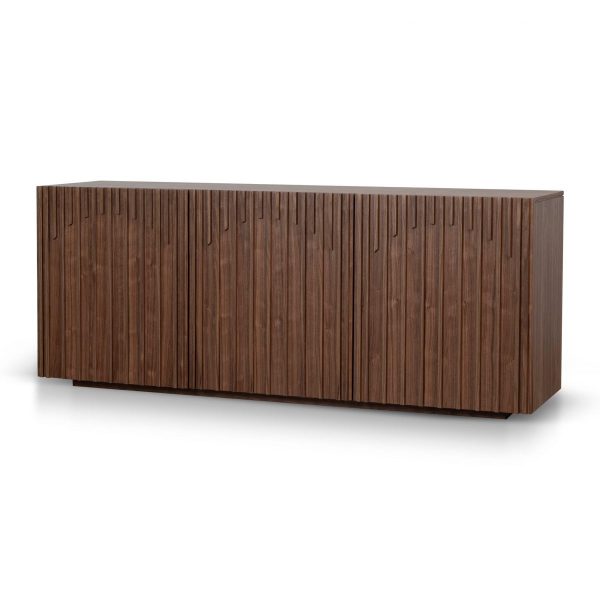
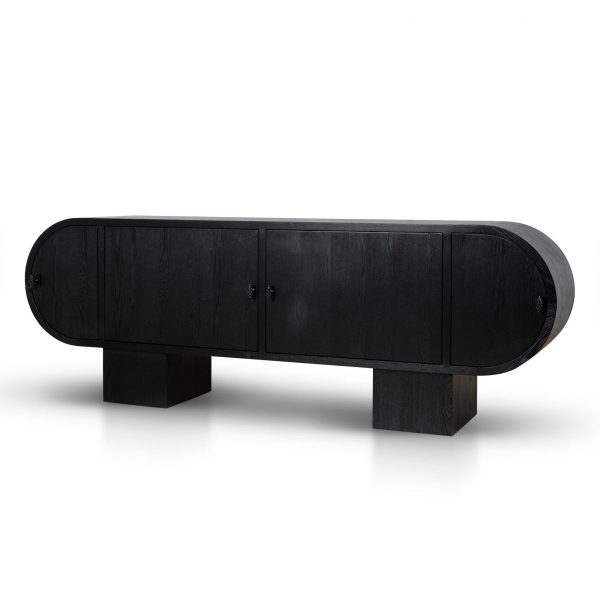
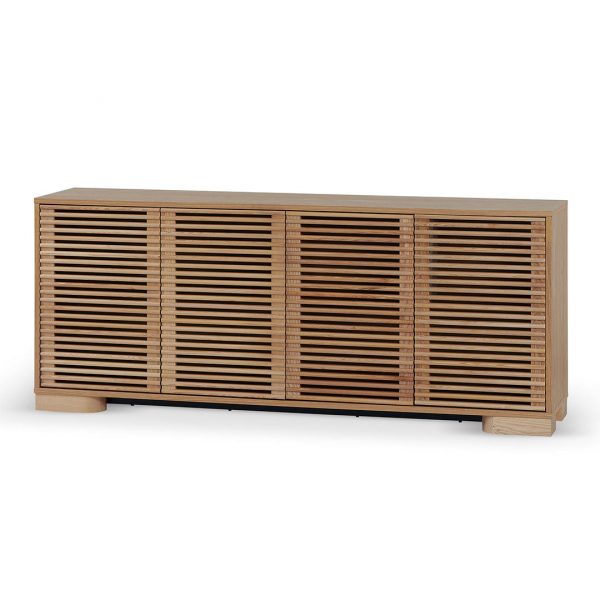
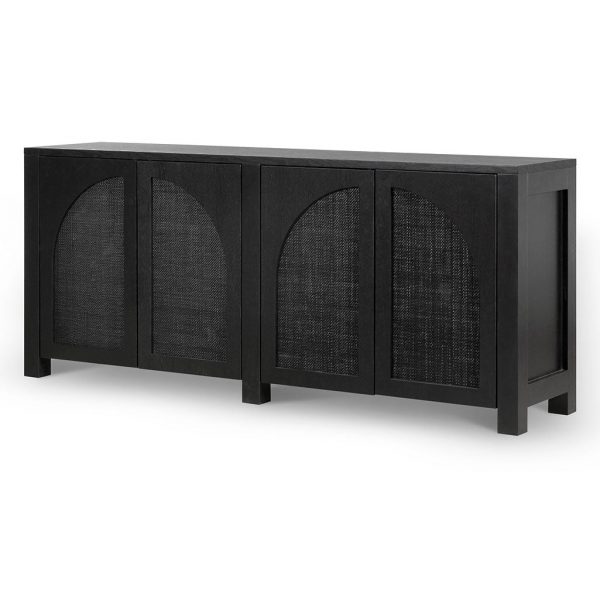
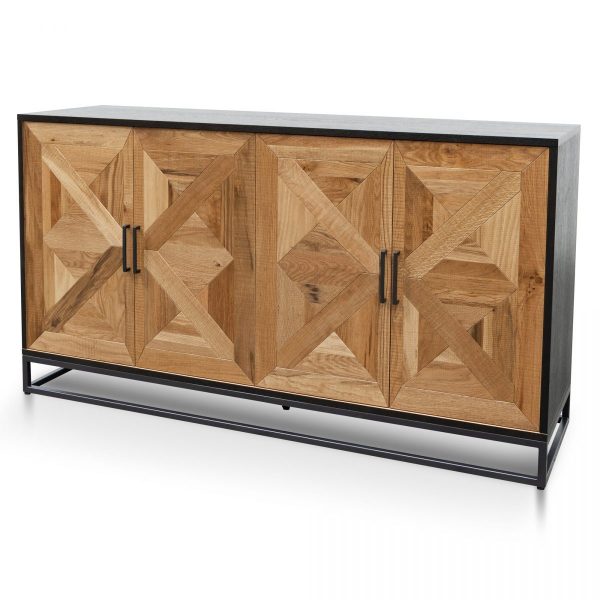
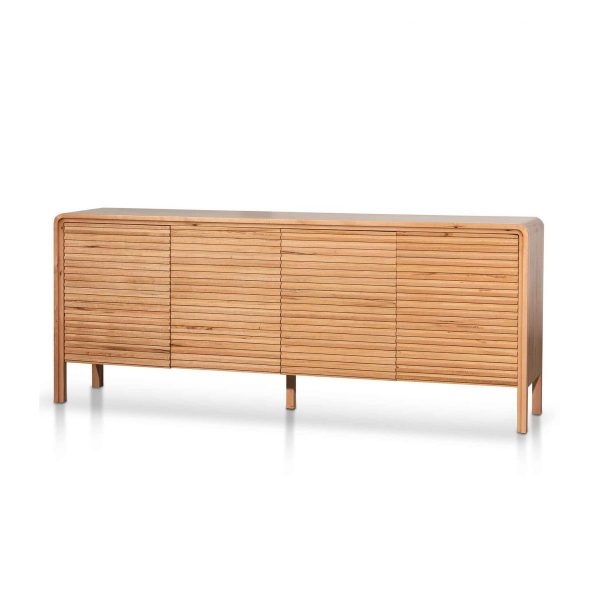
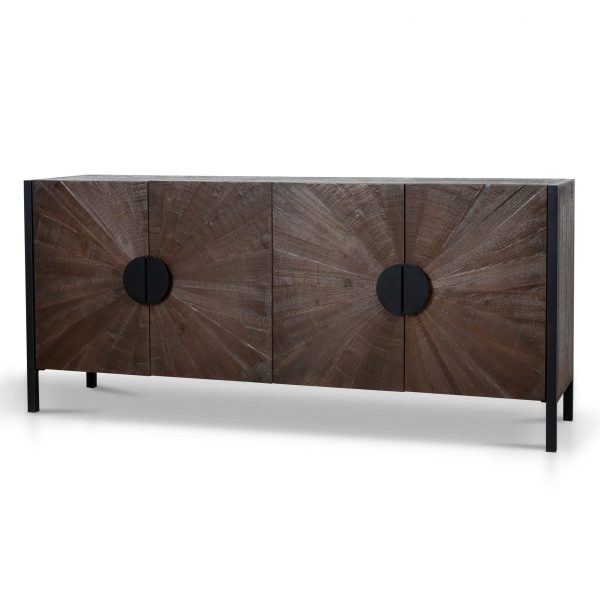
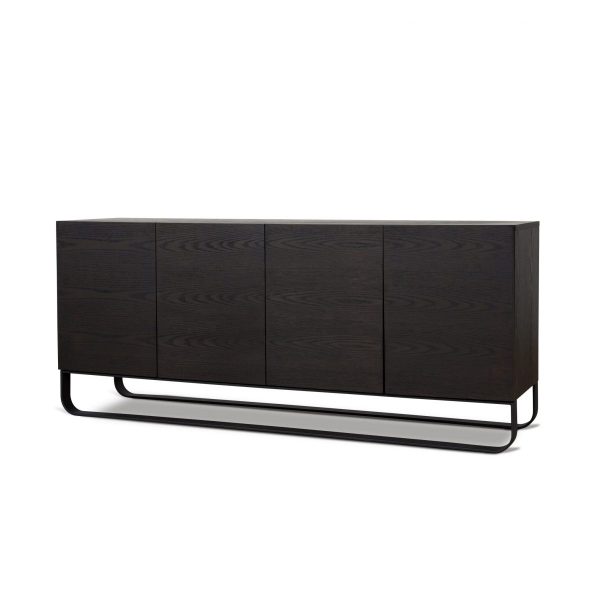


Compare clear shelf spaces with the objects and their removal
Measure the stored groups in their planned orientation, then include lifting space above them. The gap between shelves is different from overall cabinet height. Read usable internal width and depth too, noting divisions and fittings. A tall item may fit within a compartment yet be awkward to pass through its actual opening.
Check door and hinge positions alongside the shelf. Where a stack will be reached regularly, choose an arrangement that does not require moving several other objects first. Dining room storage helps compare that tableware routine. Assess shelves through ordinary retrieval rather than maximising the number of stored items in an inaccessible layout.
Read adjustment and loading through the actual fittings
Find out whether the selected shelves are fixed or adjustable. If adjustment is documented, check the usable positions and limits instead of assuming unrestricted spacing. A photograph does not explain every fitting or prove additional shelves are supplied. Confirm the actual configuration before allocating objects to it.
Read loading and material guidance for each shelf. A broad surface or thicker-looking front edge does not establish a capacity figure. Keep any separate top loading independent of the internal shelves. Office sideboards offer another object-group comparison if folders or supplies lead the brief. Choose the supported arrangement for the actual contents, rather than borrowing a shelf limit from another cabinet.
Plan access to the shelves in the furnished room
Plot the complete cabinet and documented door movement with a person retrieving items. Include nearby chairs or other furniture in use. Clear interior spacing is useful only if the room lets you reach it at the time it is needed. Check open and closed positions separately.
Read materials and care for the internal shelves, front and top; they may have different descriptions. Timber sideboards provide a component-level wood route after capacity is clear. Follow assembly and installation instructions, including any securing guidance, and measure delivery access. Ask benssur about missing shelf gaps or opening details before ordering. The right shelf layout should support the actual use-and-return routine, not merely look spacious behind an open door.