
Sideboards with Drawers
Sideboards with drawers are for buyers who want smaller objects sorted and easy to retrieve, rather than gathered behind one larger door. Start with the items and how they are arranged: loose pieces, folded groups or another household set can need different usable depth and height. Drawer count alone does not establish practical capacity or the reach available when each drawer opens.
Read moreRead less
Use this collection to choose the documented drawer layout alongside any other compartments. Buffets and sideboards provide the wider cabinet plan. Sideboards with shelves offer another storage format, while dining room storage connects smaller sorting with tableware. Choose actual drawer usefulness before deciding that more divisions automatically make the cabinet better.
Showing all 13 resultsSorted by recommended
-
Week’s PickOriginal price was: $1,739.00.$1,443.00Current price is: $1,443.00.
-
On SaleOriginal price was: $1,956.00.$1,721.00Current price is: $1,721.00.
-
-
-
-
-
-
-
-
-
-
-
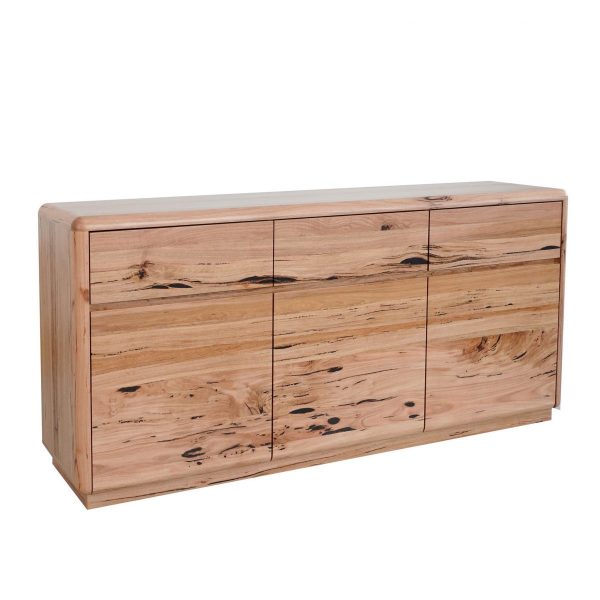

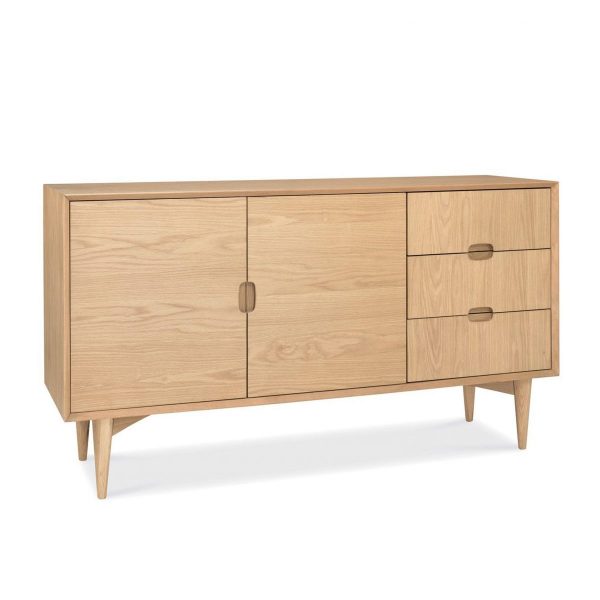
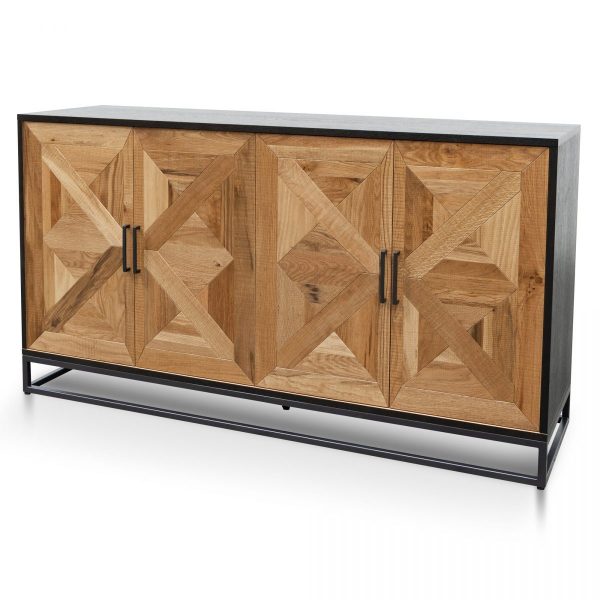


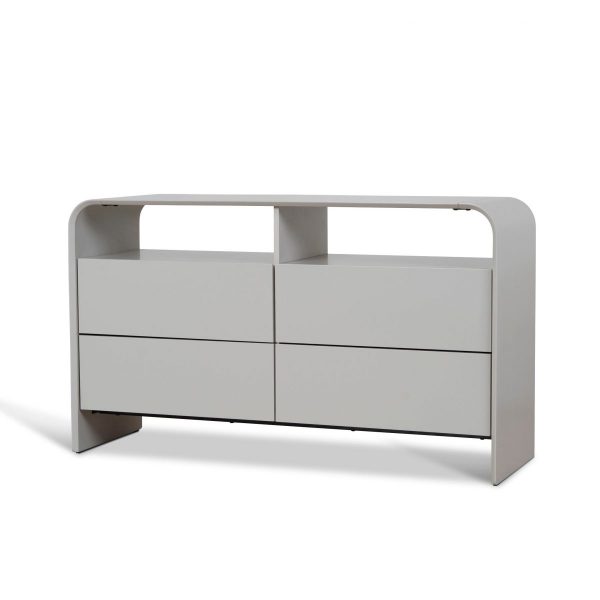
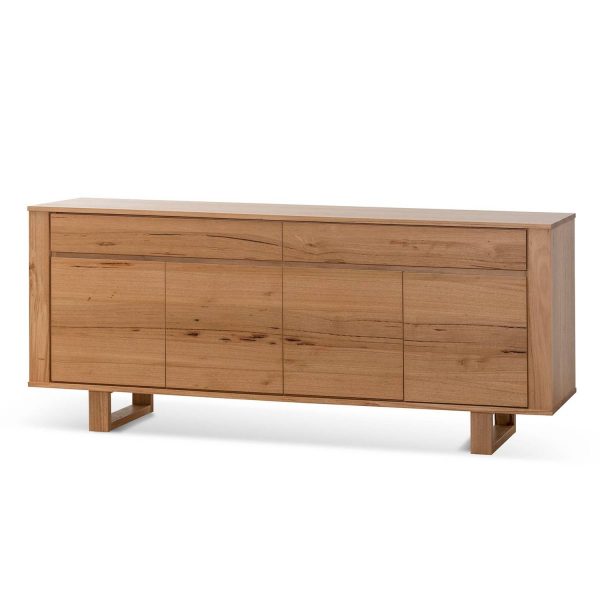
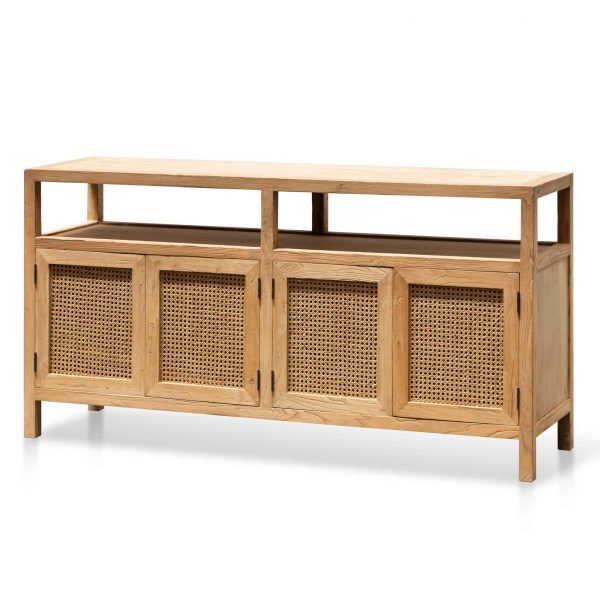
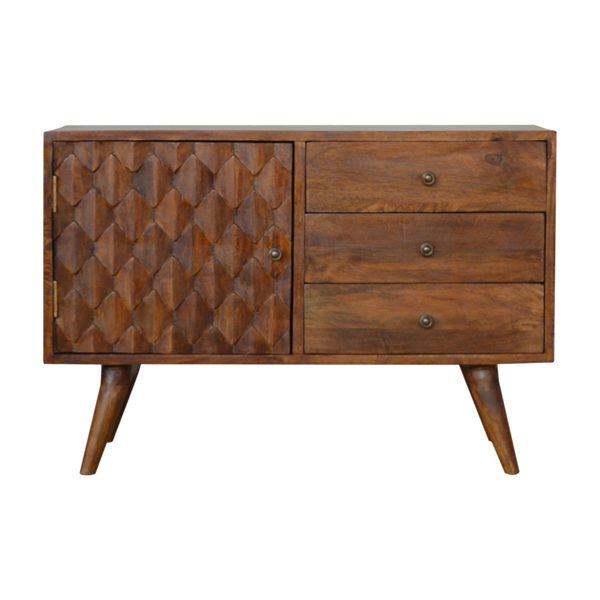
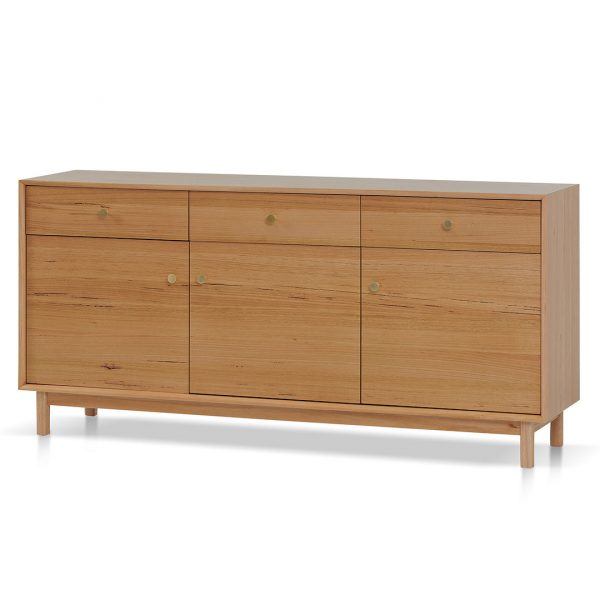
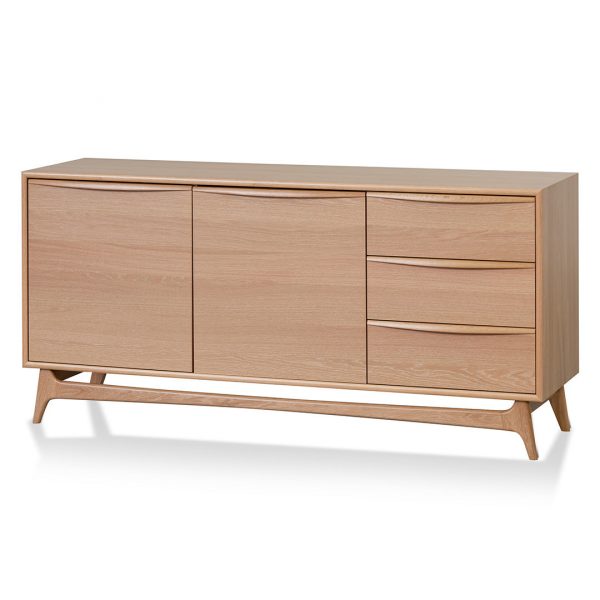
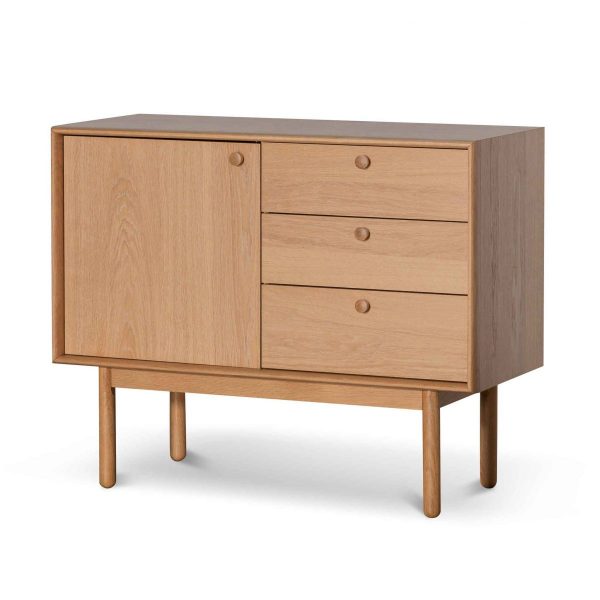

Measure the items in their planned drawer groups
Separate objects by the routine in which they are used, then measure the arrangement rather than one piece alone. Compare usable internal width, depth and height, noting any supplied divisions. Leave room to lift items out. A deep drawer may store a taller group, while small loose pieces can become harder to organise if simply layered.
Read the actual internal dimensions instead of measuring the exterior front. Runners and construction can occupy space outside the usable area. Do not assume trays or organisers are supplied. Sideboards with storage help review the whole contents plan. Choose the documented layout that keeps regular objects accessible rather than counting drawers as equivalent storage units.
Check usable reach when the drawer opens
Read the stated drawer movement and operating guidance. The amount of travel affects access to the back of the compartment, so do not infer complete extension from a front image. Check actual loading and opening limits where provided. Soft-close or another mechanism must be documented, not assumed from a neat handleless appearance.
Plot each opening with a person retrieving items and surrounding furniture in use. For dining, include chairs pulled back and the path to the table. Buffet and sideboard retrieval advice examines that everyday sequence. A drawer that holds the objects but opens into an occupied route may be the wrong arrangement for the room.
Balance drawer sorting with the rest of the cabinet
Compare any cupboard space alongside the drawers. Larger serving objects or taller boxes need their own clear compartments; increasing drawer count can change what remains available elsewhere. Read the selected configuration rather than expecting one mix to suit every household. Choose from the complete object list.
Check front and top materials separately, then follow care for repeated handle contact and the supported top task. Timber sideboards offer a material comparison after storage function is clear. Read assembly, installation and any securing instructions, with delivery access measured for the largest component. Ask benssur about unclear drawer sizes or travel before selecting sorted storage that actually serves the routine.