
Dining Room Storage
Dining room storage should serve the meal before, during and after people sit down. Start with the pieces you use together: tableware, serving items and any smaller accessories may need different compartments. Measure them as practical groups, with room to remove a piece. Then locate the cabinet where those objects can be reached while the table and chairs are actually in use.
Read moreRead less
Use this collection to organise that dining routine rather than choose storage solely for an empty wall. Buffets and sideboards provide the wider cabinet guide. Dining tables help compare the occupied arrangement, while sideboards with drawers focus on smaller sorting. Choose useful interiors and access first, with the top’s supported purpose kept clear.
Showing 1–30 of 70 resultsSorted by latest
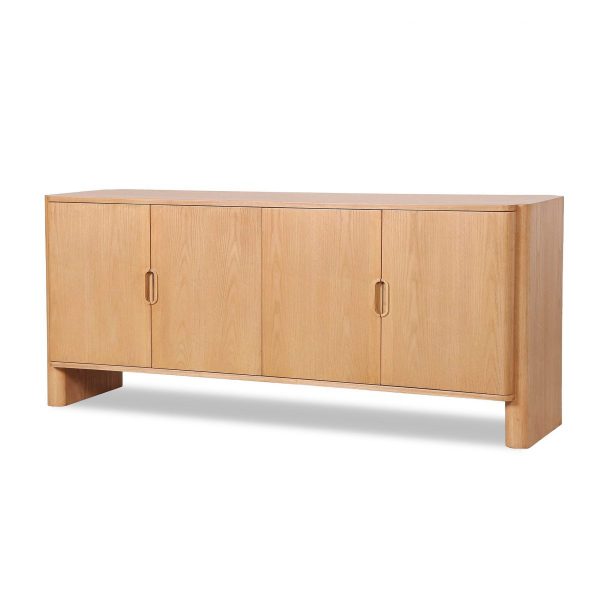
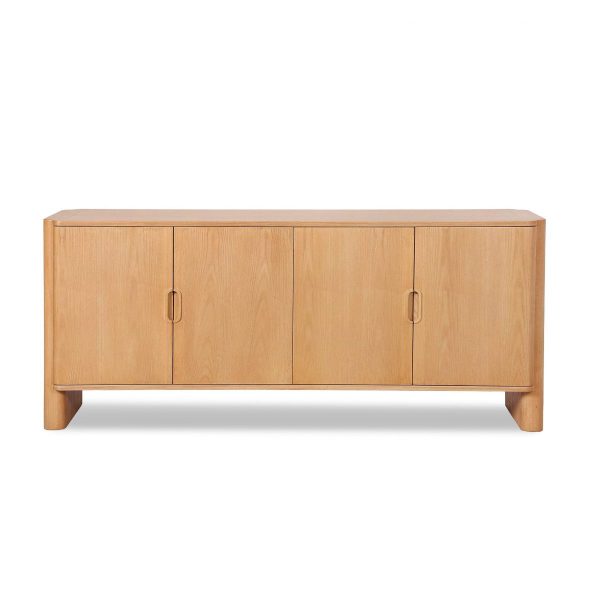
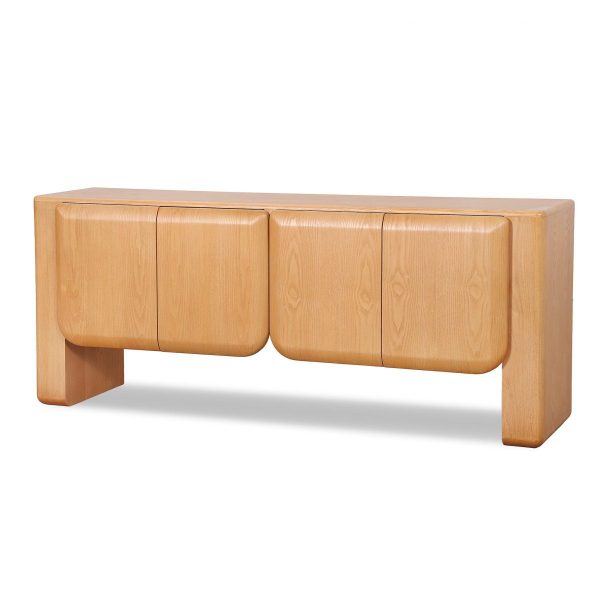
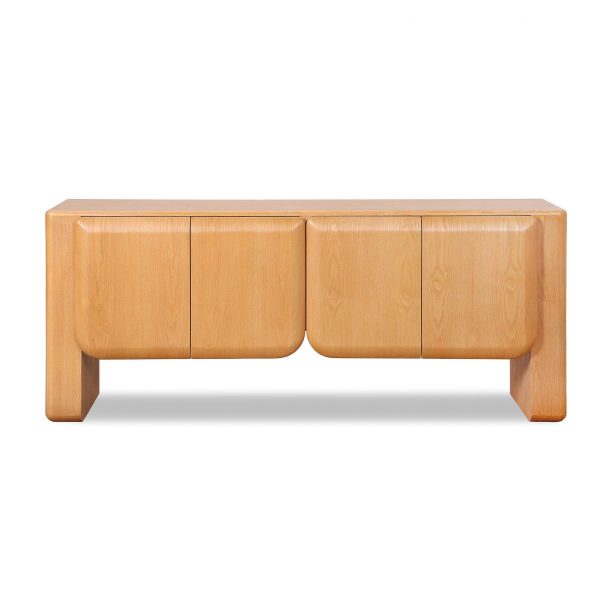


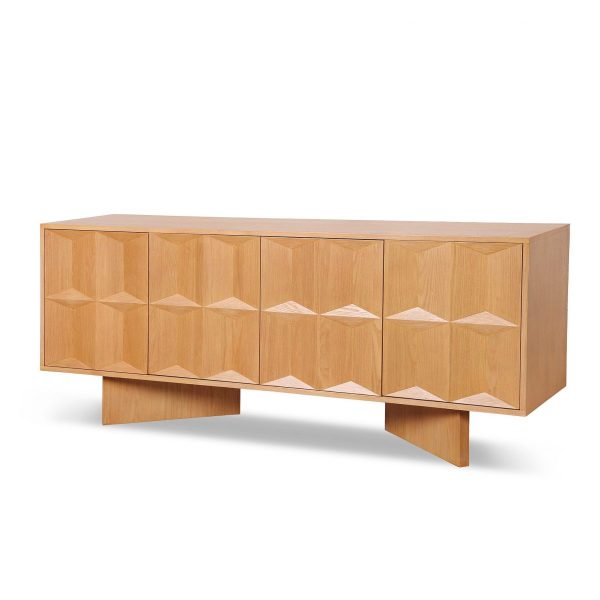
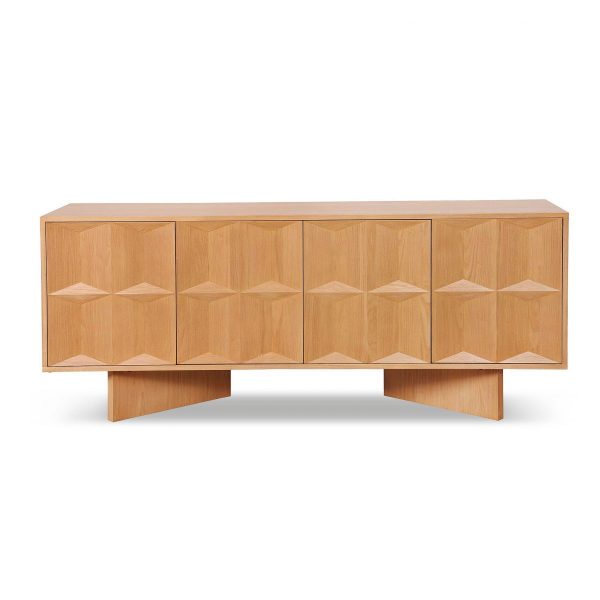
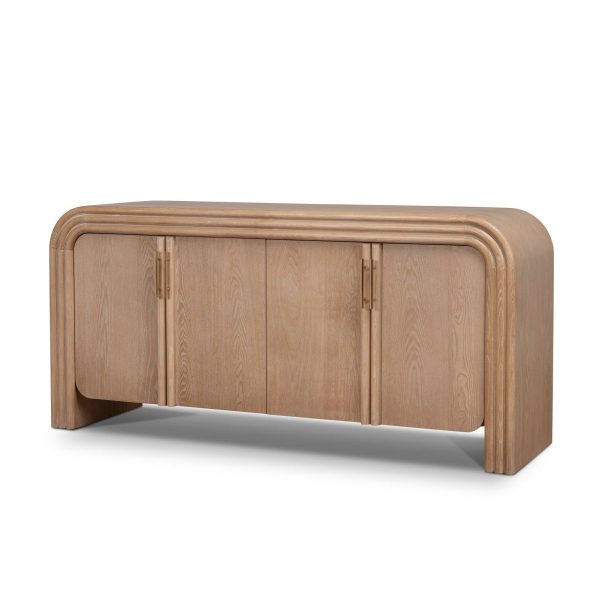
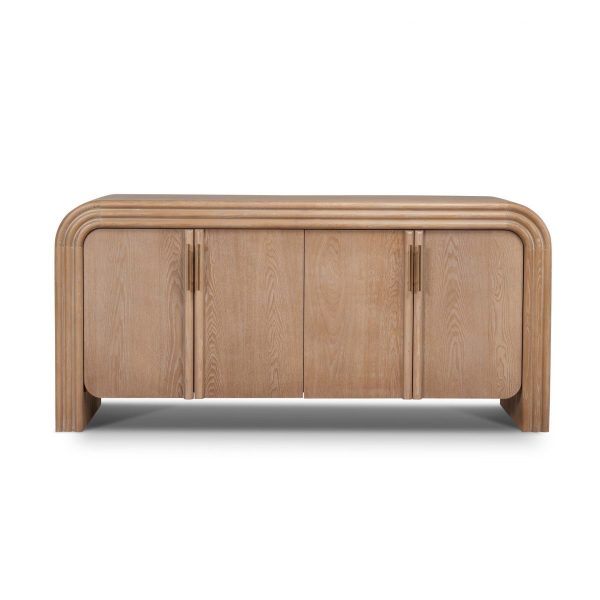
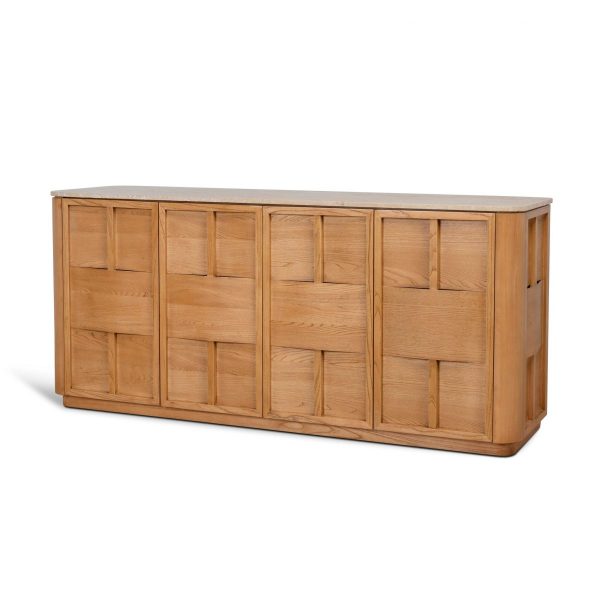
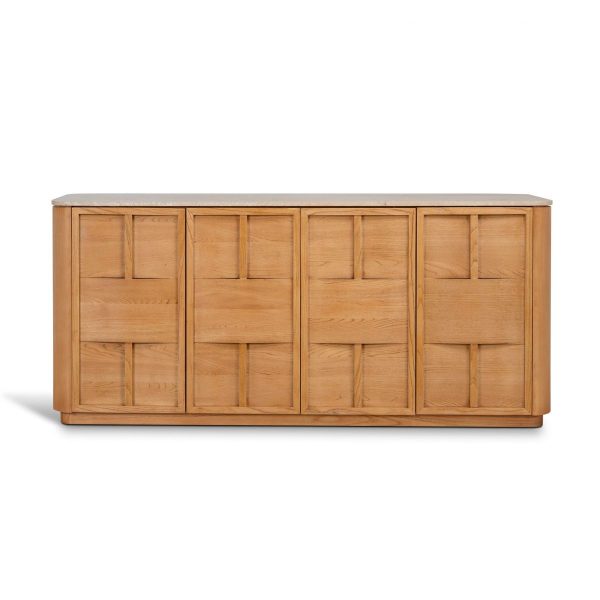
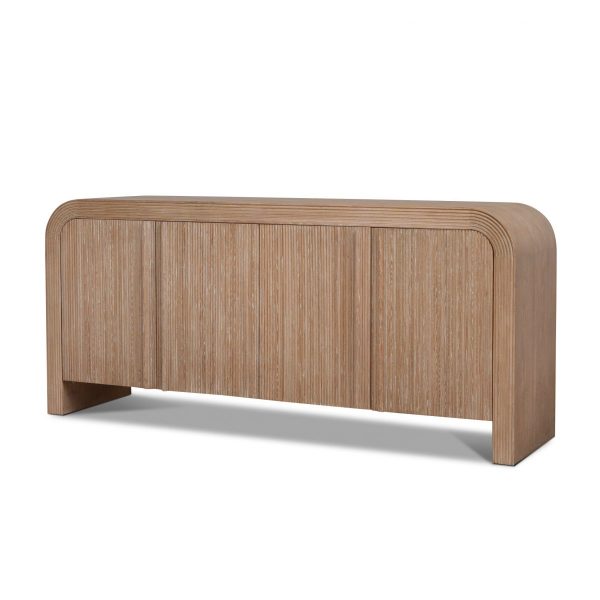
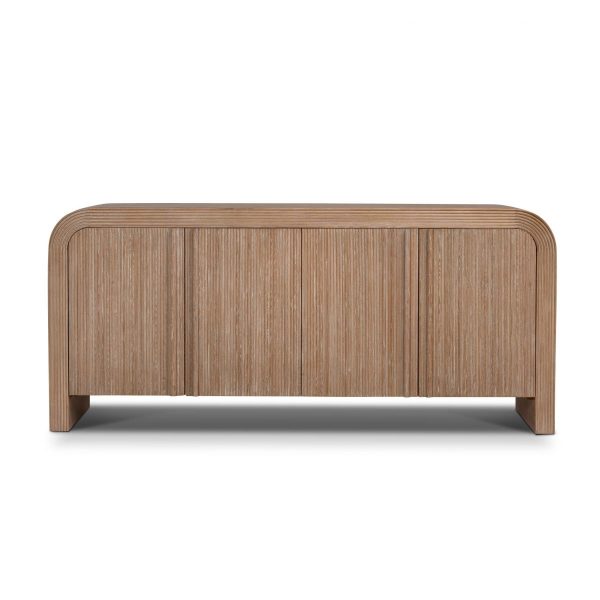
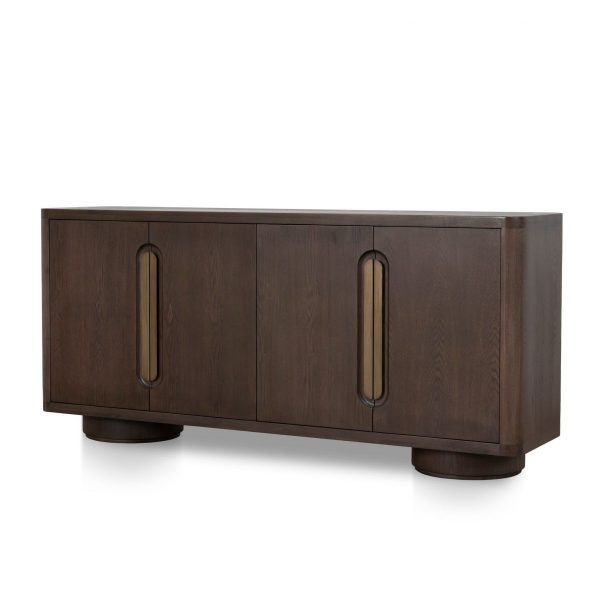
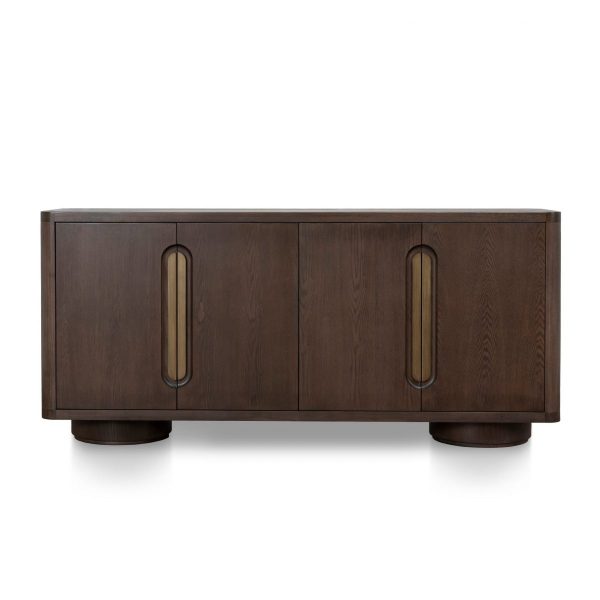
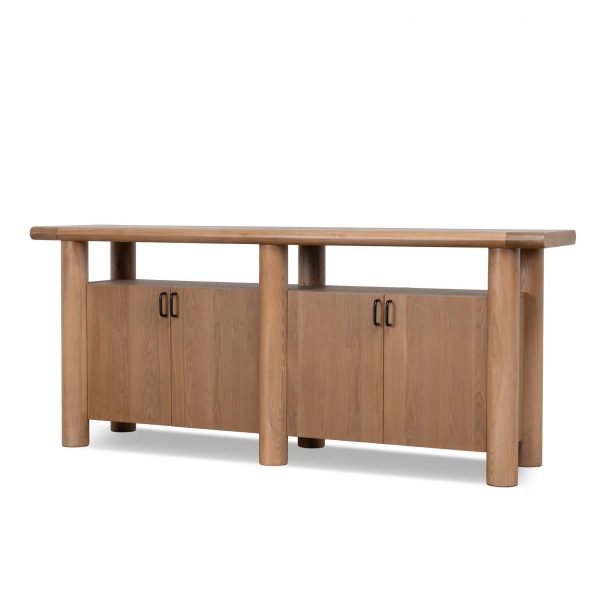
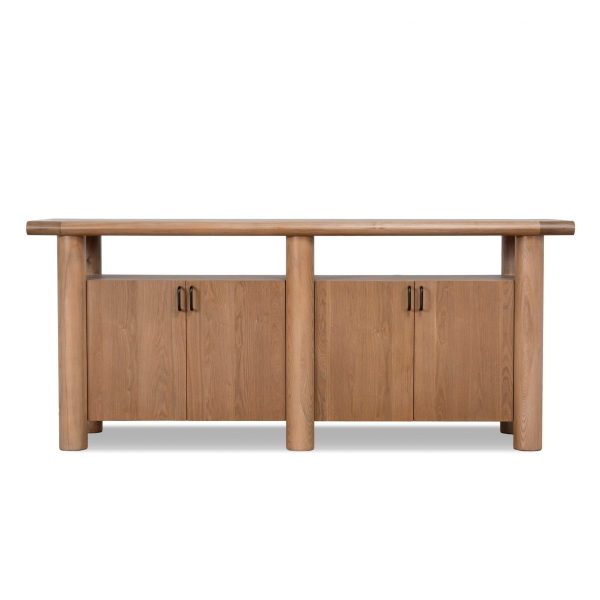
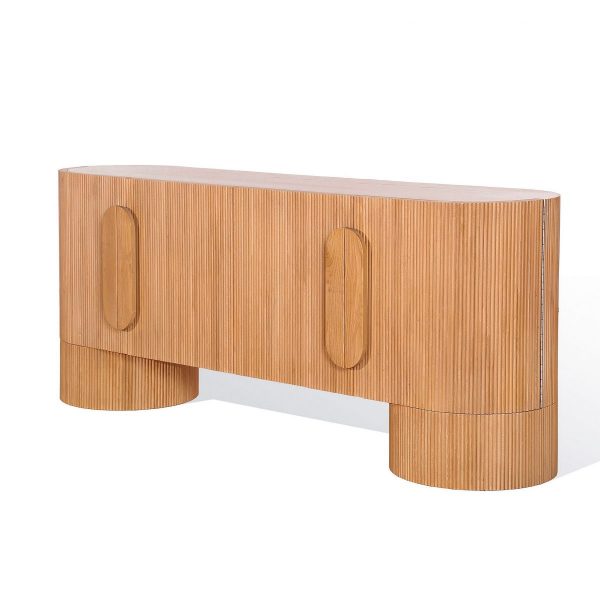
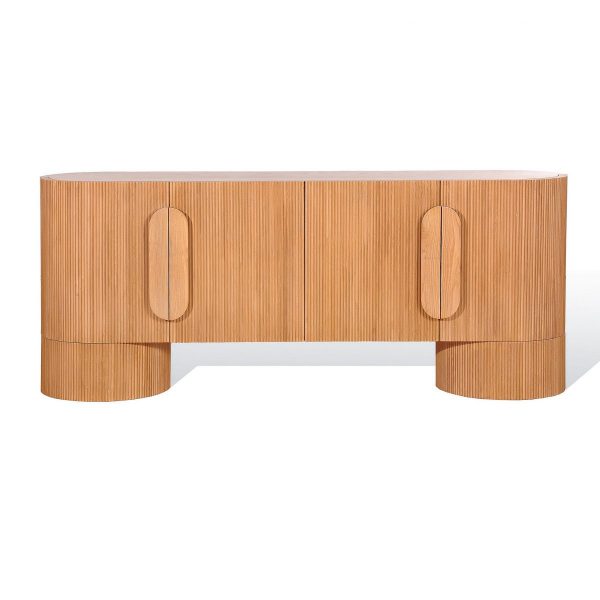
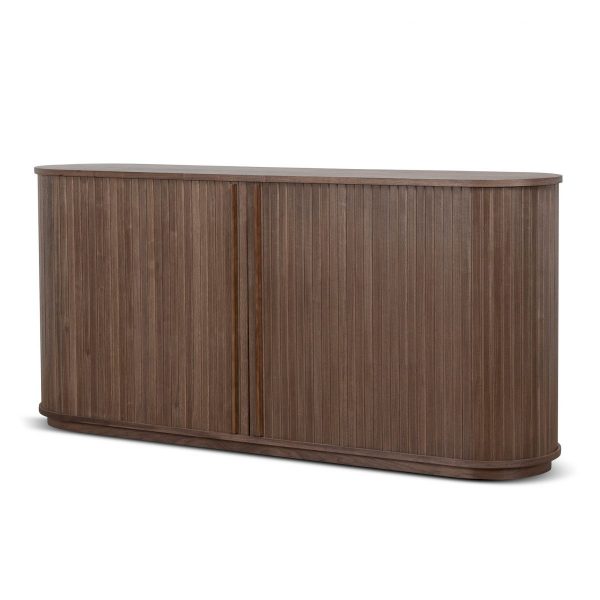
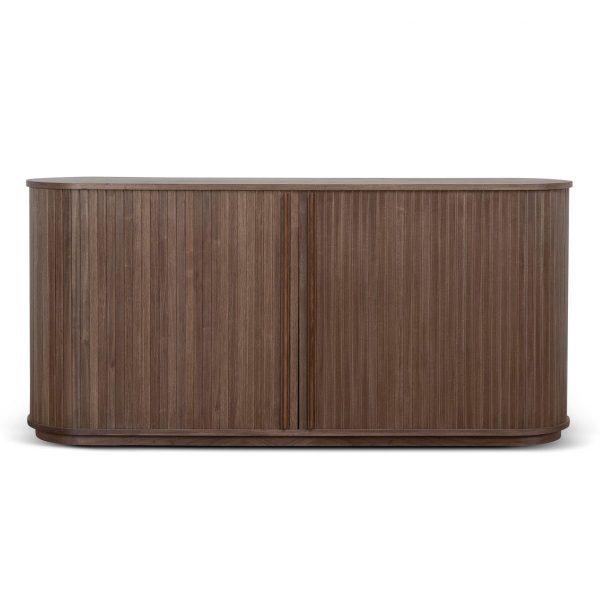
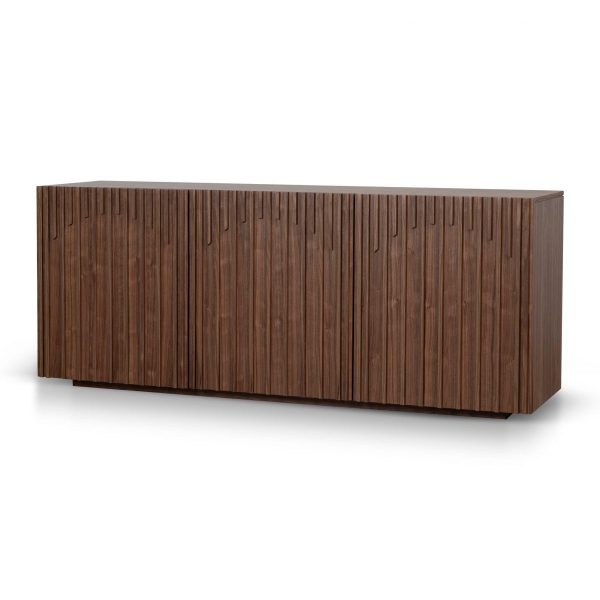
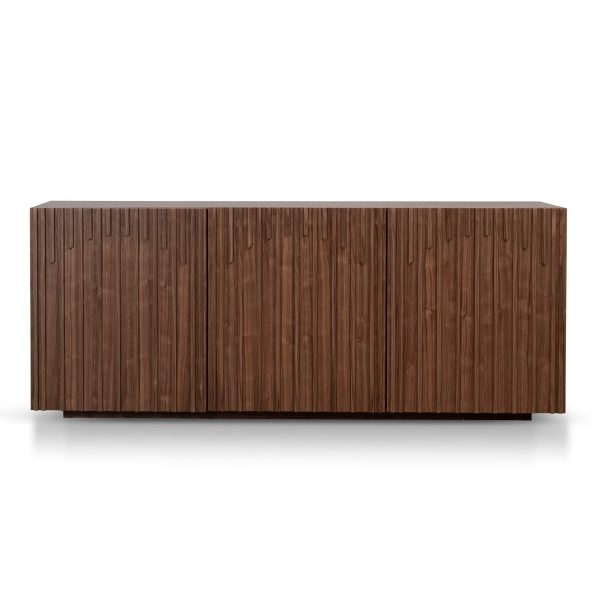
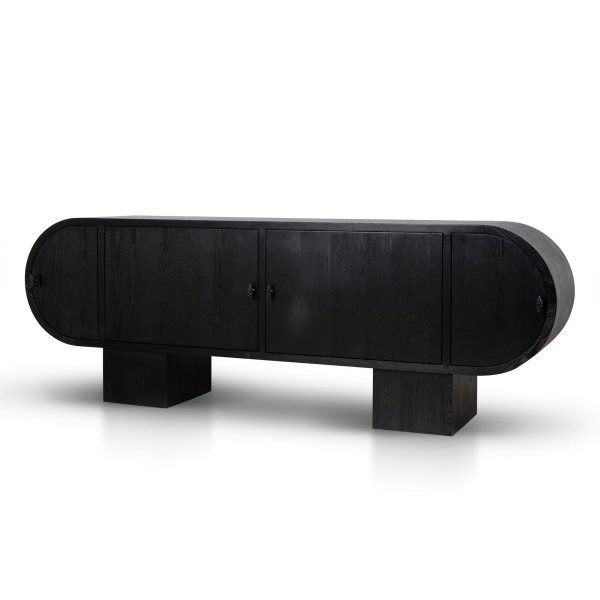
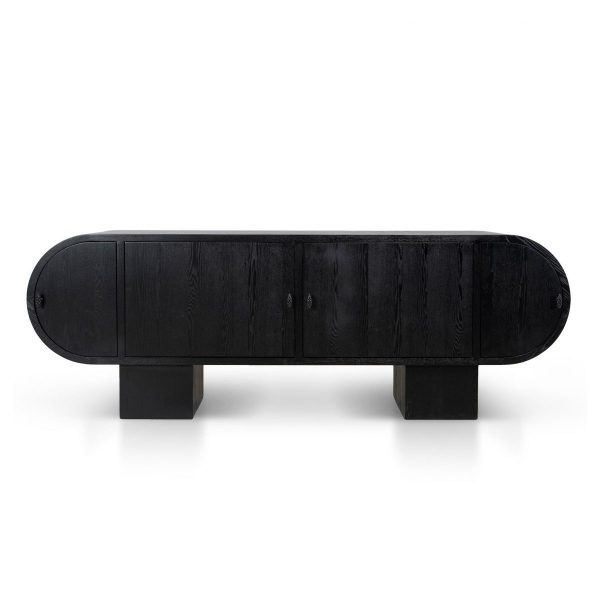
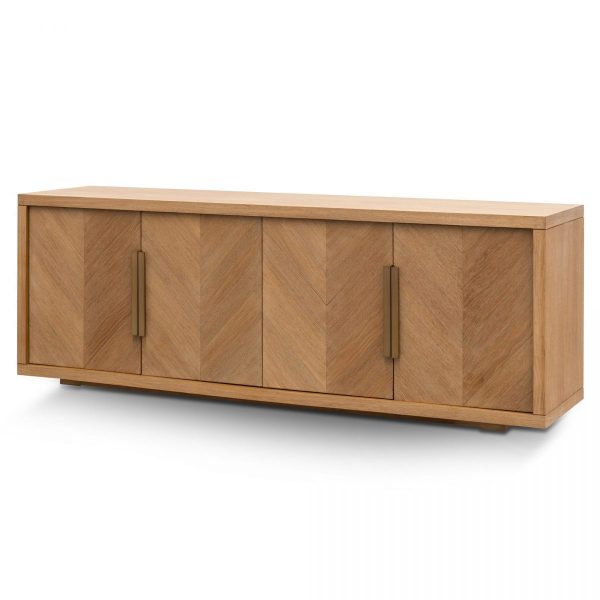
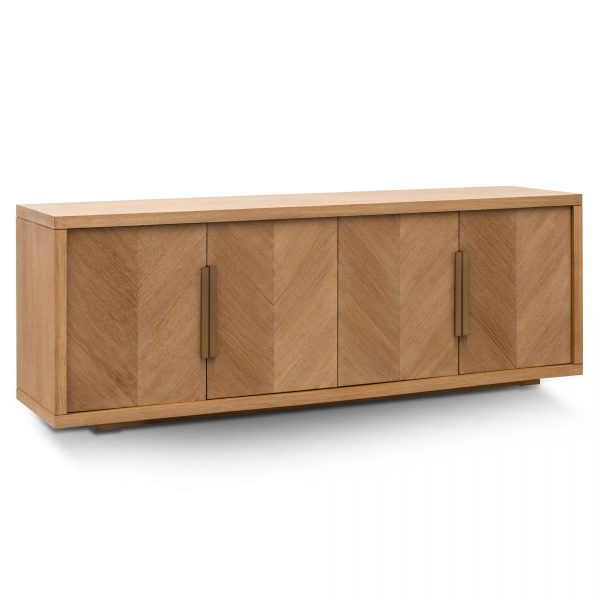
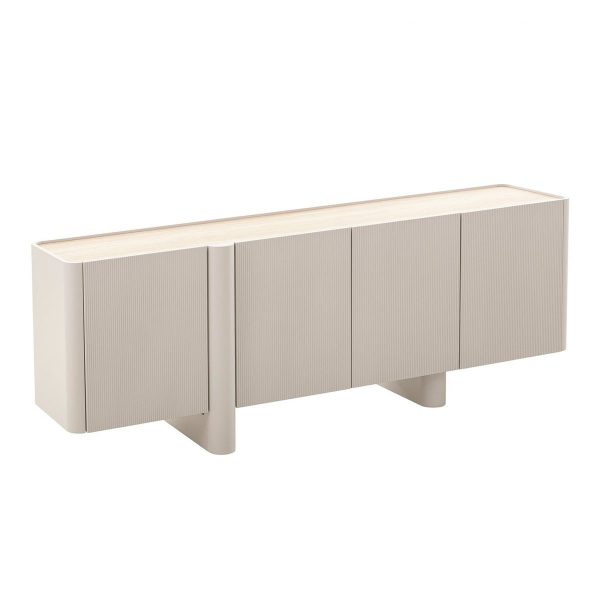
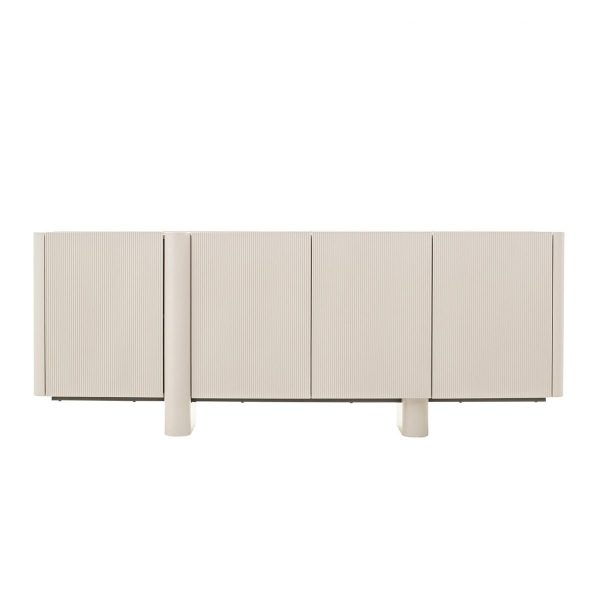
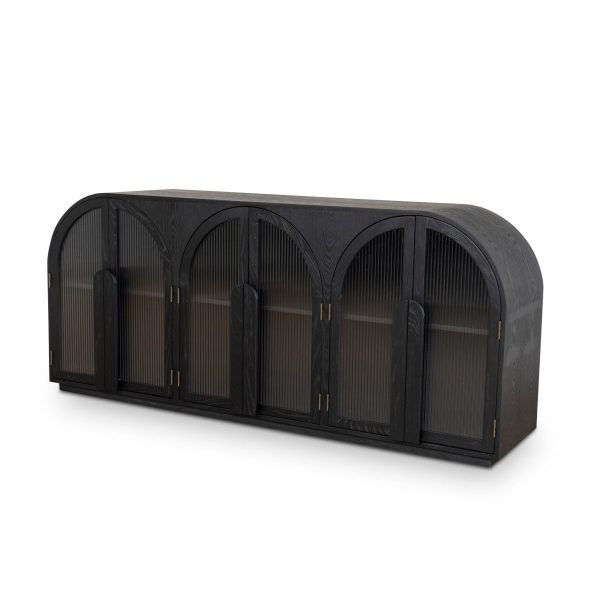

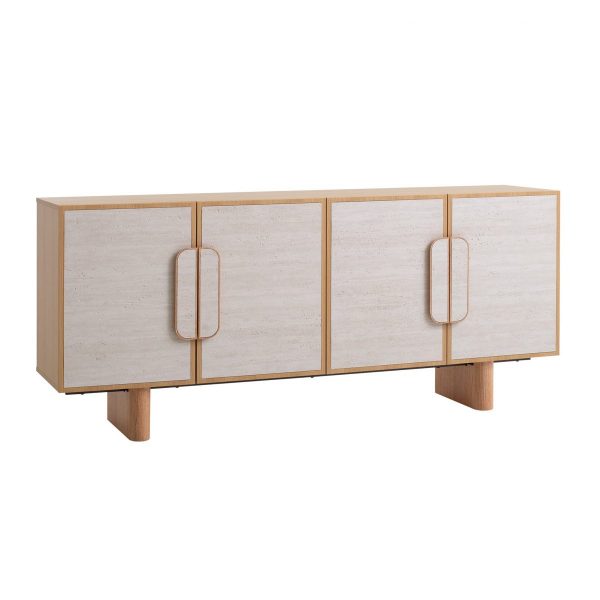
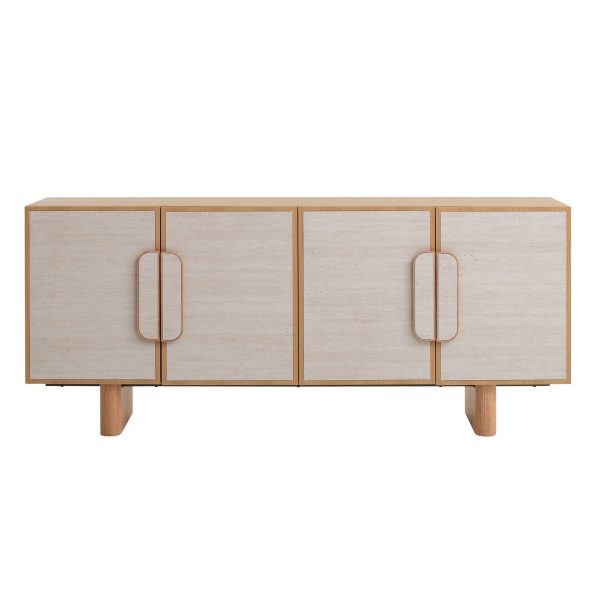


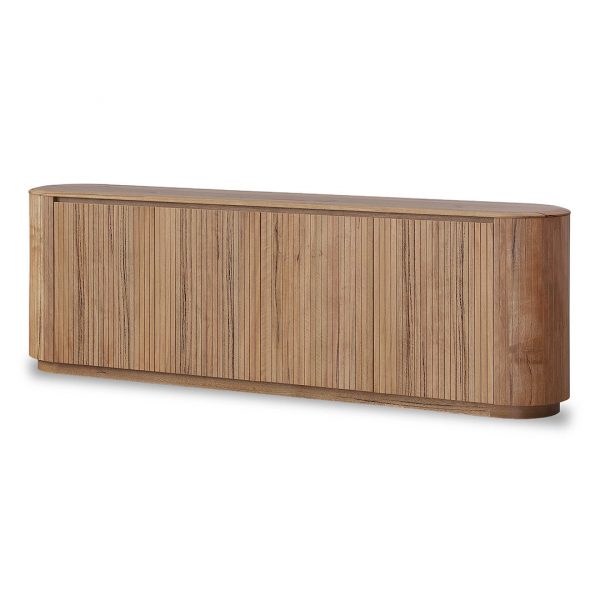
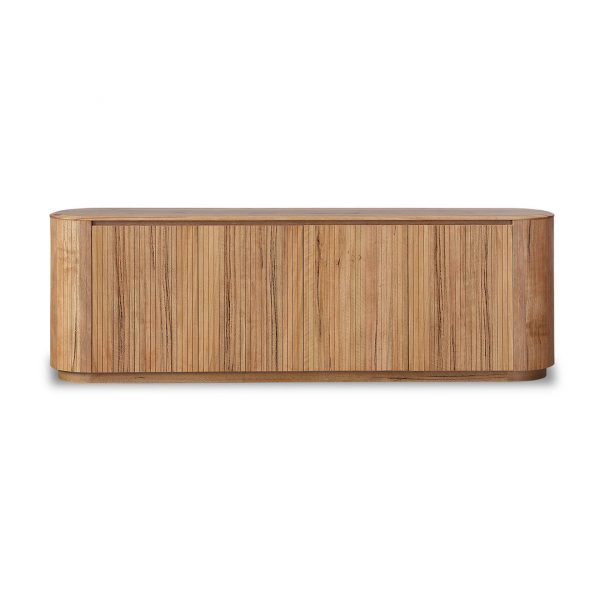
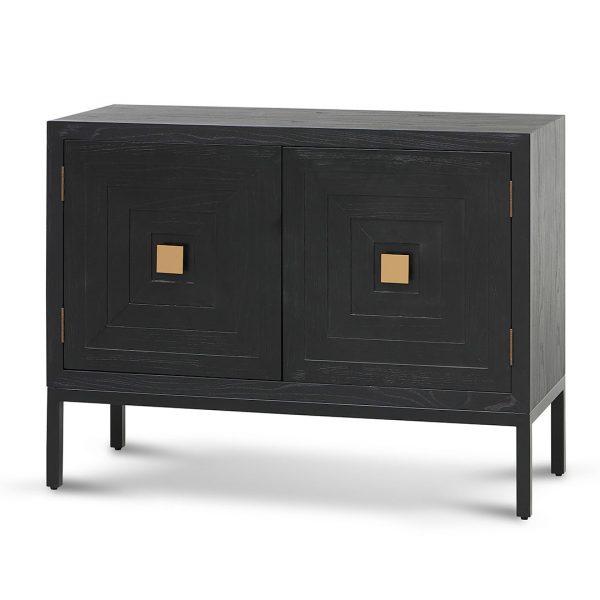
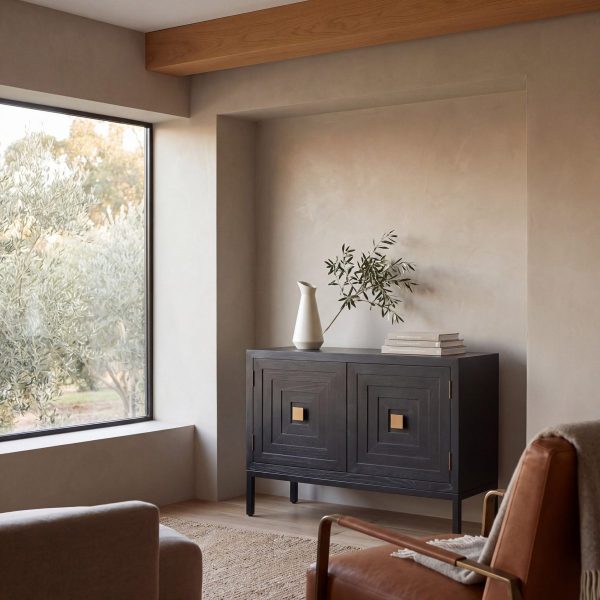

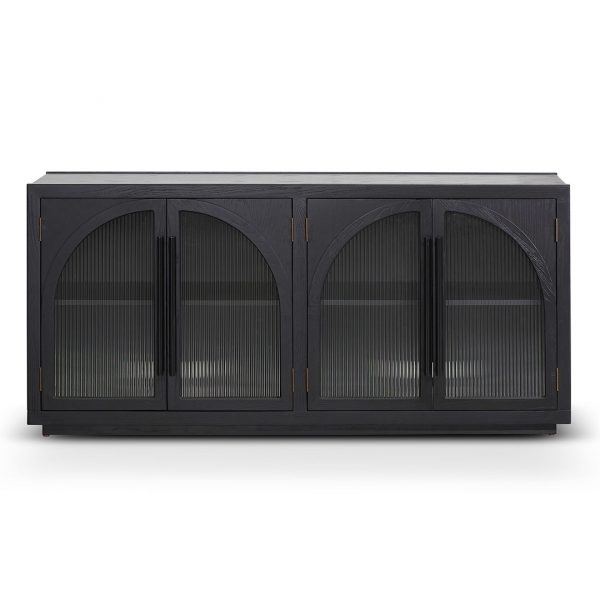
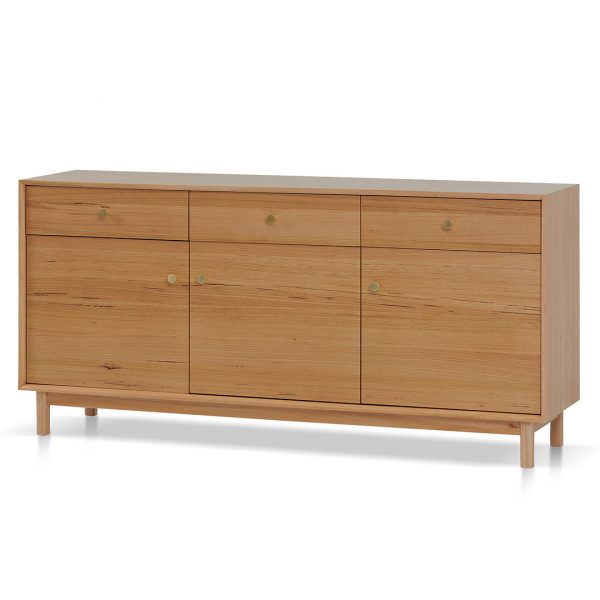
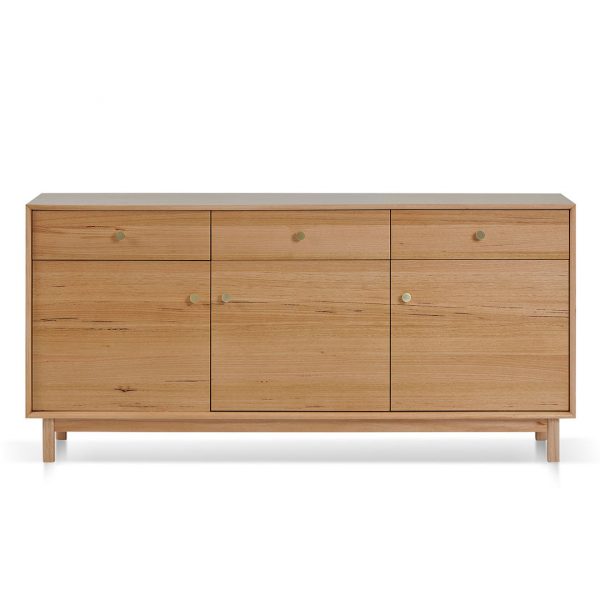
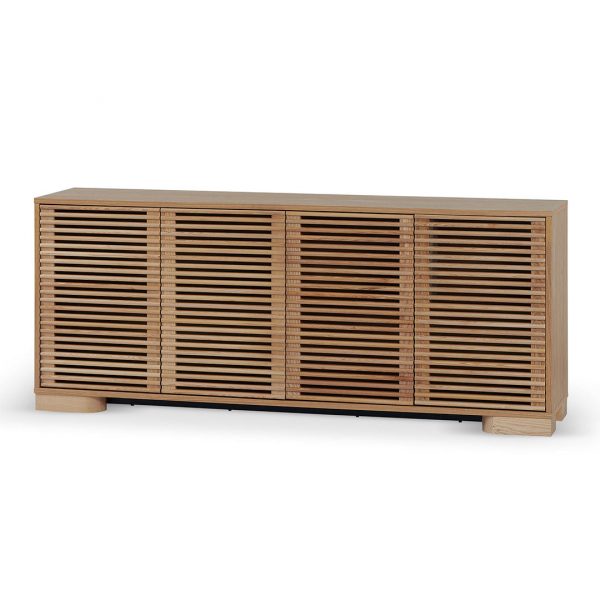
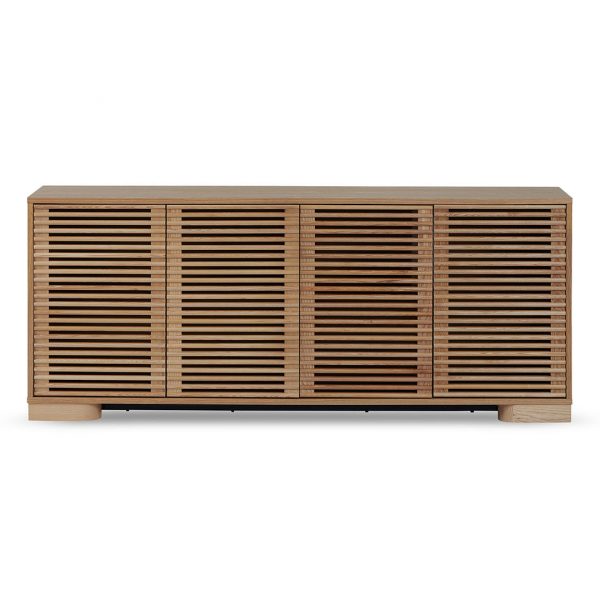
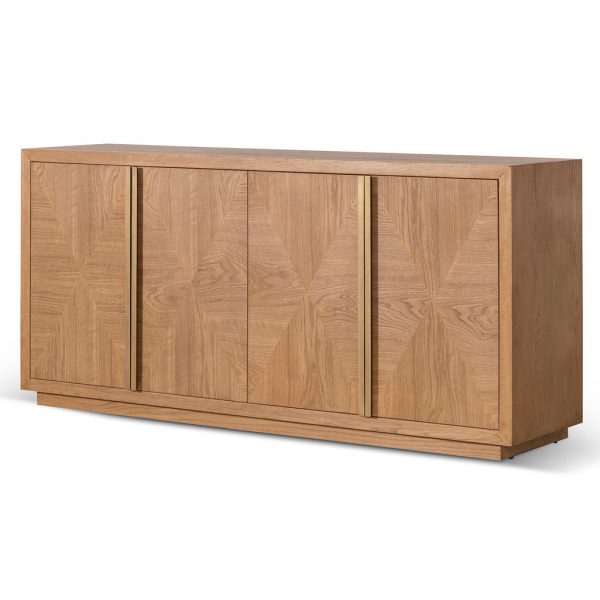
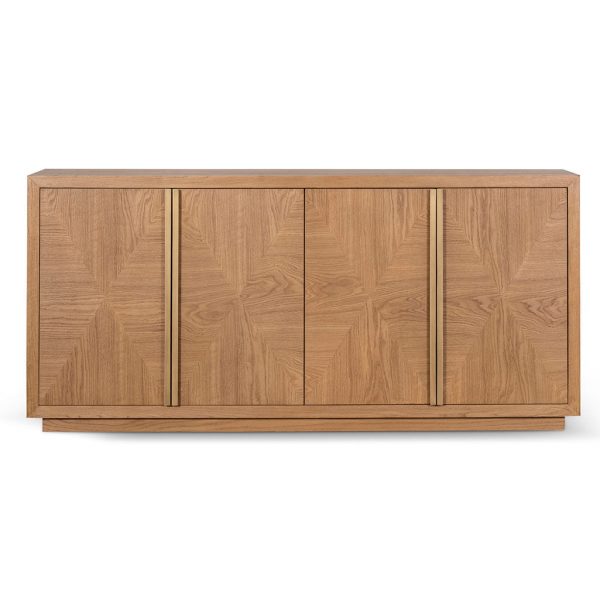
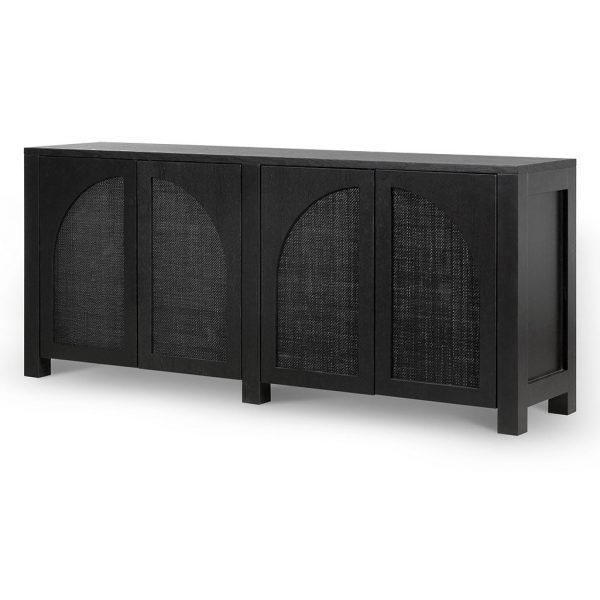
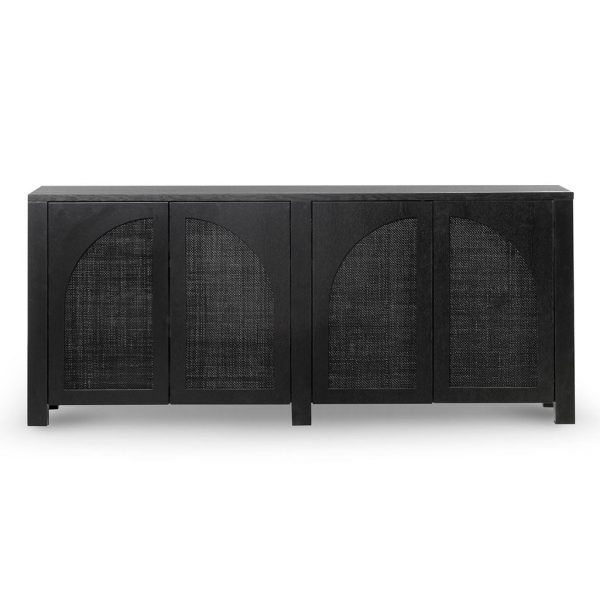
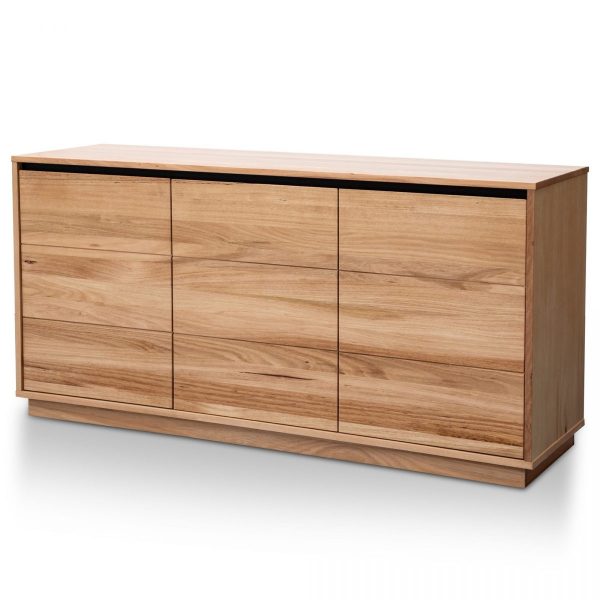
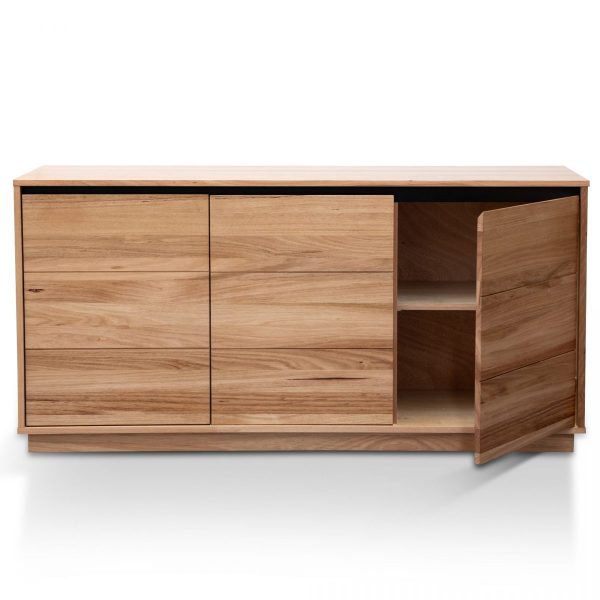
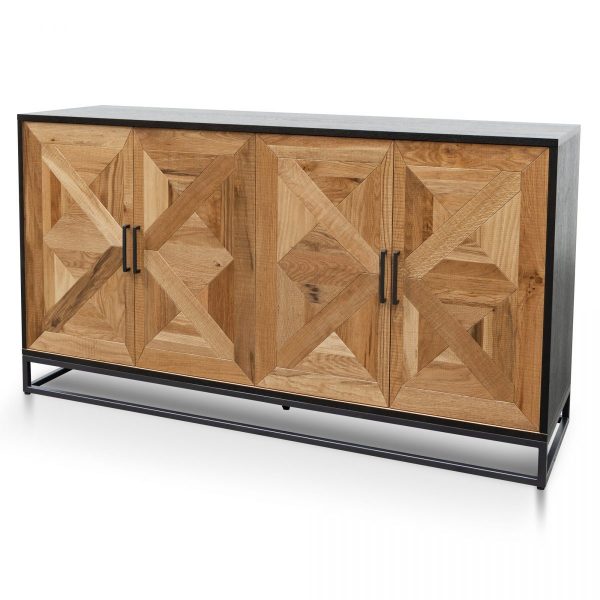
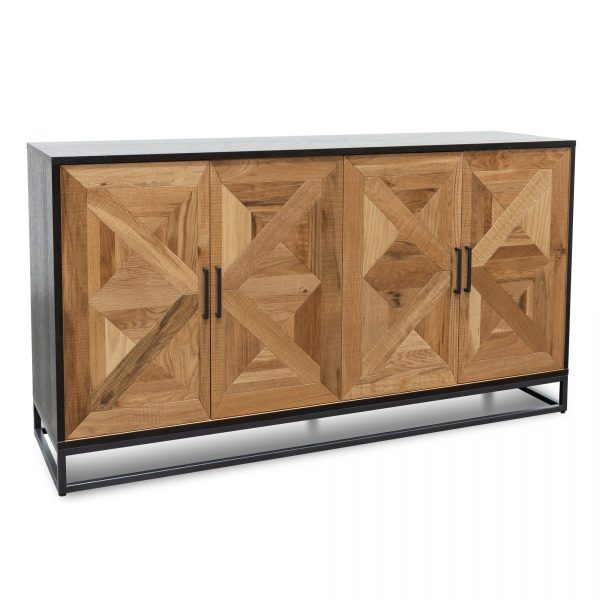
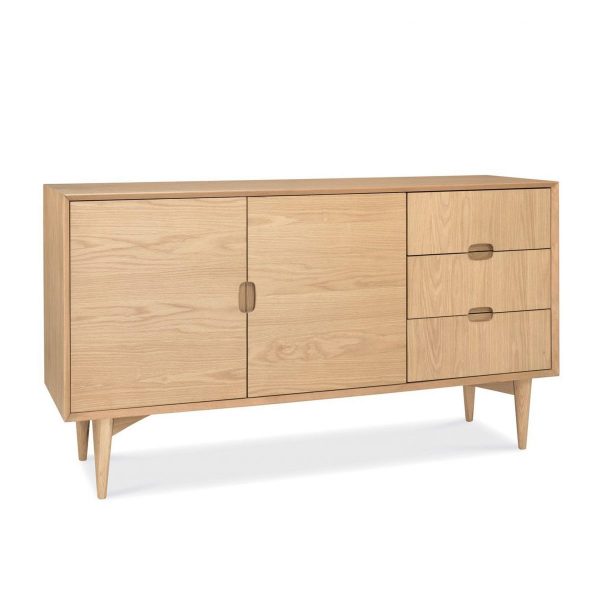
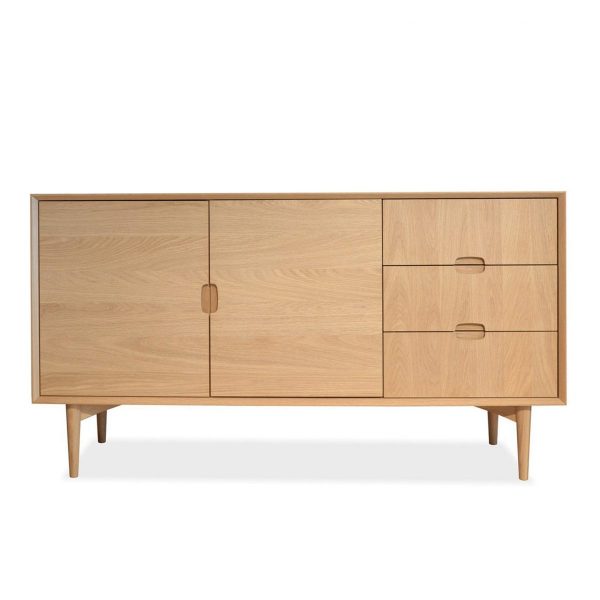
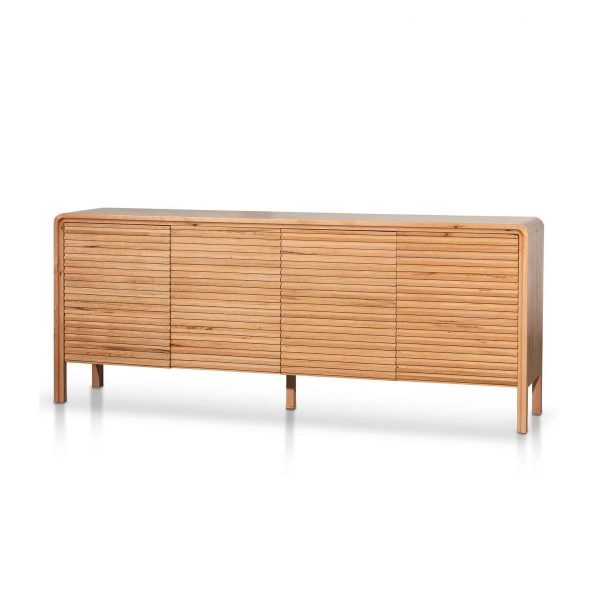
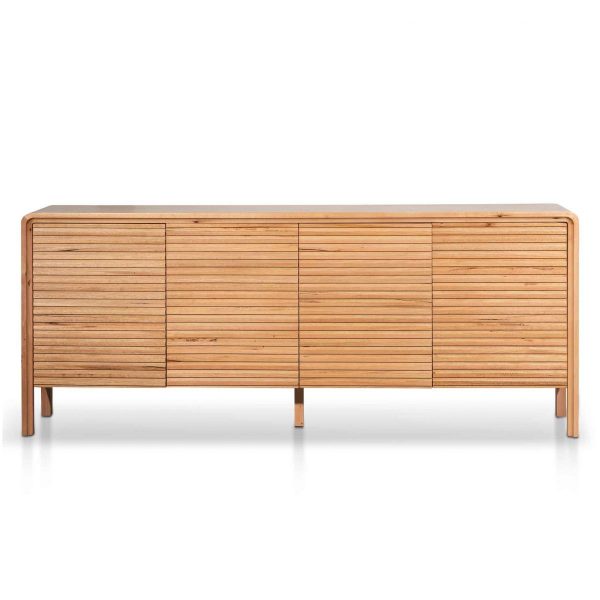
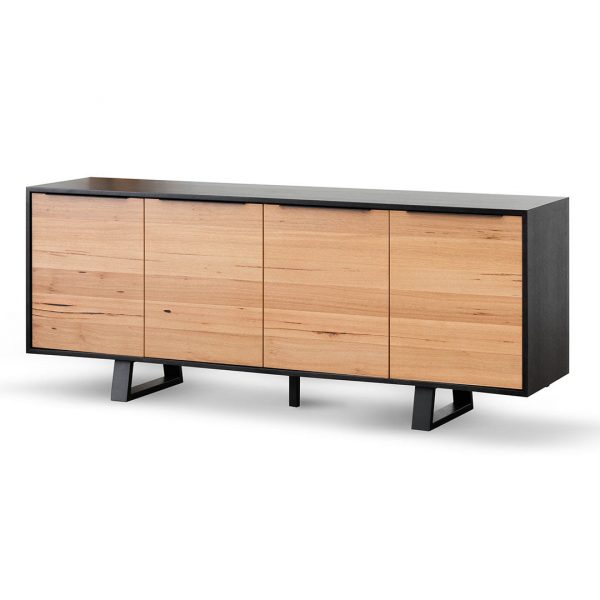
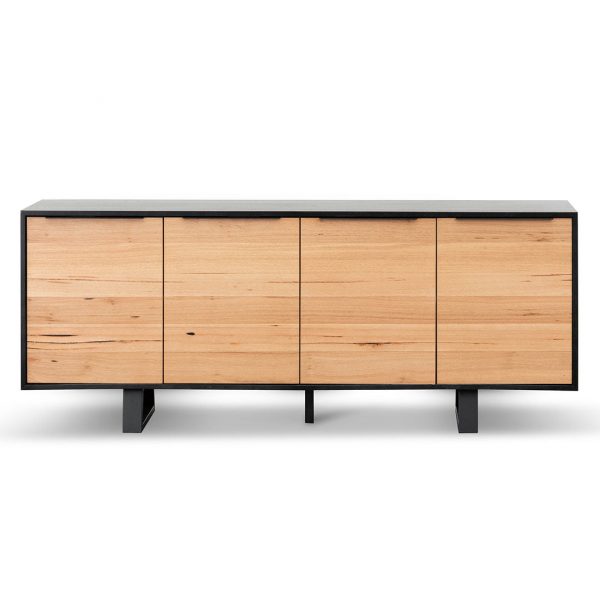
Store tableware in the groups used for a meal
List the pieces that are taken out together and identify taller or wider serving objects separately. Compare usable internal width, depth and height with those groups. Include lifting clearance above stacks and the opening through which items pass. A wide front does not explain room behind a divider or hinge.
Read the supplied internal configuration. Sideboards with shelves help assess plates or upright objects where the actual fittings suit them. Adjustable shelves must be documented, rather than assumed from a cabinet photograph. Give regular dining pieces practical places, then decide where less-used items belong so they do not obstruct everyday retrieval. Choose capacity through the meal routine rather than one maximum storage number.
Place storage where it can be used while guests are seated
Mark the complete cabinet with its actual door or drawer movement. Add chairs pulled back from the table and the path used to carry items between the two. Include a person standing at the open cabinet. This is the layout that matters during meals, not only the neat room after everything is returned.
Consider whether the top needs a temporary landing area. Read surface-care and loading guidance before assigning serving work; a dining role does not establish permission for hot dishes or every drink. Buffet and sideboard retrieval advice offers a closer sequence check. Keep the working route clear without choosing a larger cabinet simply to fill the wall beside the table.
Choose dining finishes that support the contact routine
Compare the cabinet with the table and floor, allowing a deliberate material difference where useful. An exact timber or colour match is unnecessary. Read care for the front, handles and top separately, especially where objects are set down frequently. Marble sideboards focus on a stone surface and its particular contact needs.
Check actual assembly and installation requirements, including any securing instructions, then measure the largest delivery component through the home. Slim sideboards provide another depth comparison when dining access is tight, with usable interiors still needing review. Ask benssur about missing compartment or opening measurements so the dining storage makes meal preparation and returning items practical rather than adding another obstacle around the table.