
Buffets and Sideboards
Buffets and sideboards work best when the stored objects have clear places and can be retrieved without rearranging the room. Begin with a normal sequence: take out the pieces, use them, then return them to their compartments. That routine can reveal awkward openings or crowded shelves that a closed cabinet photograph does not show. The top may have a separate temporary or display role.
Read moreRead less
Use this guide to check those daily movements alongside the wider buffet and sideboard storage guide. Dining room storage brings meals and table clearance into the plan, while sideboards with storage focus on usable capacity. Choose the actual openings and surface care for your routine before deciding which finish completes the room.
Showing 1–24 of 70 resultsSorted by recommended
-
Week’s PickOriginal price was: $1,956.00.$1,623.00Current price is: $1,623.00.
-
-
-
On SaleOriginal price was: $2,363.00.$2,079.00Current price is: $2,079.00.
-
-
On SaleOriginal price was: $2,523.00.$2,220.00Current price is: $2,220.00.
-
-
On SaleOriginal price was: $2,449.00.$2,155.00Current price is: $2,155.00.
-
On SaleOriginal price was: $2,916.00.$2,566.00Current price is: $2,566.00.
-
On SaleOriginal price was: $2,517.00.$2,215.00Current price is: $2,215.00.
-
On SaleOriginal price was: $2,109.00.$1,856.00Current price is: $1,856.00.
-
On SaleOriginal price was: $2,285.00.$2,011.00Current price is: $2,011.00.
-
On SaleOriginal price was: $2,344.00.$2,063.00Current price is: $2,063.00.
-
On SaleOriginal price was: $1,594.00.$1,403.00Current price is: $1,403.00.
-
On SaleOriginal price was: $2,479.00.$2,182.00Current price is: $2,182.00.
-
On SaleOriginal price was: $2,129.00.$1,874.00Current price is: $1,874.00.
-
On SaleOriginal price was: $1,862.00.$1,639.00Current price is: $1,639.00.
-
-
-
-
-
-
-
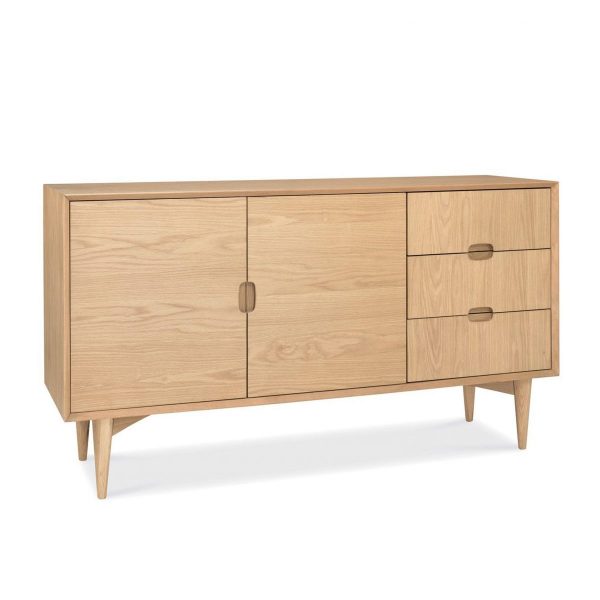


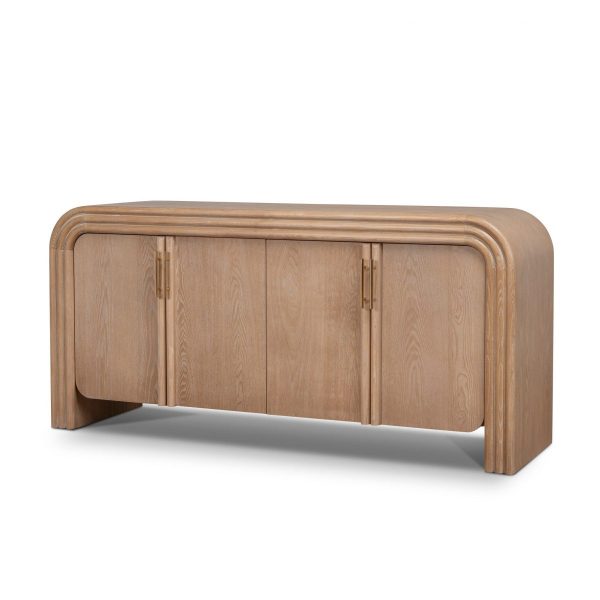
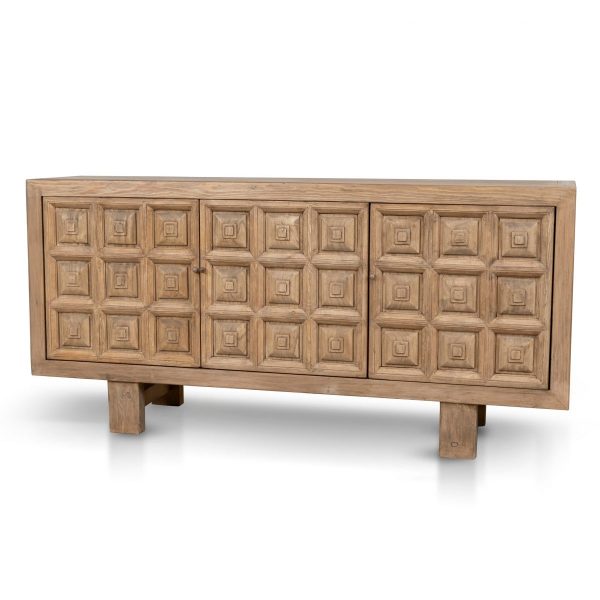
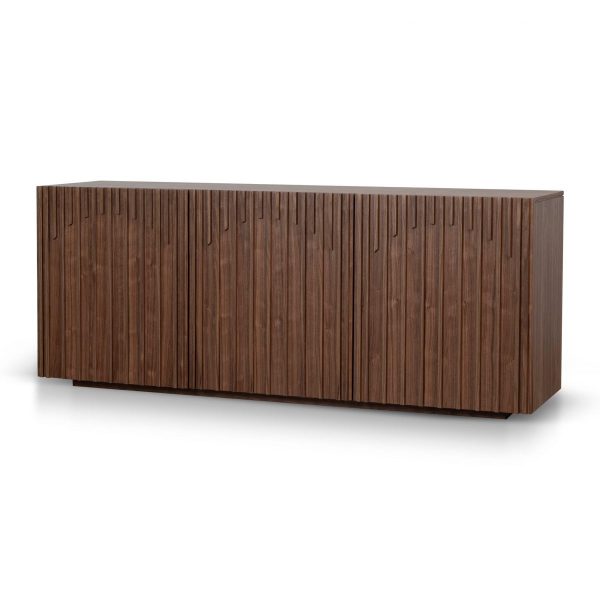
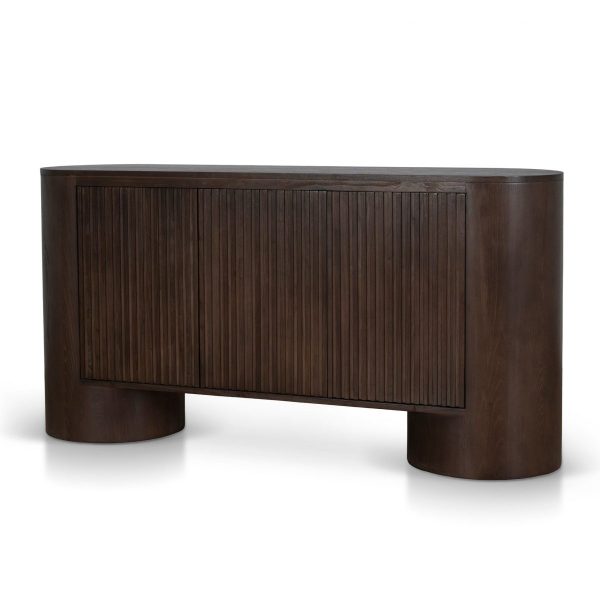
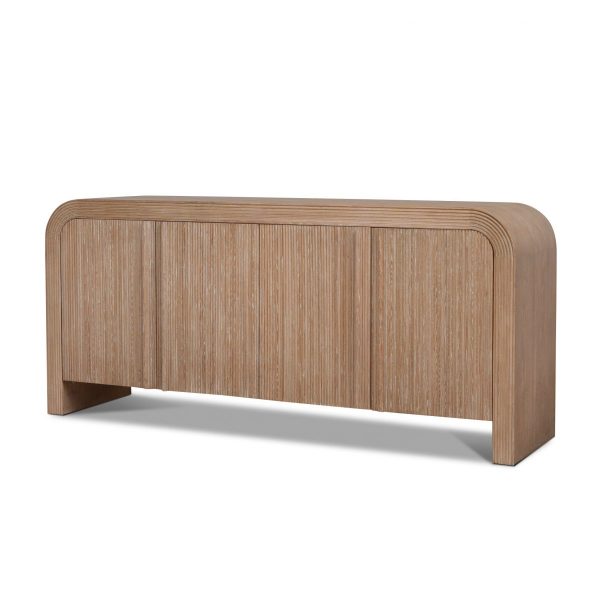

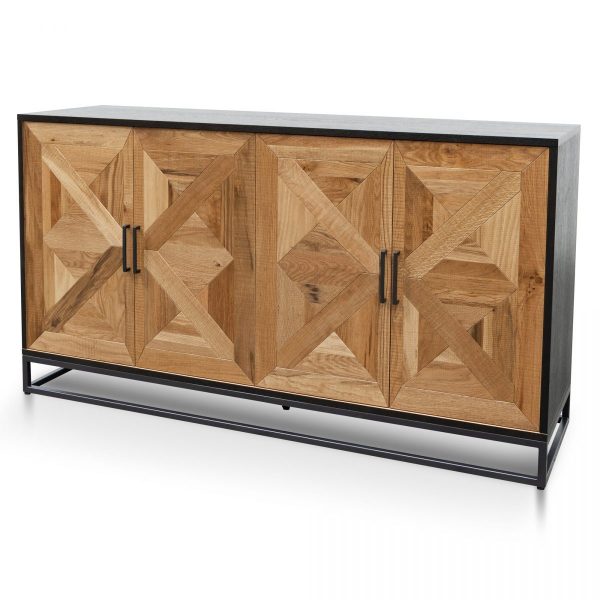
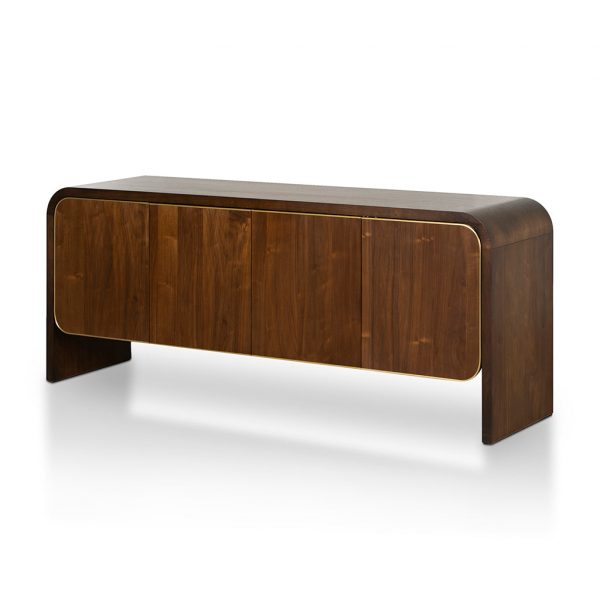
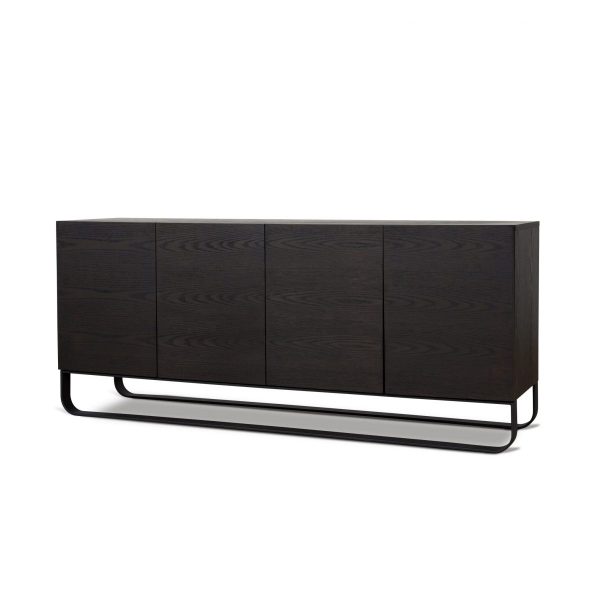
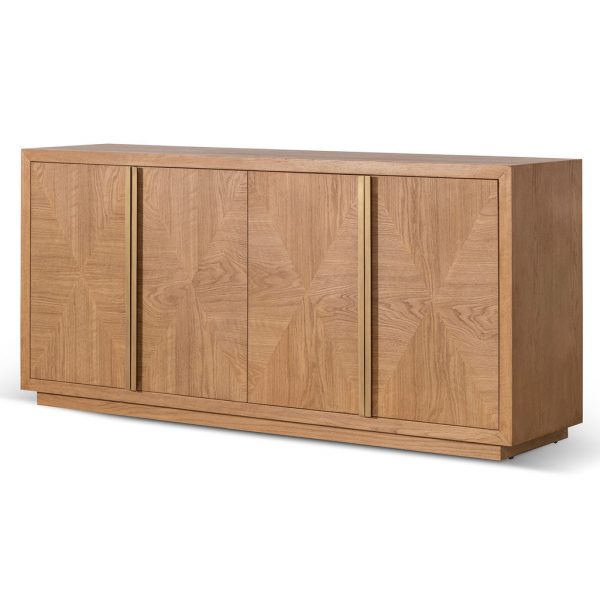
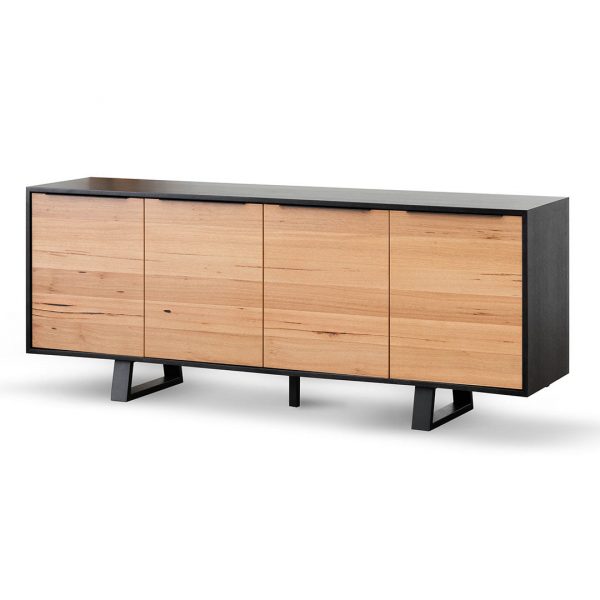
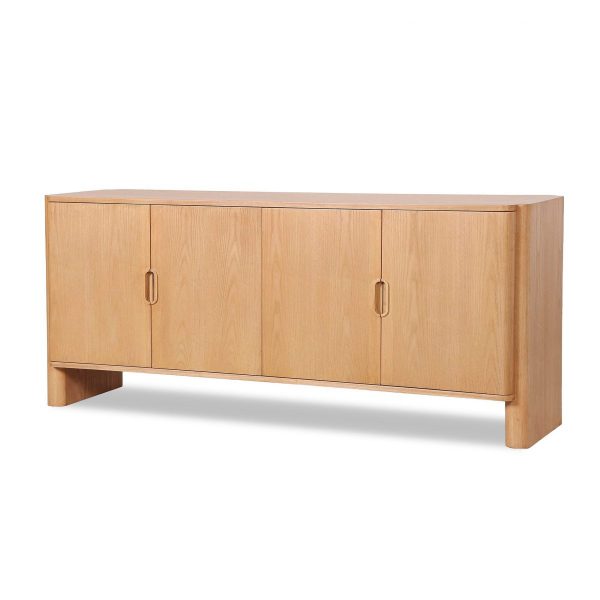
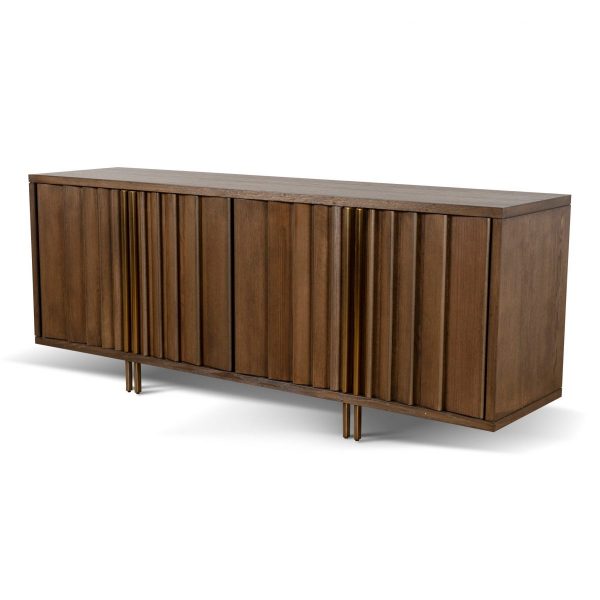
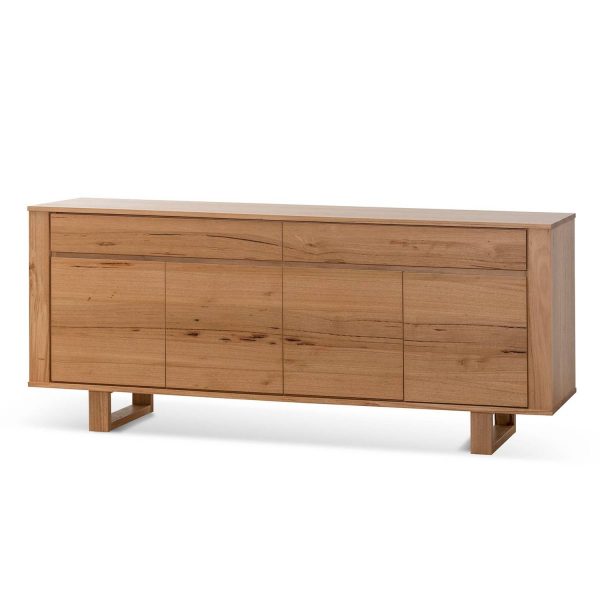
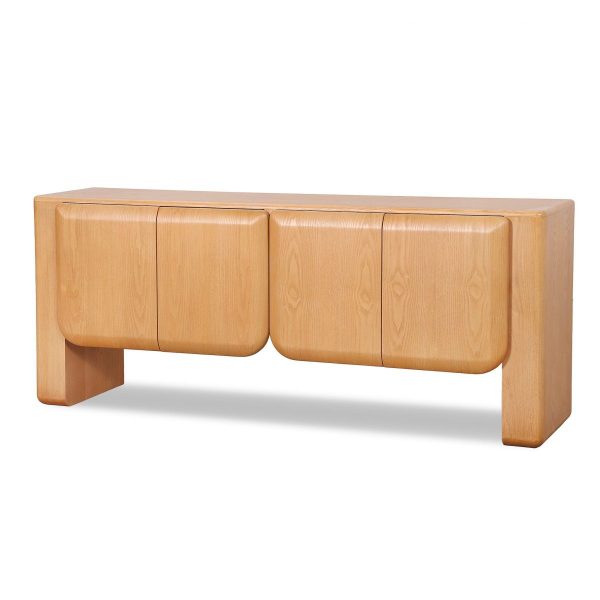

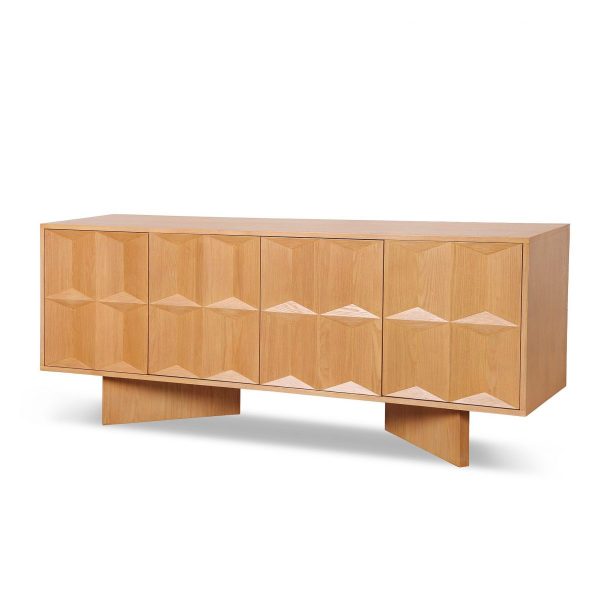
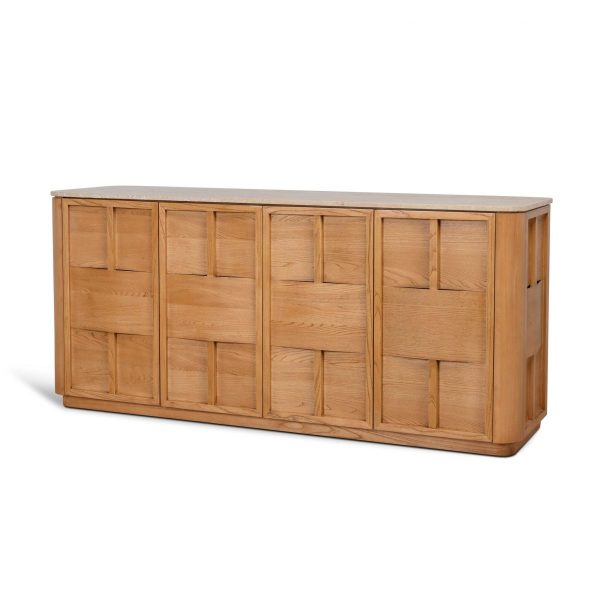
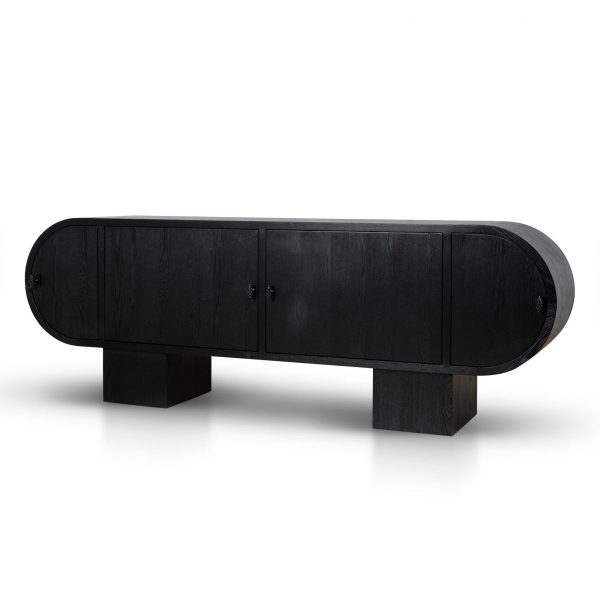
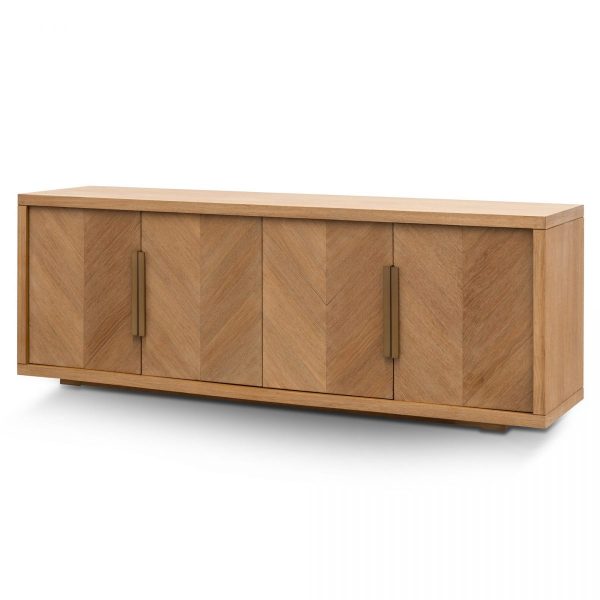
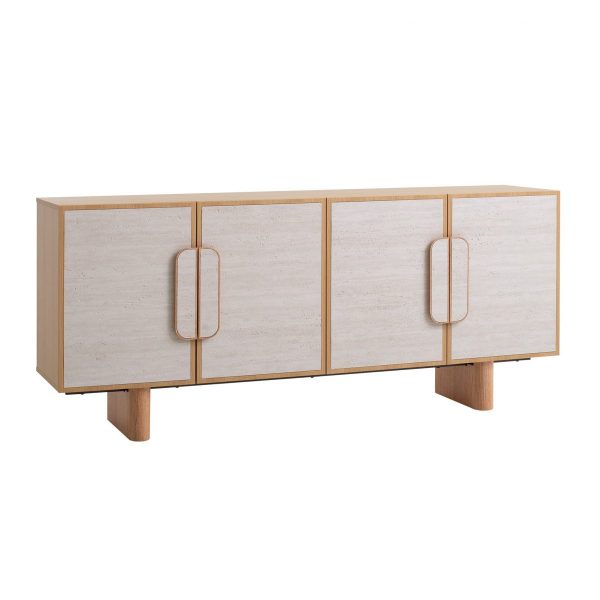
Give frequently used objects easy places to return to
Group the pieces you use together and measure them in their planned arrangement. Leave practical lifting space rather than filling every compartment to its maximum outline. A serving item stored behind another group may fit but be inconvenient to retrieve repeatedly. Read the actual internal layout and opening width.
Choose documented drawers or shelves from that routine. Sideboards with drawers can help compare smaller sorted objects; sideboards with shelves examine larger groups and vertical clearance. Neither fitting should be assumed across every buffet. Decide what needs to be reached first so the chosen cabinet supports use and tidying, rather than merely accommodating a collection of objects once.
Keep the top’s temporary task separate from its display
Decide which objects remain on top and whether another area is needed briefly during use. A fully arranged display can leave no useful space for setting down items from the cabinet. Compare usable top dimensions with that sequence, including any overhang or other documented detail. Do not infer unrestricted serving use from the buffet name.
Read the actual surface and care for drink or dish contact. Marble sideboards need their stone finish considered separately from the cabinet below; timber sideboards offer a wood-construction comparison. Choose the top around supported everyday tasks, with display objects placed so they do not make retrieval or the room route awkward.
Check openings during the room’s busiest routine
Plot door or drawer movement with people and nearby furniture in use. In a dining room, test access when chairs are pulled out, not just tucked neatly against the table. The storage should remain reachable at the time its contents are needed. Include the person standing at the opening in that plan.
Dining tables help assess the related seated arrangement. Check handles, wall limits and delivery-component access, then follow actual assembly and installation instructions. Ask benssur about missing internal or opening measurements before ordering. The complete buffet or sideboard should make the use-and-return routine easier, while its materials and appearance support a cabinet that already belongs practically in the room.