
Bedroom Storage
Bedroom storage should support the way you dress, put things away and move around the bed. Start with the items that need a home: folded clothes, bedding or other everyday belongings. Then choose the internal arrangement from their dimensions and access needs, rather than treating the cabinet’s outside size as the whole answer.
Read moreRead less
Plan the openings beside the bed and existing furniture. A storage piece that fits while closed may become difficult to use during the morning routine. The cabinet and cupboard category offers the broader storage comparison, while cabinets with drawers help when smaller organised groups need easier access.
Showing 1–24 of 194 resultsSorted by recommended
-
Week’s PickOriginal price was: $527.00.$437.00Current price is: $437.00.
-
Week’s PickOriginal price was: $1,816.00.$1,507.00Current price is: $1,507.00.
-
Week’s PickOriginal price was: $571.00.$474.00Current price is: $474.00.
-
-
On SaleOriginal price was: $673.00.$592.00Current price is: $592.00.
-
On SaleOriginal price was: $1,289.00.$1,134.00Current price is: $1,134.00.
-
-
On SaleOriginal price was: $2,121.00.$1,866.00Current price is: $1,866.00.
-
On SaleOriginal price was: $1,789.00.$1,574.00Current price is: $1,574.00.
-
On SaleOriginal price was: $483.00.$425.00Current price is: $425.00.
-
-
On SaleOriginal price was: $1,899.00.$1,671.00Current price is: $1,671.00.
-
On SaleOriginal price was: $2,242.00.$1,973.00Current price is: $1,973.00.
-
On SaleOriginal price was: $1,059.00.$932.00Current price is: $932.00.
-
On SaleOriginal price was: $459.00.$404.00Current price is: $404.00.
-
On SaleOriginal price was: $576.00.$507.00Current price is: $507.00.
-
On SaleOriginal price was: $827.00.$728.00Current price is: $728.00.
-
-
On SaleOriginal price was: $619.00.$545.00Current price is: $545.00.
-
On SaleOriginal price was: $402.00.$354.00Current price is: $354.00.
-
On SaleOriginal price was: $454.00.$400.00Current price is: $400.00.
-
Week’s PickOriginal price was: $672.00.$605.00Current price is: $605.00.
-
-
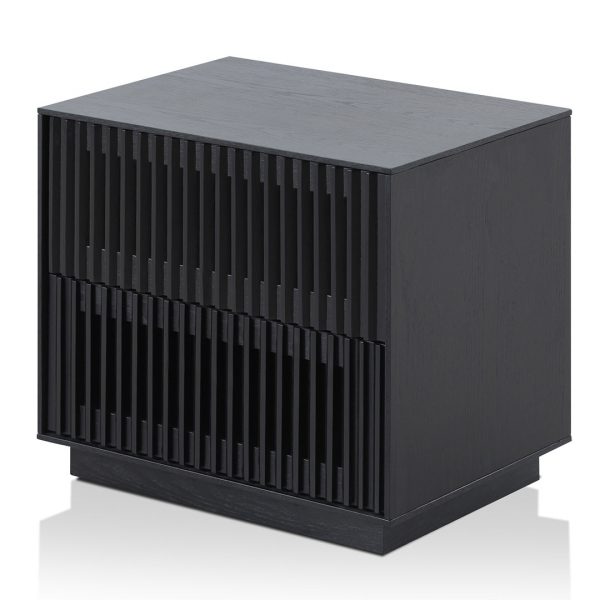


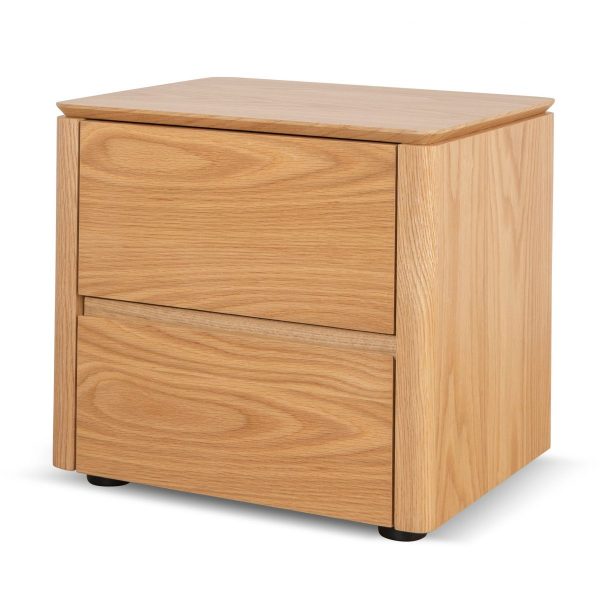
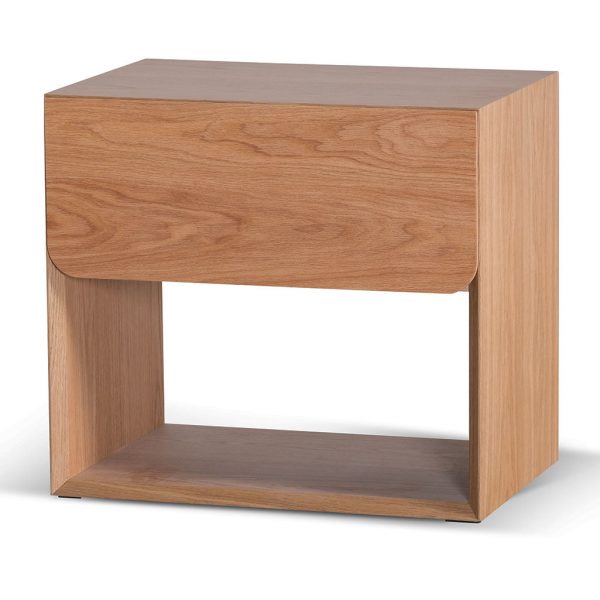
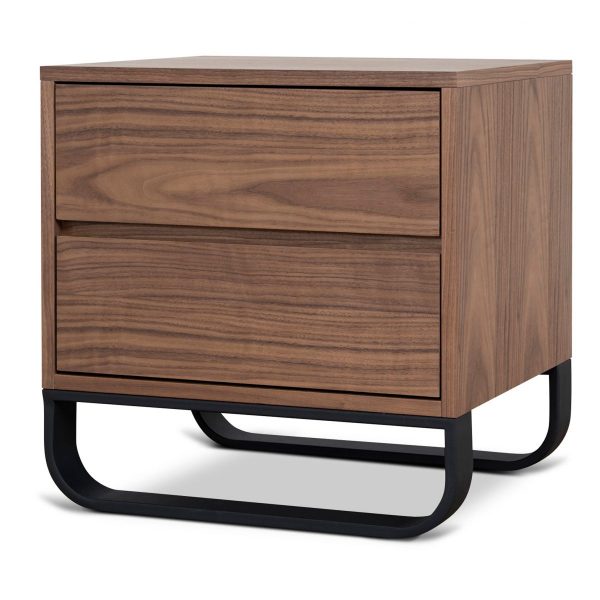
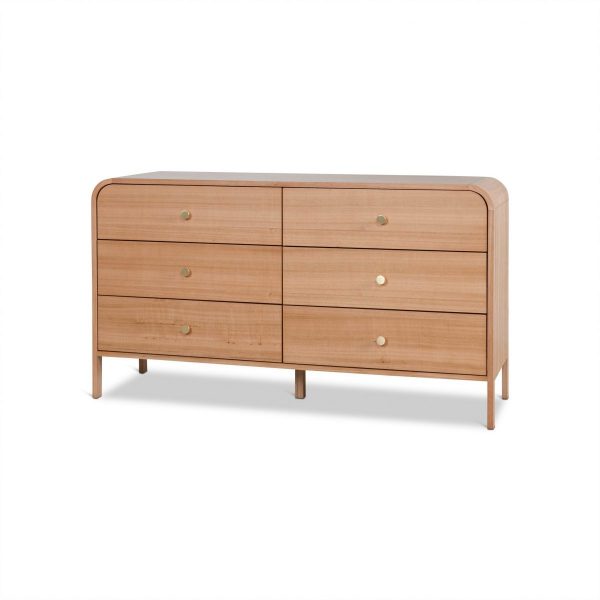
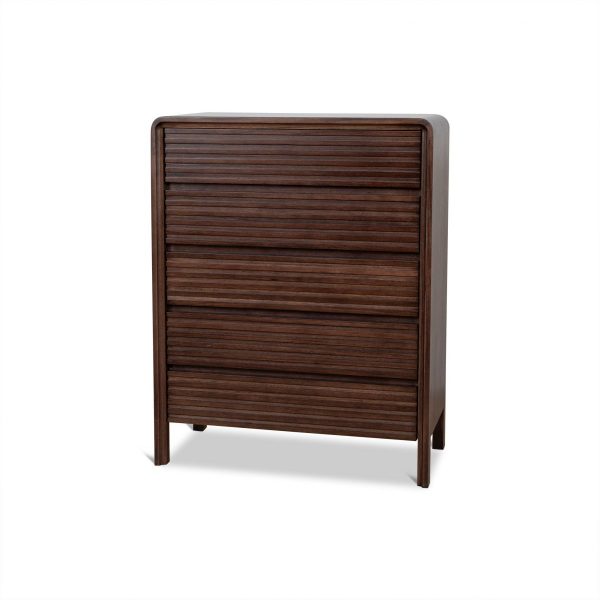
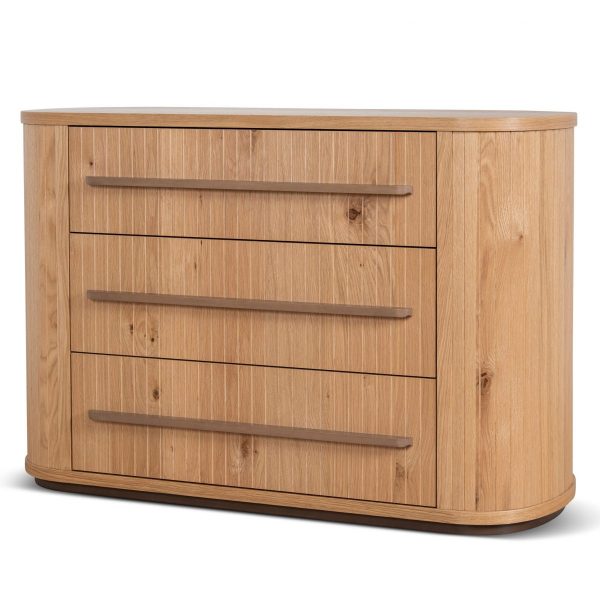

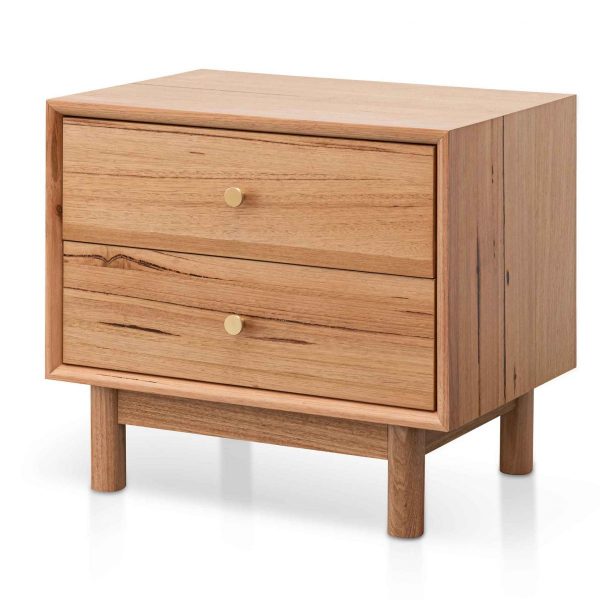
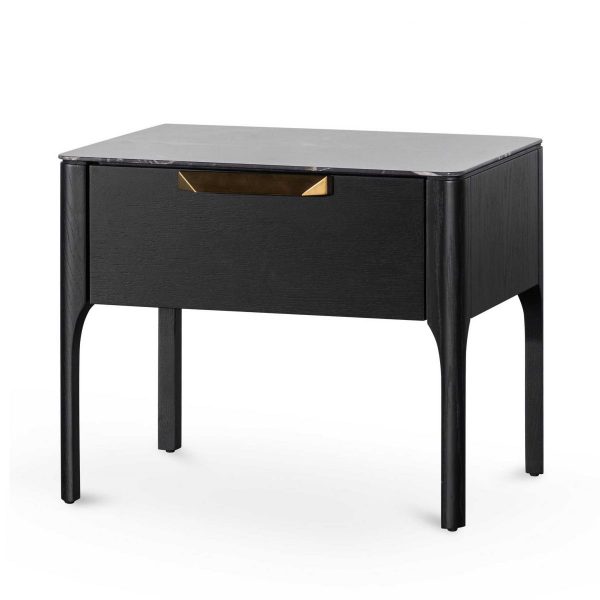
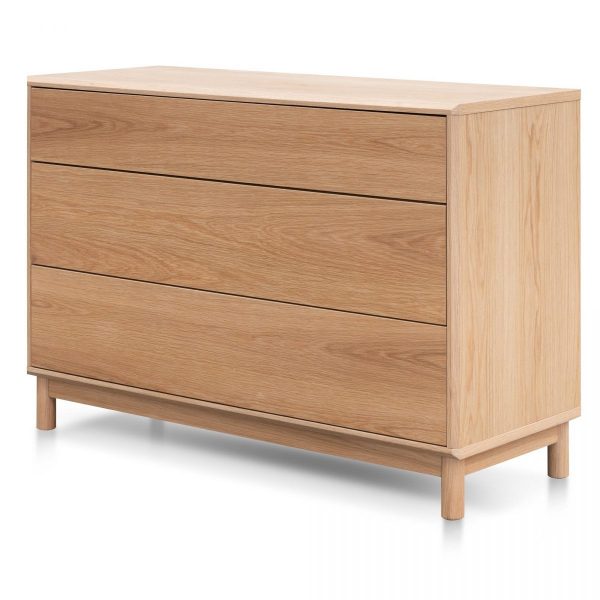

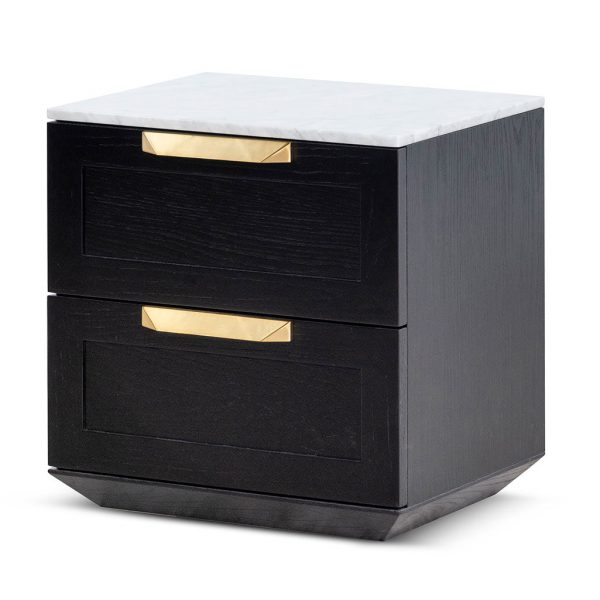
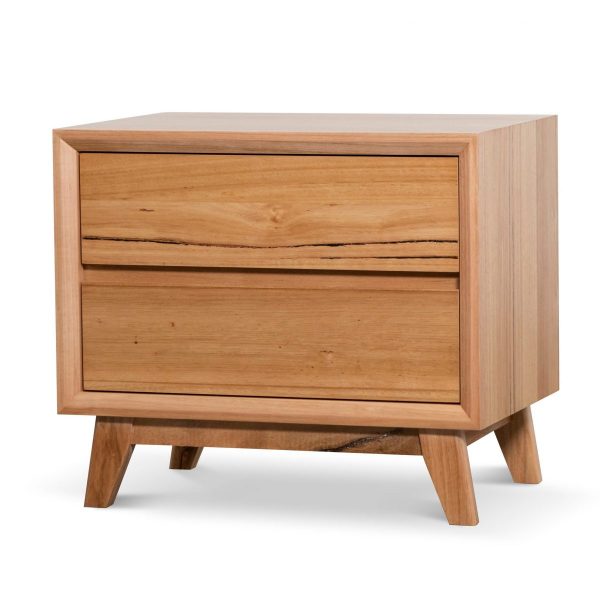
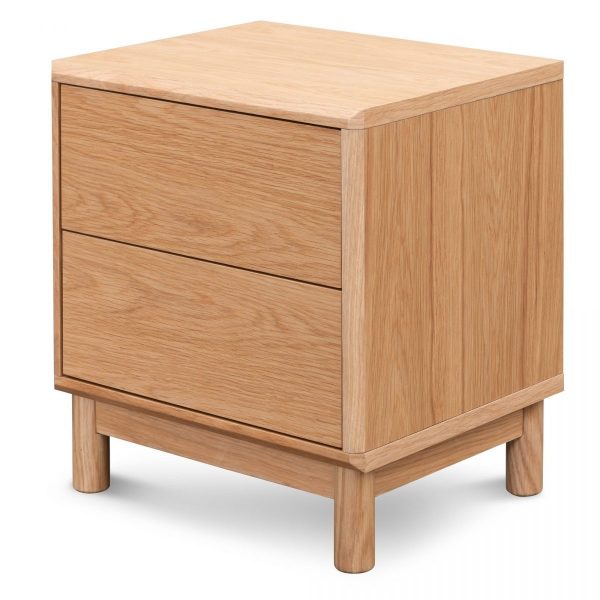

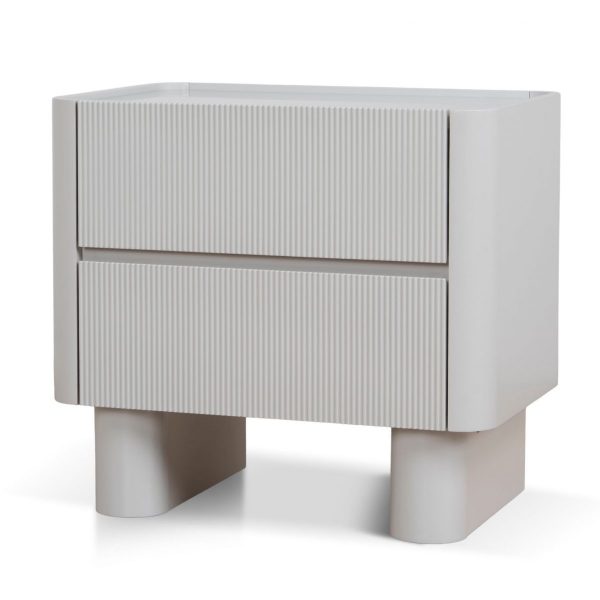
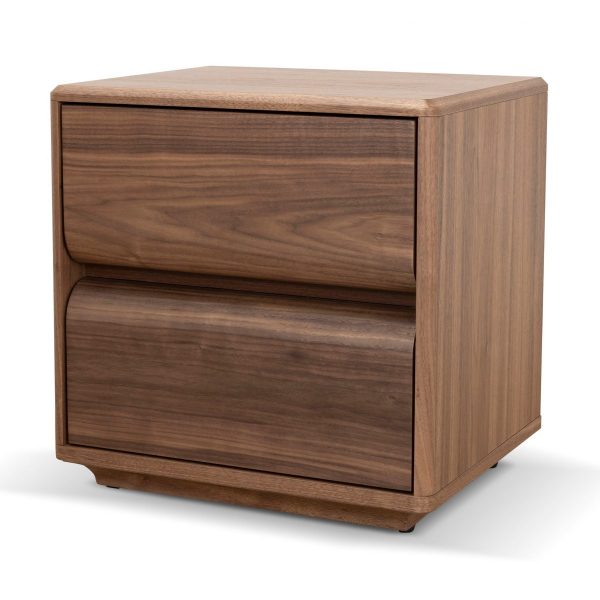
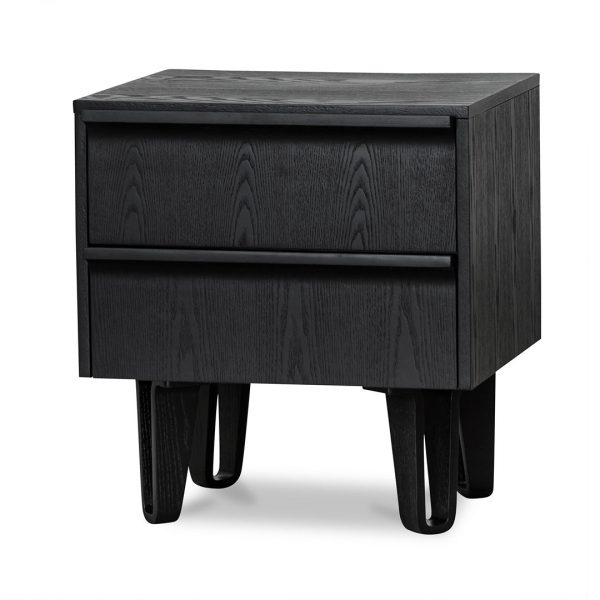
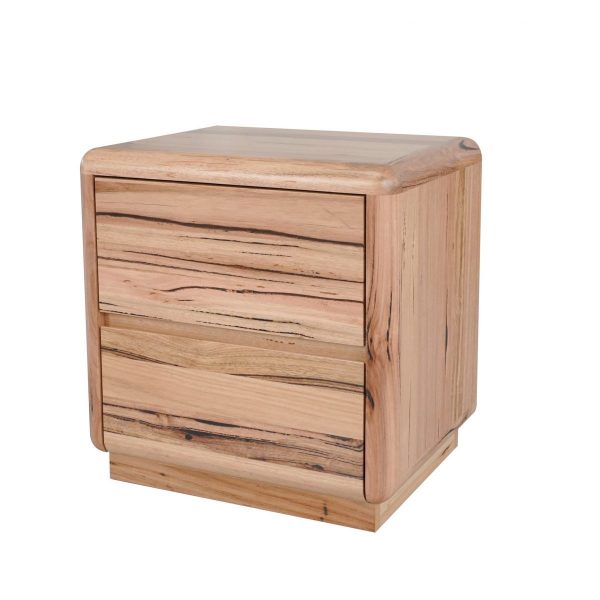
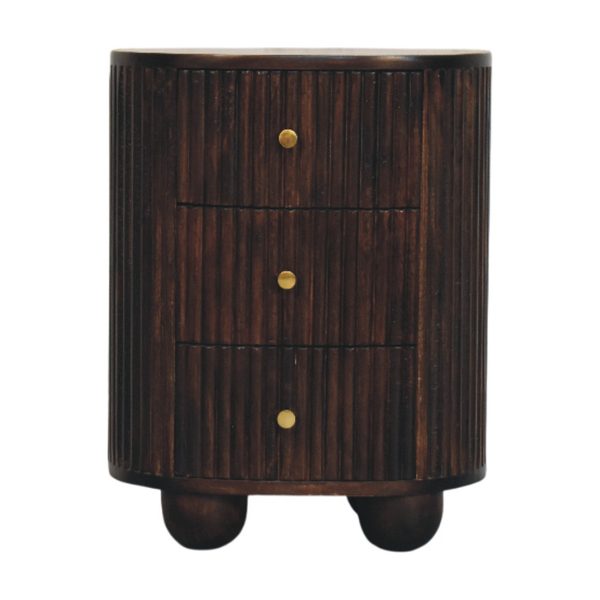
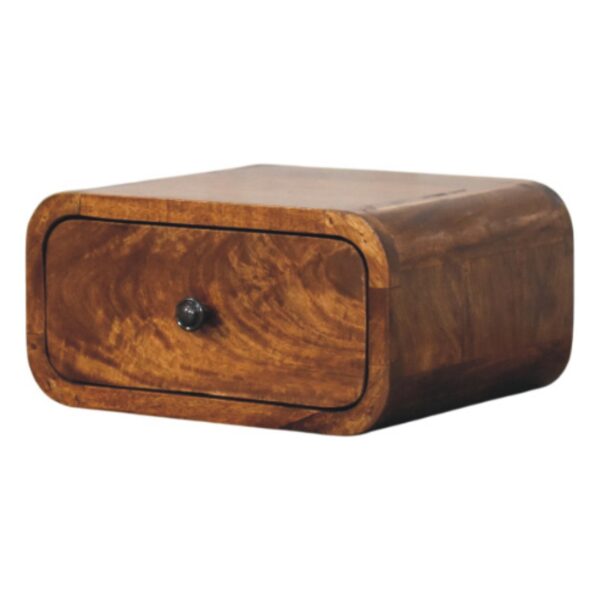
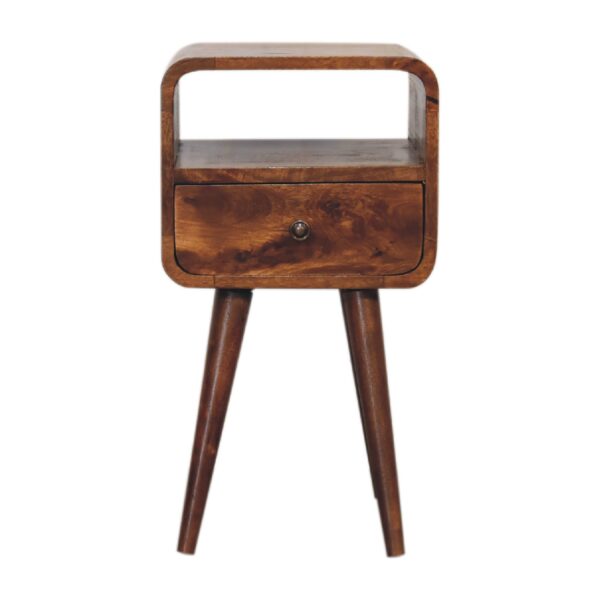
Which bedroom items need different compartments?
Separate regular clothes from larger folded bedding and the items used less often. They may need different compartment widths, depths or shelf gaps. Compare usable internal dimensions with your actual belongings instead of judging volume from the outside.
Check whether the design provides the storage method you need. Do not assume hanging space, adjustable shelves or drawers unless they are stated. Cabinets with shelves focus on stacked or grouped contents, while drawers create another access pattern. A useful bedroom arrangement makes frequent items straightforward to reach and gives larger textiles a clear place, without forcing everything into one compartment simply because the piece looks generous.
Can you open storage without negotiating around the bed?
Mark the full footprint, then test door or drawer movement with the bed, bedside furniture and dressing area in place. Include enough space for a person to stand and handle contents. An opening that technically clears the mattress may still be awkward during daily use.
Check access to nearby power points and furniture openings too. If the room is narrow, slim cabinets provide a depth-led comparison, but smaller outside depth also needs a useful interior. Keep the bed route practical rather than filling every spare wall section. The storage should make the bedroom easier to use, not require the room’s ordinary actions to work around a closed-size-only decision.
How should the storage form relate to a restful bedroom?
A cabinet adds a sizeable surface, so compare its height and visual weight with the bed and other furniture. You may want it to blend quietly with the walls or provide a clearer material connection to timber pieces. Set that role after the contents and openings work.
Read the finish and care for frequent contact on handles, doors and the top. Follow assembly and securing instructions for the actual design. Natural timber cabinets help when visible grain is the desired room layer, while white cabinets offer a light colour comparison. Neither finish establishes the right internal layout. Let the appearance complete a practical dressing and bedding arrangement rather than replace those decisions.
Frequently Asked Questions
Compare cabinets with storage when you want to examine the stated storage arrangement more closely, keeping bedroom access requirements beside it.