
Small Desks
Small desks should make a contained work setup useful, rather than simply occupy the least wall space. Identify the room’s limiting dimension first: width, depth beside other furniture or another constraint. Then compare the top with the equipment and tasks you actually need to use together.
Read moreRead less
A smaller exterior helps only when seated clearance and chair movement still work. Read the full dimensions and any stated features rather than assume a compact desk suits every laptop, study or office task. Desks provide the broader setup comparison. Compare limited room space with a practical working area, using the actual task to guide your choice.
Showing all 14 resultsSorted by recommended
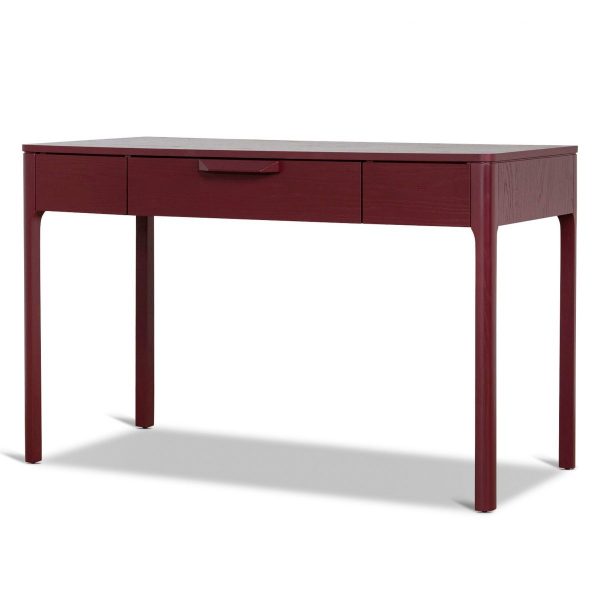

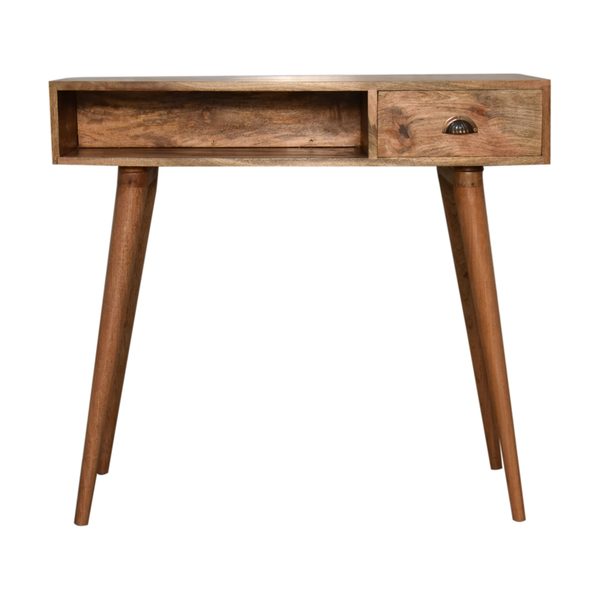
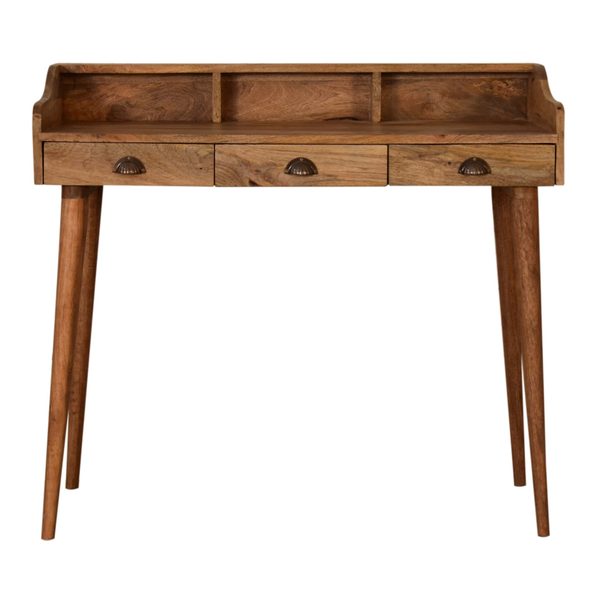
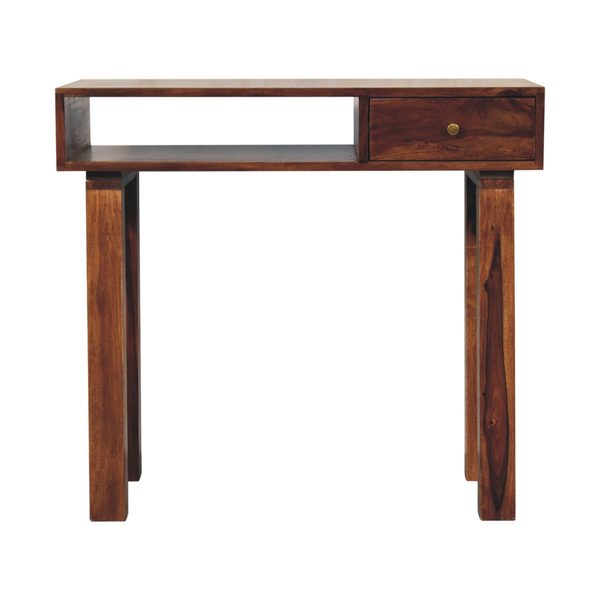
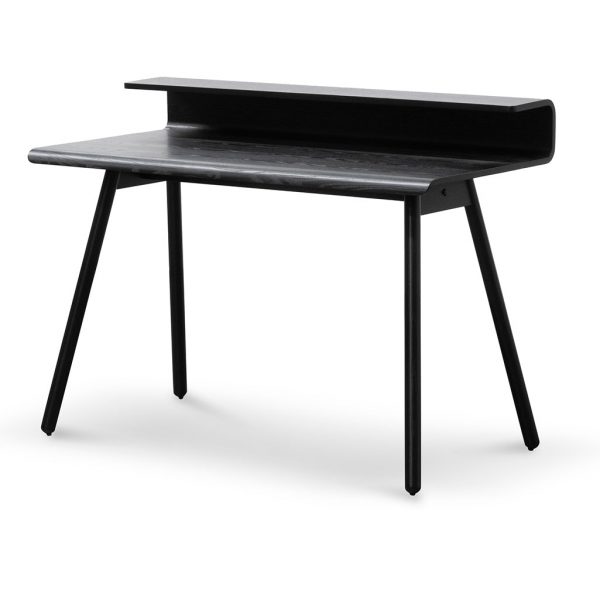
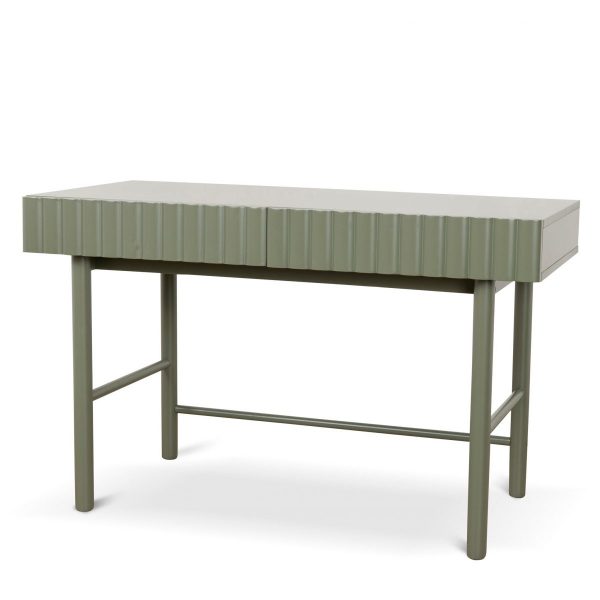
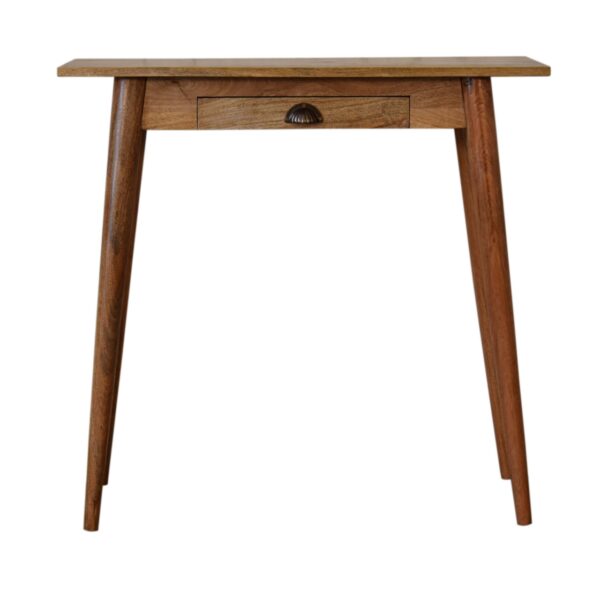
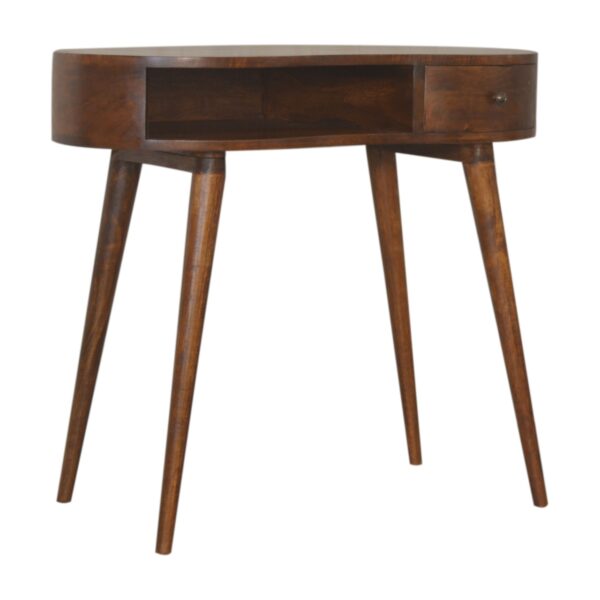

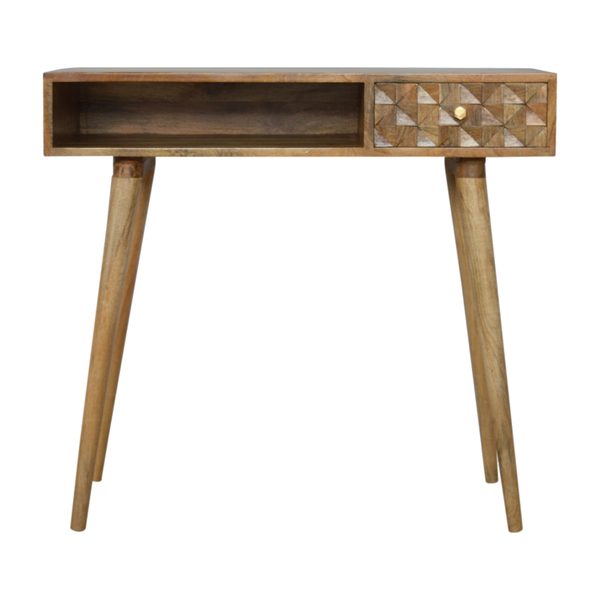
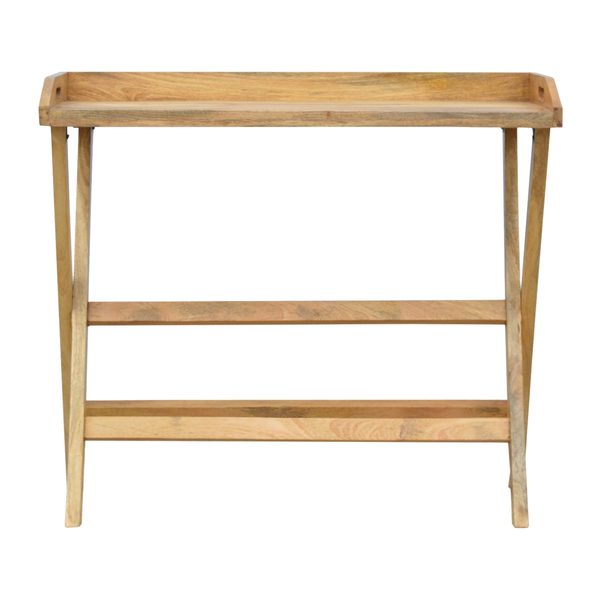
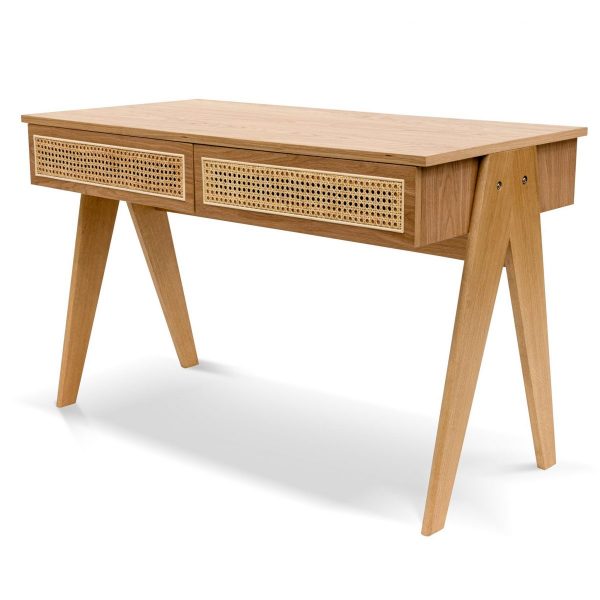
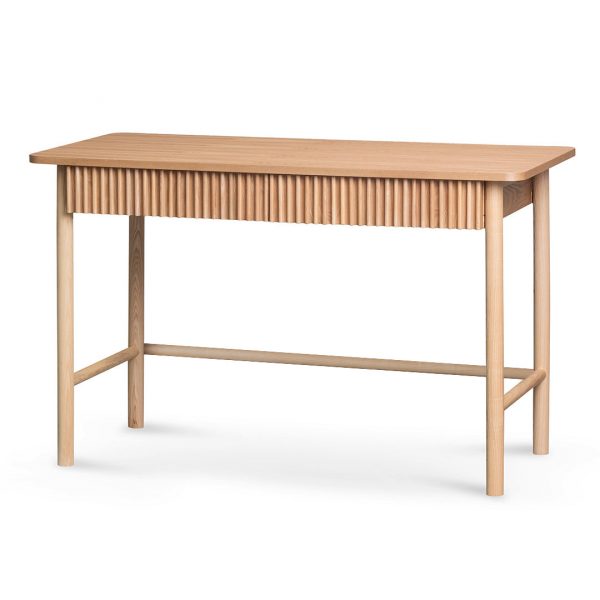
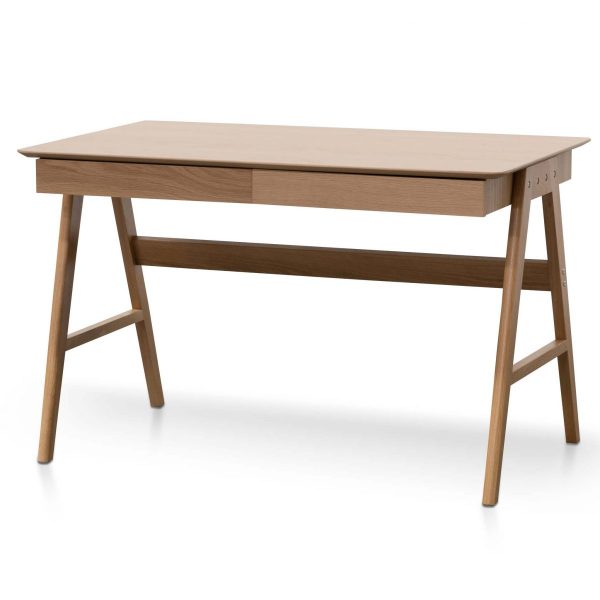
Which room measurement actually needs to be smaller?
Measure the available wall section and depth into the room separately. A narrow top can still project too far into a route, while a shallow one may be too wide for the intended place. Include the complete base and any projecting structure.
Add occupied chair space rather than assess only the parked furniture. Doors and nearby drawers need their own movement too. Corner desks offer another layout comparison, but a turn should not be assumed to save space automatically. Choose the specific footprint that answers the actual constraint instead of selecting the smallest-looking photograph and hoping all parts of the room will adapt.
Does the useful top fit your work items?
Lay out equipment, papers and the working area between them. Compare useful width and depth with that arrangement, not only the size of a single device. Surface shape or fixed details can reduce what remains practical.
Decide which items should stay nearby in storage rather than on the desk. Home office storage addresses that separate task. Integrated functions may help when actually stated, but can affect another part of the setup. A small desk should support a realistic routine, not force daily work into an arrangement that needs constant clearing. Keep useful top and retrieval needs together before the compact label settles the decision.
Does the smaller form leave a comfortable place to sit?
Check the actual opening beneath the top for knees, feet and the chair. Rails, drawers or supports can affect legroom differently from the outside width. Compare the chair’s movement and any arm clearance alongside those dimensions.
Mark space to rise and leave the desk while ordinary household routes remain usable. Home office desks focus on the domestic arrangement; study desks refine reading and learning tasks. Follow assembly and intended-use guidance for the actual design. Compact furniture is useful when the body and room fit together, rather than when the closed footprint is small but the occupied position remains cramped.
Frequently Asked Questions
Compare desks with shelves only where verified integrated storage supports the compact routine without reducing useful seated space.