
Study Desks
Study desks should give reading, writing and equipment a practical place in the same routine. Start with the materials used together: an open book, notes, a device or another actual group. Their useful arrangement tells you more than a desk label or a photograph with an empty top.
Read moreRead less
Then compare seated clearance and where reference items will be kept. Study does not establish one age, size or integrated feature, so read the individual specification. Desks cover the first work-surface checks, while desks with shelves provide a storage comparison where that function is actually included. Choose for the learning task with practical reach and room fit beside appearance.
Showing 1–24 of 30 resultsSorted by recommended
-
-
-
On SaleOriginal price was: $1,689.00.$1,486.00Current price is: $1,486.00.
-
-
-
-
-
-
-
-
-
-
-
-
-
-
-
-
-
-
-
-
-
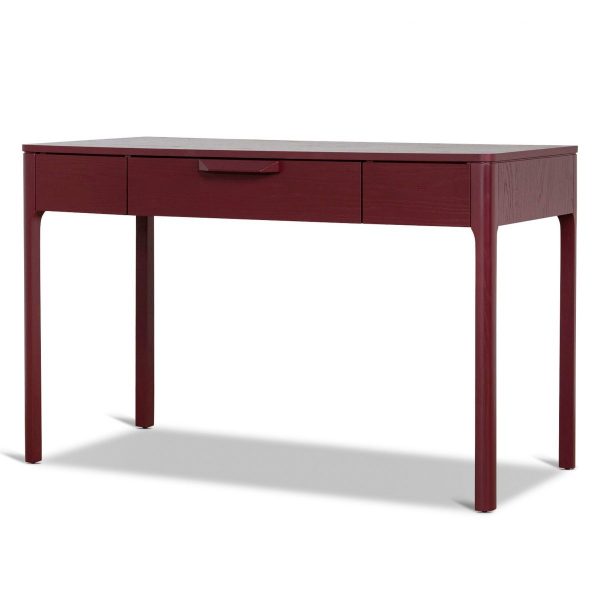

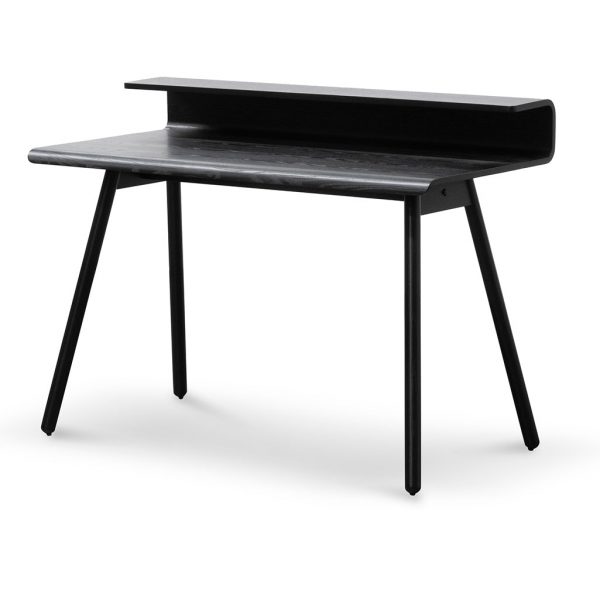
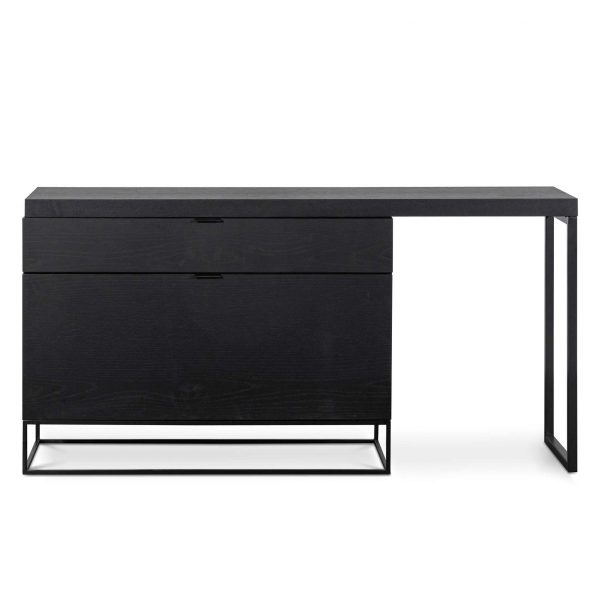
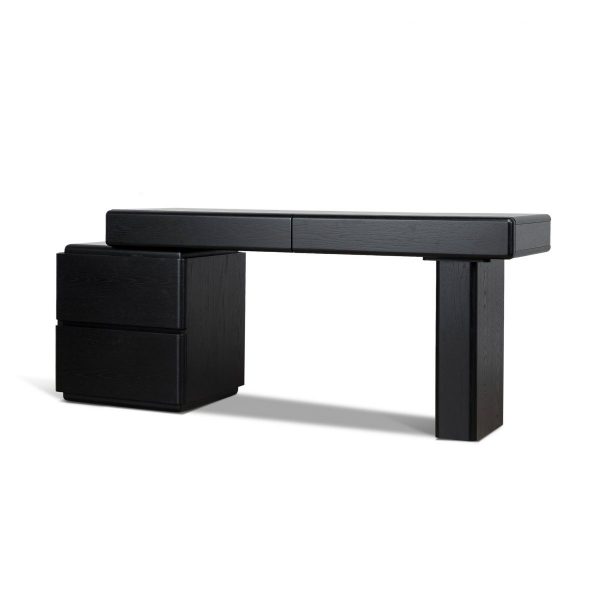
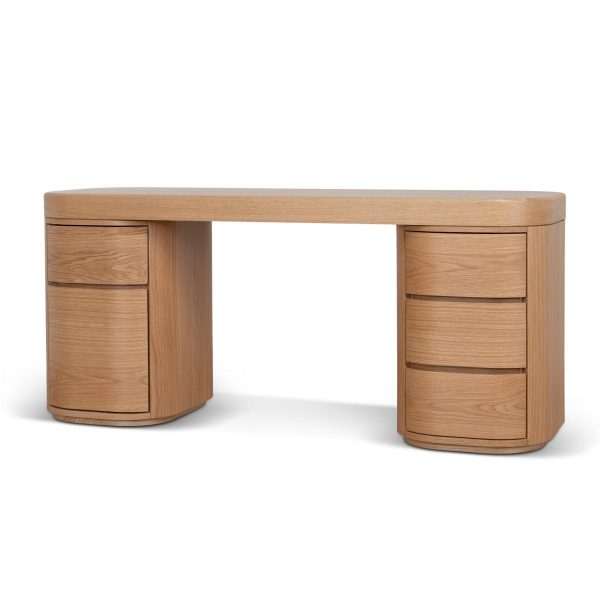
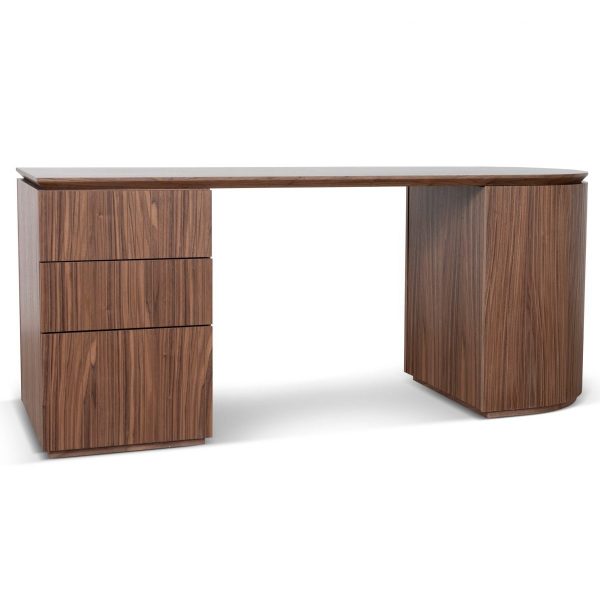
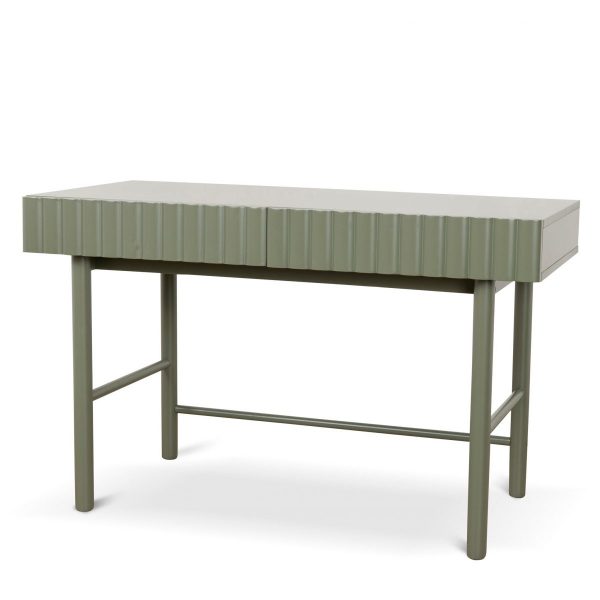
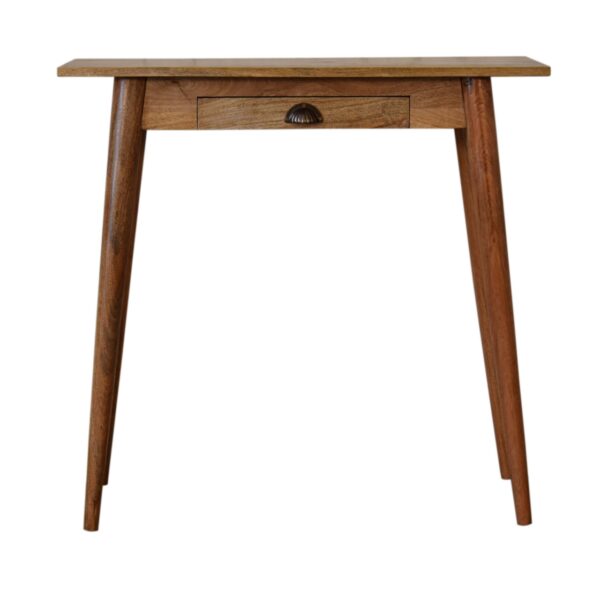
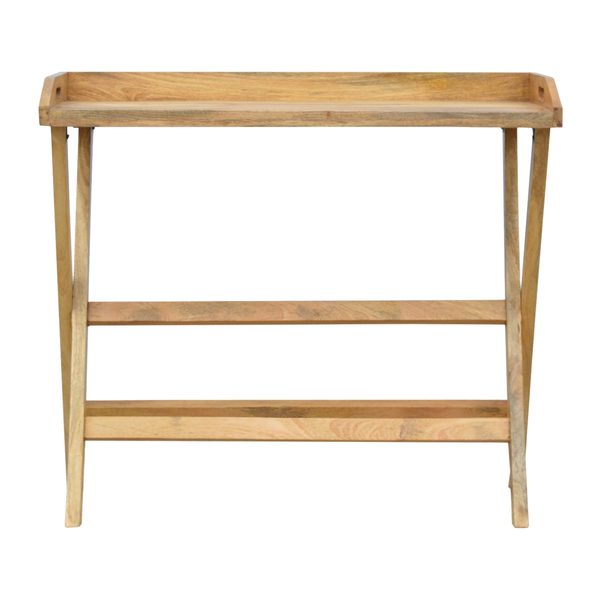
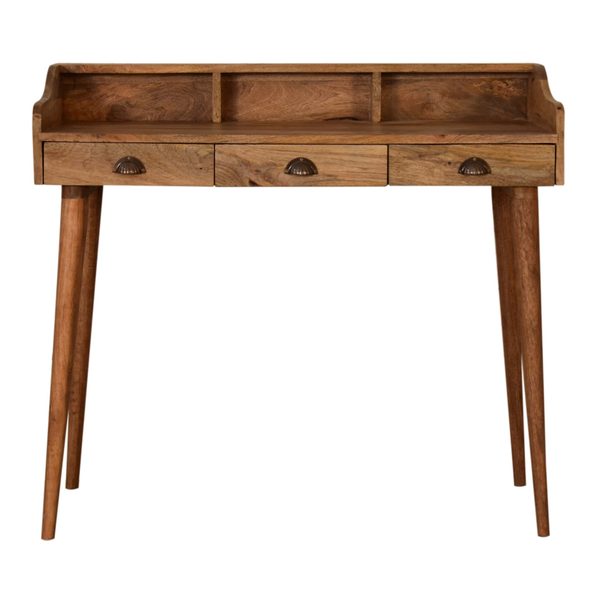

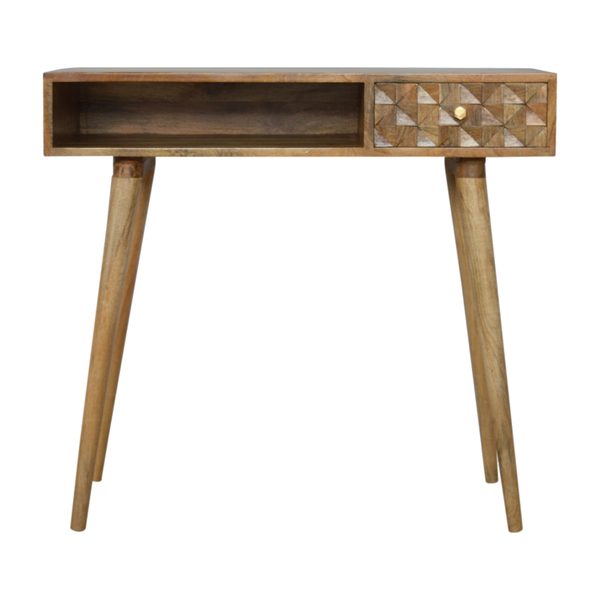
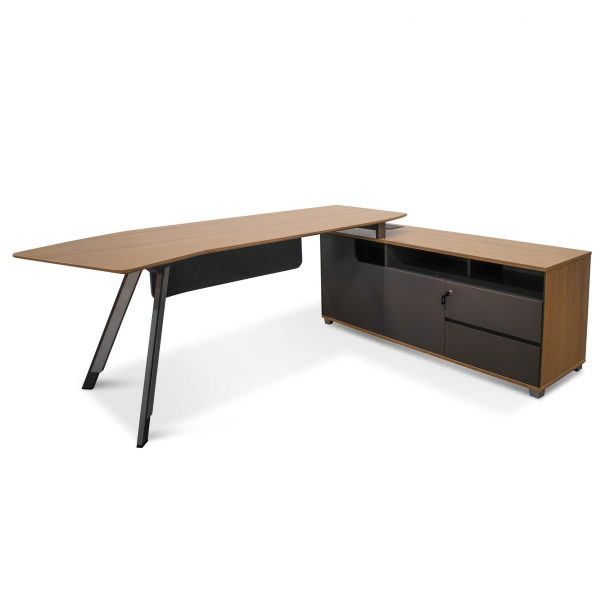
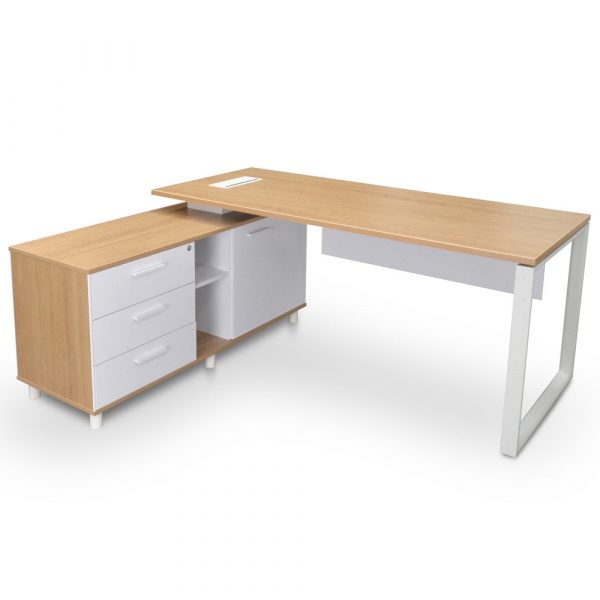
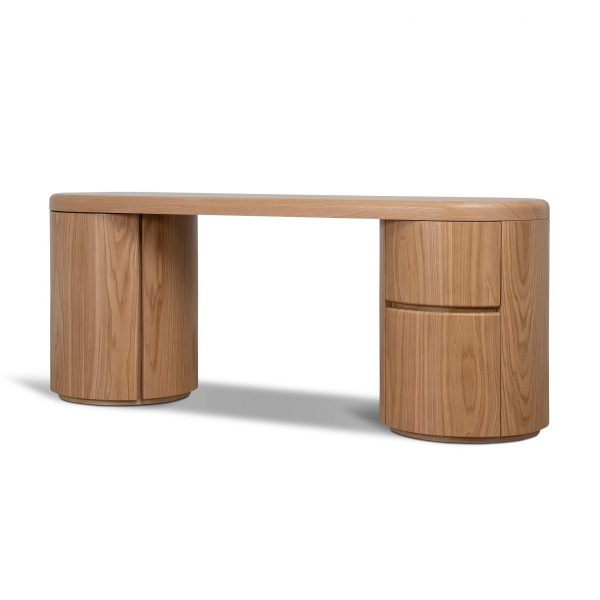
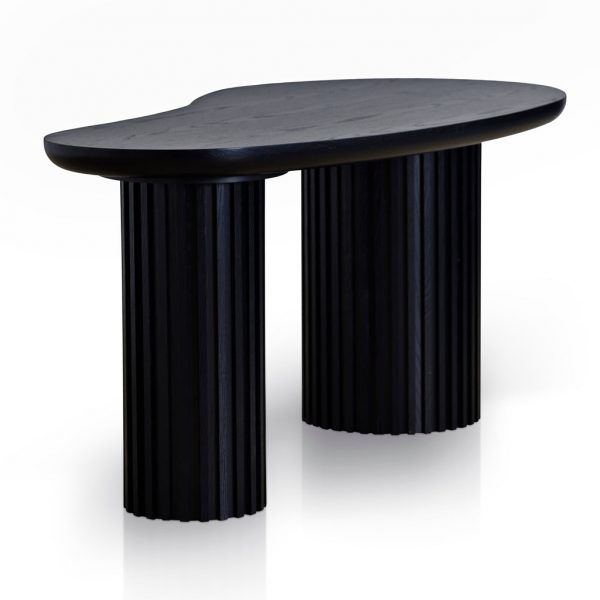
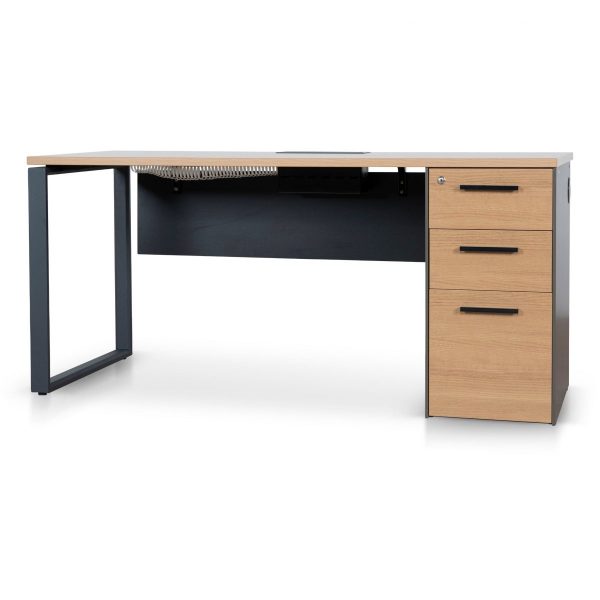
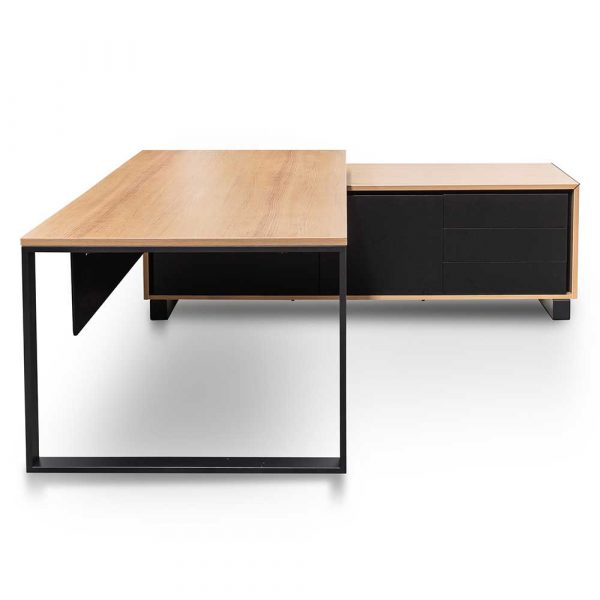
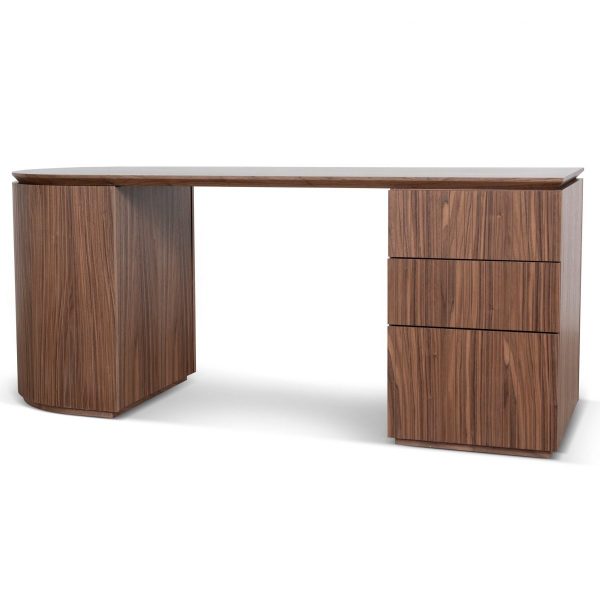
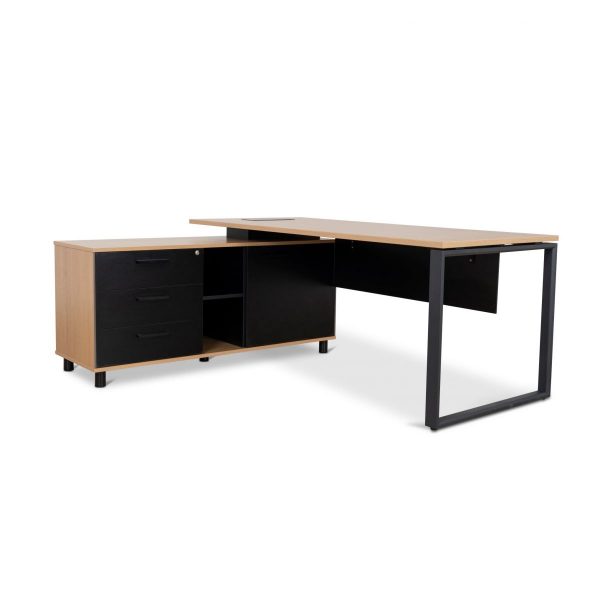
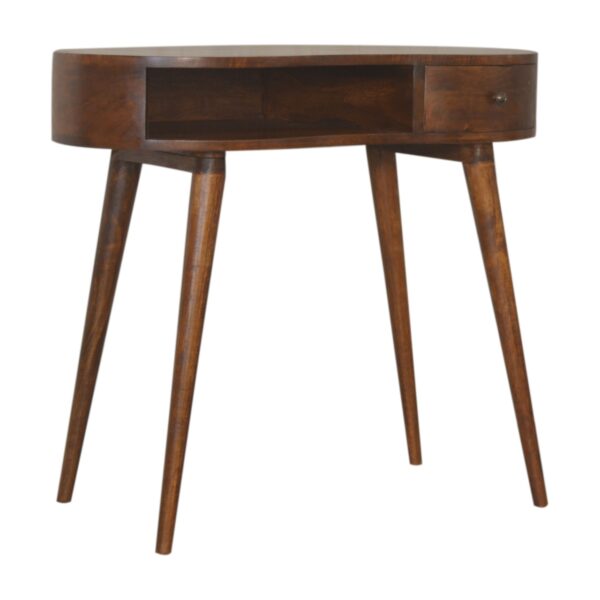
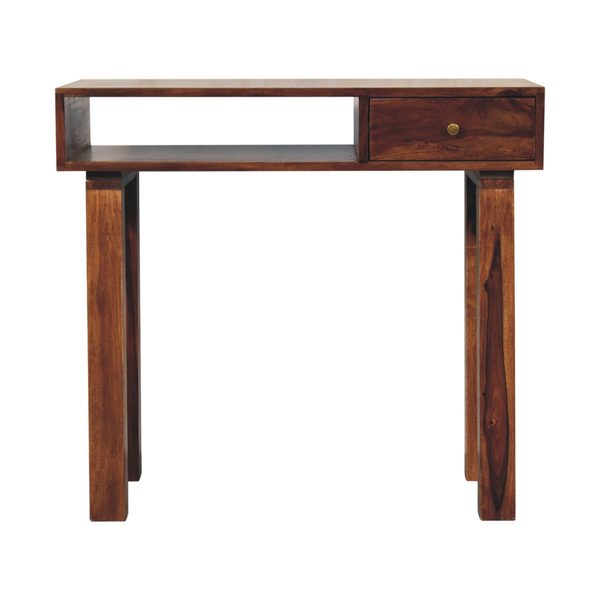
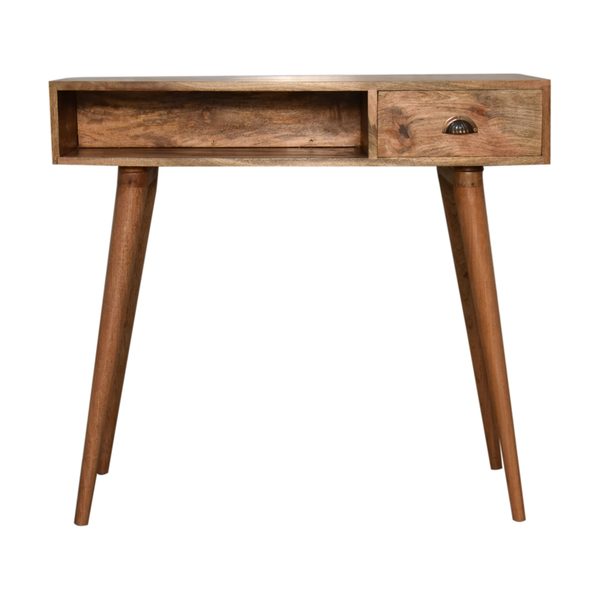
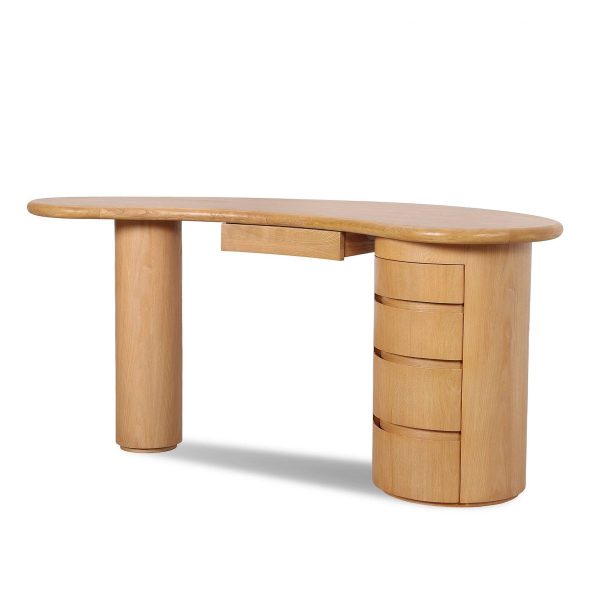
Can an open book, notes and equipment share the top?
Lay out the materials used at the same time, including the area where hands work. An open book may need a different useful depth from a closed stack, and a device can change the remaining space for notes. Measure that real arrangement.
Check surface shape and any fixed details that affect the active area. Do not choose only from the largest individual item. Small desks offer a constrained-size comparison, but the compact top still has to support the routine. The useful study surface is one where reading and writing can switch naturally without constantly removing the material needed for the next task.
Which reference materials need nearby storage rather than the top?
Separate active items from books or tools used less often. Compare their dimensions and retrieval pattern with actual drawers or shelves, if included. A storage feature should not be assumed from a study label.
Desks with drawers focus on integrated compartments, while bookcases and shelving address a larger separate book arrangement. Include room to remove and return items without interrupting the working position. Choose storage from the study materials you own, rather than count shelves or drawers alone. A clear top depends on a practical place for the contents that do not need to remain open throughout the task.
Does the seated setup fit the learner and the room?
Compare the actual top height and underside opening with the chair and person using it. Rails, drawers or supports can reduce legroom; overall size does not describe every seated dimension. Include normal chair movement and access to rise.
Plan nearby door and furniture openings in the occupied room, not only a neatly parked setting. Office chairs provide a separate dimension comparison where relevant, with actual intended use still checked. Choose the study setup from the actual task and seated dimensions, using the individual product’s intended use as a guide. Finish and care complete the practical arrangement after those needs are clear.
Frequently Asked Questions
Use home office storage when study materials need a separate put-away arrangement beside the active surface.