
Timber Desks
Timber desks are a component-level choice as well as a room material. Read the top, frame and any storage parts separately, because visible wood on one surface does not identify every supporting component. Solid timber, veneer and mixed construction should remain distinct where the specification describes them.
Read moreRead less
Then compare useful top area and the opening beneath it with the work kit and chair you use. Grain and finish can connect the room after those practical dimensions work. Natural timber desks focus on visible character; mango wood desks narrow the species question. Read the construction and finish care beside the desk’s stated functions.
Showing 1–24 of 29 resultsSorted by recommended
-
-
-
Week’s PickOriginal price was: $1,689.00.$1,402.00Current price is: $1,402.00.
-
-
-
-
-
-
-
-
-
-
-
-
-
-
-
-
-
-
-
-
-
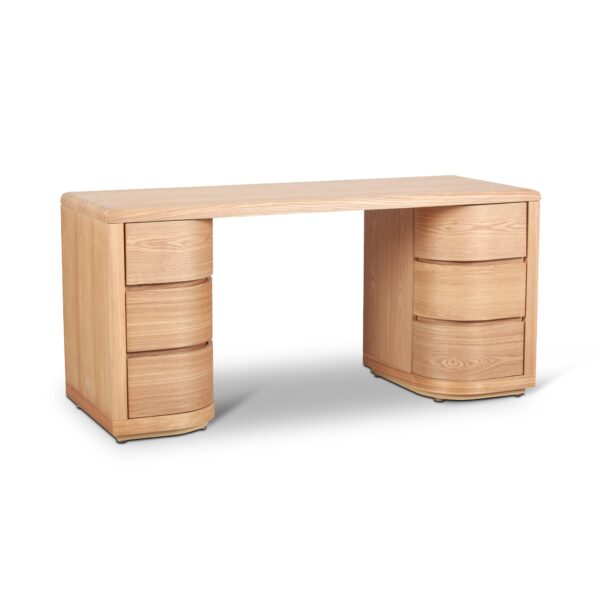

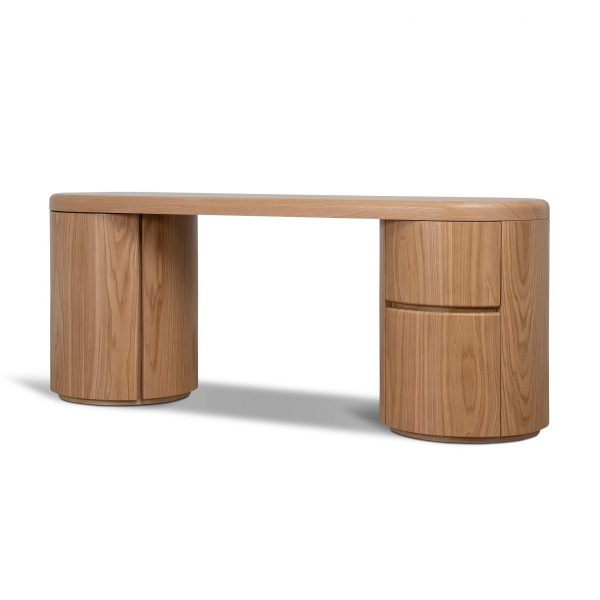
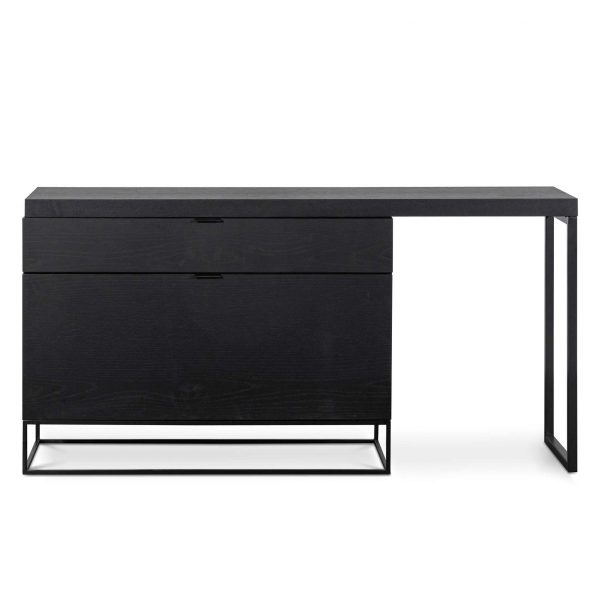
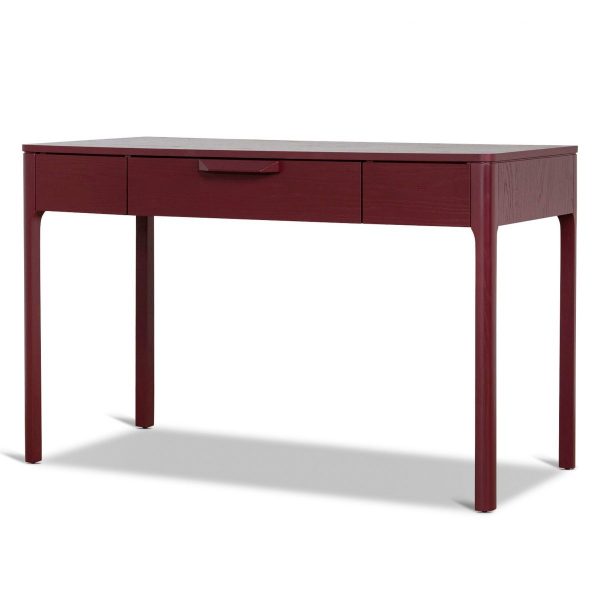
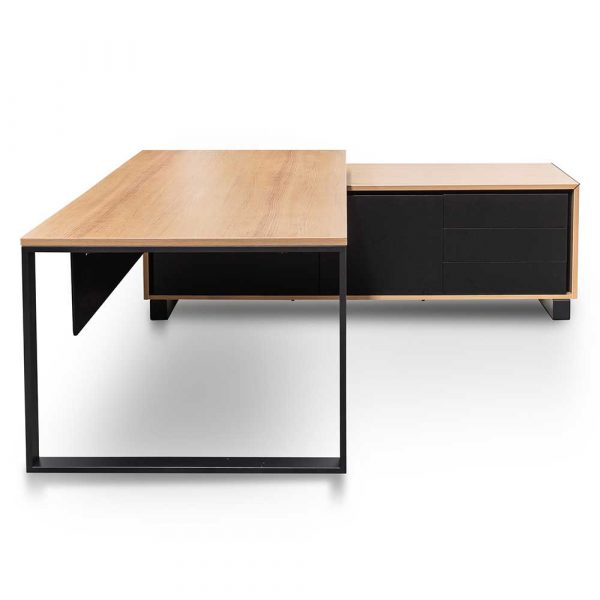
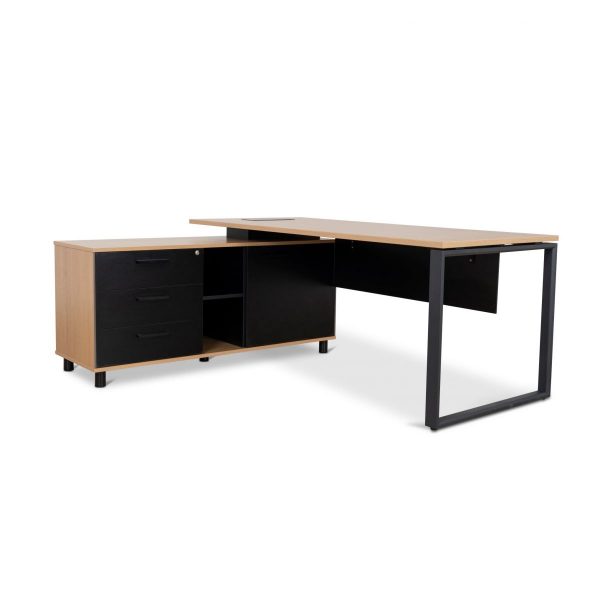
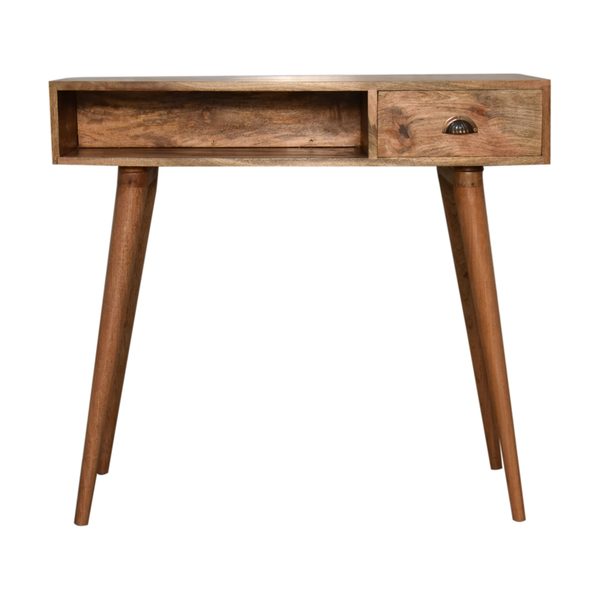
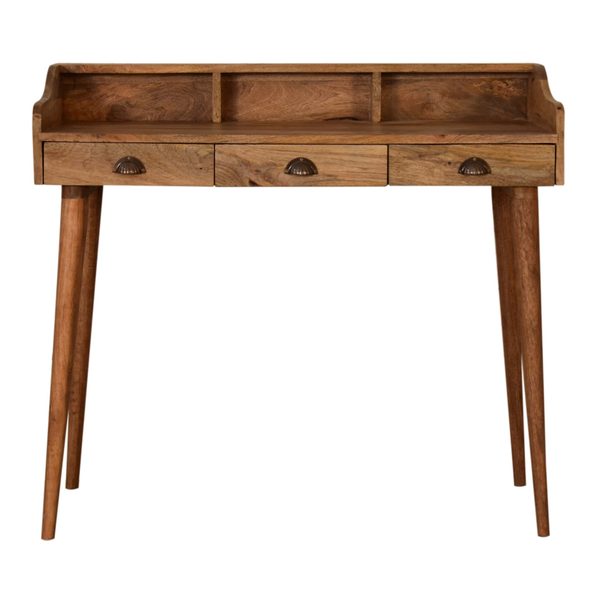
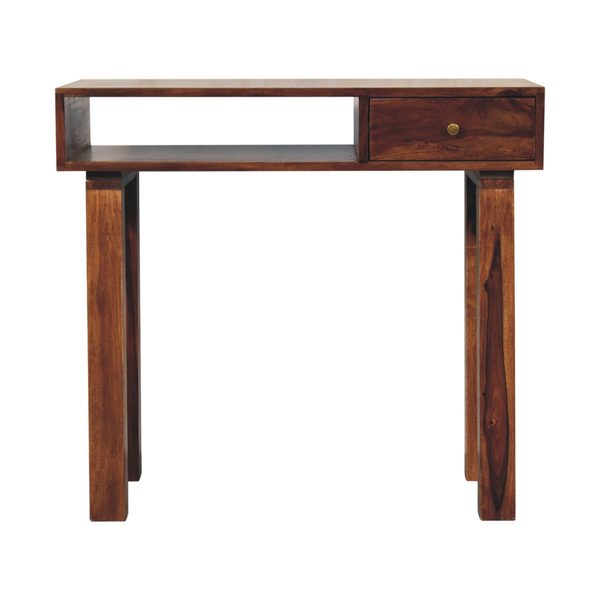
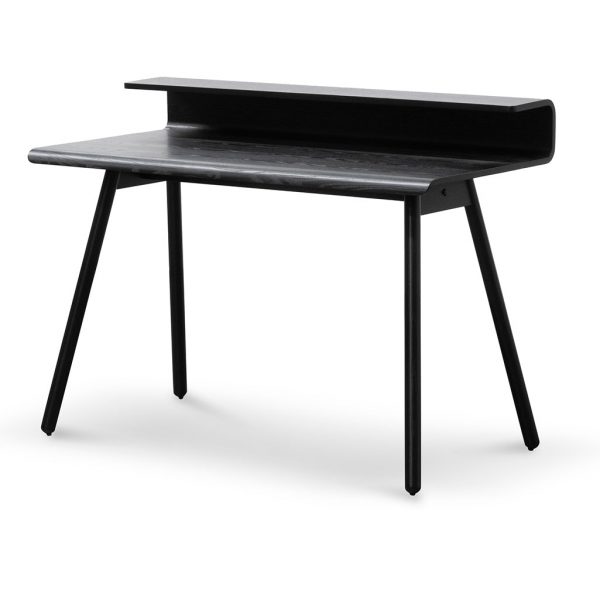
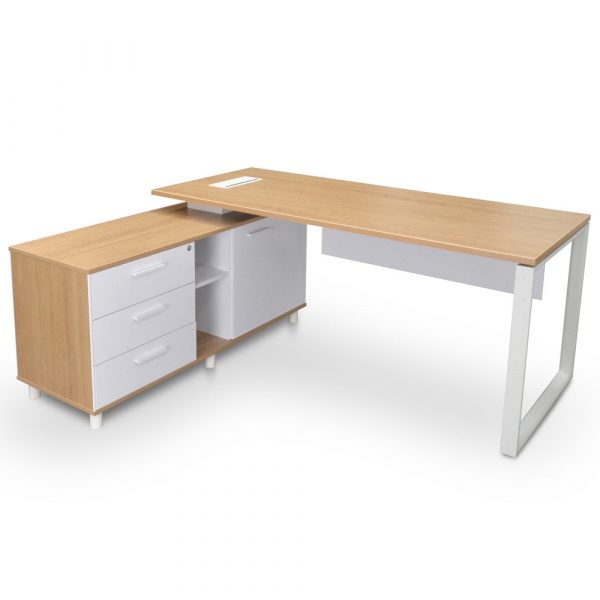
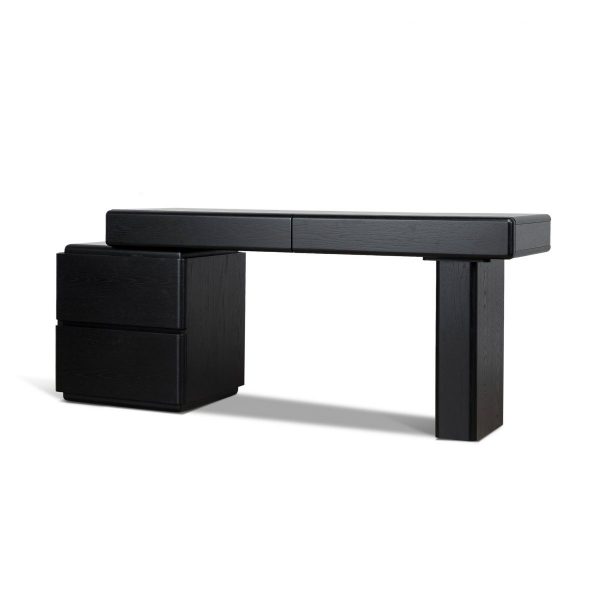
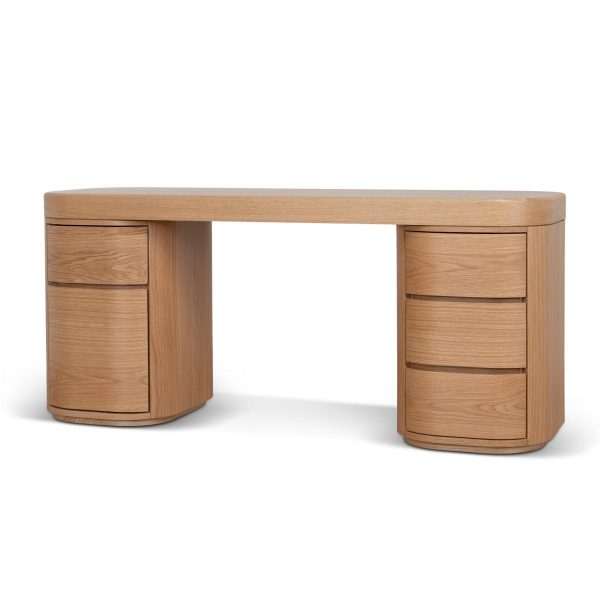
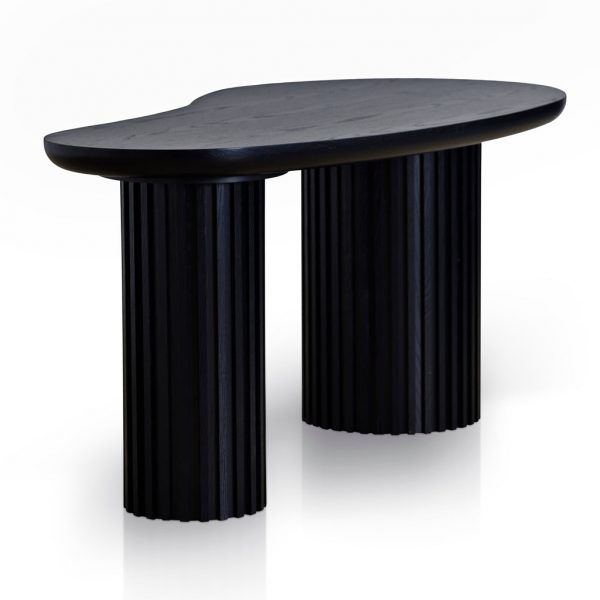
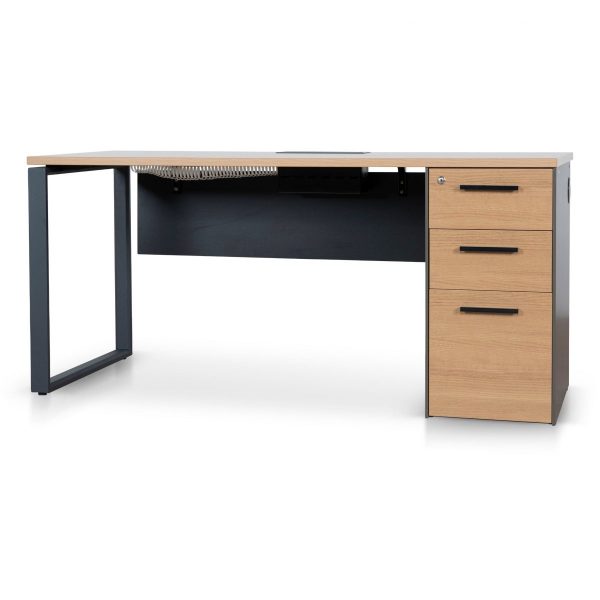
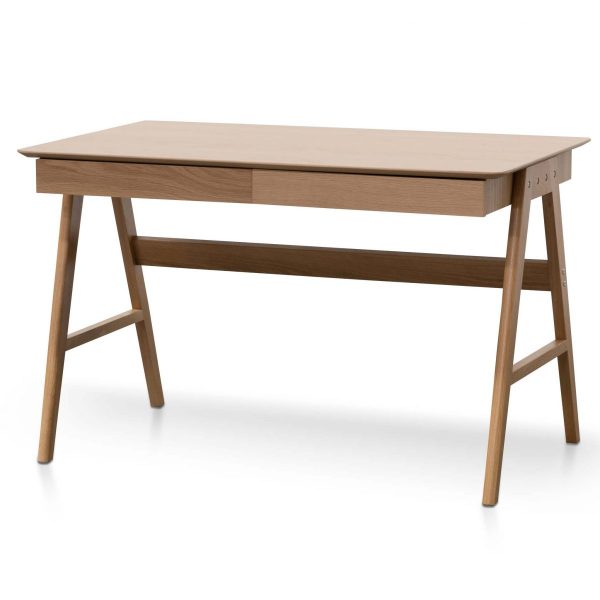
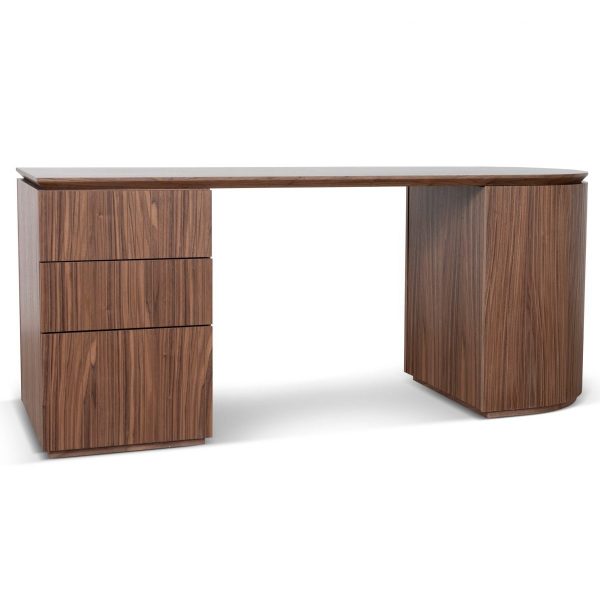
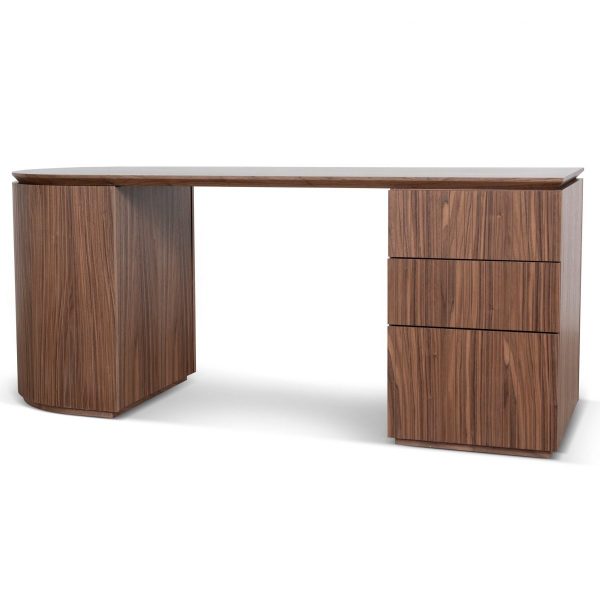
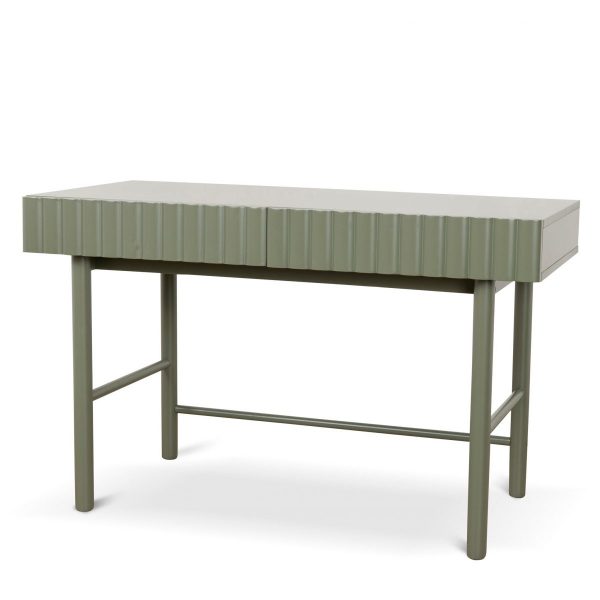
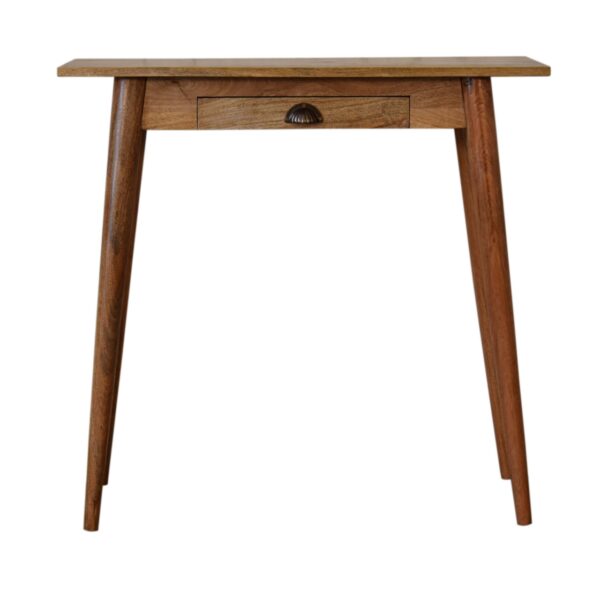
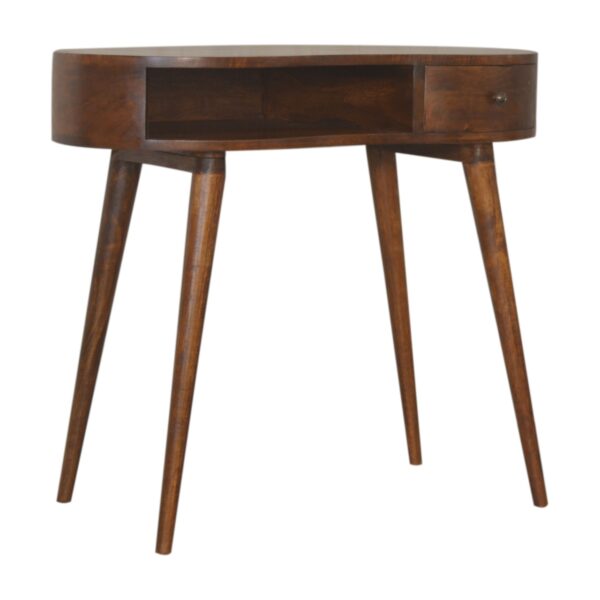

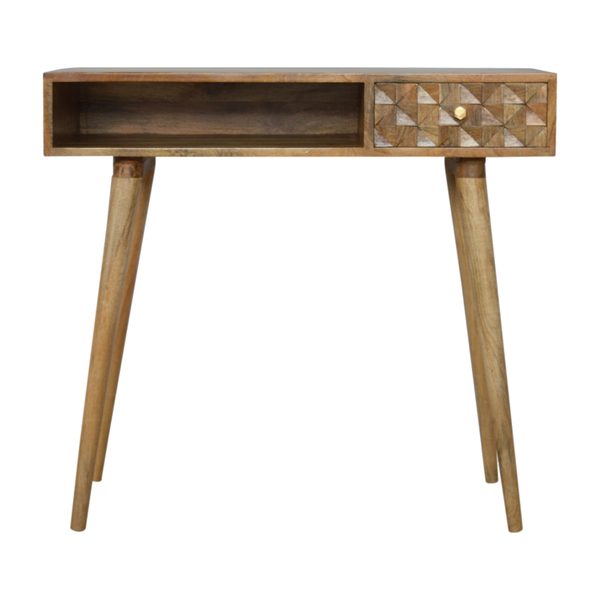
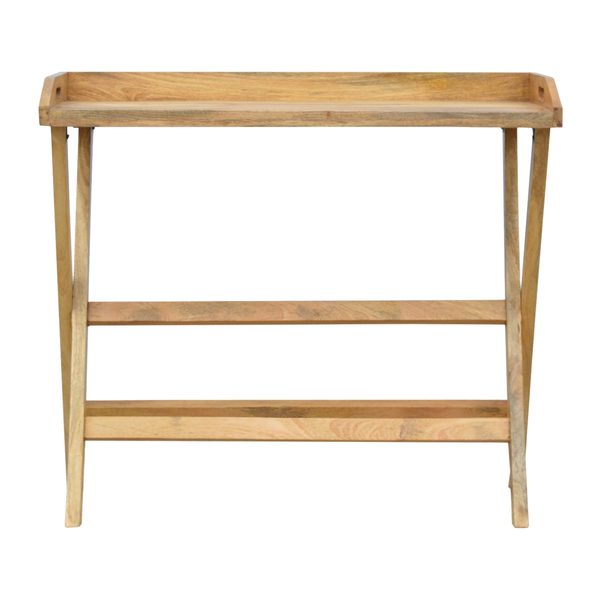
Which components form the timber desk you are comparing?
Read the material statement for top, supporting base and any storage fronts or interiors. Keep each part accurate rather than treating the front image as an all-solid-wood description. Available underside views can support the written information.
Ask about unclear construction if it affects your brief. Timber alone does not identify drawer mechanisms, origin or a performance rating. Those belong to the actual product’s specification and intended use. Oak veneer desks provide a more specific surface-layer comparison where that named construction matters. A precise component choice helps you understand what is visible, what supports it and how the work furniture should be used.
Do the top and seated opening fit your work setup?
Lay out the equipment, papers and active area used together, then compare useful top width and depth. Outside dimensions can include shape or details that do not serve the actual task. A substantial timber surface should not establish equipment fit by appearance alone.
Check the seated underside with rails, storage or other stated supports included. Compare knees, feet and chair movement rather than select the chair independently. Desks cover the broader body-to-surface setup. The material should sit on a working form whose dimensions are practical, not encourage a purchase based on wood character while the useful task area remains uncertain.
Which finish belongs with daily contact and the room?
Read the applied finish’s care for equipment, hands and accidental marks. Painted, tinted and visible-grain surfaces may need different methods. Do not choose oil or another cleaner solely because the desk contains timber.
Compare tone and grain with flooring and furniture, choosing repetition or deliberate contrast rather than an uncertain match. Mark the occupied desk and nearby openings, following assembly and actual feature guidance. Home office desks help with a domestic room used after work too. Wood construction should complete a practical setup whose care, dimensions and access are understood instead of material appearance replacing those facts.
Frequently Asked Questions
Explore walnut veneer desks for a named surface choice when the construction and finish fit your brief.