
Grey Desks
Grey desks can give a work area a restrained colour relationship, but the actual shade should be compared with walls, flooring and nearby furniture. A warmer grey and a cooler one can behave differently beside timber or another neutral. Do not treat grey as a guarantee that every finish will match.
Read moreRead less
Assess the complete desk, including the surface, frame and any storage fronts. Their scale and texture affect the room more than a small colour sample. Desks help check useful working area and seated fit before choosing the neutral finish. Read actual material and care so appearance remains separate from functions such as storage or adjustment.
Showing all 3 resultsSorted by recommended
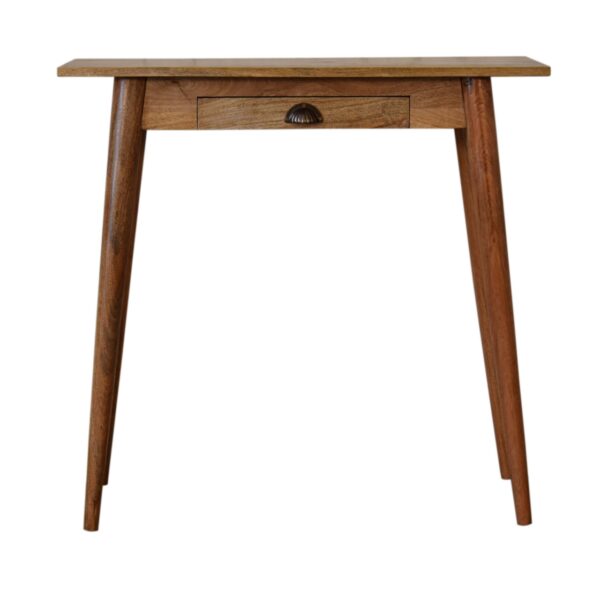

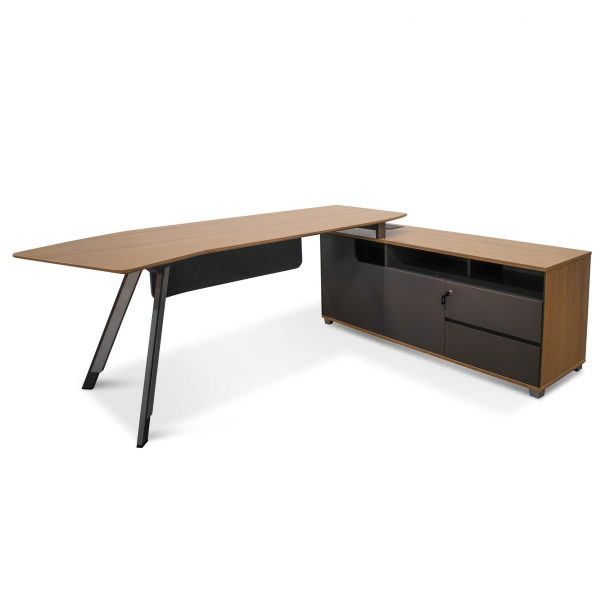
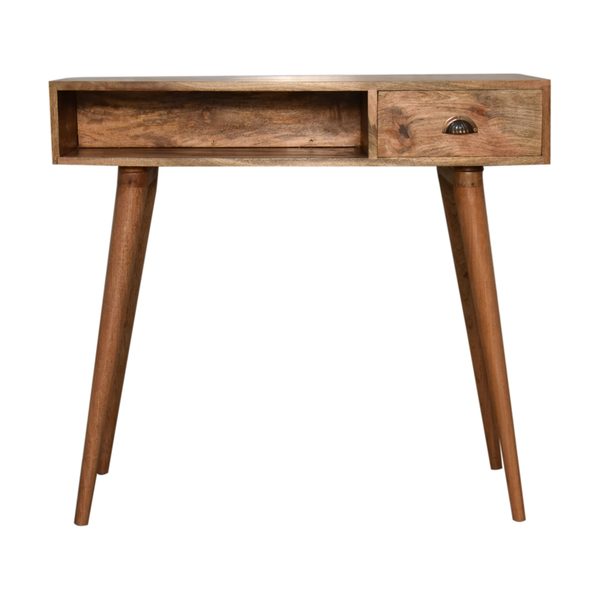
Should the grey blend with the room or stand apart?
Compare the proposed tone with the largest nearby neutral and the equipment that remains visible during work. A clear lighter or darker relationship can be more deliberate than an uncertain near-match across different materials. Notice warmth or coolness revealed beside another grey.
View the full piece under the lights normally used for the task. A screen photograph cannot establish an exact room match. Black desks offer a stronger dark outline, while white desks provide another light direction. Keep required work area and clearance fixed as you compare these palettes so colour does not create a compromise in the useful setup.
What does the actual grey surface need through regular use?
Read the material and finish of top, frame and any storage fronts separately. Grey can appear on different surfaces, and one shade should not establish a shared cleaning routine. Consider frequent hand contact and the equipment placed on the top.
Follow finish instructions rather than assume marks will be hidden or a particular cleaner is suitable. Texture and sheen also affect the visual relationship with the room. Timber desks offer a construction-led comparison when wood is the priority rather than neutral colour. Choose a surface whose care and material are clear before it becomes part of the everyday work routine.
Does the neutral form leave practical space for work?
Compare useful width and depth with the items used together, then check the opening beneath the top for knees, feet and chair movement. Overall dimensions can include parts that do not contribute to usable surface or seated clearance.
Mark the occupied setup near doors and other furniture, following assembly and actual feature information. Home office desks focus on a domestic room that continues to serve ordinary household use. Grey can keep the finish quiet, but it cannot create working depth, legroom or an integrated function. Let the neutral choice complete a setup whose dimensions and access already support the task.
Frequently Asked Questions
Explore desks with shelves when verified integrated storage is the next requirement beside the neutral surface.