
White Desks
White desks can give a work area a lighter colour relationship, especially beside pale walls or furniture. Compare the actual white before choosing, because warmer and cooler finishes may appear different across those surfaces. Decide whether the desk should blend or provide a brighter outline.
Read moreRead less
Then look at the full top and base with the work equipment and chair in place. A light finish does not reduce footprint or establish useful seated clearance. Desks help check the setup before choosing white alongside its actual material and care. Read top, frame and any storage fronts separately rather than assume every pale component shares one construction or cleaning method.
Showing all 2 resultsSorted by latest
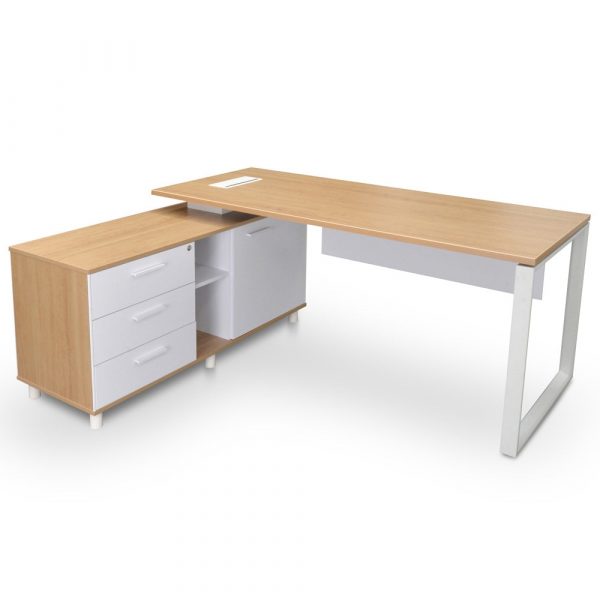
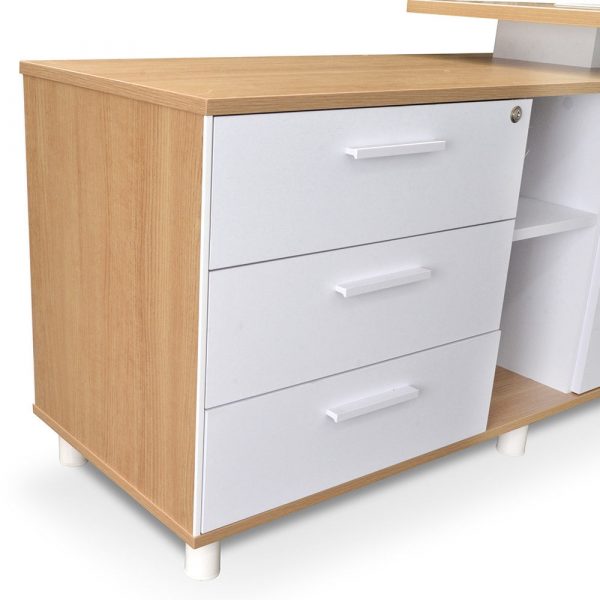
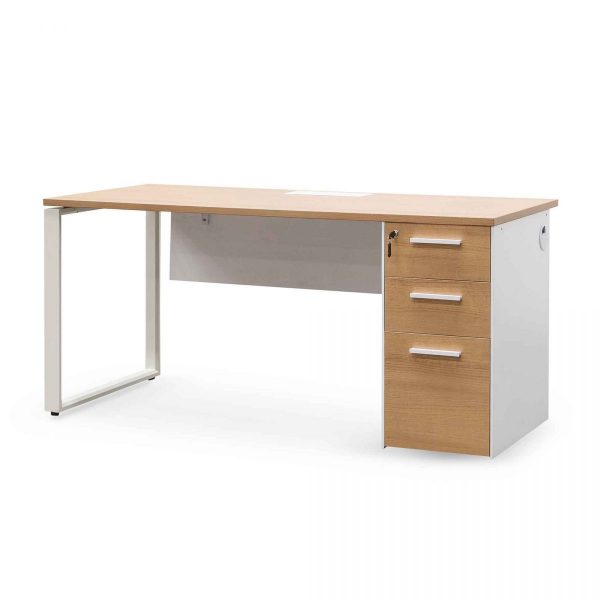
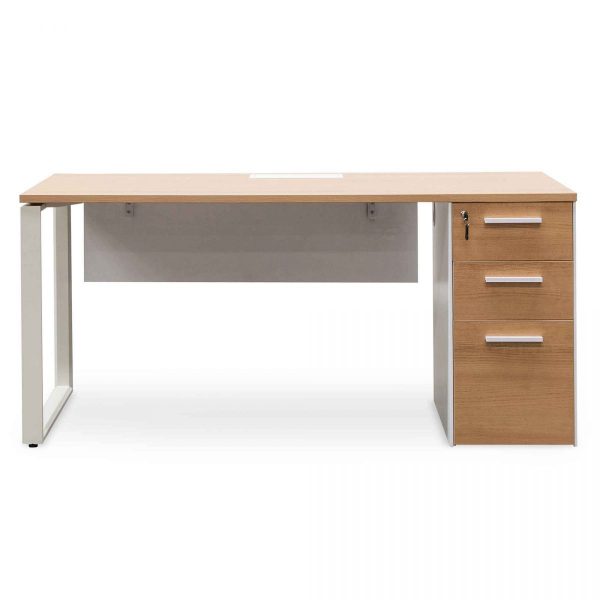
Which white belongs beside the room’s permanent finishes?
Compare the desk with wall paint, flooring and furniture you intend to keep under the light normally used for work. Different materials can show similarly named whites differently. A deliberate tonal or texture difference may be clearer than an uncertain exact match.
Include the visible equipment rather than judging the surface in an empty styled room. Grey desks offer another light-neutral relationship, while black desks provide a darker outline. Keep useful task dimensions fixed while comparing the palette. White should serve a defined room role rather than be treated as one universal finish that matches every wall or makes any form visually disappear.
What care does the actual light surface need?
Read the material and finish for top, frame and any storage fronts. Colour does not establish paint, timber or another construction. Follow instructions for regular equipment and hand contact, keeping combined materials separate.
Do not infer washability, resistance to marks or suitability for bleach and household sprays from a white photograph. Ask for missing care when it affects the routine. Timber desks offer a construction comparison if that is the more important choice. The useful white desk is maintained according to its actual surfaces, with finish contributing to the room after the practical work area has a clear place.
Can the light form remain workable when the chair is occupied?
Lay out items used together and compare useful width and depth. Then check the opening beneath the top for knees, feet and the chair, including any supports or storage stated for the design. A pale exterior cannot describe every seated dimension.
Mark occupied movement and the room’s door or furniture openings. Small desks refine physical constraints, while home office desks focus on a domestic workday setup. Verify features and follow assembly guidance. White can complete the appearance of a practical arrangement, but it cannot create legroom, reduce base depth or establish an integrated function that the actual desk does not specify.
Frequently Asked Questions
Use desks with drawers when verified integrated storage is the next requirement alongside the light work surface.